Which Fish Are Compatible with Betta
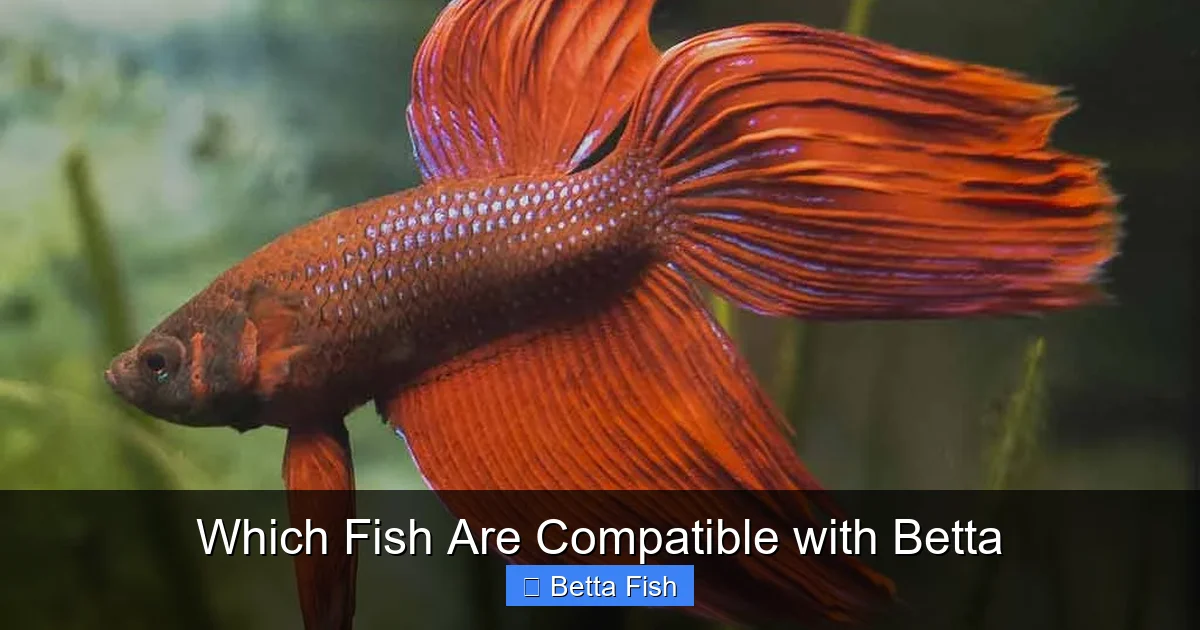
Betta fish, known for their aggression, can sometimes live with other species if carefully chosen. Compatibility hinges on selecting peaceful, fast-swimming fish that won’t nip fins or invade the betta’s territory. A properly sized, heavily planted tank is non-negotiable for success. Always introduce tank mates slowly and observe interactions closely, as every betta has a unique personality.
Key Takeaways
- Betta Temperament is Key: Your betta’s individual personality is the single most important factor. A peaceful betta may tolerate more, while a aggressive one may need a solo tank.
- Tank Size is Foundational: A minimum of 20 gallons is strongly recommended for any community tank with a betta to provide ample space and reduce territorial disputes.
- Avoid Fins-Nippers and Flashy Fish: Steer clear of fish with long, flowing fins (like fancy guppies) or bright colors that mimic a rival betta, as these trigger aggression.
- Prioritize Shoaling Peaceful Fish: The best mates are active, peaceful schooling fish that keep to themselves in the middle and upper tank levels, like specific tetras or rasboras.
- Bottom-Dwellers are Often Safe: Corydoras catfish, Kuhli loaches, and certain snails or shrimp occupy different tank strata, minimizing contact with the betta.
- Dense Aquascaping is Essential: Live plants, driftwood, and caves create visual barriers and break lines of sight, giving the betta and its tank mates places to claim as their own.
- Quarantine and Introduce with Caution: Always quarantine new arrivals first. Use a divider or add tank mates to a fully cycled, decorated tank before introducing the betta to reduce initial aggression.
📑 Table of Contents
- Understanding the Betta: More Than Just a Pretty Face
- The Golden Rules: Foundational Principles for Betta Compatibility
- Top-Tier Tank Mate Candidates: The Safe List
- The “It Depends” Category: Invertebrates & Special Cases
- The Absolute “No” List: Fish to Avoid with Bettas
- Setting Up for Success: The Step-by-Step Introduction
- Conclusion: Patience and Observation are Your Greatest Tools
Understanding the Betta: More Than Just a Pretty Face
So, you’ve got a stunning betta fish, with its flowing fins and vibrant colors, lounging in its tank. It’s a captivating pet. But then you think, “Wouldn’t it be nice to have a little more activity in there? Which fish are compatible with betta?” This is one of the most common questions in the aquarium hobby, and the answer is a classic “it depends.” The betta, or Siamese fighting fish, has a reputation for a reason. Centuries of selective breeding for aggression mean their instinct to defend territory and attack perceived rivals—especially other brightly colored, long-finned fish—is deeply ingrained.
However, this doesn’t mean a betta must live in solitary confinement. Many bettas can thrive in a well-planned community tank. The secret lies in understanding the betta’s perspective. In its world, a tank is not a peaceful neighborhood; it’s a small, defendable patch of water. Your goal is to design an environment so rich and spacious that the betta feels no need to patrol every inch aggressively. You must choose tank mates that are uninteresting as rivals. They should be fast, peaceful, and occupy different spaces. This guide will walk you through the entire process, from decoding betta behavior to selecting specific species and setting up the perfect tank to make a community a reality.
The Golden Rules: Foundational Principles for Betta Compatibility
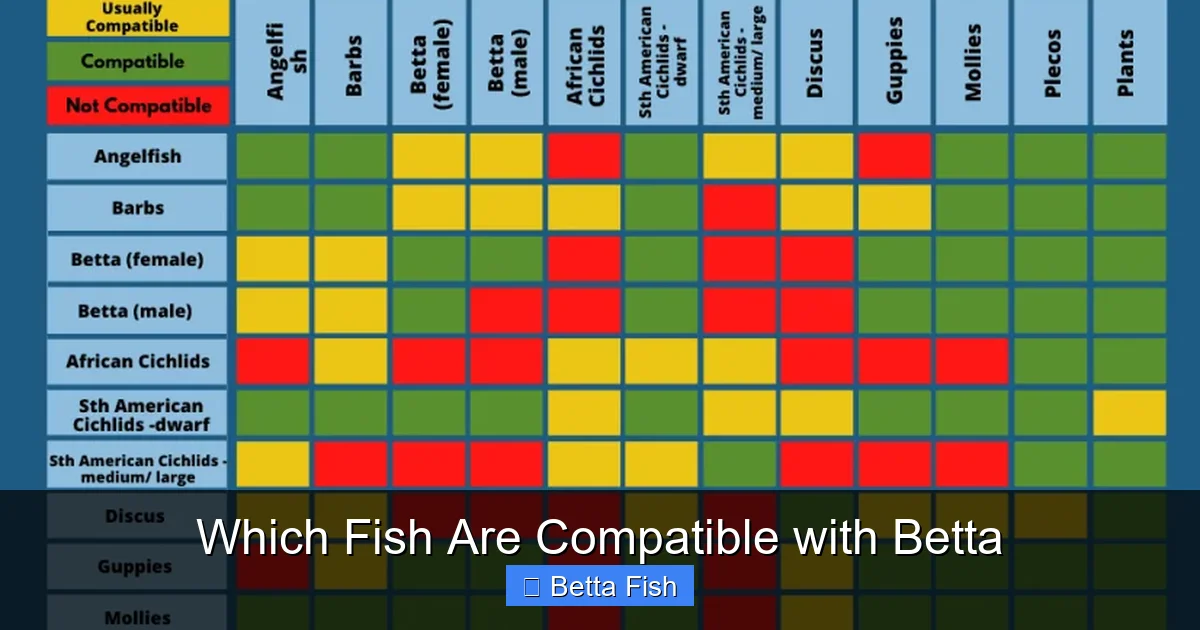
Before we even look at a list of fish names, you must internalize these non-negotiable rules. Skipping these steps is the number one reason betta community attempts fail. Think of these as the blueprint for success.
Visual guide about Which Fish Are Compatible with Betta
Image source: i0.wp.com
Rule #1: Tank Size is Not Negotiable
The classic “betta in a vase” myth has done immense harm. A betta in a 2.5-gallon bowl is stressed and miserable. For any community tank, you need to start with adequate space. The absolute minimum tank size for a betta with tank mates is 20 gallons. This provides a significant footprint, dilutes the betta’s territory, and allows other fish to establish their own areas far from the betta’s preferred hangout spots (usually the top). A 10-gallon tank is the bare minimum for a *solo* betta with a thriving bio-load. For community success, bigger is always better. It provides more stable water parameters and more room for aquascaping, which is our next rule.
Rule #2: Aquascaping is Your Best Defense
Open water is an invitation for a betta to patrol and chase. Your tank must be a jungle, not a fish bowl. The goal is to break the line of sight. Use a combination of:
- Live Plants: Floating plants like frogbit or dwarf water lettuce are incredible. They create a canopy at the surface, a natural betta hangout, and block its view of fish below. Stem plants (e.g., Rotala, Ludwigia) and midground plants (e.g., Anubias, Java Fern attached to driftwood) create dense vertical and horizontal barriers.
- Driftwood & Rocks: These create caves, overhangs, and complex structures. A betta can claim a driftwood log, while neon tetras school in the open water column above it.
- PVC Pipes or Ceramic Pots: For those who struggle with live plants, these provide excellent, cheap hiding spots.
A heavily planted tank reduces stress for all inhabitants by providing countless hiding places and defining territories without constant confrontation.
Rule #3: Understand Your Betta’s Personality
Bettas have individual temperaments. Some are curious and docile; others are instant, flare-happy warriors. You must observe your betta before adding anyone. How does it react to its own reflection in a mirror? To your hand in the tank? To a floating plastic cup? If it flares its gills and attacks its reflection persistently, it’s likely a more aggressive specimen. Such a betta may only be suitable for a species-only tank or perhaps with very hardy, fast, and entirely non-threatening invertebrates like certain snails. A betta that mostly ignores its reflection is a better candidate for community life. Be prepared to remove a tank mate if aggression becomes relentless.
Top-Tier Tank Mate Candidates: The Safe List
Now for the fun part. These fish have earned a reputation for being successful betta companions when the foundational rules above are followed. Remember, no guarantee exists, but these are your best bets.
Visual guide about Which Fish Are Compatible with Betta
Image source: i.ytimg.com
Peaceful Shoalers: The Middle & Upper Water Column
These are your primary candidates. They are fast, stay in a tight school, and are generally uninterested in a slow-moving betta. Their key trait is that they are non-nippers and non-territorial.
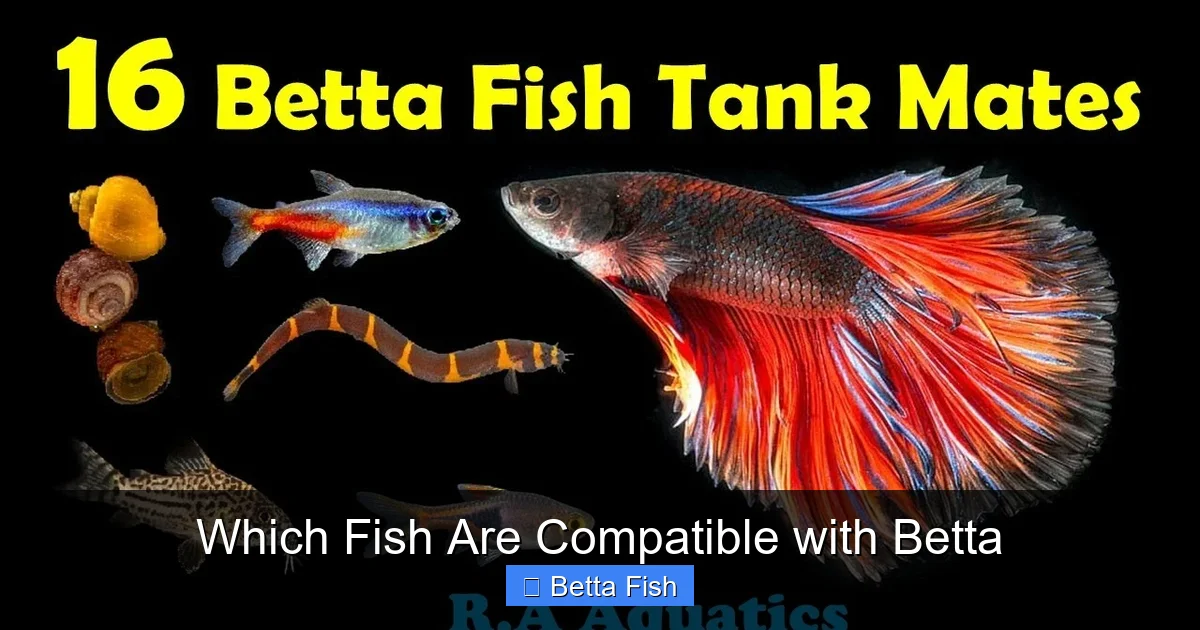
- Neon Tetras & Cardinal Tetras: The classic choice. Their small size (1.5 inches), speed, and preference for the middle of the tank make them excellent. They add a stunning shimmer of blue and red. Keep them in groups of 8+ to feel secure. Important: Ensure your tank is well-established, as they can be sensitive to water quality.
- Harlequin Rasboras: Slightly larger and hardier than neons, with a distinctive black triangle on their tail. They are active, peaceful shoalers that do very well in a betta community. School of 6+.
- Ember Tetras: Tiny, fiery orange fish that are incredibly peaceful. Their small size makes them less likely to be seen as a threat, and they add a beautiful warm color contrast. School of 8+.
- Lemon Tetras: Bright yellow, active, and robust. Their color is different enough from a typical red/blue betta to not be seen as a rival. A group of 6+ creates a lively, sunbeam-like school.
- Black Neon Tetras: More robust than their neon cousins, with a distinctive black and white stripe. They are hardy, active, and their dark coloration is not threatening to a betta.
Pro Tip: When adding any shoaler, add the school to the tank before the betta. This allows them to establish their territory and school behavior without being immediately chased by the resident betta.
Bottom Dwellers & Clean-Up Crew: The Substrate Squad
These fish occupy a completely different stratum of the tank, minimizing interaction. They are often armored or fast burrowers.
- Corydoras Catfish (“Cories”): The gold standard for betta tank mates. These adorable, armored catfish are peaceful, social, and spend all day sifting through the substrate for food. They come in many species (Pygmy, Panda, Bronze, Sterbai). Keep them in groups of 4-6. They are fascinating to watch and completely ignore bettas.
- Kuhli Loaches: Eel-like, peaceful, and nocturnal. They burrow and slither through the substrate and décor. Their unique appearance and behavior add another dimension to the tank. They are social, so keep at least 3-5.
- Otocinclus Catfish (“Otos”): The quintessential algae eater. These tiny, suckermouth catfish are peaceful and cling to glass and leaves. They are delicate and require a tank with established algae or supplemented with algae wafers. Best in groups of 3+.
- Amano Shrimp (Caridina multidentata): While not a fish, they are legendary clean-up crew. They are large (2+ inches), fast, and primarily focused on eating algae and detritus. Their color is drab (brownish), and they are mostly nocturnal, making them unlikely to provoke a betta. A small group (3-5) is ideal.
The “It Depends” Category: Invertebrates & Special Cases
This is where caution is paramount. Success with these creatures is highly dependent on your specific betta.

Visual guide about Which Fish Are Compatible with Betta
Image source: petshun.com
Freshwater Snails
Generally, snails are fantastic betta tank mates. They are slow, have no fins to nip, and are completely different biologically. Bettas may peck at a snail’s eyestalk out of curiosity, but it rarely causes harm.
- Nerite Snails: The best choice. They have a hard, often patterned shell, do not reproduce in freshwater, and are excellent algae grazers. Types include Zebra, Tiger, and Olive Nerites.
- Mystery/Apple Snails: Larger and more noticeable. They are peaceful but produce a lot of waste. Some bettas may peck at their long breathing tubes (siphons) – if this causes stress to the snail or constant flaring to the betta, it’s a problem.
- Ramshorn & Pond Snails: Can reproduce quickly. Not usually a problem with bettas, but their population can explode if overfed.
Shrimp: A High-Risk, High-Reward Gamble
Shrimp are a popular but risky choice. A curious or aggressive betta may see a shrimp as a tasty snack. Success depends on shrimp size, speed, and the betta’s temperament.
- Ghost Shrimp & Amano Shrimp: Your best shrimp bets. Ghost shrimp are large, transparent, and fast. Amanos are large and focused on algae. They have the best chance of evading a betta.
- Cherry Shrimp & Other Neocaridina: Very high risk. Their small size and bright red color make them irresistible targets for many bettas. Some bettas ignore them, but most will hunt them relentlessly. If you try, use a very large, heavily planted tank and accept that you may lose a few.
- Babaulti Shrimp: A slightly hardier, less colorful alternative to Cherry shrimp that sometimes fares better.
Critical Tip: Always provide dense moss (like Java moss) or leaf litter for shrimp to hide in and graze on biofilm. This gives them a refuge.
The Absolute “No” List: Fish to Avoid with Bettas
Some fish are simply incompatible due to genetics, behavior, or appearance. Do not attempt to house a betta with any of the following.
- Other Bettas: This includes male-with-male (fatal) and, with few exceptions, male-with-female (only for breeding under strict supervision). Female bettas can sometimes be kept in a “sorority” tank (5+ females in a 40+ gallon, heavily planted tank), but this is advanced and not for beginners.
- Guppies, Endlers, and other Livebearers with Long Fins: Their flowing, colorful tails are a direct trigger for a betta’s aggression. The betta will see them as a rival male and attack relentlessly. Short-finned guppies (like Endlers) are a slight maybe, but still risky due to color.
- Fancy, Long-Finned Fish: This includes fancy goldfish, angelfish (especially when young), and some balloon mollies. Their slow movement and elaborate fins are a red flag.
- Aggressive or Semi-Aggressive Fish: Tiger barbs, serpae tetras, and some cichlids (like convicts) are fin-nippers or will fight back against a betta, causing injury to both.
- Fish that Look Like Bettas: This is crucial. Any fish with a similar body shape and bright coloration can be targeted. This includes some gouramis (like the Dwarf Gourami – a common but risky suggestion), Paradise Fish, and even some killifish.
Setting Up for Success: The Step-by-Step Introduction
You have your 20+ gallon, heavily planted tank. You’ve chosen a school of Harlequin Rasboras and a group of Corydoras. Now, how you introduce them is critical.
Step 1: Cycle the Tank Completely
This cannot be overstated. Your tank must be fully cycled (established nitrogen cycle) weeks before any fish is added. A stable, zero-ammonia/nitrite environment reduces stress for all fish, making them less susceptible to disease and aggression. Add your shoaling fish and bottom dwellers first. Let them settle for a week or two, establishing their territories in the decorated tank.
Step 2: The Betta’s Arrival
When you bring your betta home, float the bag in the tank for 15-20 minutes to equalize temperature. Then, slowly drip-acclimate it over 1-2 hours. Never dump bag water into your tank. Gently net the betta and release it. At this point, the other fish are already established “residents.” The betta is the new “intruder” in their world, which can sometimes lead to less initial aggression from the betta, as it’s busy exploring its new, complex home.
Step 3: The Observation Period
For the first 48-72 hours, watch closely. Some flaring and posturing is normal as the betta establishes its space. Intervene only if: a) The betta is relentlessly chasing a specific fish to the point of exhaustion, b) A fish is hiding 24/7 and not eating, or c) You see physical damage like torn fins. Have a plan to separate them (a breeder net, a second tank, or returning the tank mate to the store) if things escalate. Often, the first few days are the most tense, then a fragile peace develops.
Conclusion: Patience and Observation are Your Greatest Tools
So, which fish are compatible with betta? The answer is a curated list of peaceful, fast, non-threatening species in a spacious, plant-rich environment, introduced with a careful plan. The most successful betta community tanks are those where the betta is almost an afterthought—a beautiful, centerpiece fish that coexists with a lively school of tetras and a group of busy cories, all going about their business in their respective zones.
Your journey starts with a honest assessment of your betta’s personality and a commitment to providing a 20+ gallon, heavily planted paradise. Start with the safest options: a school of neon or harlequin rasboras and a group of corydoras. From there, you can consider adding a nerite snail or two. Always have a backup plan. The reward is a dynamic, stunning aquarium that showcases the best of your betta’s character while providing a richer life for all its inhabitants. It’s a testament to the fact that with knowledge and patience, even the most notorious fish can learn to share its world.
Frequently Asked Questions
Can I put a betta with guppies?
Generally, no. Male guppies have long, colorful fins that trigger a betta’s aggression, leading to relentless chasing and fin-nipping. Even female guppies can be risky due to color. It’s best to avoid this combination entirely.
What is the smallest tank size for a betta with tank mates?
While a 10-gallon is the absolute solo minimum for a betta, for any community tank with other fish, a 20-gallon long or tall tank is the strong recommendation. This provides enough space to create distinct territories and reduce stress significantly.
Are shrimp safe with bettas?
It’s a gamble. Large, fast, and dull-colored shrimp like Amano or Ghost shrimp have the best chance. Small, brightly colored shrimp like Cherry shrimp are often seen as food and may be eaten. Success depends entirely on your individual betta’s curiosity and aggression level.
Can bettas live with other bettas?
Male bettas will fight to the death if housed together. Female bettas can sometimes be kept in a “sorority” of 5 or more in a large (40+ gallon), heavily planted tank, but this is advanced and often leads to a pecking order with injuries. For 99% of keepers, bettas should be housed alone.
How do I introduce tank mates to my betta?
The safest method is to first add your chosen peaceful shoaling fish (e.g., tetras) and bottom dwellers (e.g., cories) to the fully decorated and cycled tank. Let them settle for 1-2 weeks. Then, carefully acclimate your betta and add it last. This often reduces the betta’s initial territorial response.
What if my betta is aggressive towards its tank mates?
First, ensure the tank is large enough and heavily planted. If aggression persists after a few days, you may need to separate the betta using a tank divider or a hospital tank. Some bettas are simply too aggressive for community life and are healthier and happier living alone. Always have a backup plan.