Can Betta Fish Eat Grass
Betta fish are carnivores, not herbivores, so they don’t naturally eat grass. While a few plant‑based foods can be offered safely, real grass can cause digestive problems. Learn what’s safe, why it matters, and how to keep your betta thriving.
Key Takeaways
- Betta diet basics: Betta fish are obligate carnivores and need protein‑rich foods.
- Grass is unsafe: Real grass can cause constipation, blockages, and water quality issues.
- Safe plant options: Soft, blanched vegetables like peas, zucchini, or commercial “veggie” betta foods are acceptable.
- Supplement, don’t replace: Plant matter should only be a tiny supplement to a protein‑focused diet.
- Watch your water: Any new food can affect ammonia levels; monitor water parameters after feeding.
- Use reputable sources: Follow proven recipes and check trusted articles like What Can Betta Fish Eat.
- Observe your betta: Appetite, stool shape, and activity tell you if a food is working or harming.
Quick Answers to Common Questions
Can betta fish nibble on live aquarium plants?
They may bite soft leaves, but they won’t digest them well. It’s better to provide proper protein foods.
Is it ever okay to feed my betta a small piece of grass?
No. Even a tiny piece can cause digestive blockages and water quality issues.
What is the safest plant food for bettas?
Blanched peas, zucchini, or commercial veggie betta pellets in small amounts.
How often can I give my betta a vegetable treat?
Once or twice a week is enough; treat it as a supplement, not a staple.
Will feeding grass affect my betta’s colors?
Yes, poor nutrition from inappropriate foods can dull their bright coloration.
📑 Table of Contents
- Introduction: Why the Question Pops Up
- 1. Understanding Betta Nutrition
- 2. The Grass Question: What Happens If They Eat It?
- 3. Safe Plant‑Based Additions
- 4. How to Introduce New Foods Safely
- 5. Common Myths and Misconceptions
- 6. Practical Feeding Plan for a Healthy Betta
- Conclusion: Stick to What Works
Introduction: Why the Question Pops Up
If you’ve ever watched a betta splash around a planted tank, you might wonder, “Can betta fish eat grass?” It’s a natural thought. Grass looks green, soft, and harmless, so many hobbyists assume it’s a harmless snack. The reality is a bit more complicated. Betta fish (Betta splendens) are native to shallow, slow‑moving waters of Thailand and surrounding regions. Their wild diet is packed with insects, larvae, and tiny crustaceans – not lawn clippings.
In this guide we’ll break down the science behind a betta’s digestive system, explain why real grass is a bad idea, and show you safe plant‑based alternatives that can add variety without risking health. By the end, you’ll know exactly what to feed and what to keep out of the tank.
1. Understanding Betta Nutrition
1.1. Obligate Carnivores
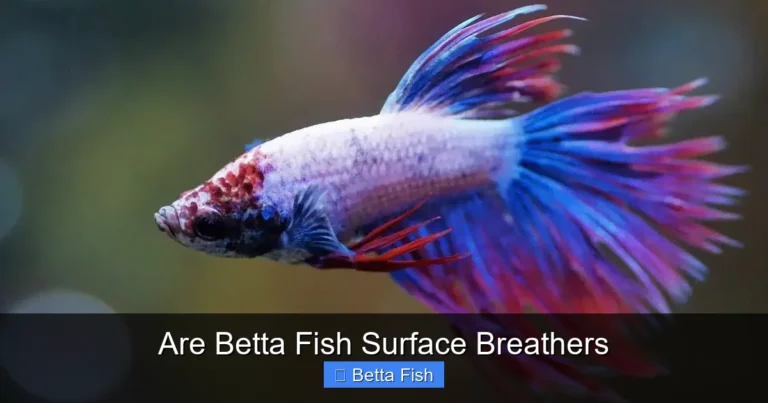
Betta fish are **obligate carnivores**, which means their bodies are built to process animal protein. Their stomachs produce enzymes that break down chitin (the shell of insects) and protein from small prey. A diet lacking these nutrients can lead to stunted growth, dull coloration, and a weakened immune system.
Visual guide about Can Betta Fish Eat Grass
Image source: images.pexels.com
1.2. What They Eat in the Wild
In the wild, bettas hunt for:
- Fly larvae
- Water beetles
- Small crustaceans (like daphnia)
- Worms and mosquito pupae
These foods are high in protein (30‑40% or more) and contain essential fatty acids that give bettas their vibrant fins.
1.3. Commercial Options
Most pet stores sell pellets, frozen foods, and live foods formulated for bettas. Look for products that list “marine fish meal,” “cricket meal,” or “shrimp” as the first ingredients. If you’re curious about the full range, check out Can Betta Fish Eat Tropical Flakes for a deeper dive.
2. The Grass Question: What Happens If They Eat It?
2.1. Digestive Mismatch
Grass is made mostly of cellulose, a fiber that bettas cannot break down efficiently. Their short intestines lack the microbial community needed to ferment plant material. When a betta gulps down grass, it can:
Visual guide about Can Betta Fish Eat Grass
Image source: insight-production-dthkezetfscvdsdt.z02.azurefd.net
- Cause **constipation** – the grass passes through whole, creating a blockage.
- Lead to **impaction** – a serious condition where the gut fills with indigestible matter.
- Increase **stress** – a stressed betta may hide, lose appetite, or develop fin‑rot.
2.2. Water Quality Impact
Decomposing plant matter releases ammonia and nitrites, spikes that can be fatal to a betta’s delicate gills. Even a single leaf of grass can raise nitrate levels if not removed quickly.
2.3. Real‑World Cases
Anecdotal reports from hobbyists describe bettas that “bloat” after being offered aquarium grass or live plants with long, fibrous stems. The fish often pass a small, dark pellet in the feces, indicating the plant passed undigested.
3. Safe Plant‑Based Additions
3.1. Why Offer Some Greens?
While bettas don’t need plants for nutrition, a tiny amount of vegetable matter can add enrichment and mimic natural foraging. The key is to choose **soft, low‑fiber** foods that are easy to digest.
Visual guide about Can Betta Fish Eat Grass
Image source: ninten-switch.com
3.2. Recommended Vegetables
- Peas (shelled, blanched): High in starch, easy on the gut. Offer a tiny pea once a week.
- Zucchini: Slice thin, blanch, and let cool. A small piece provides moisture.
- Spinach (cooked, finely chopped): Use sparingly; too much oxalic acid can affect calcium.
3.3. Commercial “Veggie” Betta Foods
Some brands sell betta pellets that include spirulina or algae. These are formulated to be safe and balanced. Always read the label to ensure animal protein remains the primary ingredient.
4. How to Introduce New Foods Safely
4.1. Start Small
Give a pea‑size portion and watch for any change in stool or behavior. If the betta eats it without issue, you can repeat after a few days.
4.2. Monitor Water Parameters
Test ammonia, nitrite, and nitrate 24‑48 hours after feeding. A spike indicates the new food is decomposing too quickly.
4.3. Remove Uneaten Food
Any leftover vegetable should be taken out within 2‑3 minutes to prevent water fouling.
5. Common Myths and Misconceptions
5.1. “Betta fish love plants, so they must eat them.”
Betta fish enjoy swimming among plants for shelter, but “loving” a plant does not equal “eating” it. Their natural instinct is to hunt, not graze.
5.2. “If a fish can nibble on algae, it can eat grass.”
Algae is a simple, mostly protein‑rich organism that many fish can digest. Grass is a complex, high‑cellulose plant that bettas cannot process.
5.3. “A little grass won’t hurt.”
Even a tiny amount can cause blockage because bettas have a small stomach (about 2‑3% of body weight). One straw‑sized piece can be too much.
6. Practical Feeding Plan for a Healthy Betta
6.1. Daily Routine
- Morning: 2‑3 high‑quality betta pellets (or frozen brine shrimp).
- Evening: Optional treat – a tiny blanched pea or a few frozen daphnia.
6.2. Weekly Enrichment
Once a week, offer a small piece of zucchini or a commercial veggie pellet. Observe your betta’s reaction and adjust accordingly.
6.3. Long‑Term Health Checks
- Check coloration – bright reds and blues indicate good nutrition.
- Watch fin condition – ragged or clamped fins may signal poor diet.
- Inspect feces – firm, dark pellets are normal; white or mushy indicates digestive upset.
Conclusion: Stick to What Works
The short answer to “Can betta fish eat grass?” is **no** – real grass is not a suitable food and can harm your fish. However, you can safely add a few soft vegetables or specially formulated veggie pellets to give your betta a bit of variety. Always prioritize high‑quality protein sources, monitor water quality, and watch your fish’s behavior. By following these guidelines, you’ll keep your betta healthy, vibrant, and thriving for years to come.
Frequently Asked Questions
Can betta fish eat grass?
No. Real grass is indigestible for bettas and can cause constipation, blockages, and water quality problems.
What plant foods are safe for betta fish?
Soft, blanched vegetables like peas, zucchini, and small amounts of commercial veggie pellets are safe when given sparingly.
Do bettas need any plant matter in their diet?
Plant matter is not required; bettas thrive on a protein‑rich diet. Vegetables are only an occasional enrichment.
How can I tell if my betta is having trouble digesting a new food?
Watch for bloating, loss of appetite, abnormal feces, or a change in swimming behavior; these may indicate digestive issues.
Will feeding grass raise ammonia levels?
Yes. Decomposing grass releases ammonia, which can quickly become toxic in a betta’s small tank.
Where can I learn more about safe betta foods?
Visit our guide What Can Betta Fish Eat for a full list of recommended foods and feeding tips.