Which Color Betta Fish Is Lucky
The idea of a “lucky” betta fish color is deeply rooted in cultural symbolism, not scientific fact. Across Southeast Asian traditions, vibrant reds and rich blues are most frequently associated with good fortune, prosperity, and positive energy. While any healthy, happy betta can bring joy to its owner, choosing a color that resonates with you personally is the true key to a rewarding companionship. Focus on proper care, and your beautiful betta will be your lucky charm regardless of its hue.
Key Takeaways
- Cultural Symbolism Varies: The “luckiest” betta color depends on cultural context; red is prized in Thailand for vitality, while blue represents calm and stability in some Western interpretations.
- No Scientific “Lucky” Color: A betta’s color does not influence its health, temperament, or lifespan. Luck is a human belief projected onto the fish.
- Red & Blue Are Most Common: These intense, solid colors are historically linked to luck and are the most frequently cited “fortunate” hues in folklore and modern belief.
- Personal Resonance Matters: The color that makes you feel happy and connected is the “luckiest” for you, as it enhances the emotional bond and enjoyment of pet ownership.
- Health Trumps Color: A vibrant, clear color is a sign of good health. A “lucky” betta is first and foremost a healthy one with flowing fins and active behavior.
- Multicolored Fish Have Unique Stories: Patterns like Koi or Marble are admired for their artistry and uniqueness, with some aquarists seeing their ever-changing patterns as a form of dynamic fortune.
- Focus on Care, Not Color: Providing a proper tank, clean water, and a good diet is the surest way to ensure your betta thrives, making any fish a source of pride and “luck.”
📑 Table of Contents
- The Great Betta Color Debate: More Than Just Pretty Scales
- Decoding the Colors: What Each Hue Symbolizes
- The Science Behind the Scales: Color vs. Health & Temperament
- Choosing Your “Lucky” Betta: A Practical Guide
- Beyond Color: What Truly Makes a Betta Thrive (The Real Luck Formula)
- Conclusion: Your Lucky Charm is the One You Love
The Great Betta Color Debate: More Than Just Pretty Scales
So, you’re thinking about bringing a betta fish home. You’ve probably been mesmerized by those flowing, silk-like fins and those eyes that seem to hold a universe of personality. As you scroll through pages of dazzling colors—fiery reds, oceanic blues, metallic greens, and fantastical mixes—a thought might sneak into your mind: Which color betta fish is lucky? It’s a wonderful, almost poetic question. It blends our love for these creatures with ancient human desires for symbolism and good fortune. But before we dive into the kaleidoscope of possibilities, let’s set the foundation. The concept of a “lucky” betta color is not a rule of biology or aquaculture. It is a story, a belief, a tradition woven into the cultural fabric of the regions where bettas, or Siamese fighting fish, have been cherished for centuries. This article will be your complete guide through that story. We’ll explore the cultural origins of betta luck, decode what each major color family symbolizes, separate myth from science, and ultimately help you choose the perfect betta—not based on superstition, but on connection, health, and the kind of joy you want to bring into your life.
A Splash of History: Bettas and Belief in Southeast Asia
To understand why certain colors are deemed lucky, we must travel back to the rice paddies and slow-moving waters of Thailand (formerly Siam) and Cambodia, the betta’s native homeland. For over a thousand years, people there have admired wild bettas (Betta splendens) for their aggressive nature and, crucially, their brilliant colors. These fish were not just pets; they were status symbols and participants in betting matches, much like rooster fights. The most vibrant, ferocious, and reddish-hued males were the most prized. This historical preference cemented the color red in the public consciousness as the color of the champion, the survivor, the one full of lai (a Thai concept encompassing power, energy, and charisma). A red betta in a home was thought to embody this victorious, fiery spirit, warding off negative influences and bringing passion and success to the household. It’s this deep, historical link between the color red and perceived vitality that forms the bedrock of the “lucky betta” idea.
Decoding the Colors: What Each Hue Symbolizes
Now, let’s swim through the color wheel. While red holds the crown in many traditional tales, other colors have their own devoted followings and symbolic meanings, often shaped by local folklore, Feng Shui principles, and modern Western interpretation. Remember, these are symbolic associations, not guarantees. They are the stories we tell about these beautiful creatures.
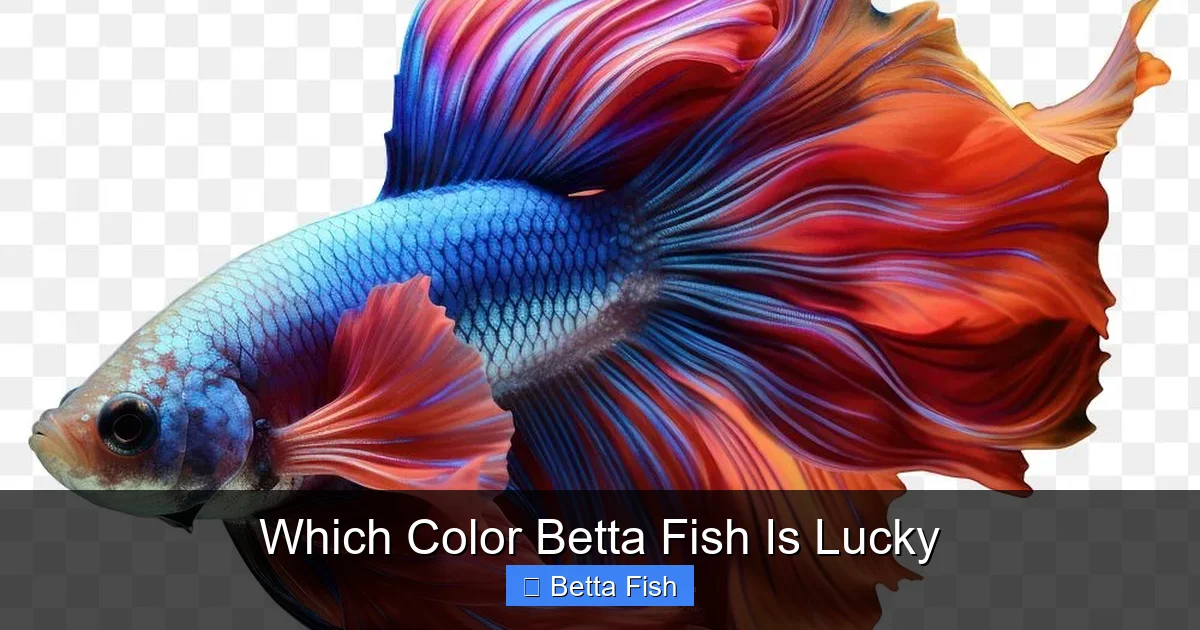
Visual guide about Which Color Betta Fish Is Lucky
Image source: images.rawpixel.com
The Undisputed Champion: Red
If there’s a frontrunner in the “luckiest betta” race, it’s the solid, deep red betta. This color is the classic, the icon. In Thai culture, a bright red betta is seen as a symbol of unbridled energy, courage, and romantic love. It’s the color of fire and the life force. For Feng Shui practitioners, red represents the element of fire and is associated with fame, reputation, and passion. Placing a vibrant red betta in the south sector of your home (the fame area) is a common practice to enhance recognition and success. A red betta is believed to inject dynamic, yang energy into a space, making it feel alive and active. Its boldness is seen as a protective shield, making it a popular choice for those seeking a “guardian” spirit in aquatic form.
The Serene Guardian: Blue
Blue bettas, especially the stunning steel blue or royal blue varieties, carry a different, yet equally powerful, symbolic weight. Blue is the color of water, sky, depth, and calm. In many cultures, it represents tranquility, trust, peace, and stability. From a Feng Shui perspective, blue is linked to the water element and the career sector (north). A blue betta is thought to bring a soothing, yin energy, balancing the fiery intensity of a red one. It’s seen as a guardian of the home’s emotional peace, helping to reduce stress and foster clear communication. For someone living a hectic life, a blue betta symbolizes a desired state of calm and wisdom. Its cool elegance is associated with longevity and steadfastness.
The Royalty and Wealth: Purple, Lavender, and Violet
Historically, purple dye was rare and expensive, reserved for royalty and the very wealthy. This association has bled into the symbolism of purple bettas. A fish with deep violet, lavender, or magenta hues is often connected to nobility, luxury, spiritual insight, and wealth. In Feng Shui, purple is a color of universal healing and high-vibration energy. A purple betta is seen as a bringer of abundance—not just material wealth, but a richness of spirit and creativity. It’s a less common color in the betta world, which adds to its aura of exclusivity and special fortune. Those who choose a purple betta might be seeking to attract more magic, mystery, and artistic inspiration into their lives.
The Earthy Harmonizer: Yellow and Orange
Bright yellow and sunny orange bettas radiate pure, uncomplicated joy. These colors are directly tied to the sun, harvest, and happiness in most cultural symbolisms. A yellow betta is believed to attract optimism, good cheer, and financial luck. In some interpretations, yellow/gold is the color of actual gold and coins, making it a direct symbol of prosperity and wealth accumulation. Orange, a blend of red’s passion and yellow’s joy, symbolizes enthusiasm, creativity, and encouragement. These fish are thought to bring a warm, welcoming energy to a home, lifting spirits and fostering a sense of plentifulness. They are the “happy charm” of the betta world.
The Mystic and the Rare: White, Copper, and Pastels
White bettas, particularly the rare and coveted Koi or Marble varieties with white bases, carry complex symbolism. In Eastern traditions, white can represent purity, mourning, or the spiritual realm. A white betta with other colors might be seen as a clean slate, a blank canvas for new beginnings, or a spirit guide. Copper bettas, with their metallic, shimmering scales, are associated with protection, strength, and resilience. Their color evokes the durability of metal. Pastel bettas—soft pinks, mint greens, peaches—are modern creations through selective breeding. They symbolize gentleness, love, and nurturing energy. Their softness is seen as calming and heart-opening, rather than powerful or protective. The rarity of these colors often adds a layer of “special” fortune simply because they are harder to find.
The Ultimate Fortune: Multicolored and Koi Bettas
Here’s where personal interpretation truly shines. A betta with multiple colors—like the famous Koi betta with its red, white, and black patches resembling a koi fish—is a masterpiece of nature (and selective breeding). In Japanese culture, koi fish are legendary symbols of perseverance, courage, and good luck. They swim upstream, transforming into dragons. A Koi-patterned betta inherits this powerful narrative. It represents a life full of varied experiences, resilience, and ultimate transformation. For many aquarists, a multicolored betta is the luckiest simply because its unique, ever-changing pattern (some marbles change over time) feels like a living, dynamic good luck charm, full of surprises and stories. It symbolizes a rich, multifaceted life.
The Science Behind the Scales: Color vs. Health & Temperament
Now, let’s pop the bubble of myth with a dose of biology. Does a red betta have a better chance of living longer or being friendlier than a blue one? The scientific answer is a firm no. A betta’s color is determined by layers of pigment cells (chromatophores) in its skin—specifically melanin (black/brown), xanthophores (yellow/orange), and iridophores (blue/reflective). The combination and dominance of these layers create the stunning array we see. This genetic lottery has no direct correlation with the fish’s underlying health, immune system strength, or genetic predisposition for aggression or docility.
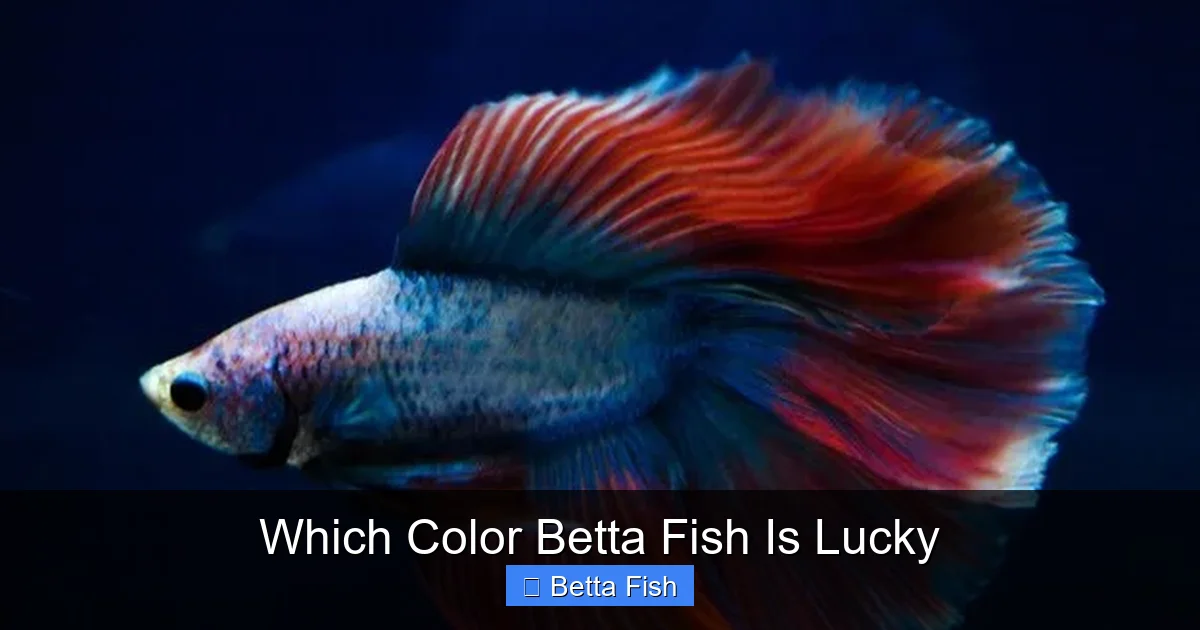
Visual guide about Which Color Betta Fish Is Lucky
Image source: img.freepik.com
Vibrancy is the True Indicator of “Lucky”
Here’s the critical connection: a vibrant, clear, and intense color is a direct sign of a healthy betta. Poor water quality, stress, illness, or nutritional deficiencies will cause a betta’s colors to fade, become dull, or develop patches of missing pigment (like “fin rot” or “body rot”). So, when you see a betta with a stunning, jewel-toned color, you are literally seeing a fish that is thriving. In this sense, choosing a vibrant fish of any color is choosing a lucky fish—a fish blessed with good health by its previous caretaker. Your job is to maintain that health. A dull-colored betta, regardless of its “lucky” hue, is likely stressed or unwell, which is the opposite of the prosperous energy you might seek.
Temperament is Individual, Not Chromosomal
The famous betta aggression is also not color-dependent. A flaring red male can be just as docile (or just as feisty) as a blue one. Temperament is influenced by individual personality, genetics from its specific lineage (some breeder lines are bred for aggression, others for calm), and, most importantly, its environment. A bored betta in a tiny cup will be stressed and aggressive. A betta in a properly sized, enriched tank with appropriate tank mates (or as a solo artist) will be curious, active, and peaceful. Don’t choose a color based on a myth about its behavior. Instead, observe the fish in the store: is it alert, swimming smoothly, and not excessively flaring at its reflection? That’s a good sign, no matter the color.
Choosing Your “Lucky” Betta: A Practical Guide
Okay, we’ve explored the symbolism and debunked the hard science. So how do you actually choose your betta? The most “lucky” choice is the one that results in a healthy, happy fish that brings you joy for years. Here’s your action plan.

Visual guide about Which Color Betta Fish Is Lucky
Image source: c8.alamy.com
Step 1: Prioritize Health Over Hue
This is non-negotiable. When you look at a betta, assess its health first. Look for:
- Clear, bright eyes (not cloudy or bulging).
- Undamaged, flowing fins (no tears, black edges, or fuzzy growths).
- Smooth, intact scales with no missing patches or raised areas.
- Active swimming with no struggling to reach the surface for air (bettas need access to air).
- A healthy body condition—not emaciated, not bloated.
- Vibrant color that matches the fish’s advertised pattern.
A fish that fails these checks is not lucky, no matter how “auspicious” its color might be. You’re bringing a potential problem home. A healthy fish is the foundation of all luck.
Step 2: Match Color to Your Space and Mood
Now, with health confirmed, let’s talk aesthetics and feeling. Consider your home environment:
- For a bright, energetic room: A fiery red or orange betta will complement the energy.
- For a calm, serene space (bedroom, office): A blue, lavender, or pastel betta will enhance the tranquility.
- For a dark or minimalist tank setup: A white, yellow, or bright blue betta will pop dramatically.
- For a heavily planted, natural aquascape: A multicolored Koi or a deep purple betta can look like a gemstone amidst the greenery.
Choose a color that you will love looking at every day. This personal resonance is a powerful form of “luck” because it increases your daily happiness and engagement with your pet.
Step 3: Understand the Pattern, Not Just the Base Color
Betta colors are complex. You’ll hear terms like “Butterfly” (a solid body with colored fin edges), “Marbling” (patterns that change over time), “Koi” (specific patchy patterns), and “Solid.” A “red” betta might actually be a red butterfly. A “blue” might be a steel blue with iridescent scales. Research the specific pattern you’re drawn to. Some patterns, like the Koi, are highly sought after and can be more expensive due to their artistic appeal and unpredictability. Decide if you want a classic, steady solid color or a dynamic, ever-changing marble pattern. This pattern choice is part of your unique “lucky” betta’s identity.
Beyond Color: What Truly Makes a Betta Thrive (The Real Luck Formula)
Here is the great secret: the luckiest betta is the one that is **properly cared for**. No amount of symbolic color can compensate for a poor environment. This is where you, the owner, become the source of its good fortune. A thriving betta is a daily spectacle of life and beauty, which in itself is the greatest luck.
The Tank: More Than a Vase
The biggest myth is that bettas live in tiny cups. This is cruel and the opposite of lucky. A minimum of 5 gallons for a single betta is the standard. This provides stable water parameters, room to explore, and dilutes toxins. A filtered tank with a heater (maintaining 78-80°F/25-27°C) is essential. Add live or silk plants for hiding and resting at the surface (they need a perch to breathe). A secure lid is a must—they are jumpers. This proper home is the first and most important step to your betta’s “fortune.”
The Diet: Premium Fuel for Vibrancy
High-quality betta pellets or frozen foods (brine shrimp, daphnia, bloodworms) are key. Overfeeding pollutes the water. Feed only what they can eat in 2-3 minutes, once or twice a day. A well-nourished betta will display its best colors, have boundless energy, and build a strong immune system. Good nutrition is the direct cause of that “lucky” vibrant appearance.
The Routine: Consistency is Key
Perform weekly water changes (25-50% in a filtered tank), clean the substrate with a gravel vacuum, and monitor water parameters (ammonia, nitrite, nitrate should be 0). Test kits are inexpensive and crucial. A stable, clean environment prevents disease. A betta living in pristine conditions is a resilient, joyful fish—a true lucky charm in your home.
Conclusion: Your Lucky Charm is the One You Love
So, which color betta fish is lucky? The answer, woven through centuries of tradition and modern science, is beautifully simple: the one that captures your heart and is given a thriving home. If you feel a pull toward the fiery passion of a red betta, embrace it. If the serene blue speaks to your soul, welcome it. If a multicolored Koi’s unique artistry fascinates you, that is your fortune. The cultural symbolism provides a wonderful starting point—a story to connect with. But the real magic happens when you look past the color to the living, breathing personality within. When you provide the proper 5-gallon tank, the warm water, the nutritious food, and the clean environment, you are the source of its luck. And in return, your betta—whatever its hue—will reward you with its breathtaking beauty, its interactive curiosity, and the quiet, daily wonder of keeping a piece of aquatic art alive. That, more than any old wives’ tale, is the truest luck of all.
Frequently Asked Questions
Is there a scientifically proven “luckiest” betta color?
No. There is no scientific evidence that a betta’s color affects its lifespan, health, or ability to bring fortune. The idea of “lucky” colors is based in cultural symbolism, personal belief, and folklore, not biology.
What is the most popular “lucky” betta color and why?
Red is widely considered the most popular “lucky” color, especially in Southeast Asian traditions where bettas originated. Its deep association with energy, vitality, and the historical preference for red fighting fish has cemented its status as a symbol of power and good fortune.
Should I choose a betta based on its “lucky” color or its health?
Always prioritize health. A vibrant, clear color is actually a sign of a healthy fish. Choose a betta that is active, has undamaged fins, and clear eyes first. Once you have a healthy fish, you can select the color that resonates with you personally.
Do multicolored or Koi bettas have special luck?
Koi and multicolored bettas are often seen as especially lucky due to the legendary status of the koi fish in Japanese culture, symbolizing perseverance and transformation. Their unique, sometimes changing patterns are also viewed as dynamic and artistic, which many find personally fortuitous.
Can the color of my betta fish affect the energy of my home according to Feng Shui?
According to Feng Shui principles, different colors represent different elements and energies. For example, red (fire) can enhance fame and passion in the south, while blue (water) can support career in the north. If you follow Feng Shui, you would choose a color to balance or enhance the energy of a specific area in your home.
If I buy a “lucky” color betta, will it live longer or be easier to care for?
No. A betta’s color has no bearing on its lifespan or care requirements. All bettas, regardless of color, have the same basic needs: a heated, filtered tank of at least 5 gallons, a proper diet, and clean water. The “luck” comes from providing excellent care, not from the fish’s hue.