Where Should I Put My Betta Fish Tank
Placing your betta fish tank correctly is critical for its health and happiness. The ideal location balances stable temperature, appropriate light, low stress, and safety from hazards. Avoid direct sunlight, drafty areas, high-traffic zones, and noisy appliances. The right spot ensures your betta thrives, not just survives.
Key Takeaways
- Light is a double-edged sword: Provide a consistent day/night cycle with indirect light, but never place the tank in direct, unfiltered sunlight which causes deadly algae blooms and overheating.
- Temperature stability is non-negotiable: Bettas need warm, consistent water (76-82°F). Avoid windows, exterior walls, and drafty areas to prevent dangerous temperature swings that stress your fish.
- Stable, level surface is foundational: The tank must sit on a perfectly flat, sturdy, and level surface (like a dedicated aquarium stand) to prevent stress fractures and leaks.
- Minimize stress from activity: Place the tank away from doors, busy hallways, and noisy appliances (TVs, speakers) to reduce vibrations and sudden movements that frighten your betta.
- Consider the room’s function: Kitchens are risky due to fumes and temperature fluctuations. Bedrooms can work if drafts and noise are managed. Living rooms are often ideal if the tank is out of direct traffic.
- Think vertically: Bettas are labyrinth fish that need access to the water’s surface for air. Ensure nothing blocks the top of the tank and that there’s adequate clearance above it.
- Safety first: Keep the tank away from small children and curious pets without supervision. Also, ensure electrical outlets are safe from splashes and the stand’s weight capacity is never exceeded.
📑 Table of Contents
- Introduction: More Than Just a Pretty Corner
- The Light and Its Impact: Friend or Foe?
- The Temperature Tightrope: A Delicate Balance
- Stability and Vibration: The Unseen Stressors
- Traffic, Safety, and the Betta’s Peace of Mind
- Aesthetics and Room Integration: Making it Work for You
- Special Considerations for Betta Biology
- Conclusion: Your Betta’s Sanctuary Awaits
Introduction: More Than Just a Pretty Corner
So, you’ve decided to welcome a betta fish into your home. You’ve picked out a stunning tank, maybe even decorated it with live plants and a cozy hideout. You have the perfect food, the right filter, and a heater waiting to be plugged in. But before you fill that tank with water and introduce your new aquatic friend, there’s one crucial decision that can make or break its long-term health and happiness: where you put it.
It’s tempting to simply plop the tank on the first empty shelf or side table that fits. However, the location of your betta fish tank is arguably one of the most important factors in its care. An improperly placed tank can lead to chronic stress, temperature-related illnesses, aggressive behavior, and a constant battle with algae. The right spot, however, creates a stable, serene environment that allows your betta’s vibrant colors to shine and its fascinating personality to flourish. This isn’t about interior design; it’s about creating a true sanctuary. Let’s dive into the science and practicalities of finding that perfect place.
The Light and Its Impact: Friend or Foe?
Light is one of the most powerful influences on an aquarium ecosystem. For your betta, it regulates its sleep-wake cycle, influences its activity levels, and drives the photosynthesis of any live plants. But light from the wrong source or in the wrong intensity can quickly turn from beneficial to destructive.
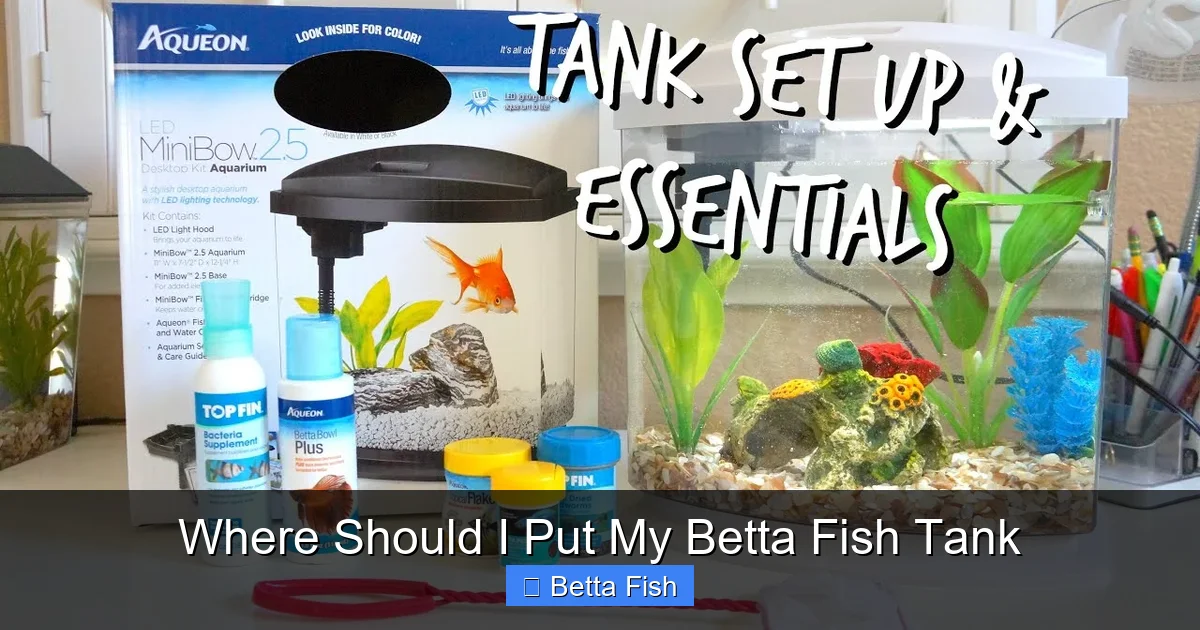
Visual guide about Where Should I Put My Betta Fish Tank
Image source: i.ytimg.com
The Peril of Direct Sunlight
This is the number one rule, and it’s a hard-and-fast one: never place your betta tank in direct, unfiltered sunlight from a window. The consequences are swift and severe.
- Algae Apocalypse: Sunlight is the ultimate fertilizer. A few hours of direct sun will trigger explosive algae growth—green water, hair algae, stubborn spot algae—turning your clear tank into a murky mess. Cleaning becomes a daily chore, and the ecosystem balance is destroyed.
- Overheating Oven: Even on a cool day, sunlight magnified through glass can raise water temperature rapidly and unpredictably. A betta’s metabolism is sensitive; overheating leads to stress, lethargy, and can even be fatal, especially in smaller tanks where water volume heats up faster.
- Temperature Rollercoaster: A sunlit tank will heat up during the day and cool down drastically at night. This constant fluctuation is incredibly stressful for your tropical fish, weakening its immune system.
Practical Tip: If you love the look of a sunlit room, position the tank so it receives bright, indirect light from a window, or use sheer curtains to diffuse the rays. Always monitor your tank temperature with a reliable stick-on thermometer.
Artificial Light: Duration and Intensity
Most aquarium kits come with LED lighting. This is your primary tool for controlling the photoperiod. Bettas, like most fish, need a clear distinction between day and night.
- Duration: Aim for 8-10 hours of light per day. More than this, especially without live plants competing for nutrients, will fuel algae. Use a simple outlet timer to automate this—it’s one of the best investments for a low-maintenance tank.
- Intensity: Your betta doesn’t need stadium-bright lighting. A moderate intensity is perfect. If you have live plants, research their specific light needs. For a betta-only or silk-plant tank, a softer light is often sufficient and less likely to cause stress. Observe your fish: if it constantly hides when the light is on, it may be too bright.
Remember: The light fixture itself generates some heat. On small, open-top tanks, this can slightly warm the water. Factor this in when using your heater.
The Temperature Tightrope: A Delicate Balance
Betta splendens are tropical fish native to the warm, shallow waters of Southeast Asia. Their ideal water temperature is a steady 76-82°F (24-28°C). This isn’t a suggestion; it’s a biological requirement. A cold betta is a sluggish, immunocompromised betta, prone to diseases like dropsy and fin rot. The location of your tank is the first line of defense in maintaining this critical parameter.
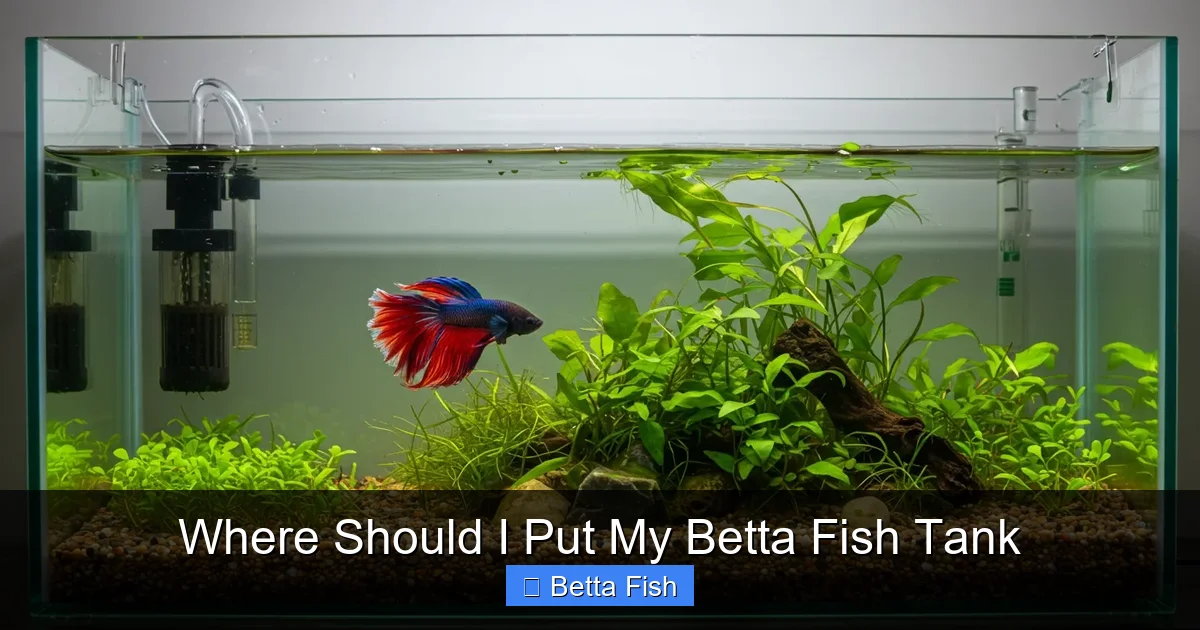
Visual guide about Where Should I Put My Betta Fish Tank
Image source: img.houseui.com
Heat Sources and Drafts: The Invisible Killers
Your heater is a powerful tool, but it can only work so hard against environmental factors. Placement is key to helping it do its job efficiently.
- Avoid Windows and Exterior Walls: These are the coldest surfaces in a home, especially at night or in winter. A tank against an uninsulated outer wall will lose heat rapidly, forcing your heater to work overtime (wasting energy) and potentially failing to keep up, creating cold spots.
- Beware of Drafts: That subtle breeze from under a door, a nearby air conditioning vent, or a frequently opened window is a silent temperature assassin. Drafts create localized cold water that can shock your betta. Ensure the tank is not in the path of any consistent airflow.
- Stay Away from Heat Sources: Just as you avoid cold, you must avoid unpredictable heat. Do not place the tank next to radiators, fireplaces, space heaters, or on top of warm electronics (like a cable box or gaming console). This causes dangerous, uneven heating and can cook your fish.
Optimal Placement for Temperature Control
The best spot for temperature stability is an interior wall, away from windows and doors. An interior room (like a spare bedroom, office, or a quiet corner of the living room) naturally has more stable ambient temperatures. The tank should also be at least a few feet away from any HVAC vents blowing hot or cold air. The goal is to create a “buffer zone” where the room’s temperature is consistent, allowing your heater to maintain a steady 78°F without constant cycling.
Myth Busting: A common myth is that bettas can live in a “heated room” without a heater. This is false and dangerous. Room temperature is rarely consistent or warm enough. A reliable, properly sized aquarium heater with a thermostat is essential equipment for a healthy betta, regardless of placement.
Stability and Vibration: The Unseen Stressors
Imagine living in a building where the floor constantly rumbled. That’s the reality for a fish in a tank on an unstable surface. Fish are incredibly sensitive to vibrations and sudden movements transmitted through their water. Chronic vibration leads to severe, long-term stress.

Visual guide about Where Should I Put My Betta Fish Tank
Image source: petshun.com
The Stand: Your Tank’s Foundation
This cannot be stressed enough: your tank must be on a dedicated, level, and sturdy aquarium stand or piece of furniture designed to hold the weight of water (water weighs 8.34 lbs per gallon, plus substrate, decor, and the tank itself). A wobbly end table, a flimsy bookshelf, or a hollow-core door is a recipe for disaster.
- Level is Law: An uneven stand puts unequal pressure on the glass seams. Over time, this can cause a leak or, in the worst case, a catastrophic tank failure. Use a bubble level on all sides of the tank rim to ensure it’s perfectly level.
- Weight Capacity: Know your tank’s total weight (a 10-gallon tank with everything can easily exceed 100 lbs). The stand must have a capacity significantly higher than this. When in doubt, over-engineer.
- Material Matters: Solid wood or metal stands are best. Avoid particleboard or MDF that can swell if it ever gets wet.
Sources of Harmful Vibration
Even on a perfect stand, the tank’s location can expose it to constant shaking.
- High-Traffic Areas: Hallways, entryways, and areas near frequently used doors cause vibrations from footsteps. Each footfall sends a shockwave through the floor and into the tank.
- Appliances: Washing machines, dryers, dishwashers, and even large refrigerators create substantial vibrations during cycles. Keep the tank far from these.
- Subwoofers and Loud Music: Low-frequency bass vibrations are particularly distressing to fish. A tank on the same floor as a home theater subwoofer is a bad idea.
Practical Test: Once you think you’ve found a spot, stand near the tank and have someone walk across the room or run a nearby appliance. Look at the water. Do you see ripples or movement that isn’t from the filter? If so, find a new location.
Traffic, Safety, and the Betta’s Peace of Mind
A betta fish is a living being, not a decoration. Its psychological well-being is directly tied to its environment. A tank in a chaotic, unpredictable location will result in a stressed, skittish, and possibly aggressive fish.
The High-Traffic Trap
While it’s lovely to have your betta as a focal point, a constant parade of people, pets, and activity is a major stressor.
- Constant Shadows and Movement: Every person walking past creates a moving shadow over the tank. In the wild, large, fast-moving shadows signal predators. Your betta will instinctively retreat and hide, often becoming nocturnal (active only at night) to avoid this perceived threat.
- Aggression and Flaring: Some bettas, especially males, will react to constant “intruders” by flaring their gills and charging at the glass. This is a sign of extreme stress and territorial defense. Over time, this can weaken the fish and lead to injury (from crashing into the glass or decor).
- Boredom and Depression: Paradoxically, a tank in a dead-end corner with no visual stimulation can also lead to a lethargic, bored betta. They are intelligent and curious. The ideal spot offers a balance: some visual interest from the room (so they see you, but not a constant stream of strangers) and a clear line of sight to retreat to its plants.
Safety from Children and Pets
This is a non-negotiable safety issue for both your betta and your other animals.
- Children: Small children are naturally curious and may bang on the glass, overfeed, or try to “play” with the fish. The tank must be placed where an adult can always supervise interaction. A high stand (within adult reach but out of a child’s) is often a good solution for a family room.
- Cats: Cats are natural predators. A betta’s flowing fins are irresistible. A cat batting at the tank can cause the betta to jump in panic (betta can jump!), stress it to death, or break the glass. Ensure the tank has a secure, tight-fitting lid (betta are skilled escape artists) and is placed where a cat cannot easily perch on top or bat at it.
- Dogs: While less likely to directly harm through the glass, a large dog’s tail or excited jumping near a small stand can knock the tank over. Placement on a solid, low-to-the-ground surface away from dog play zones is wise.
Aesthetics and Room Integration: Making it Work for You
Let’s be honest: you have to live with this tank too. It’s part of your home’s decor. The good news is, with careful planning, you can create a stunning aquatic display that is also a perfect, healthy habitat for your betta. This is about merging your needs with the fish’s non-negotiable requirements.
The “Command Center” Approach
Think of the tank as a piece of living art. Where do you want to enjoy it? Common choices and their pros/cons:
- Living Room: Pros: High traffic means you see the fish often (good for betta socialization), often has the best ambient light (indirect). Cons: Must be out of the direct path of people to avoid stress; need to manage TV/entertainment system glare and vibrations. Solution: Place on a side wall, not the main walkway, and use a mat under the stand to dampen minor vibrations.
- Bedroom: Pros: Typically quiet, stable temperature at night, personal and serene. Cons: Potential for drafts from windows/doors; heater noise might bother light sleepers; must ensure the light cycle doesn’t disrupt your sleep if you have a bright LED. Solution: Position away from windows, use a silent heater model, and set the light timer to turn off when you sleep.
- Home Office: Pros: You’re in the room all day, providing visual companionship for your betta. Usually stable temperature and low traffic. Cons: Be mindful of computer heat/EMF? (minimal impact), ensure you take breaks to look at the fish! Solution: This is often an excellent, low-stress location.
- Kitchen: Generally the worst choice. Pros: None for the fish. Cons: Temperature fluctuates wildly from cooking, oven heat, and fridge cycles. Fumes from cooking (oils, aerosols) coat the water surface, reducing oxygen exchange. Risk of chemical contamination from cleaners. High risk of accidental bumping. Avoid if possible.
Practical Aesthetic Integration
Once you’ve identified a functionally suitable spot (interior wall, stable, low vibration), make it beautiful.
- Height Matters: The tank should be at a comfortable viewing height—neither too high on a tall cabinet (causing neck strain) nor too low on the floor (making it easy to forget). A standard 30-36 inch tall stand is ideal for seated viewing.
- Backdrop and Surrounds: A simple, dark background on the back wall (black poster board, painted wall) makes colors pop and hides cords. Keep the area around the stand tidy; a messy shelf behind the tank detracts from the view.
- Clearance: Leave at least 2-3 inches of space on all sides (especially behind and the sides) for maintenance access—filter changes, water tests, cleaning algae. Never push a tank tightly into a corner where you can’t reach the back.
Special Considerations for Betta Biology
Bettas are unique fish with specific needs that directly influence tank placement. Their status as labyrinth fish (they breathe air from the surface) and their territorial nature add important layers to our placement decisions.
Surface Access is Sacred
A betta must have unimpeded access to the water’s surface to gulp air. This seems obvious, but it’s easily overlooked in placement planning.
- No Overhangs: Do not place the tank under a shelf, mantelpiece, or low ceiling fixture. There must be clear air space above the water.
- Lid Design: If you use a lid (highly recommended to prevent jumps and reduce evaporation), ensure any openings or hinged sections are large enough for your betta to comfortably surface. Avoid mesh lids that are too fine.
- Plant Placement: While floating plants are great, don’t create a solid, impenetrable mat that forces the betta to fight for air. Leave at least one open “breathing hole” at the surface.
The “Territory” Factor
A betta’s tank is its entire world. In the wild, a male betta defends a small territory of plants and debris. In captivity, this territory is defined by the tank’s boundaries and its decor.
- Visual Barriers: Place your tank so your betta has at least one solid “wall” it doesn’t have to monitor. If the tank is in the middle of a room with 360-degree views, the betta feels exposed and must constantly patrol all sides, leading to stress. Position it so one side is against a wall, providing a sense of security.
- Reflections: Glass tanks act like mirrors from the inside. If the tank is placed where it reflects a busy room, your betta may see “rivals” (its own reflection or other fish) on all sides, causing constant flaring and agitation. Angle the tank slightly or use a background on the sides to break up reflections.
- Sight Lines: Consider what your betta “sees” from inside the tank. A constant, looming shadow of a person or pet passing right in front can be terrifying. A side placement, where activity is more peripheral than direct, is often less intimidating.
Conclusion: Your Betta’s Sanctuary Awaits
Choosing a home for your betta fish tank is one of the most impactful care decisions you will make. It’s the foundation upon which water quality, temperature stability, and mental well-being are built. Rushing this step or prioritizing convenience over the fish’s needs will lead to a cycle of reactive care—fighting algae, treating illness, and managing a stressed pet.
Take the time to observe your home with a new lens. Find that interior wall, away from the window’s glare and the hallway’s bustle. Invest in a truly sturdy, level stand. Test for vibrations with a simple hand-on-glass check. By creating a place of quiet stability, you are not just setting up a tank; you are crafting a sanctuary. In return, your betta will reward you with its dazzling displays of fin, its curious exploration of its plants, and the quiet companionship of a healthy, thriving life. That perfect spot is out there—now you know exactly how to find it.
Frequently Asked Questions
Can I put my betta tank near a window for natural light?
No, you should avoid direct, unfiltered sunlight from a window. It causes rapid, uncontrollable algae growth and can dangerously overheat the water. Use artificial light on a timer instead for a safe, consistent day/night cycle.
Is a bedroom a good place for a betta tank?
A bedroom can be a good choice if it has a stable interior temperature away from windows and doors (to avoid drafts). Ensure the heater noise is not disruptive to your sleep and that the tank’s light cycle aligns with your own bedtime.
How far from an air conditioner or heater vent should the tank be?
Keep the tank at least 3-5 feet away from any HVAC vent blowing direct hot or cold air. These drafts create temperature shock zones that are extremely stressful for your betta. An interior wall location is usually safest.
My tank is on a sturdy table, but I still see ripples when someone walks by. What should I do?
This indicates harmful vibration. You need to move the tank to a more stable location on a lower-traffic floor (e.g., away from hallways). Consider placing a foam pad or piece of carpet under the tank/stand to help dampen minor vibrations from the floor.
Can I put my betta tank in the kitchen?
It is strongly discouraged. Kitchens have temperature fluctuations from cooking, fumes that coat the water surface, and a high risk of chemical contamination from cleaners. The constant activity and risk of bumps also make it a poor choice for a betta’s sensitive nature.
Does the height of the tank placement matter?
Yes. The tank should be at a comfortable viewing height (typically on a 30-36 inch stand) so you can easily observe your betta without straining. More importantly, ensure there is at least 2-3 inches of clearance above the tank for air circulation, maintenance access, and to prevent heat buildup from the light fixture.