How Can I Breed My Betta Fish
Breeding betta fish requires the right tank setup, healthy male and female bettas, and careful attention to water conditions and temperature. This guide walks you through every step, from preparing the breeding tank to caring for betta fish fry. You will learn how to spot breeding behavior, support successful spawning, and keep your baby fish healthy and thriving.
Breeding betta fish is one of the most rewarding experiences a fish keeper can have. If you have been wondering how can I breed my betta fish, you are in the right place. This guide covers everything you need to know, from setting up the perfect tank to caring for tiny betta fish fry. Let us walk through the process together, step by step.
Betta fish breeding is not as hard as many people think. With the right betta fish breeding conditions, a little patience, and some basic knowledge, you can successfully raise healthy baby bettas. Whether you are a beginner or an experienced hobbyist, this betta fish breeding guide will give you the confidence and tools you need. Let us dive in and explore each phase of the breeding journey.
Key Takeaways
- Set up a dedicated breeding tank: A small, warm tank with gentle filtration creates the ideal environment for betta fish mating and egg laying.
- Choose healthy male and female bettas: Look for vibrant colors, active behavior, and proper age to ensure successful breeding.
- Watch for bubble nests and courtship: These are clear signs your bettas are ready to spawn and the process is going well.
- Separate the female after spawning: Removing the female protects her from aggression by the male betta fish.
- Feed fry tiny, frequent meals: Baby bettas need infusoria or liquid fry food multiple times a day for healthy growth.
- Maintain pristine water quality: Regular water changes and stable parameters are essential for betta fish fry survival.
- Avoid common mistakes: Skipping the conditioning phase or using the wrong tank setup can lead to failed breeding or lost fry.
📑 Table of Contents
Understanding Betta Fish Breeding Basics
Before you start, it helps to understand the basics of betta fish mating and reproduction. Knowing what to expect makes the whole process smoother and more enjoyable.
What You Need to Know About Betta Fish Breeding
Betta fish are known as bubble nest builders. The male betta creates a nest of bubbles at the surface of the water. This nest is where the eggs will be placed after the female lays them. Understanding this natural behavior is the first step toward successful betta fish breeding.
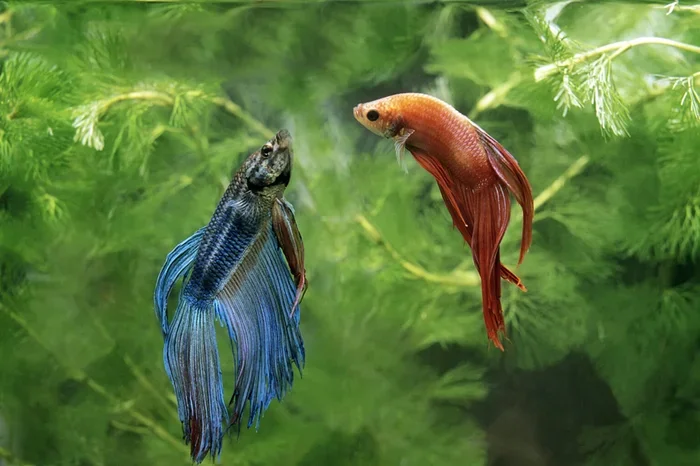
Male and female bettas look different. Males have longer, flowing fins and more vivid colors. Females are smaller with shorter fins and a visible white egg spot near their belly. Recognizing these differences helps you pick the right pair for breeding.
The betta fish breeding cycle typically follows a pattern. First, you condition the fish with high-quality food. Then you introduce them to the breeding tank. Courtship begins, followed by spawning. After the eggs are laid and fertilized, the male collects them in his bubble nest. The whole process can take a few days, and careful attention makes all the difference.
Ideal Betta Fish Breeding Age
Both male and female bettas should be at least four to six months old before breeding. Breeding too young can cause health problems and reduce the chances of successful spawning. A healthy, mature betta fish will have a much better outcome.
Preparing the Breeding Tank Setup
The right tank setup is essential for successful betta fish mating. A proper environment reduces stress and encourages natural breeding behavior.
Tank Size and Equipment
A breeding tank should be around ten gallons. This size gives the fish enough room without making it hard to maintain water quality. You will need a gentle filter, a heater, and a thermometer. If you are wondering can I use a filter with my betta fish, the answer is yes, but choose a sponge filter with very gentle flow. Strong currents can stress both the male and female during the breeding process.
A heater is critical because warm water triggers breeding behavior. Keep the temperature between 78 and 82 degrees Fahrenheit. Use a thermometer to monitor the water closely. Stable temperature is one of the most important factors in betta fish breeding conditions.
Water Parameters and Quality
Clean, well-conditioned water is a must. The pH should be around 6.5 to 7.0, and the water should be soft to moderately hard. Before introducing your fish, cycle the tank for at least two weeks. This establishes beneficial bacteria that keep the water safe.
Use a water conditioner to remove chlorine and chloramines from tap water. Many fish keepers ask can I use tap water in my betta fish bowl. The short answer is yes, but only after treating it with a quality conditioner. For breeding, always use the best water possible to support healthy eggs and fry.
Adding Plants and Hiding Spots
Live or silk plants are great additions to the breeding tank. They give the female places to hide if the male becomes too aggressive. Java moss and floating plants also help create a natural feel. Avoid sharp plastic plants that could injure the fish during courtship.
Introducing Male and Female Betta Fish
Getting the male and female bettas ready is a key part of the process. Proper introduction leads to better results and healthier fish.
Conditioning the Fish
Conditioning means feeding both fish high-quality, protein-rich food for one to two weeks before breeding. Use live or frozen brine shrimp, bloodworms, or daphnia. This builds up their energy and prepares their bodies for spawning. Good nutrition is the foundation of healthy betta fish mating.
During conditioning, keep the male and female in separate containers. This prevents early aggression and lets each fish build strength. Watch for signs of readiness. A healthy male will start building a bubble nest. A healthy female will show a rounded belly and white egg spot.
The Introduction Process
When both fish look ready, it is time to introduce them. Place the breeding tank in a quiet area with dim lighting. Use a divider or clear container to separate the male and female at first. Let them see each other for a few hours a day over one to two days.
If you notice flaring and chasing, that is normal. It is part of the courtship process. But if either fish shows signs of extreme stress, separate them and try again later. A calm approach leads to better results. Some keepers also ask can I put my betta fish together for breeding. The answer is yes, but only under the right conditions and with close supervision.
The Breeding Process and Spawning
Once the male and female are together, the actual breeding process begins. Knowing what to look for helps you support the fish without interfering too much.
Recognizing Courtship Behavior
Courtship is a beautiful thing to watch. The male will wrap his body around the female in a behavior called the embrace. During this embrace, the female releases eggs and the male fertilizes them. This can happen several times over a few hours.
Watch for these signs of healthy betta fish courtship:
- The male builds a large, firm bubble nest at the surface
- The female develops a visible egg tube
- Both fish display vibrant colors
- The male chases the female gently without injuring her
Egg Laying and the Bubble Nest
After each embrace, the female will release a small group of eggs. The male collects them in his mouth and places them gently in the bubble nest. A healthy female can lay between 30 and 100 eggs in a single session.
If the bubble nest breaks apart, do not panic. The male will rebuild it. Just keep the water surface still by turning off any strong filter flow during this phase. A stable surface helps the male protect the eggs and keep the nest intact.
When to Remove the Female
Once the female has released all her eggs, remove her from the tank immediately. The male betta fish can become aggressive after spawning. Leaving the female in the tank risks injury. Use a small container or breeding trap to safely transfer her back to her own tank.
After removing the female, let the male care for the eggs. He will patrol around the bubble nest, picking up any eggs that fall and placing them back. This is fascinating to watch and a sign that things are going well.
Caring for Betta Fish Fry
The eggs will hatch within 24 to 48 hours. At this stage, the male continues to care for the fry. But soon, you will need to take over to give the babies the best start in life.
Hatching and Early Fry Care
For the first two to three days, the fry will absorb their yolk sacs for nutrition. Do not feed them during this time. Once the yolk sac is fully absorbed, they will need tiny food. This is where many beginners struggle, so preparation is key.
Infusoria is the ideal first food for betta fish fry. You can culture it at home or purchase it from a pet store. Other good options include liquid fry food or finely crushed flake food. Feed the fry small amounts two to three times a day. Overfeeding can quickly dirty the water and harm the babies.
Water Changes and Tank Maintenance
Clean water is vital for fry survival. Perform small water changes of about 10 to 20 percent every day. Use a turkey baster or sponge to gently remove waste without sucking up the tiny fry. Maintaining stable betta fish water parameters during this stage cannot be overstated.
If you are concerned about water quality, remember that purified water can be a good option when conditioned properly. Always match the temperature and parameters of the main tank water during changes.
Growth Milestones and Moving Fry
Within the first week, the fry will start swimming more actively and growing tiny fins. By two weeks, they will look like miniature versions of adult bettas. At around four weeks, you can begin offering slightly larger food like baby brine shrimp.
When the fry reach about one month old, you can start separating them into individual containers. This prevents aggression and gives each fish room to grow. By three to four months, the young bettas will be ready to be placed in their own permanent tanks.
Common Mistakes to Avoid When Breeding Betta Fish
Even experienced fish keepers can make mistakes. Knowing what to avoid saves time, money, and heartache.
- Skipping the conditioning phase: Underfed or unhealthy fish are less likely to breed successfully. Always condition both the male and female for at least one week.
- Using too large a tank: A huge tank makes it hard for the male to find and protect the eggs. Stick to a ten-gallon breeding tank.
- Leaving the female too long: The male can injure the female after spawning. Remove her promptly once all eggs are laid.
- Overfeeding the fry: Excess food rots quickly and spikes ammonia levels. Small, frequent feedings are always better.
- Ignoring water quality: Dirty water is the number one killer of betta fish fry. Stay on top of daily water changes.
- Disturbing the bubble nest: Avoid tapping on the tank or creating strong surface currents. A stable nest is essential for healthy eggs.
If you ever notice a fish showing signs of distress, check out this article on how can I tell if my betta fish is sick to learn the warning signs. Early detection can save lives during the sensitive breeding process.
Final Thoughts on Breeding Betta Fish
Breeding betta fish is a journey that requires patience, preparation, and care. From choosing the right male and female betta fish to setting up the perfect breeding tank, every step matters. By following the guidelines in this guide, you give yourself the best chance of raising healthy, happy baby bettas.
Remember that not every breeding attempt will be perfect. Even experienced breeders sometimes face challenges. What matters most is learning from each experience and improving over time. Celebrate the small wins, like the first bubble nest or the first batch of wriggling fry.
If you ever need to care for a struggling fish during the process, check out how to revive a betta fish for helpful tips. And always keep learning. The more you understand about betta fish breeding behavior, the more successful you will become.
Start with these steps, stay consistent, and enjoy the incredible experience of bringing new life into your aquarium. Happy breeding!
Frequently Asked Questions
How long does the betta fish breeding process take?
The entire process from conditioning to fry independence takes about four to six weeks. Courtship and spawning can happen within a few days once the fish are introduced, and the eggs hatch within one to two days after fertilization.
How many eggs does a female betta fish lay at once?
A healthy female betta can lay between 30 and 100 eggs in a single spawning session. The number depends on her age, health, and how well she has been conditioned before breeding.
Can I breed betta fish in a bowl?
It is not recommended. A small bowl makes it very difficult to maintain stable water conditions and temperature. A dedicated ten-gallon breeding tank gives the fish the space and stability they need for successful betta fish breeding.
What should I feed betta fish fry?
Start with infusoria or liquid fry food for the first week. After that, you can introduce baby brine shrimp and finely crushed flake food. Feed small amounts two to three times a day to support healthy growth.
Why is my male betta fish not building a bubble nest?
A male that is not building a bubble nest may be too young, unhealthy, or not properly conditioned. Make sure the water temperature is warm enough, around 78 to 82 degrees, and that the male is receiving high-quality food during the conditioning phase.
Can I breed betta fish in warm tap water?
You can use tap water, but it must be treated with a conditioner to remove harmful chemicals. Many keepers ask can I put my betta fish in warm tap water, and the answer is yes after proper conditioning. Always test and adjust the parameters before adding fish to the breeding tank.
=== END FAQS ===