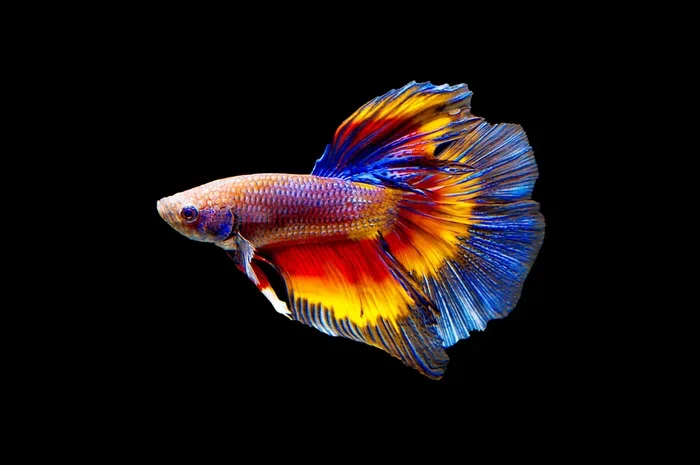
How Long Do Twin Tail Halfmoon Betta Fish Live

Twin tail halfmoon betta fish typically live between 3 and 5 years with proper care. Their lifespan depends heavily on tank conditions, diet, water quality, and genetics. By understanding their specific needs, you can help your halfmoon betta live a long, vibrant, and healthy life.
Twin tail halfmoon betta fish are some of the most stunning freshwater aquarium fish you can keep. Their dramatic fins and beautiful color patterns make them a favorite among hobbyists. But if you are thinking about bringing one home, you probably want to know how long do twin tail halfmoon betta fish live.
The honest answer is that their lifespan depends on several key factors. With the right care, these beautiful fish can thrive for several years. But poor conditions can cut their life short surprisingly fast. In this guide, we will cover everything you need to know about twin tail halfmoon betta lifespan, from tank setup to diet and common health risks.
Key Takeaways
- Average Lifespan: Twin tail halfmoon bettas live 3 to 5 years when kept in optimal conditions.
- Tank Setup Matters: A heated, filtered tank of at least 5 gallons dramatically extends their life.
- Diet Plays a Role: Feeding a varied, high-quality diet prevents malnutrition and disease.
- Water Quality Is Critical: Regular water changes and stable parameters reduce stress and illness.
- Genetics Influence Longevity: Sourcing fish from reputable breeders improves the chances of a longer life.
- Common Health Issues: Knowing the signs of common betta diseases helps you act fast and save your fish.
📑 Table of Contents
- Understanding the Twin Tail Halfmoon Betta Breed
- How Long Do Twin Tail Halfmoon Betta Fish Live on Average
- Setting Up the Perfect Tank for Your Halfmoon Betta
- Diet and Nutrition for a Longer Life
- Common Health Issues That Can Shorten Lifespan
- Gender Differences in Twin Tail Halfmoon Betta Lifespan
- How to Maximize Your Twin Tail Halfmoon Betta’s Lifespan
- Where to Buy a Healthy Twin Tail Halfmoon Betta
- Conclusion
Understanding the Twin Tail Halfmoon Betta Breed
The twin tail halfmoon betta is a specific variety of the Siamese fighting fish. What makes them special is their unique tail configuration. Instead of one tail, they have two distinct lobes that spread out like a half circle. This gives them a graceful, flowing appearance in the water.
These fish belong to the Betta splendens species. They were selectively bred over many generations to develop their elaborate fins and vivid colors. The halfmoon refers to the tail fin, which should spread to form a perfect 180-degree arc. This breed is prized in the aquarium hobby for its elegance and charm.
What Makes Twin Tail Halfmoons Different
Not all bettas look the same. The twin tail variant stands out because of its split caudal fin. Here are some traits that define this breed:
- Tail Shape: Two distinct lobes forming a half-circle or “D” shape.
- Fin Length: Long, flowing fins that drag slightly behind them as they swim.
- Color Variations: Available in solid colors, bi-colors, marbles, and iridescent patterns.
- Body Size: Typically 2 to 3 inches long, not counting the fins.
These physical features are beautiful, but they also come with a downside. Long fins can make swimming harder and more tiring for the fish. This is one reason why their care needs to be extra careful. You need to provide a calm environment with gentle water flow.
How Long Do Twin Tail Halfmoon Betta Fish Live on Average
When people ask about how long do twin tail halfmoon betta fish live, the short answer is 3 to 5 years. However, some individuals have been known to reach 6 years with exceptional care. The average lifespan really depends on the conditions they are kept in from day one.
Compared to other betta varieties, twin tail halfmoons have a similar lifespan range. The average betta fish lifespan falls between 3 and 5 years as well. The tail type does not dramatically change how long they live. What matters most is the environment and daily care you provide.
Factors That Influence Betta Fish Lifespan
Several factors play a big role in determining how long your halfmoon betta will live. Let us break them down:
- Tank Size: A larger tank provides more stable water conditions and room to swim.
- Water Temperature: Bettas need warm water between 76 and 82 degrees Fahrenheit.
- Water Quality: Clean, ammonia-free water prevents infections and stress.
- Diet: A balanced diet keeps the immune system strong.
- Genetics: Fish from healthy breeding lines tend to live longer.
- Stress Levels: A peaceful tank with no aggressive tankmates reduces stress.
Each of these factors connects to the others. For example, a small tank leads to poor water quality, which causes stress, which weakens the immune system. That is why setting up the right environment from the start is so important.
Setting Up the Perfect Tank for Your Halfmoon Betta
The tank you choose for your twin tail halfmoon betta directly affects how long it will live. A proper setup mimics their natural habitat and keeps them healthy. Let us walk through the essentials.
Tank Size Requirements
Many people make the mistake of keeping bettas in tiny bowls. This is one of the fastest ways to shorten your fish’s life. A tank of at least 5 gallons is the minimum recommended size. The 5-gallon tank is considered the sweet spot for betta fish.
Here is why size matters so much:
- Stable Water Parameters: Larger volumes of water dilute toxins more effectively.
- Swimming Space: Halfmoon bettas with long fins need room to move comfortably.
- Enrichment: A bigger tank allows you to add plants and decorations for mental stimulation.
- Temperature Stability: More water stays at a consistent temperature longer.
Filtration and Heating
Your twin tail halfmoon betta needs both a filter and a heater. But the filter should not be too strong. Bettas are not strong swimmers because of their long fins. A gentle sponge filter works best. It provides biological filtration without creating a harsh current.
The heater should maintain a steady temperature between 76 and 82 degrees Fahrenheit. Fluctuations in temperature cause stress and weaken the immune system. A reliable aquarium thermometer helps you monitor conditions daily.
Plants and Decorations
Adding live or silk plants gives your betta places to rest and explore. Halfmoon bettas love to hover near the surface, so floating plants like frogbit or water lettuce are great choices. Avoid sharp decorations that can tear their delicate fins.
Diet and Nutrition for a Longer Life
What you feed your twin tail halfmoon betta has a direct impact on its health and longevity. A poor diet leads to malnutrition, organ failure, and a shortened lifespan. On the other hand, a varied diet keeps your fish vibrant and active.
Best Foods for Halfmoon Bettas
Bettas are carnivorous by nature. They need protein-rich food to thrive. Here are the best food options:
- High-Quality Betta Pellets: Look for pellets with fish meal as the first ingredient. These should make up the staple of their diet.
- Frozen or Live Bloodworms: A great treat that provides protein and encourages natural hunting behavior.
- Brine Shrimp: Another excellent treat that is easy to digest.
- Daphnia: Helps with digestion and adds variety to the diet.
Feed your betta 2 to 3 small meals per day. Only give them what they can eat in 2 to 3 minutes. Overfeeding is one of the most common mistakes betta owners make. It leads to bloating, constipation, and poor water quality from uneaten food.
Feeding Schedule Tips
Consistency matters when it comes to feeding your halfmoon betta. Try to feed at the same times each day. This helps regulate their digestion and keeps their energy levels stable. Skip one feeding day per week to give their digestive system a break.
Common Health Issues That Can Shorten Lifespan
Even with the best care, twin tail halfmoon bettas can fall ill. Knowing the warning signs helps you catch problems early. Early treatment often makes the difference between a full recovery and a tragic loss.
Fin Rot and Tail Rot
Fin rot is one of the most common diseases in betta fish. It causes the fins to look ragged, discolored, or to melt away. Poor water quality is the leading cause. Treating it early with aquarium salt or medication can save your fish.
Ich (White Spot Disease)
Ich shows up as tiny white spots on the body and fins. It is caused by a parasite that thrives in stressed fish. Raising the temperature slowly to 82 degrees and adding aquarium salt can help treat mild cases.
Swim Bladder Disorder
This condition makes it hard for the fish to swim properly. They may float upside down or struggle to stay upright. Overfeeding is the most common trigger. Feeding peas (with the skin removed) can help relieve constipation related to swim bladder issues.
How to Prevent Illness
Prevention is always better than cure. Here is how you can protect your halfmoon betta from illness:
- Perform Weekly Water Changes: Replace 25 to 30 percent of the water every week.
- Test Water Parameters Regularly: Keep ammonia and nitrite at zero, and nitrate below 20 ppm.
- Quarantine New Fish: If you add new fish to your tank, quarantine them first to prevent disease spread.
- Avoid Overcrowding: Bettas do best alone or with very peaceful, small tankmates.
- Maintain a Consistent Routine: Regular feeding and cleaning schedules reduce stress.
If you want to learn more about keeping your betta healthy in different setups, check out this guide on how long betta fish live in a tank for more detailed care tips.
Gender Differences in Twin Tail Halfmoon Betta Lifespan
You might wonder if male and female twin tail halfmoon bettas live for different lengths of time. The answer is yes, there can be slight differences. Male halfmoon bettas tend to have longer, more elaborate fins, which makes them slightly more vulnerable to fin damage and infections.
Female halfmoon bettas generally have shorter fins and a slightly sturdier body. This can sometimes translate to a marginally longer lifespan. If you want to compare the two, you can read more about how long female betta fish live to understand the differences better.
Overall, both males and females can live 3 to 5 years with proper care. The gender difference is small and often comes down to the individual fish and its care routine rather than biology alone.
How to Maximize Your Twin Tail Halfmoon Betta’s Lifespan
Now that you know the key factors, let us put it all together. Here is a practical checklist to help your halfmoon betta live as long as possible.
Daily Care Routine
- Feed small amounts twice a day.
- Check the temperature and make sure it stays between 76 and 82 degrees Fahrenheit.
- Observe your fish for any signs of lethargy, loss of color, or abnormal behavior.
- Remove any uneaten food within a few minutes.
Weekly Care Routine
- Perform a 25 to 30 percent water change.
- Vacuum the substrate to remove debris and waste.
- Test the water for ammonia, nitrite, and nitrate levels.
- Trim any dead or decaying plant leaves.
Monthly Care Routine
- Clean the filter media gently in old tank water (never tap water).
- Inspect equipment like heaters and thermometers.
- Assess your fish’s overall body condition and fin health.
Following these routines consistently is the best thing you can do for your betta. It might seem like a lot at first, but it quickly becomes second nature. The reward is a healthy, happy fish that brings you joy for years.
If you are curious about how long betta fish can survive in different situations, you might enjoy learning about how long betta fishes live in various environments and setups.
Where to Buy a Healthy Twin Tail Halfmoon Betta
The source of your betta fish matters more than most people realize. Pet stores often keep bettas in poor conditions for extended periods. This stress can weaken their immune system before you even bring them home.
Instead, look for reputable breeders who specialize in betta fish. A healthy fish from a good breeder has a better chance of living a long, vibrant life. When choosing your fish, look for these signs of good health:
- Bright, vivid colors: Dull coloring can signal stress or illness.
- Intact fins: Fins should be whole and flowing, not torn or ragged.
- Active behavior: A healthy betta explores its environment and responds to movement.
- Good appetite: The fish should eagerly accept food.
- Clean body: No white spots, redness, or visible parasites.
Buying from a trusted source gives your twin tail halfmoon betta the best possible start in life. It is an investment in their longevity and well-being.
Conclusion
So, how long do twin tail halfmoon betta fish live? With the right care, your beautiful halfmoon betta can live 3 to 5 years, and sometimes even longer. The key is to focus on the things that truly matter: tank size, water quality, diet, and stress reduction.
These stunning fish are a joy to keep, and they reward your effort with vibrant colors and graceful swimming. By following the care tips in this guide, you give your betta the best chance at a long and healthy life. Take the time to set up their home properly, feed them well, and watch over their health daily. Your twin tail halfmoon betta will thank you with years of beauty and companionship.
Frequently Asked Questions
What is the average lifespan of a twin tail halfmoon betta fish?
The average lifespan of a twin tail halfmoon betta fish is 3 to 5 years. With exceptional care, some individuals have been known to reach 6 years. The key factors that influence this are tank size, water quality, diet, and genetics.
Can twin tail halfmoon bettas live longer than 5 years?
Yes, it is possible for twin tail halfmoon bettas to live beyond 5 years. This usually happens when the fish is kept in a well-maintained tank with a balanced diet and stable water conditions. Sourcing your fish from a reputable breeder also improves the odds of a longer life.
Why do some twin tail halfmoon bettas die early?
Many twin tail halfmoon bettas die early because of poor living conditions. Common causes include small bowls without filtration, untreated tap water, overfeeding, and sudden temperature changes. Stress and disease from these conditions weaken the fish and shorten their lifespan significantly.
Does the twin tail gene affect how long betta fish live?
The twin tail gene itself does not directly shorten a betta’s lifespan. However, some genetic traits associated with elaborate finnage can make the fish more prone to fin damage and infections. Overall, proper care matters far more than the specific tail type when it comes to longevity.
What tank size is best for a twin tail halfmoon betta?
A tank of at least 5 gallons is the best choice for a twin tail halfmoon betta. A larger tank provides more stable water conditions and gives the fish room to swim. Avoid keeping them in tiny bowls or vases, as these lead to poor water quality and stress.
How can I tell if my twin tail halfmoon betta is aging?
Signs of aging in twin tail halfmoon bettas include faded colors, slower movement, and decreased appetite. Older fish may also develop cloudy eyes or frayed fins. Providing excellent care throughout their life helps slow down the aging process and keeps them comfortable in their senior years.