Where Buy Betta Fish
Finding the right place to buy a betta fish is crucial for its health and your enjoyment. This guide explores all your options, from local pet shops and dedicated breeders to reputable online retailers. You’ll learn exactly what to look for to ensure you bring home a vibrant, healthy fish, how to spot unethical sellers, and the key questions to ask before purchasing. Making an informed choice supports better animal welfare and sets you up for long-term success as a betta keeper.
Key Takeaways
- Local fish stores and dedicated breeders are often the best first choice. They allow you to see the fish’s health firsthand, get specific advice, and support local businesses with expertise.
- Big-box pet stores can be a mixed bag. While convenient and often affordable, bettas are frequently poorly cared for; meticulous inspection is absolutely required if you choose this route.
- Reputable online retailers offer convenience and variety but require research. Look for clear health guarantees, live arrival guarantees, transparent husbandry practices, and positive, independent reviews.
- Always inspect a betta for signs of health before buying. Key indicators include vibrant color, active swimming, undamaged and flowing fins, clear eyes, and no visible signs of disease like fuzzy patches or clamped fins.
- Ask the right questions regardless of where you shop. Inquire about water parameters, feeding routines, how long the fish has been in the store, and their return or health guarantee policy.
- Avoid sellers with consistently poor conditions or no guarantee. If a seller cannot or will not provide basic information about the fish’s health and history, it’s a major red flag to walk away.
- Your purchase choice impacts fish welfare. Supporting ethical sellers who provide proper care encourages better industry standards and helps combat the mistreatment common in the betta trade.
📑 Table of Contents
- The Critical First Step: Why Your Betta’s Source Matters More Than You Think
- Your Local Options: Pet Stores, Breeders, and Swap Meets
- Navigating the Online World: A Safe Shopper’s Guide
- The Art of Inspection: How to Choose a Healthy Betta Fish
- Beyond the Fish: Ethical Considerations and Red Flags
- Preparing for Your New Arrival: Setting Up for Success
- Conclusion: Your Purchase is a Promise
The Critical First Step: Why Your Betta’s Source Matters More Than You Think
Let’s be honest: choosing where to buy your betta fish is one of the most important decisions you’ll make as a new owner. It’s not just about finding the prettiest fish or the lowest price. The source directly determines your new pet’s initial health, stress levels, and even its long-term temperament. A betta purchased from a neglected, overcrowded tank is already starting life on the wrong foot, potentially carrying hidden diseases or chronic stress that can lead to a short, sickly life. Conversely, a fish from a reputable source has been given a strong foundation, making it hardier and more resilient as you transition it to your carefully prepared aquarium. Think of it this way: you wouldn’t adopt a dog from a puppy mill, so why would you accept a fish from a “betta mill”? The conditions these beautiful fish endure in the wholesale pipeline are often shocking. By being a discerning buyer, you cast a vote with your wallet for humane treatment and better care standards across the entire industry. This guide will equip you with the knowledge to make that vote count.
Your Local Options: Pet Stores, Breeders, and Swap Meets
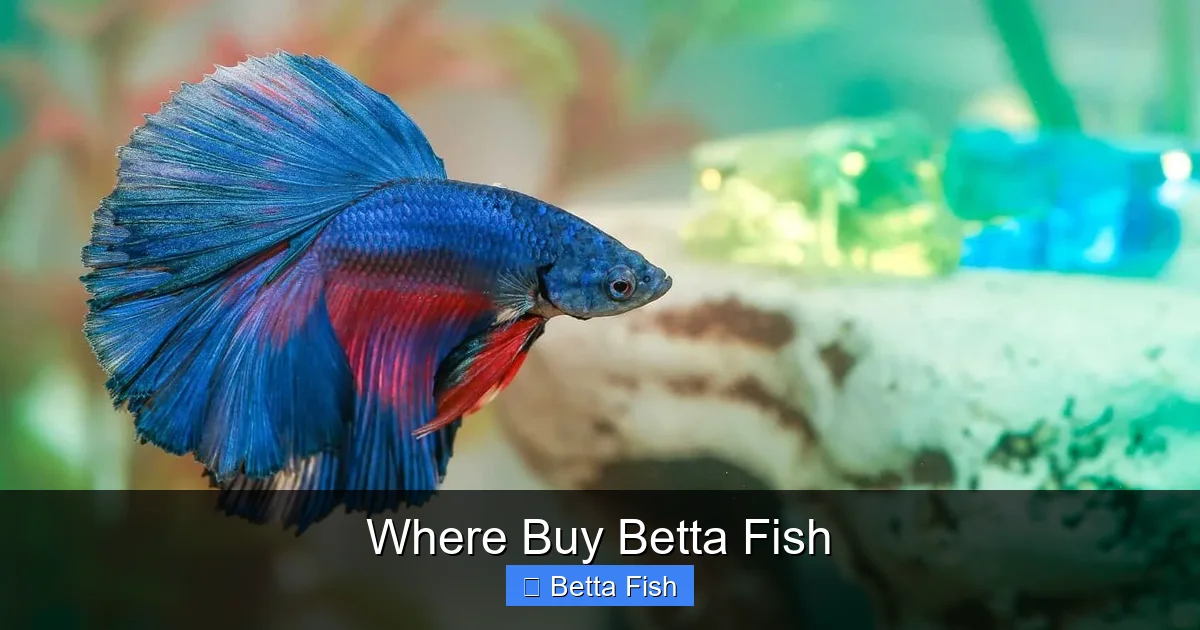
Shopping locally offers the undeniable advantage of seeing the fish with your own eyes before any money changes hands. You can assess the tank conditions, ask immediate questions, and avoid the stress and risk of shipping. However, not all local options are created equal. Let’s break down the landscape.
Visual guide about Where Buy Betta Fish
Image source: fishkeepingworld.com
The Dedicated Local Fish Store (LFS)
This is your gold standard for local purchasing. A true Local Fish Store is staffed by passionate aquarists who know their inventory. The bettas are typically kept in individual, heated containers (often in a dedicated “betta barracks” system) with clean water and regular care. You’ll find a variety of colors and fin types, and the staff can offer invaluable, specific advice about your chosen fish’s personality and needs. They often source from local or regional breeders with good reputations. Building a relationship with a good LFS means you have a lifelong resource for advice, medications, and quality stock. The price might be slightly higher than a big box, but you’re paying for expertise and ethical sourcing.
The Big-Box Pet Store: Proceed with Extreme Caution
We’ve all seen them: rows of tiny, colorful cups on a shelf. While stores like PetSmart, Petco, and large supermarket chains have made bettas accessible to millions, their standard care model is notoriously poor. Bettas are often shipped as “shelf stock,” left in tiny, unheated cups for weeks, fed sparingly, and subjected to constant stress and fluorescent lighting. This does not mean you can never find a healthy betta here, but it means your inspection must be surgical. You must be prepared to ask store management to remove the fish from its cup for a closer look. Look for a fish that is actively exploring, with full, unclamped fins and bright color. Avoid any with torn fins, fuzzy white patches (possible fungal infection), velvet (gold dust appearance), or a lethargic demeanor. Be aware that even a healthy-looking fish from these stores may be suffering from chronic stress or latent illness due to its prior conditions.
Local Breeders and Hobbyists
Seeking out a local, private betta breeder is often the absolute best way to get a high-quality, genetically sound, and well-socialized fish. These are not commercial operations but passionate individuals who breed for specific traits, color, or fin type. They usually raise their fry in optimal conditions, provide exceptional care, and can tell you everything about a fish’s lineage and temperament. You can often see the parent fish and the setup. Finding these breeders requires digging—search for local aquarium society meetings, check online forums like Reddit’s r/bettafish for your region, or ask at a quality LFS for breeder referrals. The fish may cost more ($30-$100+ for show-quality), but you are investing in a premium pet and supporting a true artisan.
Aquarium Club Meetings & Swap Meets
Local aquarium clubs often hold auctions or swap meets where members sell fish and equipment. This can be a fantastic source to find healthy, home-raised bettas from experienced keepers. The environment is transparent, and you can talk directly to the keeper about the fish’s history. However, selection is unpredictable and depends on who is selling that day. It’s a great option if you’re flexible and enjoy the community aspect of the hobby.
Navigating the Online World: A Safe Shopper’s Guide
The internet has revolutionized access to bettas, offering stunning varieties you’d never see locally. But with great variety comes great risk. Shipping is inherently stressful for fish, and a poor-quality seller can turn that stress into tragedy. Here’s how to navigate online shopping safely.

Visual guide about Where Buy Betta Fish
Image source: tankarium.com
Identifying Truly Reputable Online Betta Retailers
A flashy website is not a guarantee of quality. Look for these concrete signs of a reputable operation:
- Detailed Husbandry Information: The site should describe how their bettas are housed (heated, filtered, individual containers), what they are fed (high-quality pellets, frozen foods like brine shrimp), and their water change routine.
- Clear, Honest Photos: Photos should be of the actual fish you will receive, not generic stock images. Multiple angles are a good sign.
- Robust Guarantees: Look for a Live Arrival Guarantee (usually requiring you to be present at delivery and unbox immediately) and a Health Guarantee (often 14-30 days). Understand the terms—what requires proof, what is covered.
- Transparent Shipping Policies: They should ship overnight or 1-day only, use insulated boxes with heat/cold packs as needed, and have strict cutoff times for shipping to avoid weekend delays.
- Strong, Independent Reviews: Read reviews on third-party sites like Google, Trustpilot, and dedicated fish forums. Be wary of only glowing testimonials on the seller’s own site.
Examples of well-regarded online operations in the U.S. include Betta Fish USA, Aquabid (which functions as a marketplace, so vet individual sellers), and various specialized breeders with Etsy shops. Always do your due diligence on any specific seller.
The Red Flags of Online Scams and Poor Care
Run, don’t walk, from any site or seller that exhibits these warning signs:
- Prices that seem too good to be true. A $15 “half-moon” betta with perfect color shipped overnight is almost certainly a scam or coming from horrific conditions.
- No information about their fish-keeping practices. Vague or missing details about housing and feeding are a huge red flag.
- Using generic, stolen photos. Reverse-image search a few fish photos. If they appear on dozens of other sites, it’s a dropshipping scam—you’re not buying from a real fish keeper.
- Poor or non-existent customer service. Do they respond to pre-purchase questions? Are they evasive about guarantees?
- Shipping via ground transit (2-5 days). This is unacceptable for live fish and a sure sign of an unethical operator.
The Art of Inspection: How to Choose a Healthy Betta Fish
Whether you’re peering into a cup at a store or unboxing a shipment, your ability to assess health is your superpower. Here is your step-by-step checklist, from general impression to fine details.

Visual guide about Where Buy Betta Fish
Image source: japanesefightingfish.org
The Overall “Vibe” and Activity Level
First, take a holistic look. A healthy betta should show curiosity and mild aggression (flaring at its reflection or your finger). It should be swimming smoothly and purposefully, not hovering listlessly at the top (a sign of swim bladder issues or poor water quality) or bottom (could be constipation, infection, or stress). It should react to your presence near the tank or cup.
A Fin and Body Inspection
Now, get specific. Examine the entire fish:
- Fins: They should be full, flowing, and undamaged. Look for tears, holes, ragged edges (fin rot), or a white, cottony growth (fungus). Fins should not be clamped tightly against the body—this is a classic sign of severe stress or illness.
- Body: The body should be smooth, streamlined, and free of lumps, bumps, or sores. Watch for “pineconing” (raised scales, a sign of dropsy, which is often fatal).
- Color: Color should be vibrant and even. Faded, dull, or patchy color can indicate stress, poor diet, or disease. However, some bettas (like koi or marble types) naturally change color, so context matters.
- Eyes: They should be clear, bright, and protruding normally. Cloudy, swollen, or “pop-eye” (exophthalmia) are signs of infection or injury.
- Gills: When the fish breathes, the gill covers should move rhythmically. Look inside if possible—they should be a healthy bright red or pink, not dark red, purple, or covered in fuzzy growth.
- Scales: Should lie flat and smooth.
Behavioral Cues That Speak Volumes
Watch the fish for a few minutes. Does it flare at its reflection? Does it investigate the front of the cup/tank? Active, curious behavior is excellent. Is it breathing rapidly? This can be normal for bettas but can also signal poor water quality or illness. Watch for scratching or rubbing against objects (flashing), which indicates irritation, often from parasites like ich or velvet.
Beyond the Fish: Ethical Considerations and Red Flags
Buying a betta is an ethical act. The global betta trade has a dark side, with massive breeding facilities in Southeast Asia supplying big-box stores under questionable conditions. As a consumer, you have power.
Understanding “Betta Mills” and Why They’re Problematic
These are large-scale commercial operations that prioritize volume over welfare. Bettas are bred in vast numbers, often in small, dirty jars or bottles, with minimal filtration or heating. They are shipped as “shelf stock” in tiny plastic bags with minimal water, sometimes for days, to distributors worldwide. The mortality rate is high, and the survivors often arrive at stores already compromised. Supporting businesses that source from such operations perpetuates this cycle.
Questions That Reveal a Seller’s Values
Don’t be shy. Ask direct questions. A proud, ethical seller will answer eagerly and in detail.
- “Can you describe the water parameters and temperature for your betta display system?” (Should be 78-80°F, clean, cycled).
- “What do you feed your bettas?” (Answer should include quality pellets and occasional frozen or live foods).
- “How often do you perform water changes on the betta display?” (Should be frequent, daily or every other day for cup systems).
- “Where do you source your bettas from?” (Look for named local breeders, regional wholesalers with good reputations, or “I breed them myself”). A vague “from a distributor” is not a good answer for a store claiming to care.
- “What is your policy if a fish arrives dead or shows signs of illness within a week?” (A clear, fair policy is essential for online purchases).
If a seller is dismissive, doesn’t know, or gives evasive answers, take your business elsewhere. Your purchase is an endorsement of their practices.
Preparing for Your New Arrival: Setting Up for Success
You’ve chosen your source and picked your fish. The work isn’t over. The moment you bring that betta home is the most critical for its long-term health. Proper quarantine and acclimation are non-negotiable.
The Absolute Necessity of a Quarantine Tank
Never, ever dump a new betta directly into your display aquarium. That new fish, no matter how healthy it looks, could be carrying parasites or bacterial infections that will devastate your existing ecosystem. Set up a simple, bare-bottom quarantine tank (5 gallons is ideal) with a heater (set to 80°F), a sponge filter (gentle flow), and a few hiding places like a terracotta pot or plastic plant. Treat this tank as a hospital ward. Keep it separate from your main system. Observe the new betta in quarantine for a minimum of 2-4 weeks, feeding it high-quality food and watching for any signs of disease. Only after this period of clear health should you consider moving it to its permanent home.
The Drip Acclimation Method is Mandatory
The water parameters in the bag or cup will be drastically different from your quarantine tank’s water. A rapid change can cause fatal shock. The drip acclimation method slowly equalizes these parameters over 60-90 minutes. Place the fish in its floating bag or cup inside the quarantine tank. Using airline tubing and a simple knot to control flow, start a very slow drip (1-2 drops per second) from the quarantine tank into the bag. Once the bag volume has doubled, carefully discard about half the water from the bag and repeat the process until the bag’s water is mostly replaced by your tank water. Then, gently net the fish out and place it in the quarantine tank, discarding the bag water. Do not pour bag water into your tank.
Conclusion: Your Purchase is a Promise
Knowing where to buy a betta fish is the first chapter in a rewarding journey. It’s a decision that extends far beyond the initial transaction. By choosing a local dedicated fish store, a knowledgeable breeder, or a meticulously vetted online retailer, you are not just acquiring a pet; you are making a statement about the kind of hobbyist you are. You are prioritizing health over convenience, ethics over price, and long-term welfare over immediate gratification. Remember the inspection checklist, ask the hard questions, and never skip quarantine. The vibrant, curious, and long-lived betta that eventually graces your beautifully planted tank will be the living proof that your careful, informed choice at the outset made all the difference. You’ve got this. Now go find your perfect, ethically-sourced companion.
Frequently Asked Questions
Is it okay to buy a betta fish from Walmart or a similar big-box store?
It’s possible, but you must be an extremely vigilant inspector. Bettas in these stores are often kept in poor conditions. You must insist on removing the fish from its cup to check for active swimming, vibrant color, undamaged fins, and clear eyes. Be prepared for a higher risk of underlying health issues due to chronic stress. Supporting stores with better betta care is always preferable.
How much should I expect to pay for a healthy betta fish?
Prices vary widely based on variety, quality, and source. Common, pet-store varieties can range from $5 to $20. For higher-quality, captive-bred fish from a dedicated breeder or reputable online seller, expect to pay $25 to $75 or more for show-quality half-moons, crowntails, or rare colors. Extremely high-end specimens from champion bloodlines can cost hundreds.
What is the single biggest red flag when buying a betta online?
The single biggest red flag is a seller who ships via standard ground transit (2-5 days). Bettas must be shipped overnight or 1-day express to survive the journey. Any seller offering cheaper, slower shipping is prioritizing cost over the animal’s life and is unequivocally unethical and untrustworthy.
Should I buy a male or female betta fish?
This is a personal preference based on aesthetics and tank setup. Males are typically more colorful and have longer, more dramatic fins but must be kept alone (they are extremely aggressive toward other bettas). Females are often slightly less flamboyant fin-wise but can have stunning colors and can sometimes be kept in sorority groups (5+ females in a heavily planted 20+ gallon tank) or with certain peaceful tankmates. Both sexes require the same excellent care.
What should I do if my newly shipped betta arrives dead or dying?
First, document everything immediately with clear photos and video of the unboxing, the deceased fish in its original bag, and any packaging. Contact the seller within the timeframe specified in their Live Arrival Guarantee (usually within 2 hours of delivery). A reputable seller will require this proof and offer a refund or replacement. Do not dispose of the fish until you have spoken with the seller and they have instructed you.
Can I buy a betta fish and keep it in a vase or bowl as a “low-maintenance” pet?
Absolutely not. This is a harmful myth. Bettas are tropical fish that require a heated (78-80°F), filtered tank of at least 5 gallons to thrive long-term. A small, unheated vase is a slow death sentence, leading to a weakened immune system, fin rot, and a dramatically shortened lifespan (often just months). A proper setup is essential for the fish’s welfare.