Is My Betta Fish Food Too Big
Is My Betta Fish Food Too Big? If your betta is spitting out food or throwing up pellets, oversized food could be the problem. This guide explains how to spot the signs of betta fish food that is too large, what the ideal size should be, and how to prevent digestive issues.
Key Takeaways
- Oversized pellets can cause choking and spitting out food
- Betta stomachs are tiny, so food size matters
- Look for micro or small pellets labeled for bettas
- Signs of too-big food include vomiting, bloating, and refusal to eat
- Soaking or crushing pellets can help if they are slightly large
- Feeding the right size prevents digestive blockages and keeps your betta healthy
- Always observe your betta during feeding to catch size issues early
📑 Table of Contents
Is My Betta Fish Food Too Big? Look for These Signs
You might notice your betta acting strangely at feeding time. A fish that eats and spits out food repeatedly is trying to tell you something. The pellet could be too large for its tiny mouth. This is one of the clearest signs that is my betta fish food too big is a real concern.
Another red flag is throwing up food shortly after eating. If your betta throws up his food, the piece may be too big to swallow comfortably. A bloated belly after meals is also a warning. When a betta’s stomach is stretched by oversized food, it can lead to pain and lethargy.
Spitting Out Food Immediately
Bettas are messy eaters by nature, but spitting out every pellet is not normal. If your fish takes a bite and spits it out within seconds, the food is likely too large. Betta mouths are small, and pellets that exceed their jaw width become impossible to handle. This behavior often means the betta fish food size is wrong.
Throwing Up After Eating
Vomiting is a clear distress signal. A betta that throws up his food right after eating may be struggling with a pellet that is too hard or too large. The stomach simply cannot process what it cannot swallow. This is a common issue with standard-sized pellets meant for larger tropical fish.
Swollen Belly and Lethargy
A stomach big after feeding is not always a sign of pregnancy or illness. It can simply mean the food was too large and caused swelling. A betta with a bloated belly may stop swimming actively. It might hide or rest at the bottom of the tank. These are signs that the digestive system is under stress.
What Is the Right Size for Betta Fish Food?
The ideal pellet should be no bigger than your betta’s eye. Bettas have tiny stomachs, roughly the size of their eyeball. Feeding them food that is too large can cause immediate problems. You want a pellet that softens quickly and expands to a size the fish can manage. The right betta fish food size makes feeding easy and safe.
| Pellet Size | Best For | Typical Diameter |
|---|---|---|
| Micro Pellets | Small bettas, fry, and picky eaters | 0.5 – 1 mm |
| Small Pellets | Standard adult bettas | 1 – 3 mm |
| Standard Pellets | Large cichlids and goldfish | 3 – 5 mm |
Always check the label. Many brands offer a “betta specific” line with small pellets. If you are using a generic tropical pellet, it is likely too big. Switching to a micro pellet can solve the problem instantly.
Micro Pellets vs Standard Pellets
Micro pellets sink slowly and soften fast. They are designed for small-mouthed fish like bettas. Standard pellets are denser and expand a lot in water. A betta may try to eat a standard pellet and quickly realize it is too big. The result is spitting out food or a swollen belly.
How to Measure Food Size
Use a simple visual test. Hold a pellet next to your betta’s eye. If the pellet is larger than the eye, it is too big. You can also test how fast the pellet softens. Drop it in a cup of tank water and wait 5 minutes. If it doubles in size and becomes mushy, it is a good fit. If it stays hard and large, choose a smaller one.
Risks of Feeding Oversized Food to Your Betta
Feeding food that is too large is more than just a messy meal. It can lead to serious health issues. The betta fish food size directly impacts digestion, breathing, and overall well-being. Understanding these risks helps you prevent them.
Digestive Blockages and Constipation
A betta’s digestive tract is very narrow. A large, hard pellet can get stuck. This causes a blockage that prevents normal bowel movements. The result is constipation and a swollen belly. In some cases, a blockage can become life-threatening if not addressed. This is why choosing the right food size is so important.
Choking Hazards
Just like humans, fish can choke. A pellet that is too large can lodge in the throat. Your betta may gasp at the surface or spit out the food repeatedly. Choking is stressful and can lead to aspiration pneumonia. Always offer food that your betta can swallow in one bite.
Can Overfeeding with Big Food Be Fatal?
Yes, in severe cases. If a betta eats a pellet that is too large and then cannot digest it, the stomach can rupture. Overfeeding with big food increases this risk. A betta that is full from one large pellet may refuse to eat for days. This cycle of fasting and bloating weakens the immune system. In extreme situations, it can lead to death.
How to Choose the Right Betta Food Size
Picking the right food is simple once you know what to look for. Focus on size, softness, and nutritional balance. A high-quality pellet should meet all of these criteria without being too large.
Reading Pellet Size Labels
Brands that care about bettas often list the pellet size on the package. Look for words like “micro,” “small,” or “betta specific.” Avoid anything labeled “large” or “medium tropical.” The goal is to find a pellet that is about 1 to 3 millimeters in diameter. This is the sweet spot for most adult bettas.
Soaking Food Before Feeding
If you already have a bag of pellets and they seem a bit large, you can soak them. Place a few pellets in a small cup of tank water for 2 minutes. They will soften and shrink slightly. This makes them easier to eat and digest. Soaking is a quick fix if you are wondering is my betta fish food too big but cannot replace the food right away.
Feeding Tips to Prevent Food Size Issues
Prevention is the best medicine. With a few simple habits, you can avoid food size problems altogether. These tips keep your betta healthy and make feeding time enjoyable.
Portion Control and Frequency
Feed your betta 2 to 3 pellets per meal, twice a day. That is plenty. Overfeeding leads to uneaten food rotting in the tank and a bloated belly. If your betta stops eating mid-meal, the food is likely too big or you have given too much. Adjust the portion size and observe the response.
Observing Your Betta During Feeding
Watch your fish closely during the first minute of feeding. Does it snap at the pellet eagerly? Does it struggle to take it? A confident betta that eats without hesitation is a good sign. A betta that nudges the pellet, spits it out, or swims away is telling you the food is wrong. Use this observation to adjust the food size immediately.
Common Mistakes to Avoid
- Using goldfish or tropical pellets – these are often too large and lack proper nutrition for bettas.
- Feeding only floating pellets – some bettas prefer sinking food, and large floating pellets can be hard to manage.
- Ignoring the expiration date – old pellets lose nutrients and can become brittle and too hard.
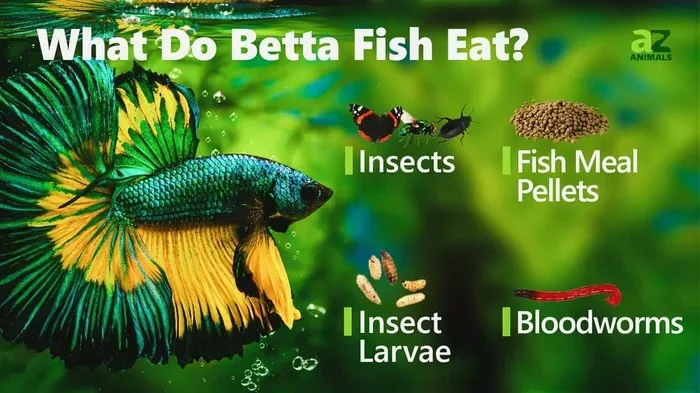
- Giving too many treats – freeze-dried bloodworms or brine shrimp can expand in the stomach and cause bloating.
When to Seek Help
Most food size issues resolve quickly once you switch to smaller pellets. But sometimes, a betta may already have a serious problem. Knowing when to act can save your fish’s life.
Persistent Refusal to Eat
If your betta refuses food for more than two days, check the pellet size first. If the size is correct and the fish still will not eat, there may be an underlying illness. A betta that is not eating and stays at the bottom of the tank needs attention. Look for other symptoms like faded color or clamped fins.
Signs of a Serious Blockage
A betta with a permanently swollen belly, stringy white feces, or labored breathing may have a blockage. This is an emergency. Stop feeding immediately and consider a warm Epsom salt bath. If there is no improvement within 24 hours, consult a fish vet. Early action prevents is my betta fish food too big from turning into a tragedy.
Conclusion
So, is my betta fish food too big? The answer is simple: if your fish spits out, vomits, or bloats after eating, the food is likely too large. Switching to the right betta fish food size can transform your fish’s health. A diet of properly sized micro or small pellets keeps the digestive system running smoothly. Your betta will eat eagerly, stay active, and show off its vibrant colors. Take a close look at the pellets in your tank today and make the change if needed. Your little fish will thank you.
Frequently Asked Questions
Can betta fish choke on food that is too big?
Yes, bettas can choke if a pellet is larger than their mouth or throat. They may spit it out repeatedly or gasp at the surface. Always offer food that is smaller than the fish’s eye to prevent choking.
What happens if my betta eats food that is too large?
Oversized food can cause bloating, constipation, and digestive blockages. In severe cases, it can lead to a ruptured stomach or refusal to eat. Switching to smaller pellets usually resolves these issues quickly.
How do I know if my betta’s food is the right size?
Hold a pellet next to your betta’s eye. If the pellet is larger than the eye, it is too big. Also, soak a pellet in tank water for 5 minutes. If it stays hard and large, choose a smaller size. A properly sized pellet softens and expands to a manageable size.
Should I soak betta pellets before feeding?
Soaking is a great idea if you suspect the pellets are a bit large. It softens them and helps them sink. Just 2 minutes in tank water is enough. This simple step can prevent spitting out food and digestive discomfort.
Can I crush betta pellets to make them smaller?
Yes, you can gently crush pellets with your fingers or a spoon. Make sure the pieces are small enough for your betta to swallow easily. Crushed food is especially helpful for picky eaters or very young bettas.
How often should I feed my betta to avoid overfeeding?
Feed your betta 2 to 3 pellets twice a day. This keeps portions small and reduces the risk of bloating. Remove any uneaten food after 5 minutes to keep the tank clean and the fish healthy.