How Do Crowntail Betta Fish Mate
Crowntail betta fish mate through a fascinating courtship process that involves bubble nests, colorful displays, and careful pairing. Understanding how do crowntail betta fish mate helps you create the right environment for successful breeding. This guide covers everything from courtship signals to post-spawn care for both parents and fry.
Have you ever wondered how do crowntail betta fish mate? These stunning fish with their elaborate, crown-like fins have a breeding process that is both beautiful and complex. If you own a crowntail betta or are thinking about breeding them, understanding their mating behavior is essential.
The process of crowntail betta mating involves several stages. From building bubble nests to performing a dazzling courtship dance, every step matters. In this guide, we will walk you through everything you need to know about betta fish mating behavior. You will learn how to set up the right tank, recognize mating signals, and care for the fry after spawning.
Whether you are a beginner or an experienced fish keeper, this article will give you practical tips and insider knowledge. Let us dive into the world of crowntail betta breeding and discover what makes these fish such fascinating creatures.
Key Takeaways
- Crowntail bettas display unique mating behaviors like fin flaring, bubble nest building, and a distinctive mating dance.
- Proper tank setup is essential for breeding success, including warm water, gentle filtration, and hiding spots for the female.
- The male crowntail betta builds a bubble nest as part of the courtship ritual before spawning occurs.
- Aggression management is critical during mating, as bettas can become territorial and harm each other.
- Post-spawn care requires separating the female and monitoring the male as he tends to the eggs and fry.
- Understanding betta fish mating signals helps you intervene early if problems arise during the breeding process.
📑 Table of Contents
- Understanding Crowntail Betta Fish Mating Basics
- How to Prepare for Crowntail Betta Mating
- The Courtship and Mating Process
- Managing Aggression During Betta Fish Mating
- Post-Spawn Care for Betta Fish and Fry
- Common Mistakes to Avoid When Breeding Crowntail Bettas
- Expert Tips for Successful Crowntail Betta Mating
- Conclusion
Understanding Crowntail Betta Fish Mating Basics
Before you can successfully breed crowntail bettas, you need to understand the basics. Betta fish mating is not as simple as putting a male and female together. It requires preparation, patience, and knowledge of their natural behavior.
What Makes Crowntail Bettas Unique
Crowntail bettas are a popular variety known for their extended, spiky fin rays. Their fins spread out like a crown, which is where they get their name. This unique appearance also plays a role in their betta fish courtship behavior.
Male crowntail bettas use their impressive fins to attract females. The more vibrant and elaborate the fins, the more attractive the male appears to potential mates. This is part of the natural selection process in aquarium breeding.
Crowntail bettas are also known for their slightly more aggressive temperament compared to other betta varieties. This aggression can intensify during mating, so understanding their behavior is crucial for a successful breeding experience.
The Mating Cycle of Betta Fish
Betta fish follow a natural cycle when they mate. The process typically unfolds in these stages:
- Preparation Phase – The male starts building a bubble nest and the female becomes receptive.
- Courtship Phase – The male performs displays to attract the female.
- Spawning Phase – The female releases eggs and the male fertilizes them.
- Recovery Phase – The male tends to the eggs in the bubble nest while the female is removed.
Each phase requires specific conditions and careful monitoring. Skipping any step can lead to failed breeding or harm to the fish.
How to Prepare for Crowntail Betta Mating
Preparation is the most important part of breeding crowntail bettas. Without the right setup, even healthy fish may not mate successfully. Here is everything you need to do before introducing your bettas for breeding.
Setting Up the Breeding Tank
The breeding tank should be separate from your main aquarium. A tank between 5 and 10 gallons works well for crowntail betta breeding. Fill it with water that is about 78 to 82 degrees Fahrenheit. This temperature range mimics their natural habitat and encourages mating behavior.
Use gentle filtration to keep the water clean without creating too much current. Bettas prefer still or slow-moving water. Add a sponge filter to maintain water quality without harming delicate fry later on.
Include floating plants or a spawning mop in the tank. These give the male a place to build his bubble nest and provide shelter for the female during courtship.
Conditioning the Breeding Pair
Before introducing the male and female, you need to condition them with high-quality food. Feed both fish live or frozen foods like brine shrimp and bloodworms for one to two weeks. This helps bring them into peak breeding condition.
Proper nutrition also supports the female in producing healthy eggs. A well-conditioned female will release more eggs during spawning, which increases your chances of successful fry.
Choosing the Right Pair
Select a healthy male and female crowntail betta for breeding. Look for fish with bright colors, no signs of disease, and active behavior. The male should have full, flowing fins, and the female should have a visible white egg spot on her underside.
It is also important to ensure that neither fish is too young or too old. Ideal breeding age for crowntail bettas is between four and twelve months. Breeding fish outside this range can lead to complications.
The Courtship and Mating Process
Once your breeding tank is ready and your fish are conditioned, it is time to introduce them. The courtship process is one of the most fascinating aspects of how do crowntail betta fish mate.
Bubble Nest Building
The first sign that the male is ready to mate is bubble nest building. The male betta blows a cluster of tiny bubbles at the surface of the water. This nest serves as a safe place for the fertilized eggs to develop.
A healthy bubble nest is round and fluffy. If the male builds a strong nest, it is a good sign that he is ready for breeding. Some males build elaborate nests, while others build smaller ones. Both can still result in successful mating.
The Mating Dance
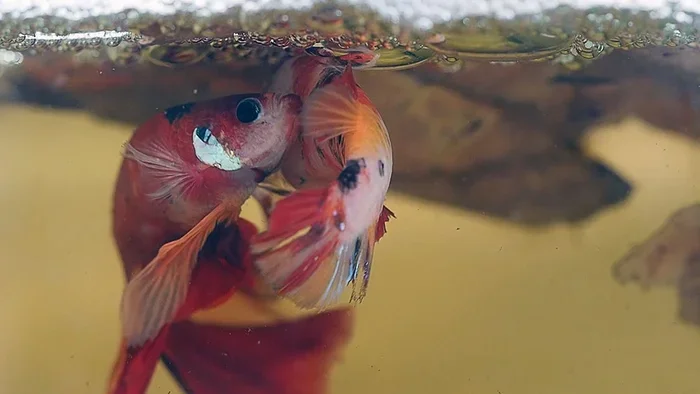
After the bubble nest is ready, the male begins his courtship display. He flares his fins, displays his colors, and wraps his body around the female in a behavior known as the betta fish mating dance. This dance is mesmerizing to watch.
The female will respond by darkening in color and developing vertical stripes on her body. These stripes are called breeding bars and they signal that she is ready to mate. If the female does not show these signs, she may not be receptive yet.
The Spawning Event
During spawning, the male wraps his body around the female. This pressure triggers the female to release her eggs. The male then fertilizes them externally. This process repeats several times over a period of one to two hours.
The male carefully collects each egg and places them in the bubble nest. He is very protective during this time and will chase the female away once all the eggs are secured. This is why it is important to remove the female after spawning is complete.
Managing Aggression During Betta Fish Mating
Aggression is a natural part of betta behavior, especially during mating. Understanding how to manage this aggression is key to keeping both fish safe.
Why Do Bettas Get Aggressive When Mating?
Bettas are territorial by nature. The male sees the female as both a potential mate and a threat to his space. During courtship, this aggression can escalate quickly. The male may chase the female, nip at her fins, or even injure her if left together too long.
This is why betta fish fighting during mating is a real concern. You should never leave the pair unattended during the initial introduction phase. Watch them closely and be ready to intervene if things get too rough.
How to Prevent Injury
Use a breeding tank with plenty of hiding spots for the female. Live plants, caves, and decorations give her a place to escape if the male becomes too aggressive.
You can also use a clear divider to introduce the fish gradually. This allows them to see each other without direct contact. After a day or two of visual introduction, you can remove the divider and allow them to interact.
If the female shows signs of stress, such as clamped fins or hiding constantly, remove her immediately. It is better to be safe than risk injury to your fish.
Post-Spawn Care for Betta Fish and Fry
After spawning is complete, the care requirements change dramatically. The male takes over as the primary caregiver, and you need to support him in this role.
Caring for the Bubble Nest and Eggs
The male crowntail betta will guard the bubble nest and the eggs inside it. He will retrieve any eggs that fall from the nest and place them back carefully. During this time, he should not be disturbed.
Keep the tank lights dim and avoid making sudden movements near the breeding tank. Stress can cause the male to abandon the nest, which would result in the eggs dying.
The eggs typically hatch within 24 to 48 hours. Once they hatch, the fry will remain in the nest for another day or two before becoming free-swimming.
Removing the Male After Hatching
Once the fry are free-swimming, it is time to remove the male from the breeding tank. He may start to see the fry as food once they become mobile. Removing him prevents this risk and gives the fry a better chance of survival.
You can return the male to his regular tank after he has been removed. He will need time to recover from the breeding process, so offer him good food and clean water.
Feeding and Raising Betta Fish Fry
Newly hatched betta fry are very small and need specialized food. Start with infusoria or liquid fry food for the first few days. After about a week, you can introduce baby brine shrimp and finely crushed flakes.
Keep the water in the fry tank clean with gentle, frequent water changes. Use a turkey baster to remove debris without sucking up the tiny fry. Maintaining good water quality is essential for healthy growth.
If you want to learn more about raising fry, check out our article on how many fry do betta fish have for helpful tips on fry care and survival rates.
Common Mistakes to Avoid When Breeding Crowntail Bettas
Breeding crowntail bettas can be rewarding, but it is easy to make mistakes. Here are the most common errors that new breeders make and how to avoid them.
- Skipping the conditioning phase – Poorly conditioned fish produce fewer eggs and may not mate at all.
- Using too small a breeding tank – A cramped tank increases stress and aggression levels.
- Leaving the female in the tank too long – The male may injure or even kill the female after spawning.
- Disturbing the bubble nest – Any disruption can cause the male to abandon the eggs.
- Ignoring water temperature – Water that is too cool or too warm can prevent mating entirely.
By avoiding these mistakes, you give your crowntail bettas the best chance of a successful mating experience. For more information on betta fish care during sensitive periods, visit our guide on how do you care for a betta fish.
Expert Tips for Successful Crowntail Betta Mating
Experienced breeders share a few tips that can make a big difference in your breeding success. These insights come from years of hands-on experience with betta fish.
First, always watch the water parameters. Ammonia and nitrite levels should be at zero, and nitrates should be below 20 ppm. Clean water reduces stress and promotes healthy breeding behavior.
Second, be patient. Not every pairing will result in successful mating. Sometimes the fish need time to adjust to each other. If the first attempt does not work, give them a break and try again after a few weeks.
Third, keep a separate grow-out tank ready before spawning occurs. You do not want to scramble to set up a tank after the fry are born. Having everything prepared in advance makes the process much smoother.
Finally, study betta fish mating behavior before you start. The more you understand about their natural instincts, the better equipped you will be to support them through each stage of the process.
For a deeper look at betta fish behavior during breeding, you can also explore our article on how do betta fish mate to understand the broader mating behaviors across all betta varieties.
Conclusion
Learning how do crowntail betta fish mate is a rewarding journey that deepens your appreciation for these beautiful fish. From bubble nest building to the intricate mating dance, every step of the process is a testament to the natural instincts of these remarkable creatures.
By following the steps in this guide, you can create the ideal conditions for successful breeding. Remember to prepare your tank properly, condition your fish, manage aggression, and provide excellent post-spawn care. With patience and attention to detail, you can raise healthy crowntail betta fry and enjoy the full cycle of betta fish mating in your own home.
Whether you are breeding for fun or as a serious hobby, the experience of watching crowntail bettas mate is truly unforgettable. Start applying these tips today and watch your breeding efforts thrive.
Frequently Asked Questions
How long does the crowntail betta mating process take?
The entire mating process from courtship to spawning typically takes one to two hours. However, the preparation phase, including bubble nest building and conditioning, can take several days to a week before mating actually occurs.
Can crowntail betta fish mate with other betta varieties?
Yes, crowntail bettas can mate with other crowntail bettas or different betta varieties. However, breeding within the same variety helps maintain consistent traits in the offspring. Mixing varieties can produce unique fin patterns and color combinations in the fry.
How do I know if my crowntail betta is ready to mate?
Signs of readiness include a male building a bubble nest and a female developing breeding bars and a visible egg spot. Both fish should be healthy, well-fed, and between four and twelve months old for optimal breeding readiness.
Why did my male crowntail betta eat his eggs?
Male bettas sometimes eat their eggs due to stress, inexperience, or poor water conditions. First-time breeders are more likely to eat eggs. Ensuring a calm environment with minimal disturbances can help reduce this behavior.
How many eggs do crowntail betta fish lay during mating?
A crowntail betta female can lay anywhere from 30 to 100 eggs per spawning session. The number depends on her age, size, and overall health. Well-conditioned females tend to produce more eggs during each mating event.
Should I separate the male and female before mating?
Yes, you should introduce the male and female gradually using a clear divider before allowing them to share the tank. This helps them acclimate to each other’s presence and reduces the risk of serious aggression during the initial introduction.