Can Betta Fish Eat Tater Tots
Betta fish should never be fed tater tots. These fried, salty snacks are nutritionally unsuitable and can cause serious health issues. Stick to a balanced betta diet of high‑quality pellets, frozen foods, and occasional live treats.
Key Takeaways
- Never feed tater tots: The high fat, salt, and filler content can harm a betta’s delicate digestive system.
- Betta nutrition basics: Protein‑rich, low‑fat foods like pellets, frozen bloodworms, and daphnia meet their needs.
- Signs of over‑feeding: Bloated belly, cloudy water, and sluggish behavior indicate a problem.
- Safe human foods: Small pieces of peeled cucumber or blanched peas are occasional treats, not staples.
- Proper feeding schedule: Two small meals per day, only what can be eaten in 2‑3 minutes.
- Consult reputable sources: Use trusted betta‑care guides such as What Can Betta Fish Eat for diet ideas.
- Monitor water quality: Poor diet leads to waste buildup, affecting ammonia and nitrate levels.
Quick Answers to Common Questions
Can betta fish eat tater tots?
No. Tater tots are high in fat, salt, and processed ingredients that bettas cannot digest safely.
What are the main ingredients in tater tots that harm bettas?
Potato starch, vegetable oil, and added salt are the biggest culprits, causing digestive upset and water quality issues.
How often can I give my betta a human vegetable treat?
Once a week, in very small, unseasoned pieces like peeled cucumber or blanched peas.
What signs indicate my betta is suffering from a bad diet?
Look for a bloated abdomen, cloudy water, loss of color, lethargy, or frequent spitting out of food.
Where can I find a reliable list of betta‑safe foods?
Check out our comprehensive guide What Can Betta Fish Eat for a full list of safe options.
📑 Table of Contents
Introduction: Why the Question Pops Up
If you’ve ever watched a betta splash around its tank and wondered what treats might make it smile, you might have thought of tater tots. They’re crunchy, golden, and a favorite snack for many of us. But just because something looks tasty to humans doesn’t mean it’s safe for a tiny, tropical fish.
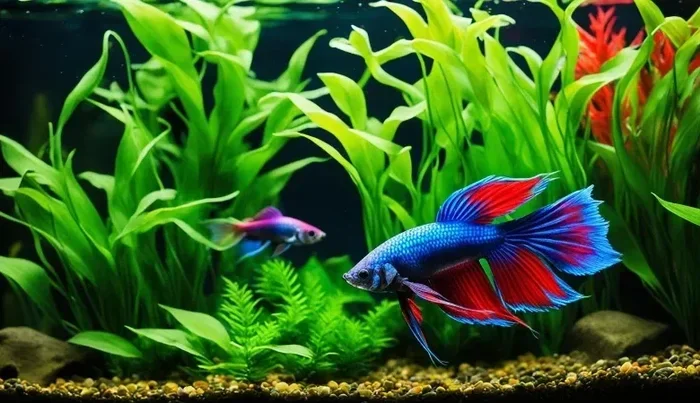
Betta fish (Betta splendens) have very specific dietary needs. In the wild they hunt insects and larvae on the water’s surface. In captivity we try to mimic that high‑protein, low‑fat diet with pellets, frozen foods, and occasional live treats. This article dives deep into why tater tots are a bad idea, what the real risks are, and what you can feed instead.
Understanding Betta Digestive Physiology
Simple stomach, simple needs
Betta fish have a short, straight digestive tract designed for quick processing of protein‑rich prey. Their stomach can’t handle heavy, greasy, or highly processed foods. When you feed them something like a tater tot, the fish’s enzymes simply can’t break down the starches and fats efficiently.

Visual guide about Can Betta Fish Eat Tater Tots
Image source: slimages.macysassets.com
What happens when a betta eats “human junk”?
Inside the gut, undigested food turns into waste faster than the fish can excrete it. This leads to:
- Bloated abdomen
- Constipation or diarrhea
- Increased ammonia production in the water
- Stress on the liver and kidneys
All of these can shorten a betta’s lifespan dramatically.
What Are Tater Tots Made Of?
Ingredients list (in plain language)
Typical tater tots contain:
Visual guide about Can Betta Fish Eat Tater Tots
Image source: viu.com
- Potatoes (often pre‑cooked and mashed)
- Flour or starches
- Vegetable oils (often partially hydrogenated)
- Salt and seasoning blends
- Preservatives and additives
Each of these components is either too fatty, too salty, or too processed for a betta’s tiny system.
Nutrition facts versus betta needs
A standard 100‑gram serving of tater tots can contain 150–200 calories, 10–12 g of fat, and 300 mg of sodium. Betta fish, on the other hand, need roughly 1–2 % of their body weight in food per day, primarily protein with minimal fat. The mismatch is huge.
Potential Risks of Feeding Tater Tots
Immediate digestive upset
Because tater tots are dense and greasy, a betta may reject them outright, choking or spitting the pieces out. If swallowed, the fish can experience:
Visual guide about Can Betta Fish Eat Tater Tots
Image source: apis.xogrp.com
- Swollen stomach
- Loss of appetite
- Rapid decline in water clarity due to excess waste
Long‑term health concerns
Repeated exposure to high‑salt, high‑fat foods can cause:
- Kidney strain
- Liver fatty degeneration
- Weakened immune system, making the fish more vulnerable to ich and fin rot
Impact on water quality
Betta owners often monitor ammonia, nitrite, and nitrate levels. Poor diet leads to more waste, which spikes ammonia. Elevated ammonia is toxic and can cause gill damage within days.
What Should You Feed a Betta Instead?
Core diet: High‑quality betta pellets
Pellets formulated for bettas contain the right balance of protein (30–40 %), fats (2–4 %), and essential vitamins. Feed 2–3 pellets twice daily, adjusting size based on the fish’s appetite.
Supplemental treats
Occasional live or frozen foods keep your betta excited and healthy. Good options include:
- Bloodworms (live or frozen)
- Daphnia
- Brine shrimp
- Microworms
These mimic the natural insect diet and boost coloration.
Safe human foods (in moderation)
If you really want to share a “human” snack, try these betta‑friendly choices:
- Peas: Cooked, skinned, and mashed – a fiber source that helps with constipation.
- Cucumber: Peeled, very thin slices – low in calories and high in water.
- Zucchini: Blanched, cut into tiny pieces.
Never season them, and only offer a piece once a week.
Link to a broader diet guide
For a full list of safe foods, see our article What Can Betta Fish Eat. It breaks down proteins, vegetables, and commercial feeds in detail.
How to Test New Foods Safely
Start with a tiny portion
Introduce any new treat (even a pea) in a size smaller than the fish’s eye. Observe for 24 hours. If the betta eats it without hesitation and shows no signs of distress, you can repeat sparingly.
Watch for behavior changes
Key indicators that a food is unsuitable include:
- Refusal to eat
- Floating or sinking uneaten pieces
- Rapid gill movement (stress)
- Loss of vibrant color
Maintain water tests
After feeding a new item, test ammonia and nitrite levels the next day. A spike suggests the fish is not digesting the food well.
Common Myths About Betta Snacks
“If I can eat it, my betta can too.”
This is false. Betta digestive enzymes are vastly different from ours. Foods safe for humans can be toxic or indigestible for fish.
“A little crunch won’t hurt.”
Even a single tater tot piece can introduce excess oil and salt, enough to upset a betta’s balance. Better to avoid any amount.
“Betta fish are tough; they’ll survive anything.”
Betas are actually quite delicate. Their small size makes them especially vulnerable to sudden dietary changes.
Conclusion: Keep It Simple, Keep It Safe
In short, tater tots are a definite “no‑go” for betta fish. The high fat, salt, and filler content can cause immediate digestive upset and long‑term health problems. Stick to a diet of quality betta pellets, occasional frozen or live treats, and a few safe human vegetables if you really want variety.
Remember, a healthy betta is a happy betta. By feeding the right foods, you’ll enjoy bright colors, active swimming, and a longer companionship. For more tips on feeding schedules and water maintenance, explore our guide on Can Betta Fish Eat Goldfish Food. Your betta will thank you with every graceful fin flick.
Frequently Asked Questions
Is a tiny piece of tater tot ever okay as a treat?
Even a tiny piece is not recommended. The oil and salt can still cause problems for a betta’s delicate system.
Can I feed my betta frozen fries instead of tater tots?
No. Frozen fries share the same high‑fat, high‑salt profile and should be avoided.
What should I do if my betta ate a tater tot by accident?
Remove any remaining pieces, monitor water parameters closely, and fast the fish for 24 hours to let the gut clear. If symptoms persist, consult a vet.
Are there any commercial fish foods that mimic the texture of tater tots?
Some crunchy pellet brands exist, but they are formulated specifically for fish nutrition. Always choose a product labeled for bettas.
Can feeding the wrong foods affect my betta’s fin health?
Yes. Poor nutrition can lead to weak, ragged fins and make them more prone to fin rot.
Will switching back to a proper diet reverse damage caused by tater tots?
Early damage may heal with a balanced diet and clean water, but chronic issues like liver fat accumulation might be permanent.