Where Does the Betta Fish Come From

The betta fish, scientifically known as Betta splendens, originates from the shallow, warm waters of Southeast Asia, specifically Thailand, Cambodia, Vietnam, and Malaysia. Its infamous history as a “fighting fish” stems from centuries-old cultural practices in the region, where they were selectively bred for aggression. This wild heritage directly informs their modern care needs, requiring warm, still water, a protein-rich diet, and environmental enrichment to thrive in captivity.
Key Takeaways
- Wild Roots: Betta splendens are native to the tropical rice paddies, marshes, and slow-moving streams of Southeast Asia, primarily Thailand.
- Fighting Heritage: Their common name “Siamese fighting fish” comes from a 19th-century tradition of breeding them for aggressive combat, a practice now widely condemned.
- Adaptation Experts: Wild bettas possess a unique labyrinth organ, allowing them to breathe atmospheric air and survive in low-oxygen, temporary waters.
- Domestication Shift: Centuries of selective breeding in captivity have drastically altered their appearance (long fins, vibrant colors) and, in many lines, reduced their innate aggression.
- Care Imitates Nature: Proper betta care must replicate key aspects of their wild habitat: warm water (78-80°F), calm surface access, hiding spots, and a varied, meat-based diet.
- Not Inherently Tough: Despite popular myth, their ability to survive in poor conditions is a survival adaptation, not an indication of preferred care; they are sensitive fish with specific needs.
📑 Table of Contents
- The Allure of the Betta: More Than Just a Pretty Face
- Chapter One: The Wild Heartland of Betta Splendens
- Chapter Two: The Birth of the “Fighting Fish” Legend
- Chapter Three: Domestication and the Rainbow Spectrum
- Chapter Four: Bridging the Gap – How Wild Origins Dictate Modern Care
- Chapter Five: Behavior as a Window to the Wild
- Conclusion: A Legacy of Respect
The Allure of the Betta: More Than Just a Pretty Face
Glide into any pet store, and you’ll likely be captivated by them. Draped in flowing silks of crimson, sapphire, and neon, flaring their gills with dramatic intensity from tiny containers—the betta fish is an icon of the aquarium world. But this striking creature, so common in our homes, has a wild story that is far more complex and compelling than its commercial image suggests. To truly understand the betta swimming in your tank, you must journey to the muddy, sun-drenched waterways of Southeast Asia. This is the story of where the betta fish comes from—a tale of natural adaptation, human intervention, and the crucial link between past and present care.
Knowing a betta’s origin isn’t just trivia; it’s the foundational key to unlocking its proper care. Every flared gill, every bubble nest, every preference for warm, still water is a direct echo of its ancestral home. By tracing its steps from the rice fields of Thailand to your living room, we can move beyond the harmful “low-maintenance” myth and provide the vibrant, healthy life this intelligent fish deserves. Let’s dive into the depths of its history.
Chapter One: The Wild Heartland of Betta Splendens
When we ask “where does the betta fish come from?” the most precise answer points to the continental and regional heart of its wild existence: Southeast Asia. The species Betta splendens, the most common in the aquarium trade, is native to the central plains of Thailand. Its natural range, however, extends into the bordering countries of Cambodia, Vietnam, and the southern Malay Peninsula. This isn’t a story of vast oceans or rushing rivers, but of the quiet, often overlooked ecosystems that define a tropical agrarian landscape.

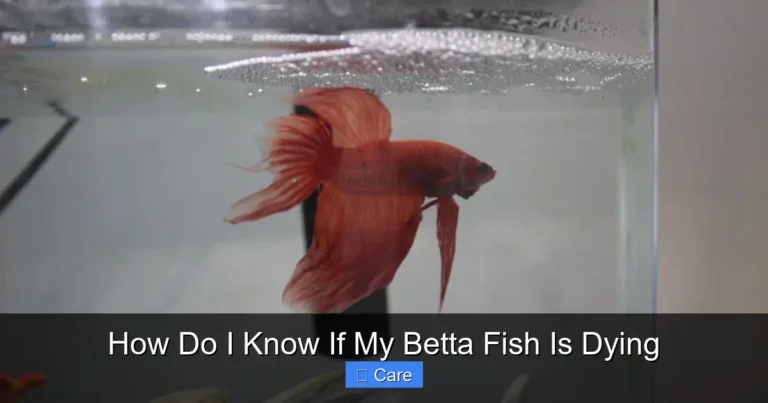
Visual guide about Where Does the Betta Fish Come From
Image source: hometanks.com
The Iconic Habitat: Rice Paddies and Shallow Marshes
Picture a classic Southeast Asian scene: endless, flooded rice fields under a blazing sun, divided by narrow earthen bunds. This is the quintessential betta habitat. These are not pristine, clear-water streams. They are shallow (often just a few inches deep), stagnant or very slow-moving, tea-colored bodies of water. The water is warm, frequently exceeding 85°F (29°C) in the afternoon sun, and can have a slightly acidic pH from decaying vegetation. Dissolved oxygen levels can plummet, especially at night, creating a challenging environment for most fish.
These waters are also heavily vegetated. Dense mats of floating plants (like water lettuce or duckweed), emergent reeds, and submerged grasses provide critical cover from aerial predators like birds and essential shade from the intense sun. The substrate is typically soft mud or silt, often with a layer of decomposing leaf litter. It’s a world of dappled light, complex vertical structures, and a surface that is both a hunting ground and a breathing portal.
The Labyrinth Organ: A Masterpiece of Evolution
What allows a fish to thrive in such conditions? The answer is one of nature’s most brilliant inventions: the labyrinth organ. Betta fish, along with their relatives in the Anabantoidei suborder (like gouramis), possess this specialized structure. It’s a folded, vascularized piece of tissue located in a chamber above the gills that acts like a primitive lung.
How it works: The betta gulpps air from the surface. This air passes into the labyrinth organ, where oxygen is absorbed directly into the bloodstream. This adaptation is a direct response to their habitat’s frequent oxygen droughts. You’ll often see a wild or well-kept captive betta periodically rising to the surface for a quick gulp—this is not a sign of distress but a normal, vital behavior. This ability also means they must have access to the water’s surface; a tank with a tightly sealed lid that prevents air gulping is dangerous. The labyrinth organ is the single most important physiological clue to their natural needs.
Life in the Wild: A Delicate Balance
In these rice paddies, a wild betta’s life is one of calculated survival. They are primarily insectivores. Their diet consists of insects and larvae that fall onto the water’s surface, tiny crustaceans, and zooplankton. They are ambush predators, often hovering near plant cover before darting out to capture prey. Their large, upward-facing mouths are perfectly adapted for this surface hunting.
Territorial behavior is pronounced, but not constant. A male will establish a small territory, often centered around a dense patch of plants or a fallen leaf, which he fiercely defends against other males. However, these territories in the vast, complex environment of a marsh are not constantly contested. They spend much of their time cautiously exploring, foraging, and maintaining their bubble nests (more on that soon). Their world is one of sensory richness—detecting vibrations on the water’s surface, seeing the polarized light that helps them spot prey, and navigating a three-dimensional maze of vegetation.
Chapter Two: The Birth of the “Fighting Fish” Legend
To understand the betta’s journey to our aquariums, we must confront its dark and storied past as a fighter. The name “Siamese fighting fish” is not a modern marketing gimmick; it is a direct historical reference. The practice of pitting bettas against each other is believed to be over 600 years old, originating in the Malay Peninsula and spreading throughout what is now Thailand (historically Siam).
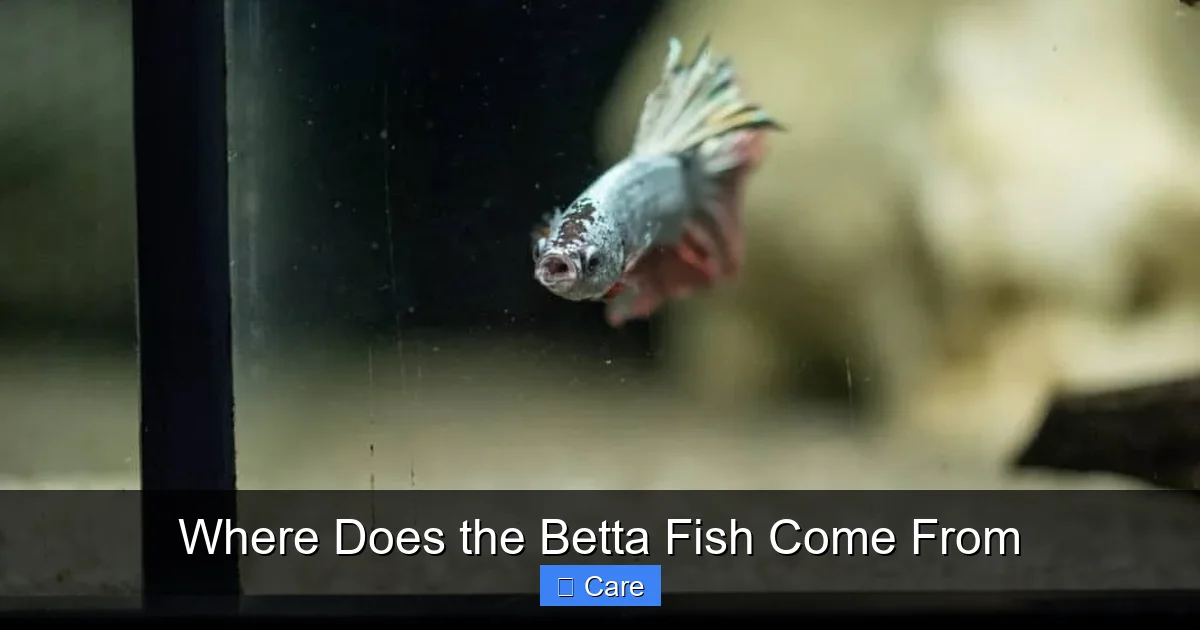
Visual guide about Where Does the Betta Fish Come From
Image source: aquariadise.com
Cultural Roots of Combat
In historical Siam, betta fighting was a popular pastime, akin to cockfighting. It was not initially about killing the opponent but about testing bravery and endurance. Bets were placed on which fish would give up first and flee. The fights could last for hours. Selective breeding for aggression was intense and deliberate. Breeders would pit their males against each other, and only the most persistent, flaring, and unyielding fish were kept for breeding. This created a genetic line with a dramatically heightened and prolonged combat response, particularly in males.
It’s crucial to note that these fights were staged in small, confined containers—often clay pots or divided wooden troughs. The fish could see each other constantly, a setup designed to provoke maximum territorial and aggressive display. This artificial, high-stress environment is the origin of the betta’s legendary flaring behavior. In the wild, such constant, forced confrontation is rare and energetically costly.
From Siam to the West: A Gift and a Sensation
The Western world’s introduction to the betta is often attributed to Dr. Theodore Cantor, a Danish physician and naturalist working in Siam in the 1840s. He received some fighting bettas from the King of Siam (Mongkut, Rama IV) and sent specimens back to Europe. The species was formally described as Betta splendens (“splendid betta”) in 1849. However, they were initially exhibited in Europe as curiosities—aggressive oddities—rather than as aquarium beauties.
The true transformation began in the early 20th century when breeders, particularly in Germany and later the United States, started selecting not for aggression, but for color, fin length, and shape. The discovery of the genetic “doubletail” mutation and the selective breeding for extreme finnage (like the famous Halfmoon) created the utterly ornamental fish we know today. The fighting legacy, however, lingers in their behavior and in the persistent, incorrect belief that they are naturally ultra-aggressive and can be kept in minuscule, unfiltered containers.
Chapter Three: Domestication and the Rainbow Spectrum
The betta in your tank is almost certainly a world away from its wild ancestor. Centuries, and now even decades, of intensive selective breeding have produced a dizzying array of forms. Understanding this domestication helps explain the vast differences between a “wild type” betta and a “fancy” betta.
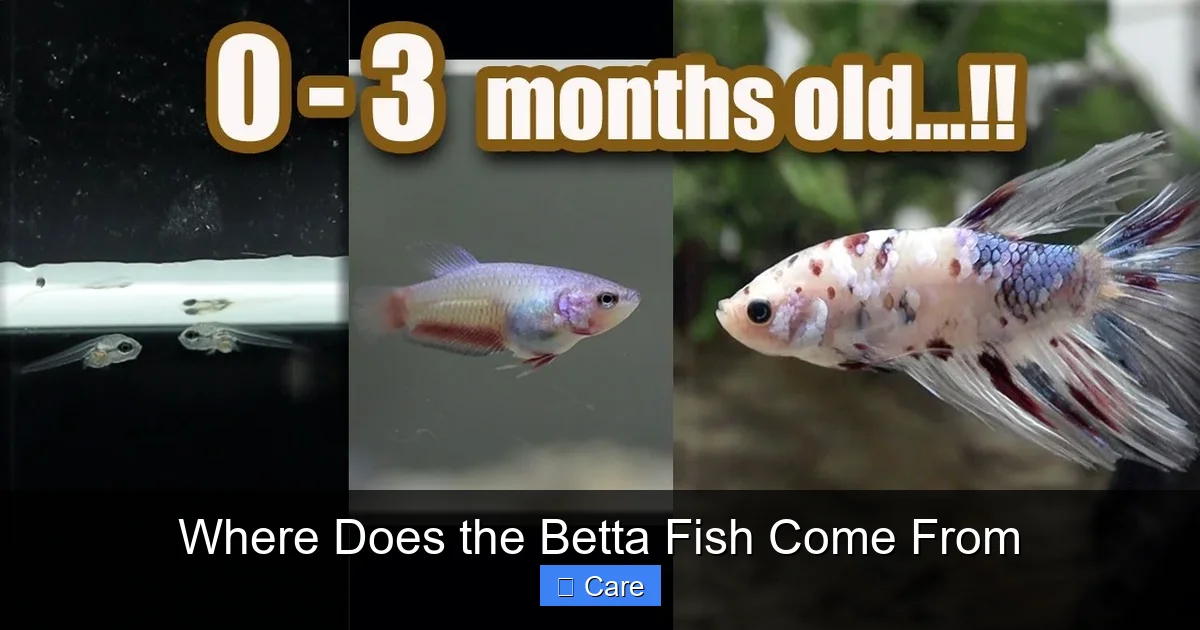
Visual guide about Where Does the Betta Fish Come From
Image source: i.ytimg.com
The Two Main Genetic Streams
Today’s captive bettas largely fall into two genetic categories, with significant consequences for their behavior and hardiness:
- Plakat (PK): Meaning “plakat” or “clipping” in Thai, these bettas have short, rounded fins that resemble their wild ancestors much more closely. They are often (but not always) bred from more recent fighting stock lines and can retain higher levels of aggression and energy. They are generally hardier, more active swimmers, and their body shape is closer to the original wild form. Many experienced keepers favor Plakats for their vigor and reduced risk of fin problems.
- Fancy (Halfmoon, Crowntail, Doubletail, etc.): These are the long-finned, flowing varieties. Their genetics have been heavily manipulated for maximum fin extension and specific shapes. This often comes at a cost: they are more prone to fin rot and tearing, can be weaker swimmers, and in many cases, have had their aggression selectively bred down. However, because some fancy lines still have fighting ancestry, individual temperament can vary wildly.
The key takeaway is that not all bettas are created equal. A Plakat’s needs and behaviors might be slightly closer to the wild type, while an ultra-fancy Halfmoon may be more delicate and less instinctively aggressive. But both share the same fundamental wild-derived physiological needs.
The Color Factory: From Dull Greens to Electric Blues
Wild bettas are not drab, but they are typically muted greens, browns, and blues—excellent camouflage among reeds and murky water. The explosive palette of reds, purples, metallic blues, and pastels is entirely a human invention. Breeders have exploited and amplified natural color layers (red, yellow, black, iridescent blue/green) through careful pairing. The famous “marble” and “koi” patterns are the result of unstable genetic transposons (jumping genes). This means a betta’s color can change throughout its life—a direct artifact of its domesticated genetics, not something seen in stable wild populations.
Chapter Four: Bridging the Gap – How Wild Origins Dictate Modern Care
Here is the practical heart of our journey. Every piece of proper betta care is a direct response to the conditions of their Southeast Asian homeland. Ignoring their origin is the primary reason for poor health and shortened lifespans.
Tank Size & Water Conditions: Beyond the Vase
The myth of the betta in a vase is perhaps the most damaging. A wild betta’s territory, even in a shallow paddy, is a vast, complex area compared to a quart-sized vase. The absolute minimum tank size is 5 gallons, with 10 gallons being the widely recommended, humane starting point. Why? Because this volume provides stable water parameters, dilutes toxins, and allows for proper heating and filtration—all impossible in a tiny vase.
- Temperature is Non-Negotiable: The warm, tropical sun beats down on their shallow homes. Bettas require a stable temperature between 78-80°F (25.5-26.5°C). A reliable aquarium heater is mandatory, not optional. Cold water (<74°F) slows their metabolism, suppresses their immune system, and leads to lethargy and disease (like fin rot).
- Calm Surface Access: Remember the labyrinth organ? The water surface must be calm and accessible. Strong filter outputs or splashing that disrupts the surface can stress a betta, as it impedes their natural air-gulping behavior. Use a gentle sponge filter or adjust a hang-on-back filter with a spray bar or sponge pre-filter.
- Water Quality: While adapted to warm, slightly acidic “blackwater” conditions with tannins, they are still susceptible to ammonia and nitrite poisoning. A cycled tank with a filter is essential. Regular water changes (25-50% weekly in a 5+ gallon tank) are critical to remove waste and maintain water quality.
Tank Setup: Recreating the Marsh
Your aquarium should be a micro-marsh. The goal is to provide security, mimic natural structure, and encourage natural behaviors.
- Plants are Paramount: Live plants are ideal. They oxygenate the water, absorb nitrates, provide incredible cover, and simulate their dense wild vegetation. Floating plants (like Amazon frogbit or water lettuce) are especially important, as they directly replicate the surface cover bettas use for building bubble nests and feeling secure. Silk or live plants with soft leaves are a must; plastic plants can tear delicate fins.
- Hiding Spots & Vertical Space: Use driftwood, smooth rocks, and ceramic caves to create territories and break lines of sight. Betta splendens in the wild use vertical structures; tall plants or decorations that reach the surface give them a sense of security and places to rest.
- Substrate: Fine sand or smooth gravel is fine. If you want to mimic the blackwater look, adding Indian almond leaves or driftwood will release tannins, lowering pH slightly and providing beneficial antimicrobial properties.
- Lighting: Moderate lighting is best. In the wild, they live under a canopy with dappled light. Intense, overhead lighting can be stressful, especially if there are insufficient hiding spots.
Diet: The Carnivore in the Vase
This is a critical point often missed. Betta fish are not herbivores. They are insectivores and surface feeders. Their upturned mouths are designed to grab bugs and larvae from the water’s surface. In the wild, plant matter is incidental, if consumed at all.
- Feed a High-Quality, Protein-Rich Diet: Base their diet on high-quality betta pellets or granules (look for 40%+ protein on the label). Supplement this with frozen or live foods 2-3 times a week: daphnia, brine shrimp, bloodworms, and mysis shrimp. These replicate their natural prey and provide essential nutrients and roughage.
- Feed Sparingly: Their stomach is roughly the size of their eye. Overfeeding is a primary cause of constipation, swim bladder issues, and water pollution. A good rule is to feed what they can consume in 2-3 minutes, once or twice a day. Skip a day occasionally to give their digestive system a rest.
- Avoid “Betta Bites” or “Color Enhancers” with Fillers: Many cheap foods are packed with wheat, soy, and artificial colors. Read the ingredient list. The first few ingredients should be specific animal proteins (e.g., whole fish, shrimp, squid).
Chapter Five: Behavior as a Window to the Wild
When you understand the betta’s wild behavior, their actions in your tank become a fascinating language to interpret, not a list of problems.
The Bubble Nest: An Architectural Marvel
Perhaps the most iconic wild behavior is the male betta’s construction of a bubble nest. Using a special mouth secretion, he blows clusters of tiny bubbles that float to the surface, often anchoring them to a plant leaf or the side of a decoration. This is not a sign of distress or “bad water.” It is a profound reproductive behavior driven by instinct. A male will build one even without a female present if conditions are right—warm temperature, good water quality, and a sense of security. Seeing a bubble nest is a sign your betta is healthy and comfortable. It’s a direct link to his ancestral drive to prepare a nursery for his future fry.
Flaring: Communication, Not Just Aggression
The dramatic expansion of gills and fins—flaring—is a multi-purpose signal. In the wild, it’s used to:
- Intimidate a rival male (the classic “fighting” display).
- Courtship display to attract a female.
- General alarm or territorial assertion when a perceived threat (a hand in the tank, a reflection, another fish) enters its space.
In captivity, a betta flaring at its own reflection is common. While usually not physically harmful, it can cause chronic stress. If your betta is constantly flaring at its reflection, consider covering the tank sides with a background or adjusting the lighting to eliminate the mirror effect. Flaring at a tankmate is a serious warning sign of incompatibility that must be heeded.
Lethargy vs. Rest: Reading the Signs
A wild betta conserves energy. It rests, often propped on a plant leaf or the substrate, between foraging bouts. This is normal. Lethargy—a lack of movement, clamped fins, loss of appetite, and hiding constantly—is a sign of illness or poor water conditions. The key is context. A betta that rests frequently but is alert, eats readily, and flares when provoked is likely healthy. One that is listless and unresponsive is not. This distinction comes from understanding their natural energy-conserving behaviors versus the symptoms of stress and disease.
Conclusion: A Legacy of Respect
The journey of the betta fish, from the murky rice paddies of Thailand to the glass boxes on our desks, is a story of remarkable adaptation and profound human influence. Its origins are not a quaint footnote; they are the instruction manual for its care. That labyrinth organ demands surface air. That insectivorous mouth demands protein. That evolutionary history in dense, warm, vegetated waters demands a tank that offers warmth, calm, cover, and complexity.
By honoring this wild heritage, we do more than just keep a fish alive. We allow the true, vibrant spirit of Betta splendens to flourish. We move beyond the vase and the myth, and into a world of responsible, enlightened stewardship. The next time you watch your betta weave through its plants, gulp a breath of air, or meticulously tend a bubble nest, you are witnessing a direct, living connection to the tropical marshes of Southeast Asia. That is a legacy worth respecting, and a responsibility worth fulfilling.
Frequently Asked Questions
Where are betta fish from originally?
Betta splendens, the most common aquarium species, is native to the shallow, warm waters of Southeast Asia, specifically the central plains of Thailand, with natural ranges also in Cambodia, Vietnam, and Malaysia.
Are betta fish from the wild still kept as fighters?
Yes, in some regions of Southeast Asia, the traditional practice of betta fighting persists, though it is increasingly controversial and illegal in many places. The vast majority of bettas in the global aquarium trade, however, are bred for color and finnage, not aggression.
What is the difference between a wild betta and a store-bought betta?
Wild bettas have muted greens and browns, short fins (Plakat-type), and are lean, active insectivores. Store-bought “fancy” bettas have been selectively bred for brilliant, varied colors and long, flowing fins (like Halfmoons). They are often less aggressive but can be more delicate and prone to fin issues. Their fundamental care needs, however, remain identical.
Why do betta fish need a heater if they come from warm places?
>Their native habitats are consistently warm tropical waters. In a home, ambient room temperature often falls below their required 78-80°F range, especially at night. A heater is non-negotiable to replicate the stable, warm environment they are physiologically adapted for and to support their immune system.
Do betta fish really breathe air?
Yes. They possess a specialized labyrinth organ that allows them to breathe atmospheric air. You will often see them rise to the surface for a quick gulp. This is a normal, vital behavior stemming from their adaptation to low-oxygen waters. They must have access to an undisturbed water surface.
How long do betta fish live in the wild versus in captivity?
In the challenging wild, their lifespan is typically 2-3 years due to predators, disease, and habitat loss. With proper care—a heated, filtered tank of 5+ gallons, a quality diet, and clean water—captive bettas can live 3-5 years, with some reaching 7 or more. Their life expectancy is directly tied to how well we mimic their wild needs.