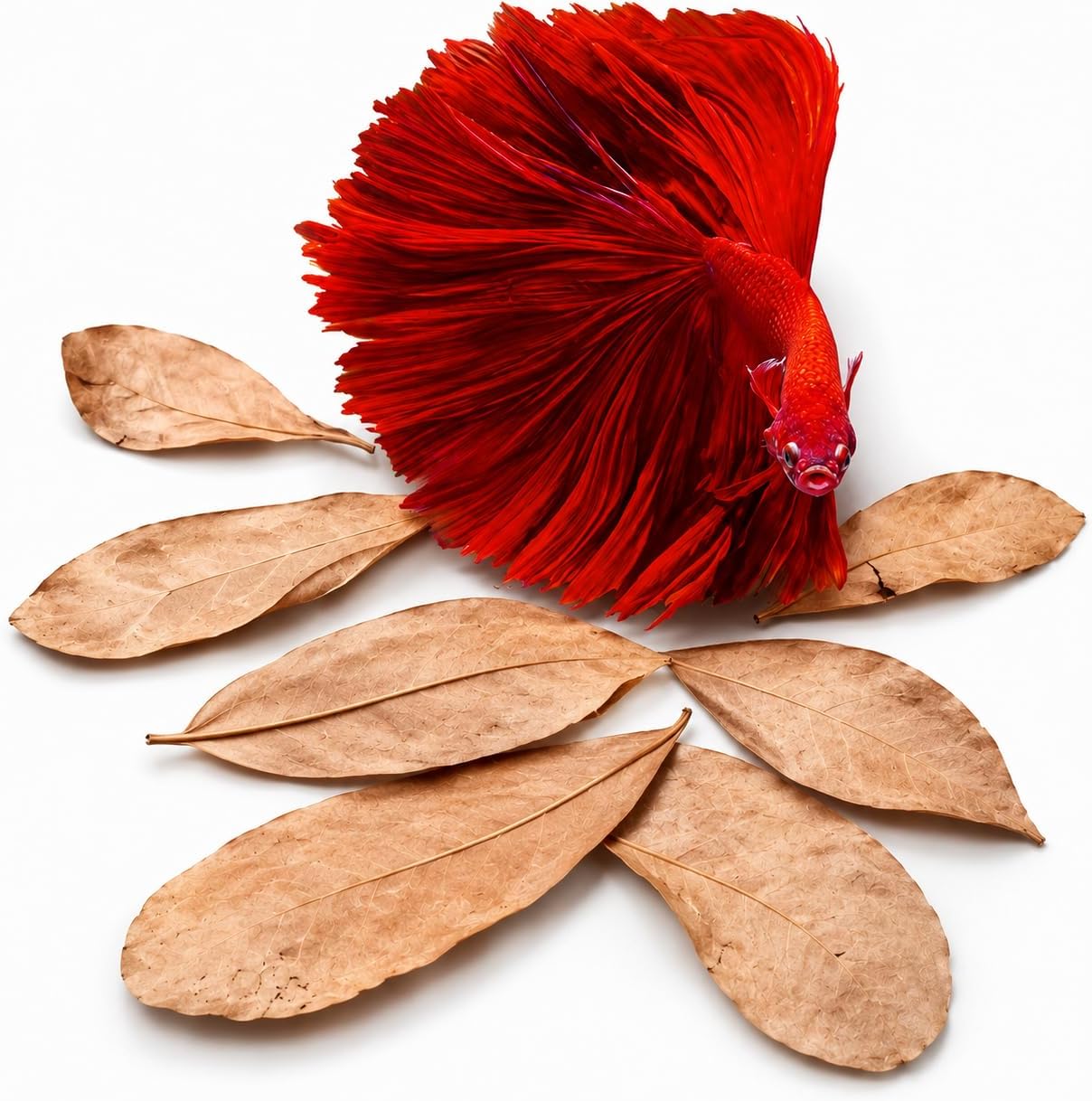
Betta fish, or Siamese fighting fish, are native to the shallow, warm waters of Southeast Asia. In the wild, they inhabit rice paddies, slow-moving streams, peat swamps, and drainage ditches across Thailand, Cambodia, Vietnam, and parts of Malaysia and Indonesia. Their famous labyrinth organ allows them to survive in oxygen-poor, stagnant water. Understanding their natural habitat is crucial for providing proper care in captivity, as wild bettas thrive in warm, vegetated, and soft waters. Replicating these conditions—like gentle filtration, floating plants, and stable temperatures—helps ensure a healthy, active pet. Their wild life is one of resilience, not constant aggression, shaped by seasonal changes and dense plant cover.
Key Takeaways
- Native Range: Wild bettas are indigenous to the tropical regions of Southeast Asia, primarily Thailand, Cambodia, Vietnam, and parts of Malaysia and Indonesia.
- Preferred Habitats: They thrive in shallow, slow-moving or stagnant bodies of water like rice paddies, peat swamps, marshes, and the edges of quiet streams and canals.
- Water Conditions: Their habitats are typically warm (24-30°C / 75-86°F), soft, acidic, and often tea-colored from tannins released by decaying vegetation and peat.
- Unique Adaptation: The labyrinth organ allows them to gulp atmospheric air, enabling survival in oxygen-depleted waters where other fish cannot live.
- Dense Vegetation is Key: They rely on thick surface and submerged plants for security, breeding sites, and to maintain water quality by absorbing excess nutrients.
- Seasonal Changes: Their wild environment experiences dramatic wet and dry seasons, causing habitats to flood, connect, and then shrink, influencing behavior and distribution.
- Not “Fighting” in the Wild: While males are territorial, wild bettas are not constantly aggressive; they use displays to avoid conflict and spend most of their time hiding and foraging among plants.
📑 Table of Contents
- The Real Home of the Wild Betta: Beyond the Pet Store Bowl
- Southeast Asia’s Watery Kingdoms: The Geographic Range
- More Than Just Rice Paddies: Understanding Wild Habitat Types
- Built for Survival: The Anatomy of a Wild Betta
- The Behavioral Blueprint: Life in the Wild
- Threats in the Wild and The Conservation Status
- Bridging the Wild and the Captive: Applying This Knowledge
- Conclusion: A Call for Respect and Replication
The Real Home of the Wild Betta: Beyond the Pet Store Bowl
When you picture a betta fish, you might imagine a solitary creature floating in a small, ornate vase on a windowsill. This common, and unfortunately persistent, image is a world away from the vibrant, complex, and surprisingly challenging environments where the Betta splendens truly evolved. The story of where betta fish live in the wild is a fascinating tale of adaptation, resilience, and the lush, watery landscapes of Southeast Asia. It’s a story that directly contradicts many myths about these fish and holds the key to unlocking their best possible care in our homes. Let’s dive beneath the surface of those iconic, flowing fins and discover the real, wild betta.
Understanding a betta’s natural habitat isn’t just an interesting trivia exercise. It’s fundamental biology. Every instinct, every physical trait—from their incredible labyrinth organ to their territorial nature—was shaped by the specific conditions of their native waters. By exploring these wild homes, we can move beyond the myths and provide an environment for our pet bettas that truly honors their heritage, promoting health, activity, and natural behaviors. So, leave the tiny vase behind and join us on a journey to the rice fields and peat swamps of Thailand and beyond.
Southeast Asia’s Watery Kingdoms: The Geographic Range
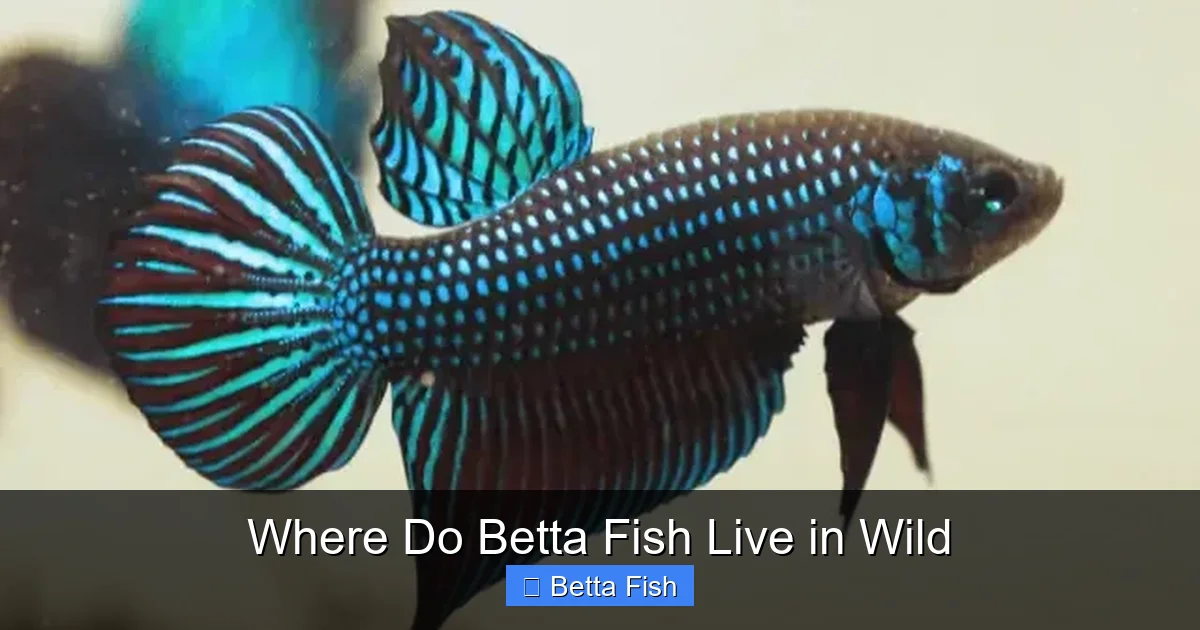
The wild betta’s address is firmly rooted in the tropical heart of Southeast Asia. This isn’t a broad, vague region; it’s a specific belt of low-lying, warm, and densely vegetated landscapes shaped by monsoon rains and river deltas. The historical epicenter, and still the core of their native range, is the Chao Phraya River basin in central Thailand. From there, their distribution fans out across the floodplains and tributaries of neighboring countries.
Visual guide about Where Do Betta Fish Live in Wild
Image source: japanesefightingfish.org
A Tour of Their Native Countries
- Thailand: The undisputed homeland. Wild bettas are abundant in the central plains around Bangkok, the Mae Khlong basin, and the provinces of Rayong and Chanthaburi. The iconic image of a betta in a rice paddy is most accurate here.
- Cambodia: They are found in the Tonlé Sap lake and its connecting river systems, as well as the Mekong River floodplains. The massive seasonal flooding of Tonlé Sap creates an ideal, expanding habitat.
- Vietnam: Populations exist in the Mekong Delta in the south and in some coastal river systems in the central region.
- Malaysia & Indonesia: Here, the story gets a bit more nuanced. The Betta splendens is not native to the main islands. Instead, closely related species like Betta imbellis (the peaceful betta) and Betta mahachaiensis inhabit parts of peninsular Malaysia and Sumatra. When people refer to “wild bettas” in these areas, they often mean these sister species, which share similar ecological preferences.
It’s crucial to remember that these boundaries are not hard walls. River systems connect, and during massive flood events, fish can be carried into new areas. However, the core, genetically pure populations of Betta splendens remain centered in Thailand and Cambodia.
More Than Just Rice Paddies: Understanding Wild Habitat Types
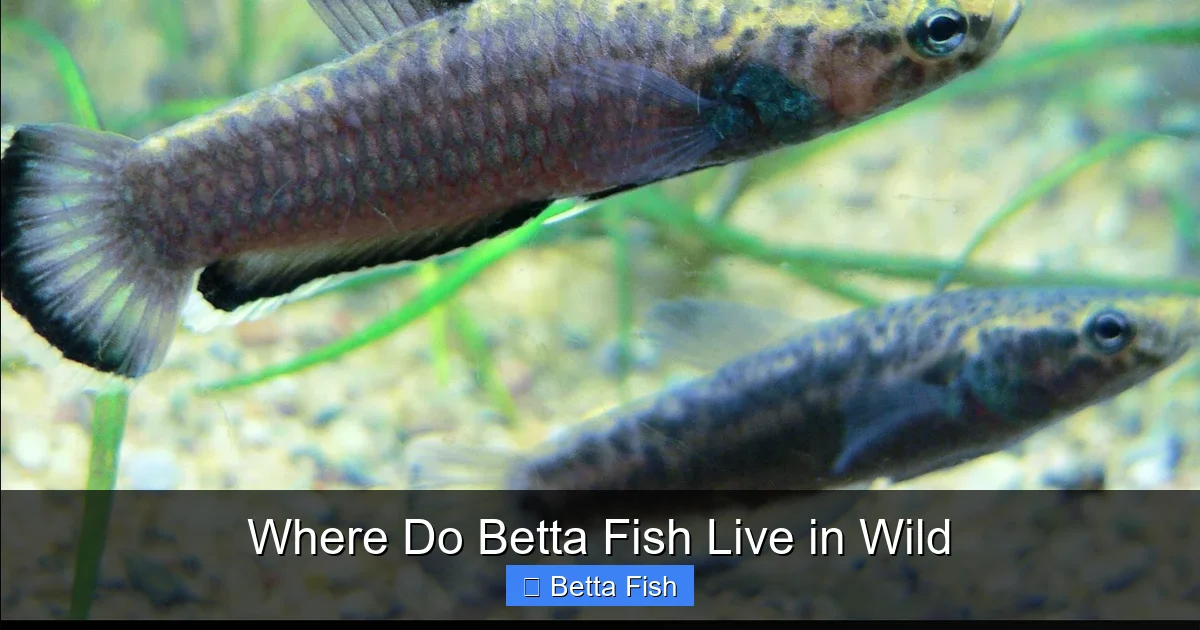
While the rice paddy is the classic poster-child for betta habitat, the wild betta is an ecological generalist with a surprising tolerance for different, yet similar, watery environments. The unifying thread is shallow, slow-moving, warm, and vegetated freshwater. Let’s break down the specific stages of their watery world.
Visual guide about Where Do Betta Fish Live in Wild
Image source: buildyouraquarium.com
The Icons: Rice Paddies and Irrigation Canals
This is the habitat most deeply associated with wild bettas, and for good reason. The flooded rice terraces of Thailand are a perfect betta paradise during the growing season. They are:
- Shallow: Often only a few inches to a foot deep, allowing warm sunlight to heat the water quickly.
- Still or Slow-Flowing: Water movement is minimal, conserving energy for the betta.
- Vegetated: Rice plants provide dense cover at the water’s edge and submerged, while algae and duckweed cover the surface.
- Tannin-Stained: Decaying plant matter from the fields leaches tannins, creating the soft, acidic, tea-colored water bettas prefer.
The network of irrigation canals (khlongs) that feed and drain these paddies are equally important. They act as permanent corridors, allowing bettas to move between fields even in the drier season. These canals often have muddy bottoms, overhanging vegetation, and are rich in insect life—a perfect foraging ground.
The Peat Swamps and Blackwater Streams
Moving away from agricultural areas, bettas are also native to peat swamp forests. These are ancient, waterlogged forests where layers of decaying plant matter (peat) have built up over millennia. The water here is:
- Extremely Soft and Acidic: The peat acts like a giant natural filter, stripping minerals and lowering pH, creating true “blackwater” conditions.
- Stained Dark Brown: From high tannin content, which also has mild antibacterial properties.
- Warm and Humid: The forest canopy keeps temperatures stable and high.
- Dense with Organic Matter: Fallen leaves, twigs, and submerged roots create a labyrinth of hiding spots and hunting perches.
Streams and drainage ditches that flow through or from these swamps share these characteristics. The substrate is soft mud or fine sand, often covered in leaf litter.
The Seasonal Reality: Flood and Drought
To think of these habitats as static is a mistake. They are defined by the monsoon cycle. During the rainy season (roughly May-October), rivers overflow, and rice paddies flood completely. What were separate fields, ditches, and pools become one vast, interconnected shallow lake. This is the betta’s golden age—expanded territory, abundant food, and easy dispersal to new areas.
Then comes the dry season (November-April). Waters recede, leaving bettas isolated in shrinking pools, puddles, and the deeper canals. These “dry season refugia” are often hot, oxygen levels plummet, and competition is fierce. It is in these challenging conditions that the betta’s most famous adaptation becomes a matter of life or death. This cycle of boom and bust is a fundamental driver of their biology and behavior.
Built for Survival: The Anatomy of a Wild Betta
The wild betta’s body is a masterpiece of evolutionary engineering for its specific niche. Every feature serves a purpose in its challenging, variable home.
Visual guide about Where Do Betta Fish Live in Wild
Image source: petpad.net
The Labyrinth Organ: A Breathing Revolution
This is the betta’s superpower, found in the Anabantoidei suborder (which also includes gouramis and paradise fish). The labyrinth organ is a complex, folded structure of bony plates and vascular tissue located in a chamber above the gills. It allows the betta to gulp air from the surface and extract oxygen directly from it. This adaptation lets them thrive in waters so stagnant and oxygen-poor that most other fish would suffocate. In a home aquarium, this is why you will always see your betta dart to the surface for a quick breath—it’s not a sign of distress, but a normal, vital behavior.
Physical Form Follows Function
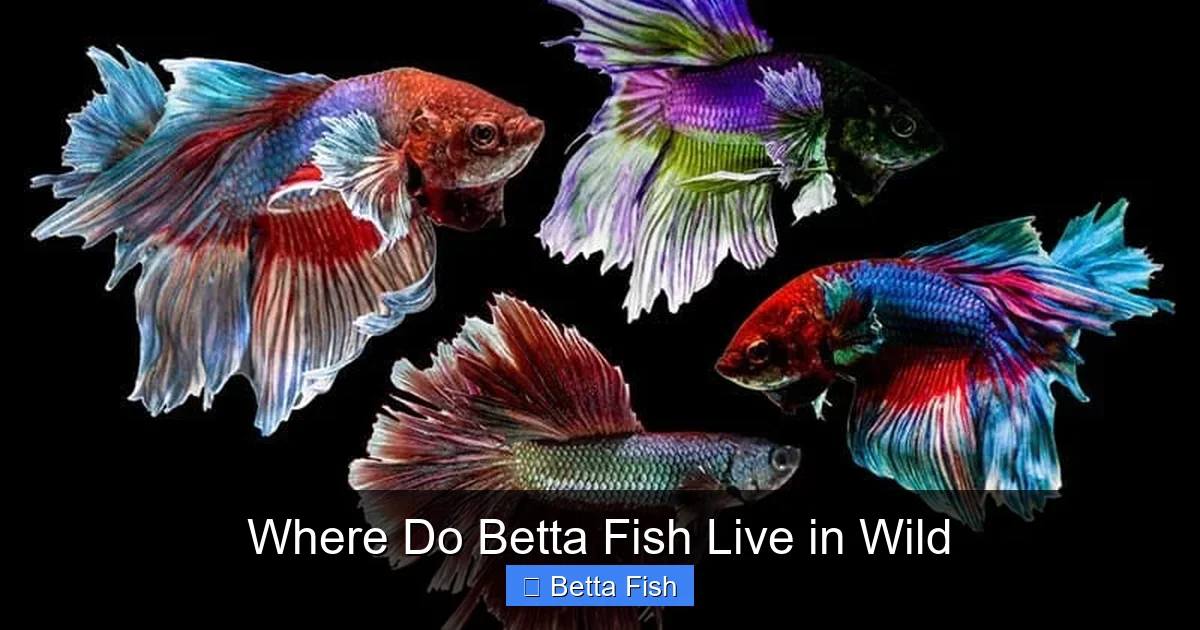
- Body Shape: Wild bettas have a more streamlined, torpedo-shaped body compared to the exaggerated, flowing fins of many ornamental varieties. This reduces drag and energy expenditure in the water, crucial for a fish that often moves slowly through dense vegetation.
- Fins: Their fins are shorter and more functional. The caudal (tail) fin is typically rounded or only slightly spade-shaped, allowing for precise, subtle movements. Long, flowing fins would be a liability, snagging on plants and making escape from predators or rivals harder.
- Coloration: The vibrant reds, blues, and greens of pet bettas are largely a result of selective breeding. Wild bettas are generally more subdued—often a mottled brown, olive, or grey with faint iridescent scales (blue or green). This provides excellent camouflage among reeds, mud, and leaf litter. Males may show brighter, more contrasting bars or a flash of color during a threat or courtship display, but they are not permanently “painted.”
- Eyes: Positioned high on the head, giving them a excellent field of view to spot prey and predators above the waterline or through the surface film.
The Behavioral Blueprint: Life in the Wild
Observing a wild betta’s daily routine explains so much about the behaviors we see in our tanks, both the charming and the challenging.
Territory, Not Constant War
The male betta’s reputation as a “fighting fish” stems from the practice of betta fighting, which was historically popular in Thailand. In the wild, a male establishes a small, resource-rich territory—typically centered around a dense clump of plants or a root system. He will aggressively defend this core area from other males, using visual displays (flaring gills, spreading fins) to warn intruders away. Actual physical combat is rare, costly, and usually a last resort. The goal is to avoid fighting, not seek it. Females and juveniles have much larger, overlapping home ranges and are far less territorial.
A Day in the Life: Hide, Hunt, Rest
A wild betta’s life is not one of constant drama. It’s a cycle of:
- Hiding: They are ambush predators and prey themselves. They spend most of their time motionless, partially hidden among plants or under overhanging roots, conserving energy and staying safe from birds, snakes, and larger fish.
- Hunting: Their diet consists of terrestrial insects that fall onto the water’s surface, mosquito larvae, tiny crustaceans (like Daphnia), and zooplankton. They are surface and mid-water feeders, using their upturned mouths to snatch prey. They are carnivores, not plant-eaters.
- Resting: They often rest on a plant leaf or branch just below the surface, with their head slightly raised, ready to take a quick gulp of air. This is a normal, healthy rest position.
They are crepuscular (most active at dawn and dusk) when insect activity is high and predation risk from visual hunters might be lower.
Threats in the Wild and The Conservation Status
Despite their legendary toughness, wild betta populations face significant and growing threats. The IUCN currently lists Betta splendens as “Vulnerable”, meaning it faces a high risk of extinction in the wild. This status is a recent and sobering development.
Habitat Loss: The Primary Threat
The number one threat is the destruction and degradation of their freshwater habitats. This happens through:
- Urbanization & Pollution: Expansion of cities like Bangkok has filled in canals and swamps. Pollution from agricultural runoff (pesticides, fertilizers) and untreated sewage poisons their sensitive blackwater habitats.
- Industrial Palm Oil & Aquaculture: Large-scale deforestation for palm oil plantations and shrimp farms directly destroys peat swamp forests, a critical betta habitat. These activities also alter water flow and increase sedimentation.
- Dams & Water Management: Dams disrupt natural flood cycles, preventing the seasonal expansion and contraction of habitats that bettas rely on for breeding and dispersal.
The Pollution Problem
Bettta habitats are incredibly sensitive to chemical changes. The soft, acidic, tannin-rich water has very low mineral content and buffering capacity. This means:
- Heavy metals and toxins from industrial or urban runoff are not neutralized and can accumulate, causing direct mortality or reproductive failure.
- Fertilizer and sewage runoff causes nutrient pollution, leading to algal blooms that deplete oxygen at night (despite the betta’s labyrinth organ, severe oxygen crashes can still be fatal) and degrade water quality.
- Pesticides from rice farming can be acutely toxic.
The Illicit Trade and Genetic Pollution
There is a small but concerning illegal trade in wild-caught bettas for the ornamental fish market. While not as massive as for other species, collection can impact local populations. A more insidious threat is genetic pollution. Millions of captive-bred bettas (including hybrids with other Betta species) are released or escape into the wild. These domesticated fish can interbreed with wild populations, diluting the genetic adaptations that allow wild bettas to survive in their specific, challenging environments.
Bridging the Wild and the Captive: Applying This Knowledge
This is where your role as a betta keeper becomes part of the conservation story. Providing care that mimics their wild origin isn’t about making things difficult; it’s about making things natural. A stressed, bored betta in a barren, cold tank is a shadow of its wild self. Here’s how to translate wild habitat into captive success.
Tank Setup: Recreating the Shallow, Planted Paradise
- Tank Size: Forget the “vase.” A absolute minimum of 5 gallons (19 liters) is recommended, with 10 gallons (38 liters) being far better. This provides stable water parameters and swimming space.
- Water Parameters: Aim for a temperature of 24-28°C (75-82°F). pH should be on the acidic side, 6.0-7.0. Water hardness should be soft (5-15 dGH). Using Indian almond leaves, peat moss (in a filter media bag), or driftwood will naturally lower pH and add beneficial tannins, mimicking blackwater conditions.
- Filtration: Use a gentle filter. A strong current is exhausting and stressful for a fish built for still waters. Sponge filters are an excellent, cheap, and gentle option that also provide surface area for beneficial bacteria.
- Plants and Décor: This is non-negotiable. Provide dense planting, especially at the surface. Floating plants like duckweed, water lettuce, or frogbit are ideal—they diffuse light, provide security, and are natural betta perches. Use live plants like Java fern, Anubias, and Cryptocoryne attached to driftwood or rocks. Add silk plants if live ones are a challenge. Caves, PVC pipes, and leaf bundles offer essential hiding spots.
- Lighting: Keep it subdued. Bright, harsh lighting is not found under the rainforest canopy or in peat swamps. Use a dimmer or provide plenty of shade from floating plants.
Diet: The Carnivore’s Menu
Feed a high-quality pellet or frozen food formulated for bettas/carnivores. Supplement with protein-rich treats: daphnia, brine shrimp, microworms, or chopped bloodworms. Think of their wild diet of insects and larvae. Avoid overfeeding; in the wild, they eat small meals frequently, not large daily feasts.
Behavioral Enrichment: Stimulating the Wild Instincts
- Mirroring: Briefly showing a betta its reflection (for 30-60 seconds a few times a week) can stimulate natural flaring and territorial behavior, providing mental exercise. Do not leave a mirror in the tank constantly.
- Target Training: You can train your betta to follow a target (like a straw with a colored tip) for food. This taps into their natural hunting curiosity.
- Live Food Hunts: Occasionally offering live or frozen daphnia in a feeding cup or letting them hunt small, safe insects (like wingless fruit flies) can mimic the thrill of the hunt.
Conclusion: A Call for Respect and Replication
The wild betta is not a miniature version of the flamboyant show fish. It is a resilient, specialized survivor of a unique and threatened ecosystem. Its life in the tannin-stained, plant-choked shallows of Southeast Asia is a story of breathtaking adaptation—the labyrinth organ, the cryptic coloration, the energy-conserving lifestyle. To keep a betta is to be a steward of that legacy.
Moving away from the myth of the “vase fish” and embracing the truth of the “peat swamp dweller” transforms your care. It means providing not just a container of water, but a living biotope: warm, soft, acidic water; a forest of plants; gentle filtration; and a diet fit for a carnivorous surface hunter. It means understanding that their territorial displays are a natural language, not a sign of inherent meanness, and that their surface breathing is a vital function, not a quirk.
Finally, appreciating their wild home connects us to their conservation. The threats of habitat loss and pollution are real and ongoing. By providing excellent, naturalistic care, we reduce the demand for wild-caught specimens and honor the fish in our care by letting it express its true, wild nature. So, the next time you watch your betta rest on a leaf, gulping air, or flare at its reflection, remember the peat swamps and rice paddies. You’re not just seeing a pet; you’re seeing a window into a wild, wonderful, and worthy world.
Frequently Asked Questions
Do betta fish live in small puddles and mud in the wild?
Yes, but with a crucial caveat. During the dry season, wild bettas can become trapped in small, isolated puddles, ditches, or even hoof prints. Their labyrinth organ is the key adaptation that allows them to survive in these oxygen-poor conditions until the rains return and reconnect their habitat. However, these are temporary, stressful refuges, not their ideal permanent home.
Are betta fish aggressive in the wild all the time?
No. Wild male bettas are territorial and will aggressively defend a small breeding nest site from other males, using displays to avoid costly fights. However, they spend the vast majority of their time hiding, foraging, and resting among dense plants. The constant, relentless aggression often seen in small, barren tanks is a result of stress, lack of hiding places, and an inability to establish a proper territory.
What is the natural lifespan of a betta fish in the wild?
In the challenging wild environment with predators, pollution, and seasonal extremes, the average lifespan of a wild betta is typically 2-3 years. Under the optimal, protected conditions of a well-maintained aquarium that replicates their natural habitat, bettas can live 3-5 years, with some individuals reaching 6-7 years.
Can you put a wild betta with other fish?
In the wild, bettas share their habitat with many small, peaceful species like tiny rasboras, shrimp, and snails. In an aquarium, a well-planned community tank with non-aggressive, similarly sized fish that occupy different water levels (like small tetras, corydoras catfish, or Kuhli loaches) can be successful. The key is ample space, heavy planting to break lines of sight, and introducing the betta last to prevent it from claiming the entire tank as its territory.
Do betta fish need a heater in their tank if they live in warm climates?
While their wild habitat is warm, the temperature is stable and consistently in the 24-30°C (75-86°F) range. Room temperatures in homes fluctuate significantly, especially at night, and can drop below their safe zone. A reliable aquarium heater with a thermostat is essential to maintain a stable, warm temperature year-round, preventing stress and slowing of the immune system.
How can I make my betta tank feel more like its wild home?
Focus on three things: plants, tannins, and hiding spots. Use a thick layer of floating plants to diffuse light and provide security. Add Indian almond leaves or driftwood to release tannins, softening water and lowering pH. Create a dense jungle of live or silk plants of varying heights. Include caves, tubes, and leaf bundles. Use a gentle sponge filter to mimic slow-moving water. This setup reduces stress, encourages natural behaviors like exploring and resting, and improves overall health.