Do Betta Fish Live in the Wild

Betta fish aren’t just colorful tank pets; they originate from warm, shallow waters of Southeast Asia. In the wild they thrive in rice paddies, slow‑moving streams, and even temporary puddles, adapting to low‑oxygen environments that shape their famous “labyrinth” organ.
Key Takeaways
- Natural range: Betta fish are native to Thailand, Cambodia, Laos, and Vietnam.
- Habitat type: They live in shallow, still or slow‑flowing freshwater like rice fields, marshes, and seasonal ponds.
- Adaptations: A specialized labyrinth organ lets them breathe air, allowing survival in low‑oxygen water.
- Seasonal changes: During dry seasons they hide in muddy puddles or under leaf litter until rains return.
- Conservation: Habitat loss and over‑collection threaten wild populations, making responsible sourcing important.
- Differences from captivity: Wild bettas eat insects and larvae, while pet bettas rely on prepared foods.
- Observation tips: Spotting wild bettas is easiest during the monsoon when water bodies expand.
📑 Table of Contents
- Introduction: From Jungle Streams to Your Living Room
- 1. Geographic Home of the Wild Betta
- 2. What Makes Their Wild Habitat Unique?
- 3. Seasonal Life Cycle of Wild Betta
- 4. Comparing Wild and Captive Betta Environments
- 5. Conservation Concerns and Responsible Keeping
- 6. Bringing a Touch of the Wild Into Your Tank
- Conclusion: Respecting the Wild Roots of a Popular Pet
Introduction: From Jungle Streams to Your Living Room
If you’ve ever watched a betta flare its fins in a home aquarium, you might wonder where those dazzling colors come from. The answer lies in the quiet, murky waters of Southeast Asia, where betta fish evolved over thousands of years. Understanding do betta fish live in the wild helps us appreciate their unique needs and why they behave the way they do in a tank.
In this article we’ll travel from the rice paddies of Thailand to the seasonal puddles of Laos, explore the fish’s natural adaptations, and give you practical tips for recreating a slice of the wild in your home aquarium.
1. Geographic Home of the Wild Betta
Where are they found?
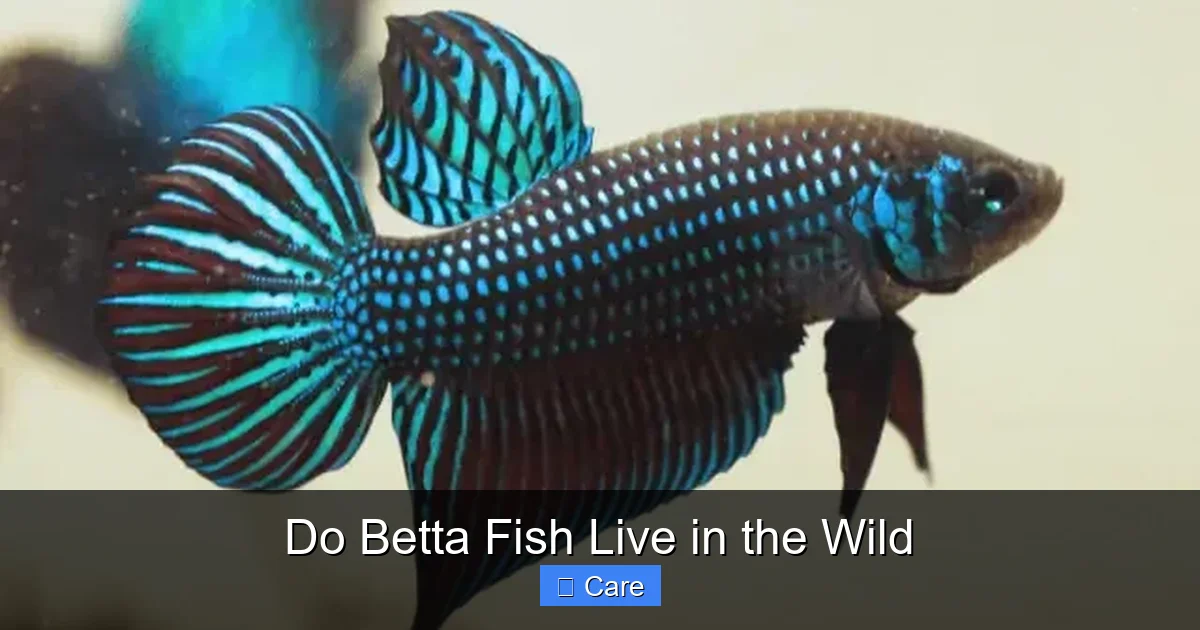
Wild bettas, scientifically known as Betta splendens, are native to the low‑land floodplains of Thailand, Cambodia, Laos, and Vietnam. They prefer warm climates where water temperatures stay between 75°F (24°C) and 86°F (30°C). If you want a deeper dive, check out our guide on where do betta fish live in the wild for a map of their native range.
Visual guide about Do Betta Fish Live in the Wild
Image source: japanesefightingfish.org
Types of water bodies
- Rice paddies: Shallow, man‑made fields that flood during the growing season. They offer plenty of surface area for bettas to gulp air.
- Slow‑moving streams: Often shaded by dense vegetation, these streams have low flow and high organic debris.
- Seasonal ponds & puddles: Temporary water bodies that appear after monsoon rains. Betta eggs can survive in the mud until the water returns.
2. What Makes Their Wild Habitat Unique?
Low oxygen, high temperature
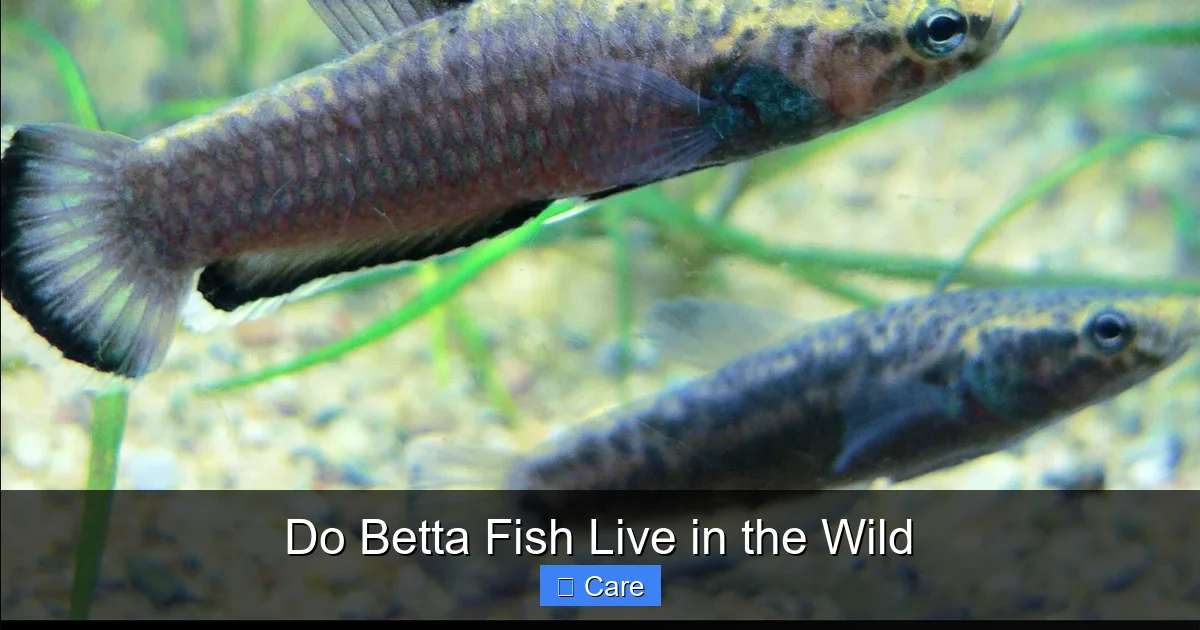
Most tropical waters are well‑oxygenated, but bettas thrive where oxygen is scarce. The key is their labyrinth organ, a set of tiny, finger‑like structures above the gills that extracts oxygen directly from air.
Visual guide about Do Betta Fish Live in the Wild
Image source: buildyouraquarium.com
Dense plant cover
Floating leaves, water hyacinths, and submerged grasses give bettas places to hide, rest, and build bubble nests. The dense vegetation also shelters them from predators like dragonfly larvae.
Variable water chemistry
In the wild, pH can swing between 6.0 and 8.0, and water hardness changes with the mineral content of the soil. Betta fish are hardy, but sudden spikes in ammonia or nitrite can be deadly.
3. Seasonal Life Cycle of Wild Betta
The rainy season boom
During monsoons, floodwaters connect isolated ponds, allowing bettas to disperse and find mates. Males build elaborate bubble nests on the water surface, attaching them to plant leaves.

Visual guide about Do Betta Fish Live in the Wild
Image source: bestfishkeeping.com
Dry season survival tricks
When water evaporates, bettas retreat into moist mud or damp leaf litter. Their labyrinth organ lets them breathe air, and their eggs remain viable in the mud for weeks.
Reproduction timing
Females lay 30‑100 eggs, which the male fertilizes and gathers into the nest. After 24‑48 hours the fry hatch and remain near the nest until they can swim freely.
4. Comparing Wild and Captive Betta Environments
Food differences
Wild bettas feast on mosquito larvae, small crustaceans, and tiny insects that fall onto the water surface. In captivity we provide pelleted foods, frozen daphnia, or live brine shrimp.
Space and enrichment
In nature a betta may have a territory of several square meters. In a home tank, a 5‑gallon (19 L) setup with plants and driftwood mimics that space well enough.
Temperature stability
Natural waters can fluctuate by a few degrees daily. A reliable heater keeps your pet betta comfortable, echoing the stable warmth of tropical wetlands.
5. Conservation Concerns and Responsible Keeping
Threats to wild populations
Habitat destruction from rice expansion, pesticide runoff, and urban development reduces the natural range of bettas. Over‑collection for the aquarium trade adds pressure.
How you can help
- Choose captive‑bred bettas from reputable breeders.
- Support habitat‑restoration projects in Southeast Asia.
- Educate fellow hobbyists about the importance of wild conservation.
Finding ethical sources
Many online stores label their fish as “wild‑caught” or “captive‑bred.” Look for the latter to ensure you’re not contributing to population decline.
6. Bringing a Touch of the Wild Into Your Tank
Tank setup tips
- Size: Minimum 5 gallons (19 L) for a single male; larger for community setups.
- Plants: Live plants like Java fern, Anubias, and floating duckweed create cover and surface area for bubble nests.
- Substrate: Soft sand or fine gravel mimics riverbeds and allows fry to sift for food.
- Water flow: Use a gentle sponge filter; strong currents stress bettas.
- Temperature: Keep at 78°F (25.5°C) ± 2°F.
Feeding like the wild
Offer a mix of high‑quality betta pellets, frozen or live bloodworms, and occasional daphnia. This variety mirrors their natural diet and keeps colors vibrant.
Encouraging natural behavior
Place a small piece of leaf or a piece of bark near the surface; males will often build bubble nests there, just as they do in rice paddies.
Conclusion: Respecting the Wild Roots of a Popular Pet
Answering do betta fish live in the wild reveals a fascinating story of adaptation, survival, and beauty. From the quiet rice fields of Thailand to the temporary puddles after a monsoon, wild bettas have mastered life in challenging environments. By understanding their natural habits, we can provide better care, support conservation, and enjoy these vibrant fish responsibly.
Frequently Asked Questions
Do betta fish live in the ocean?
No. Betta fish are freshwater species that inhabit shallow rivers, ponds, and rice fields. They cannot survive in salty ocean water.
Can bettas survive in small puddles?
Yes. In the wild, bettas often hide in temporary puddles during the dry season. Their labyrinth organ lets them breathe air, so low‑oxygen water isn’t a problem.
What is the natural diet of a wild betta?
Wild bettas eat mosquito larvae, tiny insects, small crustaceans, and zooplankton that fall onto the water surface.
Are wild bettas endangered?
Habitat loss and over‑collection have reduced some local populations, but the species is not currently listed as endangered. Conservation efforts focus on protecting wetlands.
How can I make my tank more like a betta’s natural habitat?
Use live plants, provide a gentle water flow, maintain warm temperatures, and add surface cover for bubble nests. Feeding a varied diet also helps.
Do male bettas build nests in the wild?
Yes. Male bettas construct bubble nests on the water surface, attaching them to leaves or other floating objects, just like they do in captivity.