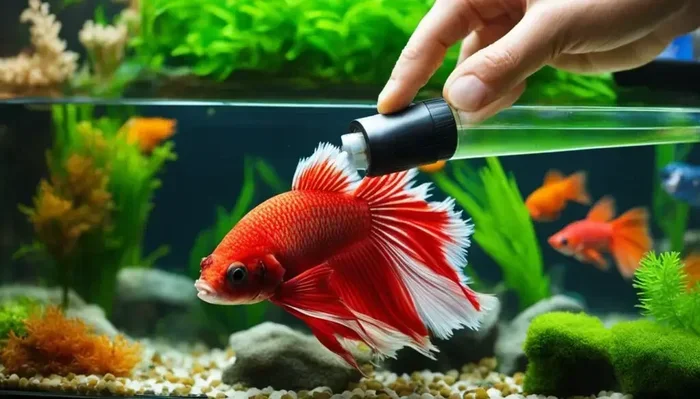
How to Move Betta Fish to New Bowl
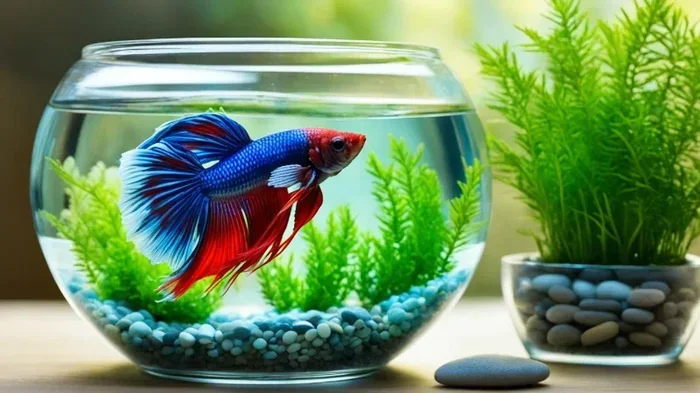
Moving your betta fish to a new bowl doesn’t have to be stressful—for you or your fish. This guide walks you through every step, from preparing the new bowl to safely transferring your betta. You’ll learn the best practices for how to move betta fish to new bowl without harming their health.
So you’ve decided to move your betta fish to a new bowl. Maybe the old one got too small, or perhaps you want to upgrade the setup. Either way, how to move betta fish to new bowl is a question many fish owners ask—and for good reason.
A bad move can stress your betta out. Stress leads to illness, poor color, and a shorter lifespan. But done right, the transition can be smooth and even exciting for both you and your fish. This guide gives you every detail you need to make the move safe and successful.
Let’s dive in. By the end, you’ll feel confident handling the entire process from start to finish.
Key Takeaways
- Prepare the new bowl first: Clean it, add conditioned water, and match the temperature before moving your betta.
- Acclimate your betta gradually: Float the bag or drip-transfer method helps your fish adjust to new water conditions.
- Avoid common mistakes: Don’t skip water conditioning, rush the process, or change too many things at once.
- Monitor your betta after the move: Watch for signs of stress and act quickly if something seems off.
- Maintain the new bowl regularly: Regular water changes and cleaning keep your betta healthy long-term.
- Use the right tools: A net, water conditioner, and thermometer make the move safer and easier.
📑 Table of Contents
- Why Moving Your Betta to a New Bowl Matters
- Step-by-Step: How to Move Betta Fish to New Bowl
- Common Mistakes to Avoid When Moving Your Betta
- Setting Up the New Bowl for Success
- How to Keep Your Betta Calm During the Move
- When to Move Your Betta: Timing Matters
- Comparing Move Methods: Which Is Best for Your Betta?
- Final Thoughts on Moving Your Betta to a New Bowl
Why Moving Your Betta to a New Bowl Matters
Betta fish are sensitive creatures. They respond strongly to changes in their environment. Water quality, temperature, and even the shape of their container can affect how they feel and behave. When you move betta fish to new bowl setups, you’re essentially giving them a fresh start. But that fresh start needs to be handled carefully.
A new bowl means new water parameters. It means different space and possibly new decorations. All of these changes can cause what experts call “transport stress.” The good news? You can minimize this stress a lot with the right approach.
Think of it like moving houses. You wouldn’t just throw your belongings into boxes without a plan. The same logic applies here. A little preparation goes a long way.
Step-by-Step: How to Move Betta Fish to New Bowl
Step 1: Prepare the New Bowl Ahead of Time
Before you even touch your betta, get the new bowl ready. This is the most important step in the whole process. A prepared bowl gives your fish a safe landing spot right away.
Start by cleaning the bowl thoroughly. Use warm water and a soft cloth. Never use soap or chemical cleaners. Residue from soap can be deadly to fish. If you need to remove algae or buildup, use a gentle scrub brush designed for aquariums.
Next, add water. Always use conditioned tap water or treated water. Water conditioner removes chlorine and chloramine, which are harmful to betta fish. Let the water sit at room temperature or use a heater to match the temperature of your current bowl.
Quick Tips for Bowl Preparation:
- Rinse the bowl with plain water only
- Add water conditioner before adding your fish
- Match the temperature to within 1-2 degrees
- Add a small plant or hiding spot for comfort
Step 2: Gather Your Supplies
You don’t need a lot of tools, but having the right ones makes the move much easier. Here’s what you’ll want on hand:
- A clean net for scooping your betta
- A small container or bag for transport
- Water conditioner
- A thermometer
- A clean bucket or cup
- Your new bowl, fully set up
Having everything ready before you start prevents last-minute scrambling. And scrambling is exactly what stresses your fish out.
Step 3: Catch and Transfer Your Betta
Now comes the actual move. Approach your betta calmly. Don’t tap on the glass or make sudden movements. Bettas can get scared easily, and a scared fish is a hard fish to catch.
Use a soft net to gently scoop your betta. Move slowly and let the fish come to you if possible. Once you have your betta in the net, transfer it into a small container filled with water from the current bowl. This keeps the water conditions familiar during the move.
Pro tip: If you’re moving your betta to a new tank setup, you can also use the drip-transfer method. This slowly introduces your fish to the new water by dripping it into the container over 20-30 minutes. It’s one of the gentlest ways to transfer a betta fish and highly recommended by experienced aquarists.
Step 4: Acclimate Your Betta to the New Bowl
Acclimation is the process of helping your betta adjust to the new water. Never just dump your fish straight into the new bowl. The sudden change in water chemistry can shock your betta’s system.
Here are two methods that work well:
Method A: The Float Method
Place the container with your betta into the new bowl. Let it float for 15-20 minutes. This equalizes the temperature between the two containers. After that, slowly add small amounts of new bowl water into the container over another 10 minutes. Then gently release your betta into the new bowl.
Method B: The Drip Method
This works best when the water parameters differ significantly. Use a tube or airline to drip water from the new bowl into your betta’s container at a slow rate—about 2-4 drops per second. After about 30 minutes, your betta will be adjusted and ready for the new environment.
Both methods work great. Choose based on your comfort level and how different the water conditions are.
Step 5: Monitor Your Betta After the Move
The move isn’t over once your betta is in the new bowl. The first 24-48 hours are critical. Watch your fish closely for any signs of stress or illness.
What to look for:
- Hiding in corners or refusing to move
- Loss of color or faded fins
- Rapid breathing or gasping at the surface
- Refusing food
- Clamped fins pressed close to the body
Some of these behaviors are normal for the first day or so. But if they persist beyond 48 hours, you may need to check the water quality or temperature. How to care for betta fish in bowl settings after a move means keeping a close eye on them during the adjustment period.
Common Mistakes to Avoid When Moving Your Betta
Even well-meaning fish owners make mistakes during the move process. Here are the most common ones—and how to avoid them.
Mistake 1: Skipping Water Conditioning
Tap water contains chemicals that are toxic to betta fish. Always treat the water before adding your fish. This is non-negotiable. A good water conditioner is one of the cheapest and most important investments you can make for your fish’s health.
Mistake 2: Moving Too Fast
Rushing the acclimation process is one of the biggest causes of post-move stress. Give your betta time to adjust. The whole process should take at least 30-45 minutes, sometimes longer.
Mistake 3: Changing Everything at Once
Don’t move your betta, change the water, rearrange all the decorations, and add new fish all on the same day. One change at a time. Your fish will thank you for it.
Mistake 4: Using a Dirty Bowl
A dirty new bowl introduces harmful bacteria and contaminants. Always clean the bowl before use. And if you’re reusing an old bowl, make sure it’s been properly rinsed and dried.
Mistake 5: Forgetting to Match the Temperature
Betta fish are tropical fish. They need warm water, typically between 76-82°F. A sudden temperature drop can cause shock. Use a thermometer and adjust accordingly.
Setting Up the New Bowl for Success
Once your betta is settled in, it’s time to think about the long-term setup. A well-designed bowl makes life better for your fish and easier for you as an owner.
Adding Plants and Decorations
Betta fish love places to hide and explore. Live plants are excellent because they help filter the water naturally. Silk plants work well too—just avoid anything sharp that could tear your betta’s delicate fins.
If you’re adding a plant, check out our guide on how to setup a betta fish bowl with a plant for detailed tips.
Maintaining Water Quality
Regular water changes are essential. In a bowl without a filter, you’ll need to change about 25-50% of the water every week. This keeps ammonia and nitrite levels in check.
For more details on keeping the water clean, read our article on how to clean your betta fish bowl.
Water Temperature and Parameters
Keep the water between 76-82°F for optimal health. Use a small heater if your room tends to run cool. Test the water parameters regularly with a simple aquarium test kit. You want ammonia and nitrite at zero, and nitrates below 20 ppm.
How to Keep Your Betta Calm During the Move
Stress is the hidden enemy when moving any fish. But you can take real steps to keep your betta calm throughout the process.
First, dim the lights during the move. Bettas feel safer in low-light conditions. Second, talk softly and move slowly around the bowl. Third, don’t overcrowd the new bowl with too many changes at once. Keep the setup simple for the first few days.
If you have other fish, never introduce them to the new bowl right away. How to introduce betta to new fish is a separate process that needs its own careful approach. Give your betta time to settle in first—at least a few days—before adding any tank mates.
Also, feed your betta lightly on move day. A full stomach can make a fish more sluggish and stressed during transport. Offer a small amount of food after your betta has settled in for a few hours.
Remember, patience is your best friend here. The move might feel stressful to you, but with a calm and steady approach, your betta will adapt much faster than you expect.
When to Move Your Betta: Timing Matters
Not all times are equally good for moving your betta. Choosing the right moment can make a huge difference in how smoothly the transition goes.
Avoid moving your betta during winter unless absolutely necessary. Cold temperatures add extra stress. If you need to move in winter, make sure the new bowl is fully heated and ready before you start.
Also avoid moving during feeding time or right after feeding. Wait at least 2-3 hours after a meal before attempting any move. A well-rested, slightly hungry betta handles transitions better than a full one.
If possible, plan the move for a weekend or a day when you can monitor your fish closely for the next 24-48 hours. This gives you time to respond quickly if anything goes wrong.
Comparing Move Methods: Which Is Best for Your Betta?
| Method | Best For | Time Required | Stress Level |
|---|---|---|---|
| Direct Net Transfer | Same-water setups | 5-10 minutes | Low |
| Float Method | Temperature adjustments needed | 25-35 minutes | Low |
| Drip Method | Different water parameters | 30-45 minutes | Very Low |
| Bag Transfer | Short-distance moves | 15-20 minutes | Medium |
For most home moves where you’re setting up a new bowl in the same room, the float method or direct net transfer works perfectly. The drip method shines when you’re dealing with noticeably different water conditions.
Final Thoughts on Moving Your Betta to a New Bowl
How to move betta fish to new bowl is really about preparation, patience, and observation. Get the new bowl ready before you start. Move your fish gently and give it time to adjust. Watch for signs of stress in the days that follow. And maintain good water quality from day one.
Your betta fish is a living creature that depends on you for its well-being. Every move is an opportunity to give it a better home. Handle it with care, and your betta will reward you with vibrant colors, active behavior, and a long, healthy life.
Take your time, follow the steps in this guide, and trust the process. You’ve got this—and so does your fish.
Frequently Asked Questions
How long does it take for a betta fish to adjust to a new bowl?
Most betta fish adjust within 24 to 48 hours. However, some individuals may take up to a week to fully settle in. During this time, keep the lights dim, avoid disturbing the bowl, and monitor your fish for any signs of stress. Patience is key to a successful transition.
Can I move my betta fish to a new bowl without a filter?
Yes, betta fish can live in bowls without filters, but you’ll need to do more frequent water changes—about 25-50% weekly. Without a filter, waste builds up faster, so maintaining clean water is even more important after a move. Consider adding a small sponge filter if you want easier maintenance.
Should I feed my betta on the day I move it?
It’s best to feed lightly or skip feeding on move day. A stressed fish may not digest food properly, and uneaten food can pollute the water. Wait until your betta has settled in for several hours, then offer a small amount of food. Resume normal feeding the next day if your fish is eating normally.
What water temperature is best for a betta in a new bowl?
The ideal temperature range for betta fish is 76-82°F (24-28°C). Use a small aquarium heater and a thermometer to maintain a stable temperature. Sudden temperature changes are one of the biggest causes of stress after a move, so aim to match the temperature as closely as possible.
Do I need to cycle the new bowl before adding my betta?
Ideally, yes. Cycling the bowl means establishing beneficial bacteria that break down harmful ammonia. However, if you’re moving your betta urgently, you can do a quick cycle by adding water conditioner and letting the bowl run for 24 hours. A full cycle takes 2-4 weeks but provides the healthiest environment long-term.
Can I move my betta fish to a new bowl by myself or do I need help?
You can absolutely do it yourself. Moving a betta is a simple process that one person can handle easily. Just make sure you have all your supplies ready beforehand—the new bowl, water conditioner, a net, and a transport container. The key is moving slowly and staying calm throughout the process.
=== CONCLUSION ===
Moving your betta fish to a new bowl doesn’t have to be a stressful experience for either of you. With the right preparation, gentle transfer methods, and careful monitoring, your betta can settle into its new home quickly and comfortably. Remember to prepare the bowl in advance, acclimate your fish properly, and avoid the common mistakes that cause unnecessary stress. Your betta deserves a smooth transition to its upgraded living space, and now you have all the knowledge to make that happen. Take it step by step, stay patient, and enjoy watching your fish thrive in its fresh new environment.