Can Bettas Get Along with Other Fish

Yes, bettas can get along with other fish, but choosing the right tank mates is critical. Peaceful, non-nippy species that avoid bright colors and long fins work best. Proper tank size, setup, and careful monitoring are essential for success.
[FEATURED IMAGE_PLACEHOLDER]
Key Takeaways
- Bettas are territorial: Male bettas especially can be aggressive toward fish that look like rivals, particularly those with bright colors or flowing fins.
- Peaceful bottom-dwellers work best: Corydoras catfish and loaches are excellent choices because they occupy a different area of the tank and ignore bettas.
- Small schooling fish can thrive: Harlequin rasboras, neon tetras, and ember tetras are fast enough to avoid conflict and peaceful enough not to trigger aggression.
- Avoid fin-nippers at all costs: Tiger barbs, some danios, and serpae tetras are notorious for nipping betta fins, which leads to stress and injury.
- Tank size matters enormously: A minimum of 10 gallons is recommended for a betta community tank, with 20 gallons being ideal for multiple species.
- Female bettas are slightly more social: While still territorial, female bettas are generally less aggressive than males and can sometimes live in groups called sororities.
- Always have a backup plan: Keep a separate tank or divider ready in case any fish shows signs of aggression or stress during the introduction period.
📑 Table of Contents
- Can Bettas Get Along With Other Fish? The Complete Guide
- Understanding Betta Temperament and Behavior
- The Best Tank Mates for Bettas
- Fish You Should Never Keep With Bettas
- Setting Up a Successful Betta Community Tank
- How to Introduce New Fish to Your Betta
- Female Bettas and Community Tanks
- Signs of Trouble and What to Do
- Final Thoughts on Keeping Bettas With Other Fish
Can Bettas Get Along With Other Fish? The Complete Guide
If you have ever stared at your gorgeous betta fish gliding through its tank and thought, “Does my betta need a friend?” you are not alone. This is one of the most common questions in the aquarium hobby. The short answer is yes, bettas can get along with other fish. But the longer answer comes with a lot of important details. Choosing the wrong tank mate can turn your peaceful aquarium into a war zone. Choosing the right one can create a beautiful, thriving community tank that you will love watching every single day.
Bettas, also known as Siamese fighting fish, have earned a reputation for being aggressive. And honestly, that reputation is not entirely undeserved. Male bettas were originally bred for fighting, which means they have strong territorial instincts. However, that does not mean your betta must live in isolation forever. With the right knowledge, proper planning, and a bit of patience, you can absolutely keep bettas with other fish species. Let us dive deep into everything you need to know about making this work.
Understanding why bettas behave the way they do is the first step. In the wild, bettas live in shallow, slow-moving waters across Southeast Asia. They establish territories and defend them fiercely, especially males. This instinct does not disappear just because your betta lives in a glass tank in your living room. When you introduce another fish, your betta sees it as either a threat, a rival, or a potential meal. Your job as a fish keeper is to choose tank mates that do not trigger any of those responses.
Understanding Betta Temperament and Behavior
Why Bettas Can Be Aggressive
Male bettas are naturally territorial. In the wild, they claim a small area and chase away any intruder. This behavior is hardwired into their DNA. When another fish enters their space, especially one with bright colors or long flowing fins, the betta perceives it as a rival male. This triggers an aggressive response. The betta will flare its gills, spread its fins, and attack if the intruder does not retreat.
Female bettas are generally less aggressive, but they can still be territorial. They are not as flashy in their displays, but they will defend their space when needed. Some female bettas are perfectly peaceful, while others have attitudes just as fierce as any male. Every betta has a unique personality, so there are no guarantees.
Reading Your Betta’s Body Language
Before you even think about adding tank mates, learn to read your betta’s body language. A relaxed betta swims freely, explores its environment, and shows interest in food. A stressed or aggressive betta will flare its gills, charge at the glass, or constantly patrol the tank. If your betta is already showing signs of high aggression, it may not be the best candidate for a community tank.
On the other hand, a calm, curious betta that ignores the occasional reflection in the glass is a much better candidate. Some bettas simply do not care about other fish as long as those fish stay out of their way. Knowing your individual betta’s temperament will guide your decisions.
The Best Tank Mates for Bettas
Peaceful Bottom-Dwellers
Bottom-dwelling fish are some of the best companions for bettas. They occupy the lower level of the tank while bettas prefer the middle and upper regions. This spatial separation reduces conflict significantly.
Corydoras catfish are arguably the number one recommended tank mate for bettas. These small, armored catfish are peaceful, active, and entertaining to watch. They come in many varieties, including bronze corydoras, panda corydoras, and albino corydoras. Keep them in groups of at least six, as they are social fish that feel safer in numbers. They spend their time scavenging the bottom for food and rarely interact with bettas at all.
Kuhli loaches are another fantastic choice. These eel-like fish are shy, peaceful, and mostly active at night. They love to hide in substrate and decorations, so they practically never cross paths with your betta. They do best in groups of three or more and add a unique look to any community tank.
Otocinclus catfish, often called “otos,” are tiny algae-eating fish that are completely harmless. They stick to the glass and decorations, minding their own business. They are a great cleanup crew addition and pose zero threat to your betta.
Small Schooling Fish
Small, peaceful schooling fish can work well with bettas if you choose the right species. The key is selecting fish that are fast enough to avoid a curious betta but not so hyperactive that they stress the betta out.
Harlequin rasboras are one of the best options. They are calm, beautiful, and stay in the middle-to-upper area of the tank. Their subdued coloration does not trigger betta aggression. Keep them in groups of six or more for best results.
Ember tetras are tiny, peaceful, and have a lovely orange coloration that is not too flashy. They are fast swimmers and tend to stay in a tight school, which makes them less likely to bother your betta. A group of eight to ten ember tetras in a 20-gallon tank with a betta is a stunning combination.
Neon tetras are a classic choice, but they come with a small caveat. Some bettas do fine with neons, while others see them as toys. Their bright blue and red stripe can sometimes trigger aggression. If you want to try neons, introduce them in a group of at least eight and watch carefully for the first few days.
Peaceful Mid-Level Swimmers
Glass catfish are unique, transparent fish that are very peaceful. They are shy and do best in groups of five or more. Their unusual appearance makes them a fascinating addition to a betta tank.
Chili rasboras are one of the smallest rasboras available. They are tiny, peaceful, and have a beautiful red coloration. Their small size means they do not intimidate bettas, and they are quick enough to avoid any confrontation.
Fish You Should Never Keep With Bettas
Aggressive and Fin-Nipping Species
Just as important as knowing what works is knowing what does not. Some fish are simply incompatible with bettas, no matter how large the tank is.
Tiger barbs are one of the worst tank mates for bettas. They are notorious fin-nippers and will relentlessly attack a betta’s beautiful flowing fins. This causes severe stress, injury, and potentially fatal infections. Avoid them completely.
Serpae tetras are another species to avoid. They have a reputation for nipping fins, especially in smaller groups. When kept in large schools of ten or more, they sometimes focus their aggression on each other rather than other fish, but the risk is simply not worth it.
Some danio species, particularly giant danios, are too fast and boisterous for bettas. Their hyperactive swimming style stresses bettas out. While zebra danios are sometimes suggested, they can also be nippy and are generally not recommended.
Other Betta Fish
Male bettas should never be kept together. This is a golden rule in the aquarium hobby. Two male bettas in the same tank will fight, often to the death. There is no exception to this rule.
Female bettas can sometimes live together in groups called “sororities,” but this is an advanced setup that requires a heavily planted tank of at least 20 gallons, five or more females, and careful monitoring. Even then, sororities can fail unexpectedly. For beginners, it is best to keep female bettas separate from each other.
If you are wondering can bettas live with other fish of the same species, the answer depends entirely on the sex and individual temperament. Always err on the side of caution.
Fish That Look Like Bettas
Avoid any fish that resembles a male betta. Guppies, especially males with their large, colorful tails, are frequently attacked by bettas. Bettas see them as rival males and will often chase and kill them. Endler’s livebearers are a slightly better option due to their smaller fins, but even they can be targeted.
Male guppies are one of the most commonly recommended tank mates online, but in practice, they are one of the worst choices. Their bright colors and flowing fins are practically a red flag to any male betta. If you want livebearers, stick with females, and even then, proceed with caution.
Setting Up a Successful Betta Community Tank
Choosing the Right Tank Size
Tank size is one of the most critical factors in a successful betta community setup. A 5-gallon tank is fine for a single betta, but it is not suitable for a community. You need at least 10 gallons for a betta with a few small tank mates, and 20 gallons is ideal for a more diverse community.
Larger tanks give each fish space to establish its own territory. When fish have room to spread out, aggression decreases dramatically. A 20-gallon long tank is particularly good because it provides more horizontal swimming space than a standard 20-gallon tall tank.
Creating Hiding Spots and Visual Barriers
A well-decorated tank is essential for a peaceful community. Use live plants, driftwood, rocks, and caves to create hiding spots and visual barriers. When fish can break the line of sight between each other, aggression drops significantly.
Live plants are the best option. They provide cover, improve water quality, and create a natural environment. Java fern, anubias, Amazon swords, and floating plants like frogbit are all excellent choices. Floating plants are particularly beneficial because bettas love to rest near the surface, and the roots provide cover for small fish below.
Driftwood and caves give shy fish places to retreat. Kuhli loaches, corydoras, and other bottom-dwellers especially appreciate having dark, enclosed spaces to hide during the day.
Water Parameters and Filtration
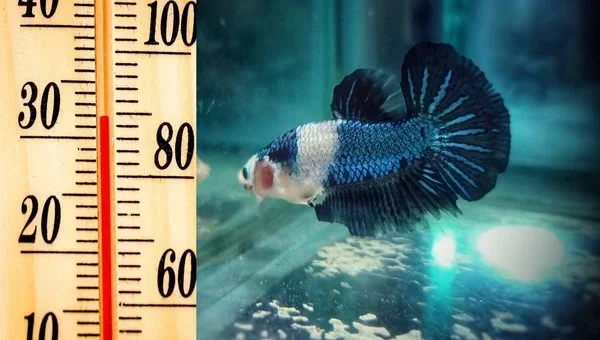
All fish in your community tank need to thrive in similar water conditions. Bettas prefer warm water between 76 and 82 degrees Fahrenheit with a pH of 6.5 to 7.5. Most of the recommended tank mates, such as corydoras and rasboras, are comfortable in these same conditions.
Use a gentle filter. Bettas come from slow-moving waters and do not appreciate strong currents. A sponge filter is ideal for betta tanks because it provides biological filtration without creating much water flow. If you use a hang-on-back filter, baffle the output with a sponge to reduce the current.
How to Introduce New Fish to Your Betta
The Quarantine Process
Before adding any new fish to your betta tank, quarantine them in a separate tank for at least two weeks. This allows you to observe them for signs of disease or parasites. Introducing a sick fish to your established tank can be devastating. A simple 5-gallon quarantine tank with a heater and sponge filter is all you need.
Acclimation and Introduction
When you are ready to introduce new fish, do it slowly. Float the bag in your tank for 15 to 20 minutes to equalize the temperature. Then gradually add small amounts of tank water to the bag over another 15 to 20 minutes. This process, called drip acclimation, helps the new fish adjust to your water chemistry.
Consider rearranging the tank decorations before adding new fish. This disrupts any established territories and gives all fish, including your betta, a fresh start. It reduces the likelihood that your betta will see the newcomers as invaders in its established territory.
Monitoring the First 48 Hours
The first two days after introduction are critical. Watch for signs of aggression from your betta, such as flaring, chasing, or nipping. Also watch the new fish for signs of stress, including hiding constantly, loss of color, or refusal to eat.
If aggression occurs, remove the new fish immediately and try again later. Sometimes it takes a few attempts before a betta accepts tank mates. Other times, a particular betta simply is not suited for community life, and that is okay. Not every betta wants roommates.
For more detailed information on specific species, check out our guide on what other fish can bettas live with. It covers dozens of species with compatibility ratings and care requirements.
Female Bettas and Community Tanks
Are Female Bettas More Peaceful?
Female bettas are generally less aggressive than males, but they are not pushovers. They can still be territorial and feisty. However, their aggression tends to be less intense and less sustained than what you would see from a male. This makes them somewhat better candidates for community tanks in many cases.
That said, female bettas vary widely in personality. Some are perfectly docile and ignore other fish entirely. Others are just as aggressive as any male. You need to assess each fish individually rather than making assumptions based on sex alone.
Female Betta Sororities
A sorority is a group of female bettas kept together. This is an advanced setup that requires specific conditions. You need at least five females to spread out aggression, a heavily planted 20-gallon or larger tank, and constant monitoring. Even under ideal conditions, sororities can fail. Females may establish a pecking order that involves chasing and occasional nipping.
If you are interested in trying a sorority, do extensive research before attempting it. Have a backup tank ready for any female that gets bullied. And never add a male betta to a sorority tank.
Our article on can you keep female bettas with other fish goes into much more detail about sorority setups and community options for female bettas.
Signs of Trouble and What to Do
Recognizing Aggression and Stress
Even with the best planning, things can go wrong. Knowing the signs of trouble helps you act quickly before anyone gets hurt.
Signs of betta aggression include flaring gills, charging at other fish, nipping fins, and constant chasing. A betta that will not stop harassing its tank mates needs to be separated immediately.
Signs of stress in tank mates include hiding constantly, loss of appetite, faded colors, torn fins, and gasping at the surface. Stressed fish are more susceptible to disease, so do not ignore these warning signs.
When to Separate Fish
If aggression persists for more than a day or two, separate the fish. Some initial posturing is normal as fish establish a hierarchy, but ongoing aggression is not acceptable. Use a tank divider or move the aggressor or the victim to a separate tank.
Having a backup tank is not optional when keeping a community tank with bettas. A simple 5-gallon tank with a heater and filter can serve as a hospital, quarantine, or temporary home for a fish that is not getting along.
Final Thoughts on Keeping Bettas With Other Fish
So, can bettas get along with other fish? Absolutely, yes. But success depends on choosing the right tank mates, providing a properly sized and decorated tank, and monitoring the situation carefully. There is no one-size-fits-all answer because every betta is different.
Start with peaceful bottom-dwellers like corydoras or small schooling fish like harlequin rasboras. Avoid aggressive species, fin-nippers, and fish that look like male bettas. Give everyone plenty of space and hiding spots. And always, always have a backup plan.
The reward of a successful betta community tank is worth the effort. Watching different species coexist peacefully in a beautifully planted aquarium is one of the most satisfying experiences in the fish-keeping hobby. Take your time, do your research, and enjoy the process. Your betta and its future tank mates will thank you for it.
If you want to explore even more options, our comprehensive guide on what fish do bettas get along with provides an extensive list of compatible species with detailed care information for each one.
Frequently Asked Questions
Can bettas live with neon tetras?
Neon tetras can live with bettas, but it depends on the individual betta’s personality. Some bettas ignore neons completely, while others may chase them. Keep neons in groups of at least eight and monitor the tank closely during the first few days.
How many tank mates can a betta have?
In a 10-gallon tank, a betta can have three to five small tank mates like ember tetras or a small group of corydoras. In a 20-gallon tank, you can keep a betta with a larger community, such as six corydoras and eight rasboras. Always avoid overcrowding.
Can two bettas live together?
Male bettas should never be kept together, as they will fight aggressively, often to the death. Female bettas can sometimes live in groups of five or more in a large, heavily planted tank, but this is an advanced setup that requires careful monitoring.
What is the best tank size for a betta community?
A minimum of 10 gallons is recommended for a betta with a few small tank mates. A 20-gallon long tank is ideal for a more diverse community, as it provides more horizontal swimming space and room for territories.
Do bettas get lonely without other fish?
No, bettas do not get lonely. They are not social fish and do not require companionship. A betta can live a perfectly happy and healthy life alone in a well-decorated tank with proper care and enrichment.
Can bettas live with guppies?
Male guppies are generally not recommended as betta tank mates because their bright colors and flowing fins can trigger aggression. Female guppies with smaller fins may work, but there is still a risk. It is safer to choose other species like rasboras or corydoras.