Where Can I Find Betta Fish Near Me
Finding a healthy Betta fish locally requires knowing where to look and what to inspect. Your best bets are specialized local fish stores (LFS) and reputable big-box retailers, not just any pet shop. Always assess the fish’s activity, fin condition, and store tank hygiene before purchasing to ensure you bring home a thriving companion.
Key Takeaways
- Local Fish Stores (LFS) are often the gold standard: They typically have better fish husbandry, knowledgeable staff, and healthier stock than large generic pet stores.
- Inspect the fish and its environment: Look for active swimming, fully extended fins, and clean, non-cloudy water in the display tank. Avoid fish with clamped fins, lethargy, or frayed edges.
- Big-box retailers can be hit-or-miss: Chains like PetSmart or PetCo are convenient but vary wildly by location. Focus on stores with dedicated aquarium staff and well-maintained Betta displays.
- Online breeders are a viable alternative: If local options are poor, shipping from a reputable, climate-controlled online breeder often yields healthier, hardier fish with better genetics.
- Never buy a Betta without a plan: You must have a cycled, heated tank (minimum 5 gallons) ready at home before bringing your fish back. Impulse buys lead to poor health and death.
- Ask about quarantine and sourcing: A good store or breeder will quarantine new fish and know their source. This is a critical sign of ethical operation and fish health management.
- Betta fish are individuals: Their personality and color vary. Take time to observe different fish to find one whose energy matches what you’re looking for.
📑 Table of Contents
- So, You Want a Betta Fish: Your Journey Starts Here
- The Local Hierarchy: Sorting Your “Near Me” Options
- The Critical Art of Betta Inspection: What to Look For (and Avoid)
- Preparing for Your New Family Member: The Home You Must Have First
- Common Pitfalls and How to Avoid Them
- The Final Choice: Bringing Your Betta Home
So, You Want a Betta Fish: Your Journey Starts Here
Ah, the Betta splendens. That glorious, flowing-caped warrior of the fish world. With personalities as big as their fins and colors that defy belief, it’s no wonder you’re wondering, “Where can I find Betta fish near me?” It’s the thrilling first step on a rewarding hobby journey. But let’s be honest: not all Betta sources are created equal. The difference between finding a vibrant, curious friend and a listless, sickly fish often comes down to where you look and how you look at what’s in front of you. This guide is your roadmap. We’ll navigate the local landscape, from the charming neighborhood fish store to the predictable aisles of big-box retailers, and even touch on the digital frontier. More importantly, we’ll arm you with the eagle-eyed inspection skills to pick a healthy Betta, because your dream pet’s vitality starts right there in that little cup or tank.
The Local Hierarchy: Sorting Your “Near Me” Options
When you type “Betta fish near me” into your phone or computer, you’ll get a mixed bag of results. Understanding the ecosystem of sellers is crucial. Think of it as a food chain of quality and care.

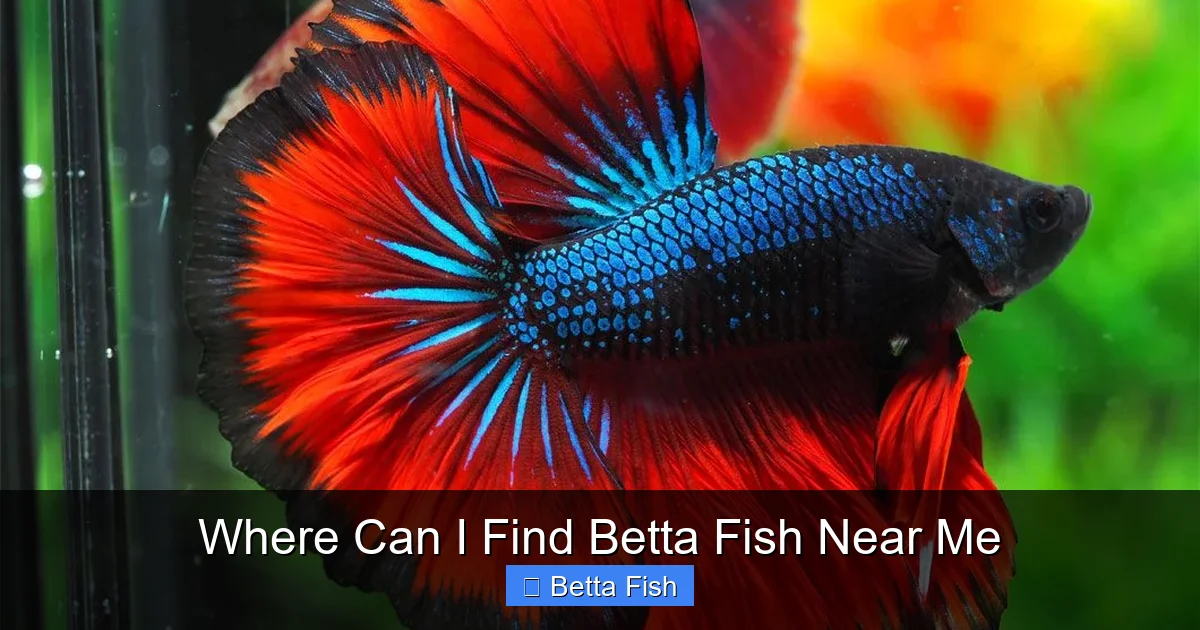
Visual guide about Where Can I Find Betta Fish Near Me
Image source: ekk4j69ebaa.exactdn.com
The Elite: Dedicated Local Fish Stores (LFS)
This is your prime target. A true Local Fish Store is a sanctuary for aquatic enthusiasts. These are not the pet stores that happen to sell fish; they are fish stores that also sell pet supplies. The staff are often seasoned aquarists, not just retail workers. They usually source their fish from reputable breeders or importers who prioritize health over sheer volume.
What to expect: Cleaner, more sophisticated filtration systems. Fish are often kept in species-specific or genus-specific systems, reducing stress and disease transmission. Betta males might be in larger, heated vats or partitioned tanks, not solitary cups. You can ask detailed questions about water parameters, diet, and history, and get a genuinely knowledgeable answer. The fish are typically more expensive, but you are paying for superior care, hardiness, and often better genetics (think more vibrant colors and longer, less brittle fins). Finding one requires a bit more effort—search for “local fish store,” “aquarium shop,” or “reef store” (as they often carry freshwater fish too) in your area.
The Mainstream: Big-Box Pet Retailers
We’re talking about the national chains. They are ubiquitous, and their Betta displays are often the first thing people see. Their model is volume and convenience. This doesn’t automatically mean disaster, but it demands extreme vigilance.
The reality check: Betta care in these stores varies wildly by individual location and manager dedication. The classic Betta cup—a small, cold, isolated vessel—is still tragically common. However, many chains have made significant improvements, moving Bettas into larger, communal “Betta barracks” with filtered, heated water. The key is to inspect the specific store, not the brand. Go in and look. Is the water clean? Are there any dead fish? Do the Bettas have any fin rot (ragged, blackened, or white-fuzzed edges)? Are they responsive to your movement at the glass? A single dirty cup in an otherwise pristine section is a massive red flag for overall store hygiene. Staff knowledge is also a lottery; you might get a passionate aquarist or someone who can’t tell a guppy from a goldfish.
The Niche: Specialty Breeders & Aquarium Clubs
This is the hidden gem layer. Serious Betta breeders often operate on a small scale, selling fish through local aquarium society meetings, Facebook groups, or dedicated breeder websites. They focus on specific varieties: half-moons, plakats, giant Bettas, or rare color morphs like koi or marble.
How to find them: Search for “Betta breeders [your state/city].” Look for clubs like the International Betta Congress (IBC) or local aquarium clubs. These breeders are usually fanatical about water quality, genetics, and fish health. Their Bettas are raised in optimal conditions from day one, making them incredibly robust. They often sell for a premium, but you are buying a masterpiece with a known pedigree and health history. Purchasing from them is usually by appointment or local meet-up, not a casual stroll-in.
The Critical Art of Betta Inspection: What to Look For (and Avoid)
You’ve found a place. Now, you’re standing in front of the display. This is the most important moment. Your visual exam is non-negotiable. Here’s your checklist, from head to tail.

Visual guide about Where Can I Find Betta Fish Near Me
Image source: thailandbettafish.com
The Eyes and Body: Windows to Health
Look for clear, bright, alert eyes. Sunken, cloudy, or bulging eyes (exophthalmia) are signs of severe infection or poor water quality. The body should be smooth, rounded, and muscular, not bony or emaciated. Look for any lumps, sores, white spots (ich), or fuzzy growths (fungus). A healthy Betta is a torpedo-shaped athlete, not a bloated or skeletal figure.
The Fins: The Canary in the Coal Mine
Betta fins are their glory, but they’re also the first thing to suffer. Inspect them meticulously. Are they fully extended and flowing? Clamped fins (held tightly against the body) are a universal sign of stress, illness, or terrible water. Look for rips, tears, or blackened, necrotic edges—this is fin rot. Check the base of the fins for any fuzz or cotton-like growth. The fins should move gracefully and independently. A Betta with constant, violent fin trembling is also signaling distress.
The Behavior: Energy and Curiosity
A healthy Betta is interactive. Tap lightly on the glass. Does it flare ( puff up its gills and spread its fins) in curiosity or aggression? That’s a good sign! Does it swim over to investigate? A lethargic Betta that floats listlessly at the top (unless it’s a known “floater” breed, which is rare) or sinks and rests on the bottom is sick or dying. Watch for normal swimming patterns—smooth, deliberate movements, not frantic darting or spiraling (which can indicate swim bladder disorder or neurological issues).
The Environment: The Tank Tells a Story
You are judging the store’s care by the water you see. Is it clear, or cloudy, yellow, or filled with debris? Are there excessive dead leaves or uneaten food rotting? Is the temperature appropriate (Bettas need 78-80°F/25.5-26.5°C)? A cup of cold, dirty water is a death sentence for a Betta. If the store keeps Bettas in communal tanks, observe the other fish. Are they healthy? One sick fish can infect an entire system. A clean, well-maintained display tank is the strongest indicator that the staff knows what they’re doing.
Preparing for Your New Family Member: The Home You Must Have First
Here is the non-negotiable, most important rule in the entire Betta world: You do NOT buy the fish first. You prepare the home first. A Betta in a cup is living in a toxic soup of its own waste. Acclimating it to a properly set-up tank is a shock to its system. If that tank isn’t cycled and ready, that shock will likely kill it. This is the #1 cause of “new fish death.”
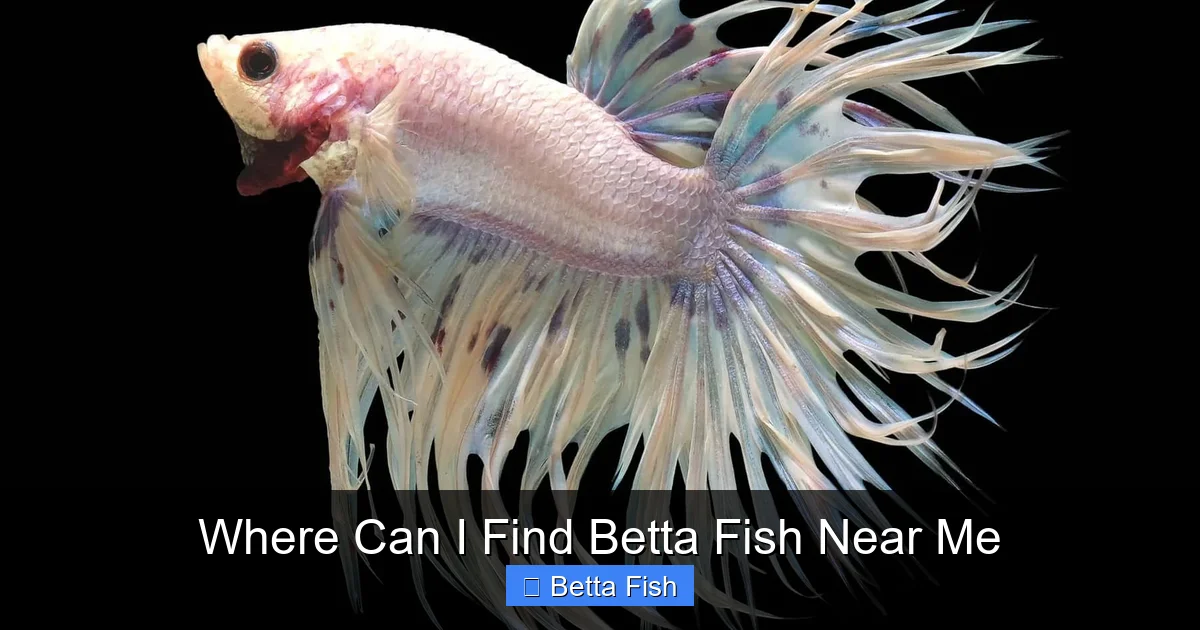
Visual guide about Where Can I Find Betta Fish Near Me
Image source: aquariadise.com
The Cycled Tank: Your #1 Priority
The “nitrogen cycle” is the biological process that converts toxic fish waste (ammonia) into less harmful nitrates. A “cycled tank” has established populations of beneficial bacteria to do this job. This takes 4-6 weeks of careful setup. You need a filter (a gentle sponge filter is perfect for Bettas), a heater, and a water tester kit. You must dose the tank with ammonia and wait until your tests show zero ammonia and zero nitrite, with some nitrate present. Only then is it safe for a Betta. Guessing or “just setting it up and waiting a few days” is a recipe for disaster.
Tank Size and Setup: Beyond the Bowl
Forget the myth of the Betta in a vase. They need space. The absolute minimum is a 5-gallon tank. This provides stable water parameters, room to explore, and space for a heater and filter. A 10-gallon is even better and offers more aquascaping opportunities. Use a secure lid—Bettas are infamous jumpers. Decor should be smooth; avoid sharp plastic plants that can tear delicate fins. Opt for live plants (like Java fern, Anubias) or soft silk plants. They provide hiding spots and reduce stress. A bare tank is a stressful tank.
Acclimation: The Gentle Introduction
When you bring your new Betta home, do not dump it in. Float the sealed cup in the tank for 15-20 minutes to equalize temperature. Then, slowly drip water from your tank into the cup over the next 30-60 minutes (the “drip acclimation” method). This slowly adjusts the fish to your tank’s water chemistry. Finally, use a net to gently transfer the Betta into the tank, discarding the cup water (it’s full of waste and possibly disease). Do not pour the store water in.
Common Pitfalls and How to Avoid Them
Even with the best intentions, new Betta owners stumble. Here are the classic mistakes and their fixes.
The “It’s Just a Fish” Mentality
Bettas are sentient beings with complex needs. They are not disposable decorations. This mindset leads to skipping the cycle, using tiny bowls, and ignoring signs of illness. Commit to learning and providing proper care. Your Betta will reward you with years of interactive companionship.
Ignoring Water Quality
Even in a cycled tank, water changes are vital. In a 5-gallon tank, perform a 25-50% water change weekly using dechlorinated water at the correct temperature. Never change 100% of the water at once, as it crashes the cycle and shocks the fish. A simple gravel vacuum makes this easy. Cloudy water after a change? You’re likely disturbing the gravel too much or changing parameters too drastically.
Tank Mate Misconceptions
The idea that a Betta will happily live with any other fish is a dangerous myth. While some Bettas can tolerate community tanks, many are aggressive. Never house a male Betta with another male Betta. Avoid fish with long, flowing fins (like guppies) that Bettas may see as rivals. Good, robust tank mates for a 10+ gallon tank include schooling fish like neon tetras or ember tetras (in a school of 6+), corydoras catfish, and Kuhli loaches. Always have a backup plan (a separate “hospital” or “quarantine” tank) if aggression occurs.
The Final Choice: Bringing Your Betta Home
You’ve found a reputable source, you’ve inspected a vibrant, active fish with perfect fins, and your cycled, heated 5-gallon tank is waiting with a lush, soft landscape. You’ve done everything right. Now, you make the final, joyful choice. Trust your inspection. If something feels off—the fish is just a bit too still, the water a bit too cloudy, the staff a bit too unsure—walk away. There will be another fish, another day. Patience is a virtue in this hobby. The right Betta for you is out there, in a clean tank, waiting to flare at its reflection and eventually, at you, recognizing your face as the bringer of food and the source of all good things. Your journey to find “where can I find Betta fish near me” ends not with a transaction, but with the beginning of a beautiful, finned friendship.
Frequently Asked Questions
Should I buy a Betta fish online or from a local store?
For beginners, a high-quality local fish store (LFS) is ideal because you can inspect the fish and get immediate advice. However, if local options are poor, reputable online breeders often ship healthier, better-conditioned Bettas due to controlled environments and direct sourcing. Ensure the online seller has a live-arrival guarantee and ships in climate-controlled packaging.
What is the single biggest mistake new Betta owners make?
Buying the fish before having a fully cycled, heated tank ready. The nitrogen cycle takes 4-6 weeks to establish beneficial bacteria. Adding a Betta to an uncycled tank exposes it to lethal ammonia spikes, which is the most common cause of death in new Bettas. Always set up and cycle the tank first.
Can I keep a Betta fish with other fish?
It depends entirely on your Betta’s personality and the tank size. A male Betta should never be housed with another male. In a spacious, well-planted 10+ gallon tank, some Bettas can coexist with peaceful, fast-moving schooling fish like neon tetras or bottom-dwellers like corydoras. Always have a separate “quarantine” tank ready in case aggression occurs.
How can I tell if a Betta in a store is healthy?
Look for: 1) Active swimming and curiosity (flaring at your finger), 2) Fully extended, undamaged fins with no black edges or fuzz, 3) Clear, bright eyes and a smooth, muscular body, 4) Clean, clear water in its container/tank. Avoid any fish that is lethargic, has clamped fins, visible sores, or is in dirty water.
What size tank does a Betta really need?
A 5-gallon tank is the absolute minimum recommended. This provides enough space for stable water parameters, heating, and filtration, and allows the Betta to exhibit natural behaviors. A 10-gallon or larger is significantly better and offers more stability and room for compatible tank mates if desired. Never keep a Betta in a small vase or bowl.
Do I need a filter and heater for my Betta?
Yes, absolutely. Bettas are tropical fish from warm, stagnant waters in Thailand, but that does not mean they thrive in cold, dirty water. A gentle filter (like a sponge filter) is essential to cycle the tank and remove waste. A reliable aquarium heater is non-negotiable to maintain a stable temperature between 78-80°F (25.5-26.5°C). Both are critical for long-term health.