Where Can I Buy Betta Fish Food
Finding the right betta fish food is crucial for your pet’s health and vibrant colors. You can purchase quality food from local pet stores, big-box retailers, and numerous online marketplaces. Prioritize foods high in animal protein and avoid fillers like wheat and soy. Understanding the different types—pellets, flakes, frozen, and live—helps you choose the best diet. Always feed sparingly to prevent water quality issues and obesity.
So, you’ve brought home a stunning betta fish with flowing fins and a captivating personality. You’ve set up the perfect tank with a heater, filter, and beautiful plants. But there’s one critical piece of the puzzle that can make all the difference in your betta’s health, color, and vitality: its food. The simple act of choosing and buying the right betta fish food is one of the most direct ways you can care for your aquatic companion. But with shelves lined with options and countless websites offering everything from basic flakes to gourmet frozen treats, the question “where can I buy betta fish food?” can feel overwhelming. Fear not. This comprehensive guide will navigate you through every purchasing option, decode food labels, and equip you with the knowledge to become a confident, savvy betta nutritionist.
We’re going beyond just pointing to a store. We’ll explore the why behind betta nutrition, the pros and cons of each buying channel, and the exact characteristics of a great betta food. Whether you’re a new betta owner or looking to upgrade your pet’s diet, this article is your definitive roadmap. Let’s dive in and ensure your Siamese fighting fish thrives, not just survives.
Key Takeaways
- Bettas are obligate carnivores; their food must be protein-rich with animal-based ingredients like fish meal, shrimp, or krill as the first few components.
- You have multiple purchasing avenues; from local pet shops for immediate needs to online stores for vast selection, subscription deals, and specialty brands.
- Food type matters; high-quality sinking pellets are the staple, with frozen or live foods like daphnia or brine shrimp serving as valuable supplements.
- Read labels critically; avoid foods with excessive plant fillers (wheat, corn, soy), artificial colors, and preservatives like BHA/BHT.
- Proper feeding is as important as food choice; overfeeding is the #1 cause of poor water quality and health problems. Feed only what your betta can consume in 2-3 minutes, once or twice daily.
- Storage impacts nutrition; keep food in a cool, dry, dark place. Freeze live or frozen foods promptly and discard any pellets that sit in water for more than a few minutes.
📑 Table of Contents
Understanding the Betta: Why Nutrition is Non-Negotiable
Before we talk about where to buy, we must understand what to buy. The betta fish, or Betta splendens, is a wild carnivore native to the shallow rice paddies and streams of Southeast Asia. In its natural habitat, it eats a protein-heavy diet of insects, insect larvae, zooplankton, and small crustaceans. This fundamental biology does not change in captivity. Your betta’s digestive system is short and straight, designed to process meat, not plant matter. Feeding it a vegetarian or plant-based diet is like feeding a lion a salad—it will survive, but it will not thrive.
The Consequences of a Poor Diet
A subpar diet manifests in several clear ways. The most obvious is faded coloration. Bettas are famous for their brilliant reds, blues, and purples, but these colors are directly influenced by pigments like astaxanthin and carotenoids found in their natural prey. A deficient diet leads to dull, muted scales. Fin rot, a common bacterial infection, often takes hold when a fish is stressed by poor nutrition. Constipation and swim bladder disorder are also frequent, caused by overfeeding or foods packed with indigestible fillers. You might also see lethargy, a refusal to eat, and a generally poor quality of life. Investing in high-quality food is an investment in your betta’s long-term health and your long-term enjoyment of its beauty.
Where to Buy: Your Complete Retail Landscape
Now, to the heart of your question. You have more options than ever before to source betta fish food. Each has its unique advantages and considerations. Let’s map them out.

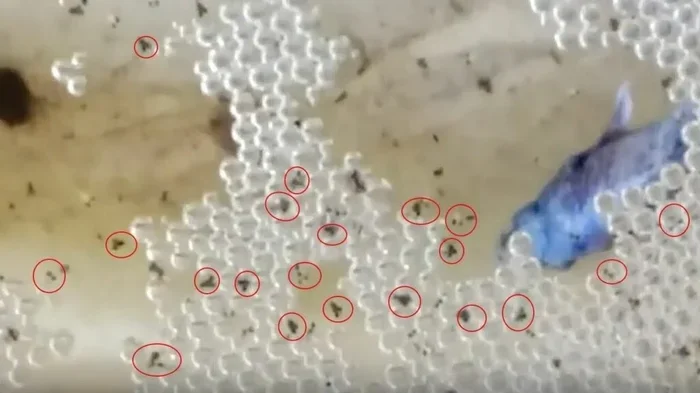
Visual guide about Where Can I Buy Betta Fish Food
Image source: bettasource.com
Local Pet Stores & Specialty Aquarium Shops
This is the traditional starting point for most pet owners. A dedicated local fish store (LFS) or a large chain like PetSmart or PetCo offers immediacy and the ability to speak with a knowledgeable employee.
- Pros: Instant gratification. You can grab food on your way home. Staff may offer tailored advice. You can physically inspect packaging for dents, expiration dates, and pellet size. Some high-end brands are exclusive to local shops.
- Cons: Selection is often limited to a few mainstream brands (e.g., Tetra, Aqueon, API). Prices can be higher due to retail markup. Stock of specific or premium foods (like frozen bloodworms) can be inconsistent. Staff knowledge varies widely.
Tip: Build a relationship with a reputable LFS. The staff there usually have genuine aquarium experience and can be an invaluable resource.
Big-Box Retailers & General Stores
Stores like Walmart, Target, and even some grocery stores have pet sections. You’ll find basic betta foods here, often in small, inexpensive containers.
- Pros: Extreme convenience and low cost. Good for a temporary food source or if you’re in a pinch.
- Cons: The quality is almost universally the lowest on the market. These foods are often loaded with fillers, artificial colors, and preservatives to keep costs down. They are rarely species-specific and are formulated for a generic “tropical fish” diet, which is inappropriate for a strict carnivore like the betta.
Ver: We strongly advise against making these your primary food source. Think of them as emergency rations, not a staple diet.
The Online Marketplace: Amazon, Chewy, and Beyond
This is where the real power and variety lie for the modern betta keeper. Online retailers have revolutionized pet food shopping.
- Pros: Unmatched selection. You can find every brand imaginable, from budget to ultra-premium (Hikari, New Life Spectrum, Fluval, Omega One). User reviews provide real-world feedback. Subscription services (especially on Chewy) ensure you never run out and often offer discounts. Price comparison is easy. You can buy in bulk, saving money long-term.
- Cons: Shipping delays or costs. You must plan ahead. You can’t inspect the product before it arrives (though reputable sellers have excellent return policies). Be mindful of “third-party sellers” on platforms like Amazon; always buy directly from the brand or a highly-rated seller to avoid counterfeit or expired products.
Tip: For daily staples like pellets, use subscription services. For occasional treats like frozen foods, order as needed. Always check the “sold by” and “shipped from” information.
Direct from the Manufacturer & Breeder Shops
Many premium food brands sell directly through their own websites. Furthermore, betta breeders often have preferred brands and may sell small quantities or specific foods.
- Pros: Guaranteed authenticity. Often the freshest product, as it comes straight from the source. Some brands offer exclusive formulas or sizes only available on their site. You support small businesses and breeders directly.
- Cons: May not have the same shipping speed or return ease as large platforms. Selection is limited to that one brand.
Example: Hikari, a top-tier Japanese brand, sells through its site and authorized dealers. A dedicated betta breeder might sell you a specific strain of live microworms they culture themselves.
Decoding the Aisle: A Guide to Betta Food Types
Knowing where to buy is only half the battle. Knowing what to buy is equally important. Betta food comes in several forms, each with a specific role in your fish’s diet.

Visual guide about Where Can I Buy Betta Fish Food
Image source: hepper.com
The Staple: High-Quality Sinking Pellets
This should be the foundation of your betta’s diet—90% of what it eats. Look for pellets that sink slowly or are designed to stay at the water’s surface (betta-specific). They are nutritionally complete, formulated to provide balanced protein, fats, vitamins, and minerals.
- What to look for: Small pellet size (betta mouths are tiny). High protein content (40%+ is ideal for adults, 45%+ for growing fry). Animal protein as the first 3-5 ingredients.
- Brands to consider: New Life Spectrum Betta Formula, Hikari Betta Bio-Gold, Fluval Bug Bites (for tropical fish, but excellent protein source), Omega One Betta Buffet.
- Feeding tip: Soak pellets for a minute in tank water before feeding to prevent digestive issues and reduce the risk of them swelling inside the betta.
The Supplement: Frozen & Live Foods
These are your “treats” and essential nutritional boosts. They mimic a betta’s natural prey and are packed with enzymes and nutrients that can be diminished in processed pellets.
- Frozen Foods: Brine shrimp, bloodworms, daphnia, mysis shrimp. Convenient, long shelf-life in the freezer, and highly nutritious. Thaw a small cube in tank water before feeding.
- Live Foods: Microworms, vinegar eels, daphnia cultures. The ultimate in stimulation and nutrition. However, they carry a risk of introducing pathogens to your tank and require culturing effort.
- How to use: Offer frozen or live foods 1-2 times per week as a supplement to pellets. This provides dietary variety and helps with digestion (daphnia acts as a natural laxative).
The Occasional Treat: Freeze-Dried & Flakes
These are less ideal than pellets but can have their place.
- Freeze-Dried: Like frozen but dehydrated. They float and can be messy. Always pre-soak to rehydrate and prevent swim bladder issues. Good for occasional treats.
- Flakes: Generally poor for bettas. Most are plant-based, messy, and dissolve quickly, fouling the water. If you must use flakes, choose a high-protein “betta” or “fry” formula and crush them finely.
What to Look For (and Avoid) on the Label
Armed with the knowledge of food types, you must become a label detective. The ingredient list tells the entire story of a food’s quality.

Visual guide about Where Can I Buy Betta Fish Food
Image source: my-betta-fish.com
The Hallmarks of a Premium Food
Turn the package over and read the ingredients. They are listed in order of weight.
- First Ingredient is a Named Animal Protein: “Whole Salmon,” “Krill Meal,” “Shrimp Meal,” “Sardine Meal,” “Brine Shrimp.” This is non-negotiable for a staple.
- Minimal Plant Fillers: Small amounts of spirulina or kelp are fine for fiber and vitamins. But if you see “Wheat Flour,” “Corn Gluten Meal,” “Soybean Meal,” or “Brewer’s Yeast” in the top five, put the package back. These are cheap fillers with little nutritional value for a carnivore.
- Whole Foods vs. Meals: “Whole Shrimp” is better than “Shrimp Meal,” but both are acceptable. “Fish Meal” is a concentrated protein source and is fine if it’s from a named fish (e.g., “Salmon Meal”). Avoid ambiguous “Fish By-Product Meal.”
- Natural Pigments: Look for ingredients that enhance color: krill, shrimp, marigold extract, beta-carotene.
- Clear Additives: Vitamins and minerals should be listed as chelated forms (e.g., Zinc Methionine) for better absorption.
Red Flags to Avoid
- Artificial Colors: “Artificial Color,” “FD&C Red No. 40,” etc. These are for your eyes, not your fish’s health.
- Preservatives: Avoid BHA, BHT, and Ethoxyquin. Look for natural preservatives like mixed tocopherols (Vitamin E) or ascorbic acid (Vitamin C).
- “For All Tropical Fish”: This is a major warning sign. A one-size-fits-all formula cannot meet the specific high-protein, low-fiber needs of a betta.
- Excessive Moisture: In frozen foods, this is normal. In dry pellets, a very high moisture content can indicate poor processing or spoilage.
Feeding Best Practices: The Final Piece of the Puzzle
You’ve bought the perfect food. Now, you must use it correctly. Improper feeding can ruin even the best diet.
The Golden Rule: Less is More
Bettas have stomachs the size of their eye. Overfeeding is the single most common mistake. It leads to constipation, swim bladder disorder, and pollutes the water with uneaten food, causing toxic ammonia spikes. A good rule: feed an amount your betta can completely consume in 2-3 minutes. For most adults, this is 2-3 small pellets, once or twice a day. Skip a day once a week to give its digestive system a rest. When in doubt, underfeed.
Soaking & Preparation
Always pre-soak dry pellets in a small cup of tank water for 60-90 seconds. This does two things: it prevents the pellet from absorbing water and expanding inside your betta’s gut (causing constipation), and it softens it, making it easier to digest. For freeze-dried foods, soak for 5-10 minutes.
Water Quality is Paramount
No food discussion is complete without stressing water quality. A cycled filter is essential. Perform weekly water changes of 25-50%. Remove any uneaten food after feeding with a net or siphon. Your betta’s health is a direct reflection of its water. The best food in the world won’t help if the water is toxic.
Conclusion: Your Betta’s Path to Vibrant Health
The question “where can I buy betta fish food?” opens the door to becoming a proactive, informed caretaker. The answer is: you have incredible power and choice. Prioritize local specialty shops for expert advice and immediate needs, and leverage online retailers for the best selection, value, and convenience with premium brands. Remember, your goal is to mimic a wild betta’s carnivorous diet with high-protein, animal-based sinking pellets as the cornerstone, supplemented with frozen or live foods for variety and enrichment.
Become a label reader. Reject foods with fillers and artificial junk. Feed tiny portions of pre-soaked pellets once or twice daily. By combining strategic purchasing with intelligent feeding, you are directly fueling your betta’s brilliant colors, active personality, and long, healthy life. You’re not just buying fish food; you’re investing in the daily joy and vibrancy of your underwater companion. Now, go forth and shop wisely!
Frequently Asked Questions
Can I feed my betta tropical fish flakes?
No, tropical fish flakes are generally unsuitable for bettas. They are typically plant-based, messy, and dissolve quickly, fouling the water. Bettas require a high-protein, meat-based diet. Use flakes only in an emergency, and choose a crushed high-protein betta or fry formula if you must.
How often should I feed my betta fish?
Feed your adult betta once or twice daily, providing only what it can eat in 2-3 minutes. A good starting point is 2-3 small pellets per feeding. It’s beneficial to implement a “fast day” once a week by skipping a feeding to aid digestion.
Is frozen or live food better than pellets?
Neither is “better” than the other; they serve different roles. High-quality sinking pellets should be the daily staple (90% of the diet). Frozen and live foods are excellent supplements 1-2 times per week. They provide variety, mental stimulation, and nutrients that can be lacking in processed pellets.
What are the most important ingredients to look for in betta food?
The first three ingredients should be named animal proteins like “Whole Shrimp,” “Krill Meal,” “Sardine Meal,” or “Salmon.” Avoid foods where the top ingredients are wheat, corn, soy, or generic “fish meal.” Look for natural color enhancers like krill, shrimp, or marigold extract.
Can I make homemade betta food?
While possible, it is very difficult to create a nutritionally complete homemade diet that meets all of a betta’s vitamin and mineral requirements. A homemade diet often leads to deficiencies. It is far safer and more reliable to use a high-quality commercial pellet as the staple and supplement with safe, clean frozen or live foods.
How should I store my betta food to keep it fresh?
Store dry pellets and flakes in a cool, dry, dark place with the container tightly sealed. Do not store above the aquarium due to humidity. Freeze any opened tubes of frozen food promptly. Discard any pellets that have been sitting in tank water for more than 5 minutes. Most dry foods are best used within 6 months of opening for maximum nutritional value.