Can Bettas Eat Normal Fish Food
Can bettas eat normal fish food? The short answer is yes, but it’s not ideal. While bettas can physically consume standard tropical flakes or pellets, these foods often lack the high protein content bettas need to thrive. Feeding your betta the wrong food long-term can lead to malnutrition, digestive issues, and a shorter lifespan. Understanding what makes a proper betta diet is one of the most important things you can do as a betta owner.
Key Takeaways
- Bettas are carnivores: They require a high-protein diet, ideally 40% or more protein, which most standard tropical fish foods don’t provide.
- Normal fish food won’t kill them immediately: Bettas can eat regular tropical flakes or pellets in a pinch, but it shouldn’t be their primary diet.
- Protein content matters most: Look for foods where the first ingredients are whole proteins like fish meal, shrimp, or krill rather than fillers like wheat or corn.
- Goldfish food is a poor choice: Goldfish food is designed for herbivores and lacks the protein bettas need. Learn more about why goldfish food isn’t suitable for bettas.
- Variety is key to health: A mix of high-quality betta pellets, frozen foods, and occasional live food keeps your betta healthy and engaged.
- Overfeeding is a real danger: Bettas have tiny stomachs, roughly the size of their eye, so portion control matters regardless of the food type.
- Specialized betta food is affordable: Quality betta-specific pellets cost only a few dollars more than generic fish food and make a significant difference in your fish’s health.
📑 Table of Contents
- Can Bettas Eat Normal Fish Food? What Every Owner Needs to Know
- Understanding the Betta Fish Diet in the Wild
- What Exactly Is “Normal” Fish Food?
- The Nutritional Requirements of Betta Fish
- Can Bettas Eat Normal Fish Food in an Emergency?
- Choosing the Best Food for Your Betta
- Common Feeding Mistakes to Avoid
- Special Considerations for Different Situations
- Frequently Asked Questions About Betta Nutrition
- Final Thoughts: Is Normal Fish Food Good Enough?
Can Bettas Eat Normal Fish Food? What Every Owner Needs to Know
You just brought home a gorgeous betta fish. You set up the tank, you’re excited, and then it hits you — you don’t have betta food. You look at the tropical flakes sitting on your shelf from your old community tank and wonder, “Can my betta eat this?” It’s one of the most common questions new betta owners ask, and honestly, it’s a great question to ask.
The answer isn’t a simple yes or no. Technically, bettas can eat normal fish food. They’ll nibble on it, they’ll swallow it, and they won’t drop dead from a single feeding. But here’s the thing — just because they can doesn’t mean they should. Feeding your betta the wrong food over weeks and months can quietly damage their health in ways you might not notice until it’s too late. Let’s break down everything you need to know about betta nutrition and whether normal fish food makes the cut.
Understanding the Betta Fish Diet in the Wild
What Bettas Eat in Nature
To understand what bettas should eat in your tank, it helps to know what they eat in the wild. Betta splendens are native to the shallow rice paddies, marshes, and slow-moving streams of Southeast Asia — primarily Thailand, Cambodia, and Vietnam. In these environments, they’re opportunistic predators with a very specific diet.
Wild bettas feast on insect larvae (especially mosquito larvae), small crustaceans, zooplankton, and occasionally tiny worms. They’re surface feeders, meaning they grab food from the top of the water column. Every single item on that menu is protein-rich. There’s no plant matter, no algae, and no grain-based filler in a wild betta’s diet. They are, without question, carnivores.
This is the single most important fact to remember when choosing food for your betta. Their digestive systems evolved to process animal protein efficiently. They simply aren’t built to handle large amounts of carbohydrates, plant matter, or fillers that are common in many standard tropical fish foods.
How Their Digestive System Works
Bettas have short digestive tracts — another hallmark of carnivorous animals. Meat and protein move through their system relatively quickly and get absorbed efficiently. Plant-based ingredients and complex carbohydrates, on the other hand, are much harder for them to break down. When a betta eats food that’s heavy in fillers, several things can happen:
- Constipation: This is one of the most common health problems in pet bettas, and poor diet is a leading cause.
- Bloat and swim bladder issues: Undigested food can cause gas buildup and pressure on the swim bladder.
- Reduced nutrient absorption: Even if the food contains some vitamins and minerals, a betta’s body may not extract them efficiently from plant-heavy formulas.
- Shortened lifespan: Chronic malnutrition slowly weakens the immune system and organs over time.
Understanding this basic biology makes it much clearer why the type of food you choose matters so much.
What Exactly Is “Normal” Fish Food?
Tropical Flakes and Community Fish Food
When most people say “normal fish food,” they’re referring to standard tropical fish flakes or pellets designed for community tanks. These are the most widely sold fish foods in pet stores, and they’re formulated to be a one-size-fits-all option for a wide variety of freshwater fish.
Common brands include TetraMin, API Tropical Flakes, and Aqueon Tropical Flakes. These foods typically contain a mix of fish meal, wheat germ, soybean meal, yeast, and various vitamins. The protein content usually falls between 35% and 42%, depending on the brand and formula. Some of these are decent quality, while others are loaded with cheap fillers.
The problem is that “normal” tropical food is designed to meet the average needs of many species — tetras, guppies, mollies, platies, and others. These fish have varying dietary needs, and the food is a compromise. For a betta, that compromise often means too little protein and too many carbohydrates.
Goldfish Food and Other Specialty Foods
Some betta owners wonder if goldfish food is an option. The answer is a firm no. Goldfish are omnivores with a strong herbivorous leaning, and their food reflects that. Goldfish flakes and pellets are typically lower in protein (around 30-35%) and higher in plant-based ingredients. Feeding goldfish food to a betta is one of the worst dietary choices you can make. If you want to dive deeper into this topic, check out our detailed guide on why goldfish food is bad for bettas.
The same logic applies to algae wafers, herbivore pellets, and other foods designed for plant-eating fish. These are completely inappropriate for bettas.
What About Tetra Food?
Tetra is one of the most recognized names in fish food, and many betta owners specifically ask about Tetra products. Standard Tetra flakes (like TetraMin) are designed for tropical community fish. They’re not terrible for bettas in an emergency, but they’re not optimal either. The protein content is adequate but not ideal, and the ingredient list often includes more fillers than a true carnivore needs.
Tetra does make a betta-specific product (Tetra BettaMin), which is formulated with higher protein levels and smaller pellets suited to a betta’s mouth. If you’re going to use Tetra, go for the betta version rather than the standard tropical formula.
The Nutritional Requirements of Betta Fish
Protein: The Most Critical Nutrient
Protein is the cornerstone of a betta’s diet. In the wild, protein makes up the vast majority of what they eat. In captivity, you want to aim for a food that contains at least 40% protein, and ideally closer to 45-50% for optimal health.
But not all protein is created equal. The source of protein matters just as much as the amount. Look for foods where the first few ingredients are whole animal proteins:
- Whole fish (salmon, herring, cod)
- Shrimp or krill
- Fish meal (high-quality, not generic)
- Bloodworms
- Insect meal
Avoid foods where the first ingredients are wheat, corn, soy, or other plant-based fillers. These are cheap protein boosters that don’t provide the amino acids bettas need.
Fats, Vitamins, and Minerals
While protein gets the most attention, betta food should also contain healthy fats (around 5-10%), vitamins (especially A, D, and E), and minerals. Quality betta foods are fortified with these nutrients. Standard tropical fish food usually includes vitamins too, but the ratios may not be optimized for a carnivorous species.
One often-overlooked nutrient is fiber. Bettas need a small amount of fiber for digestive health, but too much (from plant-heavy foods) causes the constipation issues mentioned earlier. A good betta food strikes the right balance.
Can Bettas Eat Normal Fish Food in an Emergency?
Short-Term Feeding Solutions
Let’s be real — sometimes you run out of betta food on a Friday night, and the pet store is closed. In these situations, feeding your betta a small amount of standard tropical flakes is perfectly fine for a day or two. Your betta will survive, and a brief stint on suboptimal food won’t cause lasting harm.
Here are some better emergency options if you have them on hand:
- Freeze-dried bloodworms or brine shrimp: These are often sold as treats but can serve as a temporary staple.
- Small pieces of cooked, unseasoned shrimp: A tiny piece of plain shrimp from your kitchen is actually closer to a betta’s natural diet than most commercial fish foods.
- Hard-boiled egg yolk: A tiny crumb of egg yolk is high in protein and fat. Use sparingly, as it can cloud the water quickly.
- Daphnia: If you have frozen daphnia, this is an excellent emergency food that also aids digestion.
The key word here is temporary. These stopgap measures should never become your betta’s regular diet.
What Happens If You Feed Normal Food Long-Term?
If you feed your betta standard tropical fish food as their primary diet for weeks or months, you’ll likely start to notice some warning signs:
- Lethargy: Your betta may become less active and spend more time resting at the bottom or near the surface.
- Color fading: A betta’s vibrant colors can dull when they’re not getting proper nutrition.
- Fin deterioration: Fins may appear ragged, clamped, or slow to heal from minor tears.
- Digestive problems: Constipation, bloating, and swim bladder issues become more common.
- Increased susceptibility to disease: A malnourished betta has a weakened immune system and is more vulnerable to infections like fin rot and ich.
- Reduced lifespan: Bettas fed a proper diet can live 3-5 years. Those fed poorly may only live 1-2 years.
These problems develop gradually, which is what makes them so dangerous. You might not connect the dots between the food you’re using and the health issues that appear weeks later.
Choosing the Best Food for Your Betta
Top Recommended Betta Foods
Investing in quality betta-specific food is one of the easiest and most impactful things you can do for your fish. Here are some of the best options available:
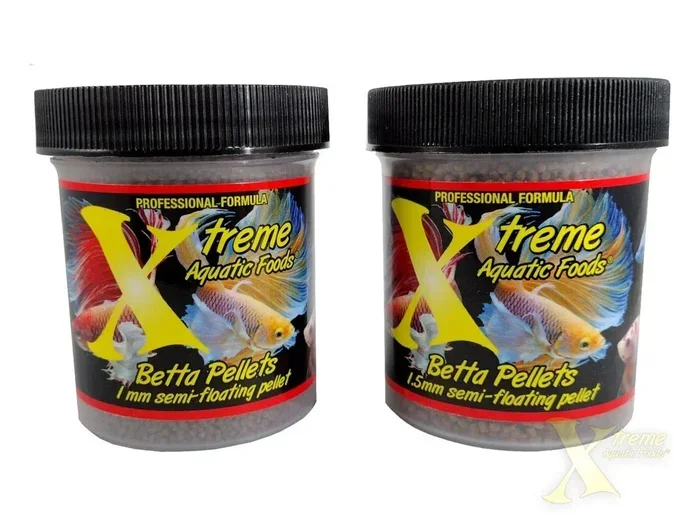
- Northfin Betta Bits: These small pellets are packed with whole proteins like krill and herring meal. No fillers, no artificial colors. Many experienced betta keepers consider these the gold standard.
- New Life Spectrum Betta Formula: Another excellent option with high-quality ingredients and a protein content around 42%. The pellets are appropriately sized for bettas.
- Hikari Bio-Gold+ Betta Pellets: A popular choice that combines good nutrition with a reasonable price point. Contains spirulina for color enhancement.
- Omega One Betta Buffet Pellets: Made with fresh seafood ingredients and no meals or digests. Great protein content and very palatable.
- Sera Betta Gran: A German-made food with excellent ingredient quality and a protein level around 45%.
All of these options cost only slightly more than generic tropical fish food, and a single container lasts for months since bettas eat so little.
Building a Varied Diet
Even the best pellet food shouldn’t be the only thing your betta eats. Variety is crucial for complete nutrition and mental stimulation. Here’s a sample weekly feeding schedule:
- Monday, Wednesday, Friday: High-quality betta pellets (2-3 pellets per feeding)
- Tuesday, Thursday: Freeze-dried or frozen bloodworms (2-3 pieces)
- Saturday: Frozen brine shrimp or daphnia
- Sunday: Fasting day (no food — this helps prevent constipation and gives the digestive system a break)
This rotation provides different protein sources, different textures, and different nutrient profiles. It also keeps your betta engaged and interested in feeding time. For more ideas on what bettas can eat beyond pellets, explore our comprehensive guide on the full range of betta-friendly foods.
Common Feeding Mistakes to Avoid
Overfeeding: The #1 Problem
More bettas die from overfeeding than from eating the wrong food. It’s tempting to drop a big pinch of flakes into the tank, but bettas have incredibly small stomachs — roughly the size of their eyeball. A good rule of thumb is to feed no more than what your betta can consume in about two minutes, once or twice per day.
Signs of overfeeding include:
- Uneaten food sinking to the bottom and decomposing
- Cloudy water
- Your betta appearing bloated or swollen
- Stringy, trailing feces
Always remove uneaten food after a few minutes to prevent water quality issues. Decaying food produces ammonia, which is toxic to fish.
Ignoring Food Expiration Dates
Fish food loses nutritional value over time. Vitamins degrade, fats go rancid, and the overall quality diminishes. Don’t buy a giant container of food thinking it’ll last for years. Buy smaller quantities and replace them every 2-3 months. Store fish food in a cool, dry place — not in a humid bathroom cabinet or a hot garage.
Feeding Only One Type of Food
Just like humans, bettas benefit from dietary diversity. Feeding only pellets, even high-quality ones, means your betta might miss out on certain nutrients. Incorporating frozen and live foods (when possible) provides enrichment and a more complete nutritional profile.
Special Considerations for Different Situations
Bettas in Community Tanks
If you keep your betta in a community tank with other fish, feeding becomes more complicated. Other fish will eat betta food, and your betta may eat their food. In this situation, it’s best to use a high-quality betta pellet as the primary food and supplement with frozen foods targeted specifically to your betta during feeding time.
Feed the community fish on one side of the tank and distract them while you feed your betta on the other side. This ensures your betta gets the high-protein food they need without being outcompeted. If you’re considering tank mates for your betta, make sure to research which fish are compatible with bettas to avoid stress and feeding conflicts.
Feeding Sick or Recovering Bettas
A sick betta often loses its appetite. If your betta is recovering from an illness, try offering highly palatable foods like live or frozen bloodworms to entice them to eat. Daphnia is also excellent for bettas recovering from constipation or bloating, as it acts as a natural laxative.
Never force-feed a betta. If your fish refuses food for more than a couple of days, focus on identifying and treating the underlying health issue rather than worrying about nutrition.
Baby Bettas and Juveniles
Young bettas have even higher protein requirements than adults because they’re growing rapidly. Baby bettas (fry) need to be fed infusoria or liquid fry food for the first week or two, then gradually transitioned to baby brine shrimp and eventually to finely crushed betta pellets. Standard fish food is completely inappropriate for betta fry — the particles are too large, and the nutritional profile is wrong.
Frequently Asked Questions About Betta Nutrition
Can Bettas Eat Tropical Flakes?
Yes, bettas can eat tropical flakes, but they shouldn’t be the main part of the diet. Most tropical flakes have adequate protein levels (around 38-42%) but contain more fillers than betta-specific foods. If tropical flakes are all you have, choose a high-quality brand and supplement with protein-rich treats like bloodworms. For a more detailed look at this topic, read our article on whether bettas can eat tropical flakes.
How Often Should I Feed My Betta?
Adult bettas should be fed once or twice per day, with only as much food as they can eat in about two minutes. Many experienced keepers recommend one fasting day per week (no food at all) to help prevent constipation and give the digestive system a rest. Bettas can actually go without food for several days without harm, so don’t panic if you miss a feeding. Learn more about how long bettas can go without food.
Can Bettas Eat Human Food?
Some human foods are safe for bettas in small amounts. Plain, cooked shrimp (no seasoning, no oil) is an excellent protein source. A tiny crumb of hard-boiled egg yolk can also work in a pinch. However, most human food is inappropriate — avoid anything seasoned, breaded, fried, or processed. Stick to fish-specific foods for the vast majority of your betta’s diet.
Final Thoughts: Is Normal Fish Food Good Enough?
Let’s bring it all together. Can bettas eat normal fish food? Yes, they physically can. Will they survive on it? Probably, for a while. But will they thrive? No, not really.
The difference between a betta that merely survives and one that thrives is often just a few dollars’ worth of the right food. A container of quality betta pellets costs $5-10 and lasts for months. That’s a tiny investment for a fish that could live 3-5 years with proper care.
Think of it this way — you wouldn’t feed your dog nothing but lettuce and expect it to be healthy. Bettas deserve the same consideration. They’re carnivores with specific nutritional needs, and meeting those needs isn’t difficult or expensive. Choose a high-quality betta food as your staple, add variety with frozen and live foods, avoid overfeeding, and your betta will reward you with vibrant colors, active behavior, and a long, healthy life.
The next time you’re standing in the pet store aisle, skip the generic tropical flakes and grab a container of betta-specific pellets instead. Your fish will thank you for it — even if they can’t say it in words.
Frequently Asked Questions
Can bettas eat regular tropical fish flakes every day?
Bettas can eat tropical flakes daily, but it’s not recommended as their sole diet. Most tropical flakes contain adequate protein but also include fillers like wheat and corn that bettas don’t digest well. Over time, this can lead to digestive issues and malnutrition. It’s better to use betta-specific pellets as a staple food.
What happens if I accidentally feed my betta goldfish food?
A single feeding of goldfish food won’t harm your betta. However, goldfish food is designed for herbivores and lacks the high protein content bettas need. Feeding it regularly can cause malnutrition, constipation, and a weakened immune system. Switch to betta-appropriate food as soon as possible.
How much should I feed my betta at each meal?
Feed your betta only as much as they can consume in about two minutes — typically 2-3 small pellets or a pinch of flakes. Their stomach is roughly the size of their eye, so it’s easy to overfeed. Remove any uneaten food after a few minutes to keep the water clean.
Can bettas survive on normal fish food alone?
Bettas can survive on normal fish food for a while, but they won’t thrive. Standard tropical food often lacks sufficient protein and contains too many plant-based fillers. Long-term feeding of inappropriate food can lead to health problems, dull colors, and a shortened lifespan.
What is the best alternative if I run out of betta food?
In an emergency, you can feed your betta small pieces of plain cooked shrimp, a tiny crumb of hard-boiled egg yolk, or freeze-dried bloodworms. These are all high in protein and safe for short-term use. Get proper betta food as soon as you can.
Is it okay to feed my betta only pellets?
High-quality betta pellets can serve as the foundation of your betta’s diet, but variety is important. Supplement pellets with frozen or freeze-dried foods like bloodworms, brine shrimp, and daphnia a few times per week. This ensures your betta gets a full range of nutrients and stays mentally stimulated.