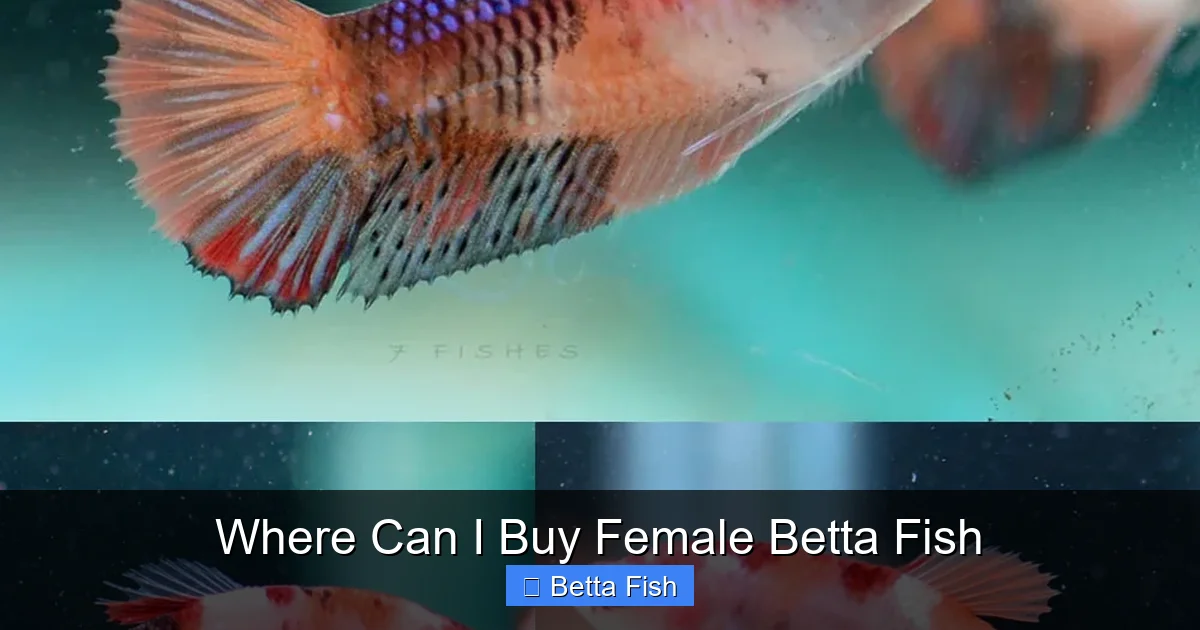
Where Can I Buy Female Betta Fish
Finding a healthy female betta fish requires knowing where to look and what to look for. Reputable local fish stores and specialized online breeders are your top sources, avoiding big-box retailers. Always prioritize fish with clear eyes, intact fins, and active behavior. Quarantine new arrivals and properly cycle a filtered tank before introduction. Connecting with betta enthusiast communities provides invaluable, current advice on trustworthy sellers.
So, you’ve decided to add a fascinating female betta fish to your aquatic world. Excellent choice! While their male counterparts with their dramatic, flowing fins often steal the spotlight, female bettas, or “sorority girls” as they’re affectionately called in the hobby, offer their own unique charm. They tend to be more active, have slightly shorter but still beautiful fins, and can often be kept in carefully managed groups, known as sororities. But before you can enjoy watching your new finned friend explore, you face the critical first step: where can you buy a healthy female betta fish? This isn’t just about finding a seller; it’s about finding a responsible source that prioritizes fish health and welfare. Let’s dive deep into the best avenues, the red flags to avoid, and the essential knowledge you need to bring home a thriving female betta.
Key Takeaways
- Prioritize Reputable Sources: Buy from dedicated local fish stores (LFS) or certified online breeders, not large chain pet stores where fish health is often inconsistent.
- Inspect Health Visibly: Look for females with bright, even coloration; clear, non-bulging eyes; full, undamaged fins; and active, curious behavior in the store tank.
- Understand “Female” Labeling: Ensure the seller accurately sexes the fish. True females have shorter, rounder tails and a smaller ovipositor (beard) when flaring, unlike the long, flowing tails of males.
- Quarantine is Non-Negotiable: Always house new females in a separate, cycled quarantine tank for 2-4 weeks to monitor for disease before adding to a sorority or community tank.
- Tank Setup Comes First: A female betta sorority or single female requires a minimum 10-gallon, heavily filtered, heated, and planted tank—never a tiny bowl or unfiltered vase.
- Research Sellers Thoroughly: Read recent reviews, ask about health guarantees and shipping policies (for online), and join online forums to get community-vetted breeder recommendations.
- Patience Yields Better Fish: Don’t rush. Waiting for a healthy, well-cared-for female from a quality source leads to a longer, more vibrant life than saving a cheap, stressed fish from a poor environment.
📑 Table of Contents
- The Importance of the Right Source: It’s More Than Just a Purchase
- Top Tier: The Best Places to Buy Female Betta Fish
- Proceed with Caution: The Middle Ground and Red Flags
- The Crucial Health Check: What to Look For in Your Female Betta
- Beyond the Purchase: The Non-Negotiable Setup for Your Female Betta
- Common Beginner Mistakes to Absolutely Avoid
- Conclusion: Your Journey Starts with a Smart Choice
The Importance of the Right Source: It’s More Than Just a Purchase
Buying a betta fish is not like buying a bag of pet food. You are bringing home a living creature with a complex history, often involving significant stress from breeding, collecting, and transportation. The conditions a fish has experienced before you buy it directly impact its health, personality, and lifespan. A poorly sourced betta may arrive with hidden illnesses like velvet, dropsy, or fin rot, or be so chronically stressed that it succumbs quickly despite your best efforts. Conversely, a betta from a high-quality source—where it’s been raised in proper, heated water, fed a nutritious diet, and handled with care—has a robust immune system and a much higher chance of thriving in your care for three to five years, sometimes even longer. Therefore, your choice of seller is the single most important factor in your betta-keeping success.
The Ripple Effect of Poor Husbandry
Many people’s first image of a betta is a lonely fish in a small, decorative cup on a store shelf. This outdated practice, though slowly changing, has done immense harm to the species’ reputation. Bettas kept in tiny, cold, dirty water become severely stressed, suppressing their immune system. They are often underfed, leading to lethargy and poor coloration. When you buy a fish from such an environment, you’re not just buying a fish; you’re inheriting its problems. The first few weeks in your care become a frantic race to nurse it back to health, and even then, the underlying stress may shorten its life. By consciously choosing where to buy, you vote with your dollars for better welfare standards and support businesses that treat these intelligent fish with the respect they deserve.
Top Tier: The Best Places to Buy Female Betta Fish
When it comes to sourcing a healthy female betta, a clear hierarchy of sources exists. The best options require a bit more research and often a slightly higher price tag, but the investment pays dividends in fish health and your overall enjoyment.
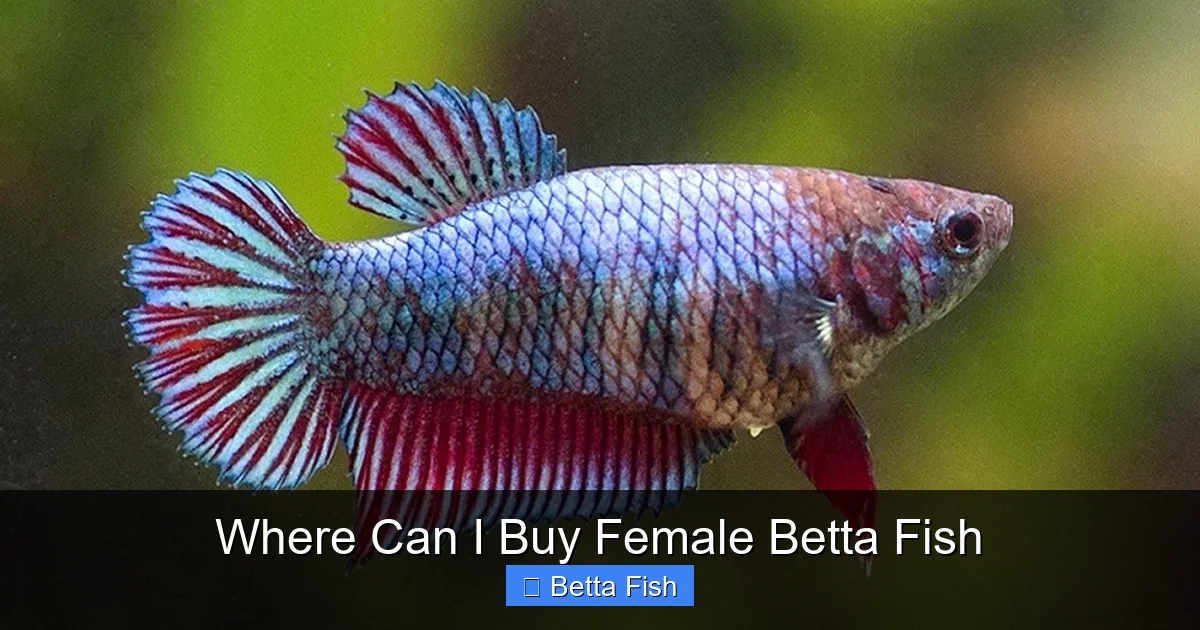
Visual guide about Where Can I Buy Female Betta Fish
Image source: cdn11.bigcommerce.com
Specialized Online Betta Breeders & Sellers
This is, without a doubt, the gold standard for serious betta keepers seeking specific colors, fin types, or impeccable health. These are not generic pet supply websites. They are operations run by passionate, knowledgeable breeders who focus on one thing: bettas.
- What They Offer: Stunning, selectively bred females in every color imaginable—from the vibrant reds and blues to the rare marbles, koi, and fancy halfmoon plakat varieties. They often provide detailed lineage information, health guarantees, and ship fish in temperature-controlled, insulated packaging with proper breathing materials.
- How to Find Them: Search for terms like “online betta breeder,” “betta fish for sale [your country],” or look for breeders associated with the International Betta Congress (IBC) or other betta clubs. Instagram is also a huge marketplace for breeders; search hashtags like #bettabreeder or #bettasofinstagram.
- Key Considerations: Shipping can be stressful for the fish, but reputable breeders use proven methods. Always check their health guarantee policy and what happens if a fish arrives DOA (Dead On Arrival). Ask about their quarantine practices—do they hold fish for a period before shipping? This is a huge plus. Expect to pay $25-$60+ for a high-quality female, plus shipping.
High-Quality Local Fish Stores (LFS)
The local fish store is a treasure trove for the aquarist, and when it comes to bettas, a good one is worth its weight in gold. Unlike large chain stores, a dedicated LFS owner and staff are usually true hobbyists.
- What to Look For: The store should be clean, with no lingering ammonia smell. Betta containers (ideally not tiny cups, but at least 1-2 gallon heated and filtered systems) must be pristine, with clear water and no dead tankmates. The bettas themselves should be vibrant, with erect fins (not clamped), and react to movement. Staff should be knowledgeable and able to answer questions about tank setup, not just sell you the fish.
- Building a Relationship: Go in regularly. Talk to the owner. Ask where they source their bettas. Many LFS owners buy directly from local breeders or regional distributors with better records than national chains. They might even special-order a specific color or type for you. They become an invaluable local resource for not just buying fish, but for advice, supplies, and sometimes even used equipment.
- Advantage: You can see the exact fish you’ll take home, assess its health and personality immediately, and avoid shipping stress. You also support a local business.
Proceed with Caution: The Middle Ground and Red Flags
Not all sources are created equal, and some common options come with significant caveats that every buyer must understand.

Visual guide about Where Can I Buy Female Betta Fish
Image source: tropicflow.com
Large Chain Pet Stores (PetSmart, PetCo, etc.)
This is the most accessible but also the most controversial source. Conditions vary wildly by location and management.
- The Reality: You are taking a gamble. Some stores have made great strides with heated, filtered betta barracks. Many still use the tiny, unheated cups. Health is inconsistent; you may find a gorgeous, healthy female next to a fish with severe fin rot. Staff knowledge is often minimal.
- If You Must Buy Here: Be a meticulous inspector. Choose a store where the betta section is clean and well-maintained. Pick a fish that is actively swimming, with no signs of velvet (gold dust), cotton-like growths (fungus), or ragged fins. Avoid any fish with a swollen body (sign of constipation or dropsy) or bulging eyes. Be prepared for a possible quarantine period and potential health issues. Do not buy a betta as a “rescue” from a filthy cup if you are a beginner; the stress of that environment often means a short, difficult life.
- The Ethical Angle: Buying from a store with poor conditions can inadvertently signal to the store that their current practices are acceptable. Some choose to “adopt” only from stores with visibly good care, or to boycott stores with terrible conditions entirely.
Online Marketplaces (eBay, Facebook Marketplace, Craigslist)
These platforms are a mixed bag, connecting you directly with individual breeders, hobbyists selling off stock, or sometimes unscrupulous sellers.
- Potential: You can find amazing deals and locally-sourced fish with no shipping stress. You might connect with a local breeder who has exceptional stock.
- Major Risks: No buyer protection. Fish health is not guaranteed. Sellers may missex fish (selling a young male as a female). Shipping arrangements are often amateur and risky. You have little recourse if the fish arrives dead or sick. Extreme caution is advised. Only consider this if you can meet the seller locally, see the parent fish, and inspect the fish in person before purchasing. Verify their reputation within local fish groups.
The Crucial Health Check: What to Look For in Your Female Betta
Regardless of where you buy, your eyes are your best tool. Here is a step-by-step checklist for selecting a healthy female betta.

Visual guide about Where Can I Buy Female Betta Fish
Image source: ekk4j69ebaa.exactdn.com
The Visual Inspection: Color, Fins, and Form
Approach the tank slowly. A healthy betta will notice you and may flare or swim over.
- Color: Look for even, vibrant coloration. Faded, pale, or patchy color can indicate stress, illness, or poor genetics. Some females have a “stress line” (a horizontal pale line), which is common in new environments but should fade. Be wary of fish with abnormal white patches (could be marble genetics, but also could be fungal infection—consult the seller).
- Fins: Fins should be full, flowing (relative to female length), and undamaged. No tears, holes, blackened edges (fin rot), or a “melted” appearance. Check for tiny white spots (ich) or a gold dusty appearance (velvet) on the fins and body.
- Body & Eyes: The body should be streamlined, not bloated or swollen. The belly should not be excessively distended (could be constipation or a serious internal issue). Eyes must be clear, symmetrical, and not protruding (pop-eye is a sign of severe infection or injury).
- Gills & Opercula: The gill covers should move smoothly and evenly. Rapid, labored breathing (gasping at the surface) is a major red flag for poor water quality or gill disease.
Behavioral Cues: Activity and Demeanor
Observe the fish for at least 5-10 minutes if possible.
- Active vs. Lethargic: A healthy betta is curious and active, exploring its space, occasionally flaring at its reflection or tankmates. It should rest periodically but not be listless, floating listlessly, or sunk at the bottom.
- Appetite: Ask the seller if the fish is eating. A refusal to eat is a common sign of stress or impending illness. Some shy bettas may not eat when watched, but they should show interest in food.
- Response to Stimulus: Gently tap the glass (lightly). A healthy betta will react—it may flare, swim away, or at least acknowledge the stimulus. No reaction can indicate severe weakness or illness.
Beyond the Purchase: The Non-Negotiable Setup for Your Female Betta
You could have the healthiest female betta in the world, but if you put her in a cold, unfiltered bowl, her health will rapidly decline. The right environment starts before you even bring her home.
Tank Size and Filtration: Debunking the Bowl Myth
This is the most critical piece of setup advice. A single female betta needs a minimum of a 5-gallon tank, but a 10-gallon is strongly recommended and is the absolute minimum for a sorority (3+ females). Why so big?
- Water Stability: Larger volumes of water dilute toxins (ammonia, nitrite) more effectively, creating a stable environment. A tiny bowl’s water parameters can crash in hours.
- Filtration: A gentle, adjustable filter is essential. It cycles the tank, removing toxic waste. Bettas are labyrinth fish and can breathe air, but they still suffer in dirty water. Use a filter with a low flow setting or baffle the output with a sponge to prevent stressing their long fins.
- Heating: Bettas are tropical fish. They require a stable water temperature between 78-80°F (25.5-26.5°C). A reliable aquarium heater is mandatory, not optional.
The Sorority Setup: If You Want More Than One
Female bettas can be kept in groups, but it’s a complex, advanced setup, not a beginner project.
- The Minimum: A sorority requires a **minimum of 10 gallons**, but 20+ gallons is much safer. More space reduces aggression.
- The Rules: Start with at least 5-6 females of similar size and temperament, introduced simultaneously to a fully cycled, heavily planted tank with many visual barriers (plants, caves, driftwood). Never add a new female to an established sorority; it will be killed.
- Be Prepared to Rehome: Even in perfect conditions, a sorority is a dynamic, sometimes aggressive social structure. You must have backup, cycled, filtered tanks ready to house any “bully” or “victim” that emerges. It’s a commitment to monitoring and potential intervention.
Common Beginner Mistakes to Absolutely Avoid
Even with a great fish and a good tank, new betta keepers often trip over these classic errors.
Mistake 1: Not Cycling the Tank
The nitrogen cycle is the biological process that makes aquarium water safe. It establishes beneficial bacteria that convert toxic fish waste (ammonia) into less harmful nitrates. Adding a betta to an uncycled tank is like dumping her into a chemical bath of her own waste. You must cycle the tank for 4-6 weeks *before* adding any fish, using a water test kit to monitor ammonia, nitrite, and nitrate levels. This is the single most important technical step in fishkeeping.
Mistake 2: Overfeeding and Poor Diet
Bettas are carnivores. A common myth is that they can live on plant roots. They cannot. Feed high-quality betta pellets or frozen foods (brine shrimp, daphnia, bloodworms) once or twice a day, only what they can eat in 2-3 minutes. Overfeeding fouls the water and leads to constipation and swim bladder issues. Fasting one day a week is beneficial.
Mistake 3: Using Decorative “Vases” or Bowls
These are death traps. They are too small, lack filtration and heating, and cause severe stress and rapid water deterioration. They are an affront to the betta’s needs. Always use a proper aquarium with equipment.
Conclusion: Your Journey Starts with a Smart Choice
Bringing home a female betta fish should be an exciting, rewarding start to a new hobby. By investing time in finding a reputable source—whether a stellar local fish store or a passionate online breeder—you give your new companion the strongest possible foundation for a healthy, beautiful life. Remember, you are not just buying a fish; you are committing to its care. That commitment begins with choosing where to buy. Do your homework, ask questions, inspect carefully, and most importantly, have your fully cycled, heated, and filtered tank ready and waiting before you pick her up. The vibrant personality and stunning beauty of a well-cared-for female betta will be your reward for making the right choices from the very beginning. Welcome to the wonderful world of betta keeping!
Frequently Asked Questions
Are female bettas less aggressive than males?
Generally, yes. Female bettas are less likely to flare persistently at their own reflection and can often be housed in sororities. However, individual personalities vary greatly. Some females can be just as territorial as males, especially towards other females or flashy tankmates. Always have a backup plan when keeping more than one.
Can I keep a single female betta with other fish?
Yes, a single female betta can often be a community tank member. Choose peaceful, non-fin-nipping tankmates like small schooling tetras (neon tetras, ember tetras), corydoras catfish, or snails. Avoid fish with bright colors or long, flowing fins that might trigger a betta’s aggression. A heavily planted 10+ gallon tank provides essential hiding spots.
How long do female betta fish live?
With proper care—including a heated, filtered tank, a high-quality diet, and clean water—a female betta typically lives 3 to 5 years. Some exceptional individuals reach 6 or 7 years. Their lifespan is directly tied to the quality of their environment and genetics from their source.
Why is my female betta changing colors?
Color change, or “marbling,” is very common in female bettas, especially those with the marble gene. It’s a natural, genetic process where their pigment cells redistribute over time, creating new patterns. It’s usually harmless and part of their charm. Sudden, drastic fading or paling, however, can indicate stress or illness and should be investigated.
How often should I feed my female betta?
Feed her once or twice daily, offering only what she can consume in 2-3 minutes. A high-quality betta pellet or frozen food (like daphnia or brine shrimp) should be the staple. Avoid overfeeding, as it pollutes the water and causes health issues. Implementing a weekly fast can help regulate her digestive system.
What is the best tank size for a single female betta?
The absolute minimum is a 5-gallon tank, but a 10-gallon tank is the recommended and much safer standard. This provides ample swimming space, better water stability, and room for decorations and plants, which reduce stress. Never keep a betta in a bowl, vase, or anything under 2.5 gallons.