What Causes Fungus on Betta Fish
Fungal infections on betta fish are usually caused by poor water quality, low temperatures, and a weakened immune system. Understanding the root causes helps you treat and prevent cotton wool disease effectively. This guide covers every major cause, symptom, and practical solution for keeping your betta healthy and fungus-free.
Your betta fish looks off. Maybe you noticed a fluffy white patch on its body, or perhaps its fins seem clamped and dull. You search online and stumble across the term “cotton wool disease.” You wonder, what causes fungus on betta fish? The answer is more straightforward than you think.
Fungal infections in betta fish are incredibly common, especially among new fish keepers. The good news? Most cases stem from a handful of preventable causes. Once you understand what triggers fungus, you can take action fast. In this guide, we break down every major cause in plain language. You will learn how dirty water, cold temperatures, and even your own habits can put your betta at risk.
We will also cover what to look for, how to treat an infection, and simple steps to stop fungus from coming back. Whether you have had bettas for years or just brought your first one home, this article gives you everything you need. Let us dive right in.
Key Takeaways
- Poor Water Quality: Dirty tanks with high ammonia and nitrate levels are the #1 cause of fungus on betta fish.
- Low Water Temperature: Cold water weakens your betta’s immune system, making fungal infections more likely.
- Open Wounds and Injuries: Physical damage from tank mates or sharp decorations invites fungal spores to take hold.
- Stress and Poor Diet: Stressed or malnourished bettas are far more susceptible to fungal outbreaks.
- Contaminated Tank Accessories: Unclean decorations, gravel, and equipment can harbor fungal spores.
- Early Detection Matters: Spotting white cotton-like growths early makes treatment much easier and faster.
- Prevention Is Simple: Regular water changes, proper filtration, and a balanced diet keep fungus away.
📑 Table of Contents
What Is Fungus on Betta Fish?
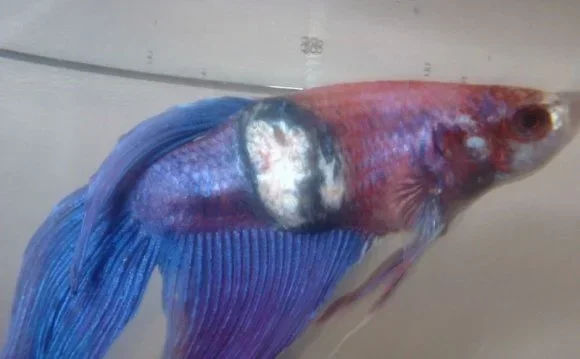
Before we explore the causes, it helps to understand what fungus actually looks like on a betta fish. Fungal infections often appear as white, cotton-like growths on the skin, fins, or mouth. They can look fuzzy, almost like a small patch of wool stuck to your fish. These growths are actually clusters of fungal spores that have colonized your betta’s body.
Fungal infections are different from bacterial or parasitic diseases. Fungus tends to stay on the surface of the body and does not burrow deep into tissues right away. However, if left untreated, it can spread quickly and cause serious damage. A betta fish with a strong immune system can often fight off a mild fungal infection on its own. But when conditions are right, fungus thrives and becomes a real problem.
The most common type of fungus affecting bettas is called Saprolegnia. This is a water mold that loves to grow on dead tissue, open wounds, and areas where the fish’s slime coat has been damaged. You will often see it start near the fins or around the mouth before spreading to other parts of the body.
What Causes Fungus on Betta Fish?
Now let us get to the heart of the matter. Several factors can trigger a fungal outbreak on your betta fish. Most of these causes are tied to the environment you provide. Understanding each one helps you pinpoint the problem and fix it.
Poor Water Quality
The single biggest cause of fungus on betta fish is dirty water. When you skip water changes or your filter is not working properly, harmful chemicals build up fast. Ammonia, nitrite, and nitrate levels rise. These toxins irritate your betta’s skin and damage its protective slime coat. Once that barrier is compromised, fungal spores can latch on and start growing.
Here is what poor water quality looks like in a real scenario. You set up a betta tank and forget to test the water for weeks. Fish waste and uneaten food decompose. The water turns cloudy. Your betta starts showing signs of stress. Within days or weeks, a white fuzzy patch appears. This is the fungus taking advantage of a weakened fish in a toxic environment.
Keeping your tank clean is the foundation of betta fish care. Regular water changes, proper filtration, and testing kits are non-negotiable. If your water quality is off, everything else falls apart.
Low Water Temperature
Betta fish are tropical creatures. They need warm water to stay healthy and active. When the temperature drops too low, your betta’s immune system slows down significantly. A cold betta fish cannot fight off infections the way it should. This makes it an easy target for fungal spores floating in the water.
The ideal temperature range for a betta tank is between 76 and 82 degrees Fahrenheit. If your tank sits below 74 degrees, your betta is at risk. This is especially common in rooms that get cold at night or in tanks without a heater. Check your what temperature should a betta fish tank be in celsius if you use a Celsius thermometer. Keeping the temperature stable is one of the easiest ways to prevent fungus.
Quick tip: invest in a reliable aquarium heater with a thermostat. It keeps the water warm and consistent, even when room temperatures change. This small purchase can save your betta from a fungal infection.
Open Wounds and Physical Injuries
Betta fish can get hurt. Sharp decorations, rough gravel, or aggressive tank mates can all cause cuts and scrapes. When the skin breaks, it creates an opening for fungal spores to enter. Even a tiny scratch can become a fungal hotspot if the water conditions are not ideal.
One common cause of injury is keeping your betta with the wrong tank mates. Male bettas are aggressive and should never share a tank with other bettas. Some fish may nip at your betta’s long fins, causing tears. These damaged fins become perfect entry points for fungus. If you are unsure about tank companions, research carefully before adding any new fish.
Another cause is rough handling during tank cleaning or moving your betta. Always use a soft net and be gentle. If you notice a wound, monitor it closely. Clean water and a stress-free environment will help it heal before fungus has a chance to set in.
Stress and Weakened Immune System
Stress is a silent killer for betta fish. When your betta is stressed, its body produces cortisol, a hormone that suppresses the immune system. A stressed betta simply cannot fight off infections as well as a healthy one. This makes fungal infections much more likely.
What causes stress in bettas? Several things. Overcrowded tanks, bright lights all the time, loud noises near the tank, and inconsistent feeding all contribute. Even being kept in a tiny bowl with no room to swim can stress your betta out over time. A weakened immune system means your fish cannot fend off the fungal spores that are always present in any aquarium.
Signs of a stressed betta include clamped fins, loss of color, hiding constantly, and refusing food. If you notice these signs, act quickly. Improve the water, add hiding spots, and keep the environment calm. A happy betta is a healthy betta.
Contaminated Tank Accessories and Decorations
Here is a cause many fish keepers overlook. The items you put in your tank can carry fungal spores. New decorations, rocks, driftwood, or even secondhand equipment may not be properly cleaned before adding them to your aquarium. Fungus can hitch a ride on these items and infect your betta.
Always rinse new decorations thoroughly before placing them in the tank. Better yet, quarantine new items for a few days and inspect them for any signs of mold or fungus. If you are cleaning used equipment, soak it in a dilute bleach solution and rinse extremely well before introducing it to your tank.
Even your gravel and substrate need attention. Uneaten food and fish waste get trapped in the substrate and decay over time. This releases toxins and creates a breeding ground for fungus. Regular vacuuming during water changes helps prevent this buildup.
Improper Feeding and Nutrition
You might not connect food with fungus, but nutrition plays a big role in your betta’s overall health. A betta that is not getting the right nutrients has a weaker immune system. This makes it more vulnerable to infections, including fungal outbreaks.
Overfeeding is a common mistake. Excess food rots in the tank and pollutes the water. Underfeeding leaves your betta malnourished and weak. The key is balance. Feed your betta high-quality pellets or flakes designed for bettas. You can also offer occasional treats like frozen or live brine shrimp. If you want to know more about feeding options, check out what to feed betta fish besides fish food for helpful ideas.
A well-fed betta has a strong immune system, vibrant colors, and the energy to stay active. Good nutrition is one of the simplest and most effective ways to prevent fungus.
How to Spot Fungus Early
Catching a fungal infection early makes treatment much easier. The earlier you act, the better your betta’s chances of a full recovery. Here are the signs to watch for.
- White cotton-like patches on the skin, fins, or mouth
- Fins clamped close to the body
- Loss of appetite or refusing food
- Lethargy and staying at the bottom of the tank
- Flashing or rubbing against decorations
- Frayed or deteriorating fins
If you notice any of these signs, test your water parameters immediately. Check the temperature and look for any injuries on your betta’s body. Early intervention can stop a minor fungal spot from turning into a full-blown infection.
How to Treat and Prevent Fungus on Betta Fish
Treatment starts with identifying and fixing the root cause. If your water is dirty, do a large water change right away. Raise the temperature slightly to boost your betta’s immune response. For mild cases, improving water quality alone can clear up the infection within a week or two.
For more stubborn fungal infections, you may need to use a antifungal treatment designed for aquarium fish. These are available at most pet stores and online. Always follow the dosage instructions carefully. If you are unsure about treatment options, you can find detailed guidance on how to cure fungus on betta fish and can you cure betta fish fungus in our other articles.
Prevention is always better than cure. Here are simple habits that keep fungus away:
- Perform 25 to 30 percent water changes every week
- Keep the tank temperature between 76 and 82 degrees Fahrenheit
- Use a quality filter and clean it regularly
- Avoid overfeeding and remove uneaten food promptly
- Quarantine new decorations and plants before adding them
- Keep your betta in a tank of at least 5 gallons
- Minimize stress with a calm, well-planted environment
These steps take just a few minutes each week. But they make a huge difference in your betta’s health and happiness. A clean, warm, stress-free tank is the best defense against fungus and many other diseases.
Common Mistakes That Lead to Fungus
Even experienced fish keepers make mistakes. Here are the most common ones that lead to fungal infections on betta fish.
- Skipping water changes. This is the number one mistake. Dirty water is the breeding ground for fungus and bacteria alike.
- Using a bowl instead of a proper tank. Bowls lack filtration and heating, creating unstable conditions that stress your betta.
- Overcrowding the tank. Too many fish or decorations create waste and reduce oxygen levels.
- Ignoring water temperature. Fluctuating or cold temperatures weaken your betta’s immune system over time.
- Not washing new decorations. Contaminated items introduce fungus and other pathogens directly into your tank.
Avoiding these mistakes puts you ahead of most betta fish owners. Your fish will live longer, look healthier, and stay fungus-free.
Expert Insight: Why Fungus Is Often a Secondary Issue
Here is something many articles do not mention. Fungal infections on betta fish are almost always secondary. This means the fungus is not the original problem. It is a symptom of something else going wrong in the tank. Poor water quality, stress, or an injury usually comes first. The fungus follows because your betta is already weakened.
This is why treating the root cause matters more than just treating the fungus itself. If you only remove the white patches without fixing the underlying issue, the fungus will come back. Always ask yourself: what is causing my betta to be vulnerable right now? The answer to that question is the real path to a healthy tank.
Conclusion
What causes fungus on betta fish comes down to a few key factors: poor water quality, low temperatures, injuries, stress, contaminated accessories, and poor nutrition. The good news is that all of these causes are within your control. With regular maintenance, proper heating, a balanced diet, and a stress-free environment, you can keep your betta healthy and fungus-free.
Remember that early detection is your best friend. The sooner you spot the white cotton-like growths, the faster you can take action. And prevention is always simpler than treatment. A little effort each week goes a long way toward protecting your betta fish from fungal infections and many other common diseases.
Your betta depends on you for its well-being. Give it clean water, warm temperatures, good food, and a calm home. In return, you will have a vibrant, active, and beautiful fish that brings joy to your home for years to come.
Frequently Asked Questions
Can poor water quality alone cause fungus on betta fish?
Yes, poor water quality is the leading cause of fungal infections in betta fish. High levels of ammonia, nitrite, and nitrate weaken the fish’s immune system and damage its protective slime coat. This creates the perfect environment for fungal spores to grow and colonize the body.
What temperature is too cold for a betta fish and invites fungus?
Water temperatures below 74 degrees Fahrenheit can stress your betta and weaken its immune system. Cold water slows down the fish’s metabolism and makes it much more vulnerable to fungal infections. Keeping the temperature between 76 and 82 degrees Fahrenheit is the best way to prevent fungus.
Is betta fish fungus contagious to other fish?
Fungal spores are present in most aquariums and usually only infect fish with weakened immune systems. While the fungus itself is not highly contagious, poor tank conditions that cause one fish to develop fungus can affect other fish too. Maintaining clean water and low stress levels protects all fish in the tank.
Can I use human antifungal cream on my betta fish?
No, you should never use human medications on betta fish. Human antifungal creams contain ingredients that can be toxic to fish and disrupt your tank’s water chemistry. Always use treatments specifically designed for aquarium fish and follow the instructions carefully.
How long does it take for fungus on a betta fish to go away?
With proper treatment and improved water conditions, mild fungal infections usually clear up within one to two weeks. More severe cases may take longer and require medication. Early detection and prompt action are the keys to a faster recovery.
Can stress cause fungus on betta fish even if the water is clean?
Yes, stress alone can trigger a fungal infection even in a clean tank. Stress hormones suppress the immune system, leaving your betta unable to fight off naturally occurring fungal spores. Common stressors include bright lights, loud noises, overcrowding, and lack of hiding spots.