Why Do Betta Fish Jump Out of Their Tanks

Betta fish jump out of their tanks for many reasons, from water stress to curiosity. Understanding the triggers—temperature, water quality, tank size, and boredom—helps you create a safe environment. Follow our practical tips to stop the jumps and keep your betta thriving.
Key Takeaways
- Water quality matters: Poor parameters push bettas to escape.
- Temperature is critical: Sudden changes or too‑cold water trigger jumping.
- Tank size and cover: Small, uncovered tanks give bettas easy exit routes.
- Stress and boredom: Lack of enrichment or aggressive tank mates can cause escape attempts.
- Health issues: Illness or parasites may make a betta seek better conditions.
- Preventive steps: Use lids, proper heaters, regular water changes, and enrichment.
- Quick response: Know how to safely retrieve a betta that’s jumped.
📑 Table of Contents
Introduction
Betta fish are famous for their vivid colors and flamboyant fins, but they also have a reputation for being escape artists. If you’ve ever woken up to find a tiny, shimmering betta perched on the edge of your bathroom sink, you know how startling the experience can be. While a single jump might seem like a quirky habit, frequent jumping is a red flag that something in the tank isn’t right.
In this article we’ll explore the most common reasons bettas leap out of their homes, how to spot the early warning signs, and what you can do right now to stop the jumps. Think of it as a friendly chat over a cup of tea—simple language, real‑world examples, and plenty of actionable tips.
1. Water Quality – The Invisible Trigger
Why poor water makes bettas want to flee
Betta fish are native to shallow, slow‑moving waters of Southeast Asia where the water is warm, soft, and slightly acidic. In a home aquarium, even a small shift in ammonia, nitrite, or pH can feel like a hostile environment. When the water becomes cloudy, smelly, or overly alkaline, a betta may try to escape in search of cleaner conditions.
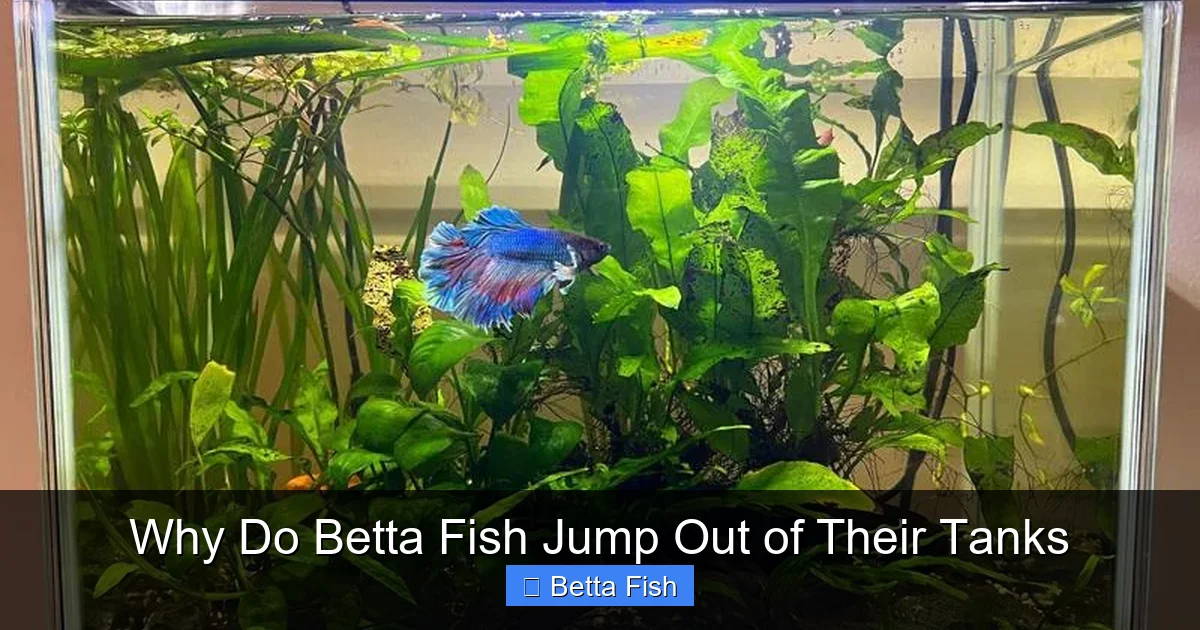
Visual guide about Why Do Betta Fish Jump Out of Their Tanks
Image source: acaquarium.com
Key water parameters to monitor
- Ammonia: 0 ppm (any detectable level is stressful).
- Nitrite: 0 ppm.
- Nitrate: Below 20 ppm for bettas.
- pH: 6.5 – 7.5.
- Temperature: 76‑82°F (24‑28°C).
Practical tip
Test the water weekly with a liquid test kit. If any value is out of range, perform a 25‑30% water change using dechlorinated, temperature‑matched water. Consistent testing prevents the “jump‑out” response before it starts.
2. Temperature Swings – From Cozy to Cold
The role of heat in betta behavior
Betta fish are tropical; they cannot regulate their body temperature like cold‑blooded fish in colder streams. A sudden drop—perhaps from a draft, a broken heater, or a cold room night—creates panic. The fish will dart to the surface, and if the tank lacks a lid, the next instinct is to leap.
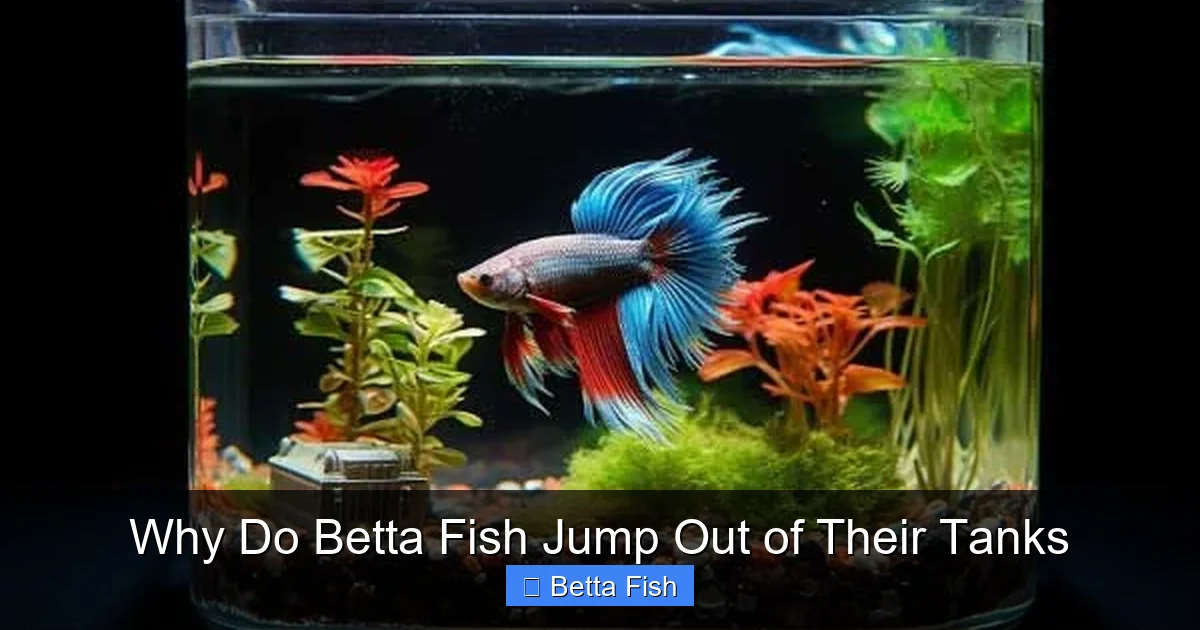
Visual guide about Why Do Betta Fish Jump Out of Their Tanks
Image source: bettafishnest.com
Common sources of temperature fluctuation
- Heater malfunction or power outage.
- Placing the tank near windows or air‑conditioning vents.
- Opening the tank for cleaning without a replacement heater.
How to keep the temperature steady
Invest in a reliable submersible heater with an automatic shut‑off and a digital thermostat. Pair it with a quality heater guide to choose the right size for your tank. A small aquarium thermometer should be placed at mid‑water level to give
Frequently Asked Questions
What is why do betta fish jump out of their tanks?
why do betta fish jump out of their tanks is an important topic with many practical applications.