Is a Betta Fish a Tropical Fish
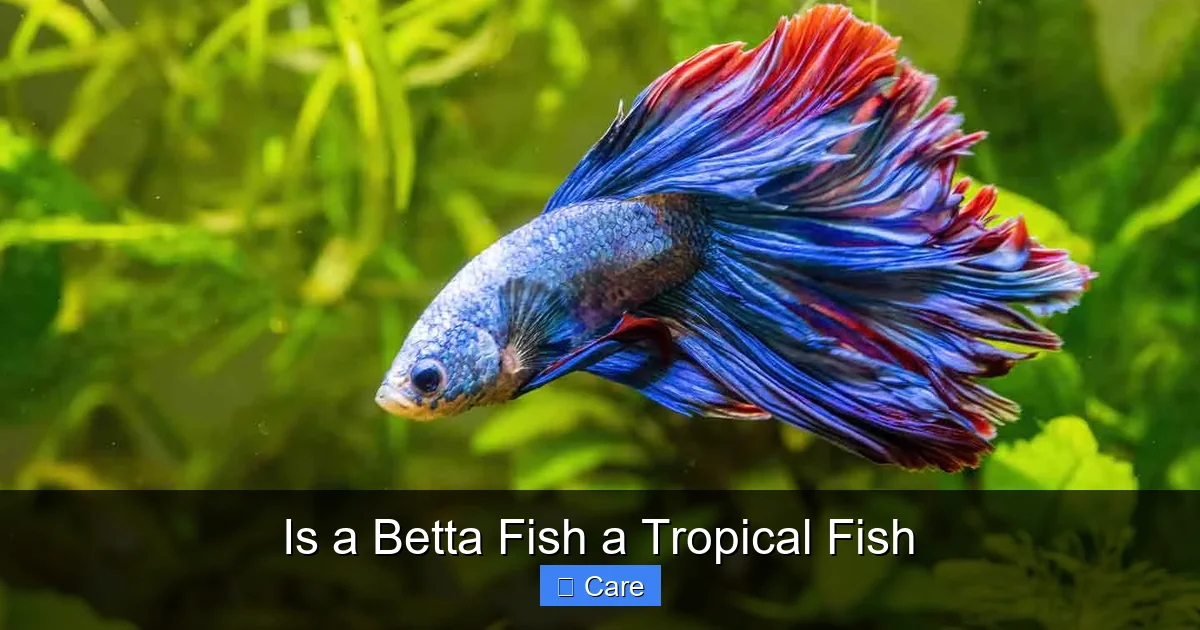
Betta fish are indeed tropical fish, thriving in warm, soft water that mimics their native Southeast Asian habitats. Understanding their temperature needs, tank environment, and proper care will keep your vibrant betta healthy and happy for years.
Key Takeaways
- Betta classification: Betta splendens is a true tropical freshwater species.
- Ideal temperature: Maintain water between 76‑82°F (24‑28°C) for optimal health.
- Water parameters: Soft, slightly acidic water (pH 6.5‑7.5, GH 3‑8 dGH) replicates their natural habitat.
- Tank size matters: A minimum of 5‑10 gallons provides space, stable temperature, and better water quality.
- Filtration & heating: A gentle filter and reliable heater are essential for tropical stability.
- Diet & enrichment: High‑protein pellets, occasional live foods, and plants keep bettas active.
- Common myths: Betta “fighting fish” can coexist with compatible tank mates when given proper space.
📑 Table of Contents
- Introduction: Why the Question Matters
- 1. Betta Biology – The Science Behind the Beauty
- 2. Temperature – The Heartbeat of a Tropical Betta
- 3. Water Quality – Soft, Slightly Acidic, and Clean
- 4. Tank Setup – Size, Decor, and Enrichment
- 5. Feeding – Nutrition for a Tropical Champion
- 6. Common Myths and FAQs About Betta Tropical Care
- Conclusion: Embrace the Tropical Life
Introduction: Why the Question Matters
When you first see a betta’s dazzling fins, it’s easy to think of them as exotic, perhaps even exotic‑only pets. Many new hobbyists wonder, “Is a betta fish a tropical fish?” The answer shapes everything from the tank you choose to the daily care routine you establish. If you treat a betta like a cold‑water goldfish, you’ll quickly see stress signs, faded colors, and a shortened lifespan.
In this article we’ll dive deep into the biology of Betta splendens, explore the exact temperature and water conditions they need, and give you practical, step‑by‑step advice for setting up a thriving tropical home. By the end, you’ll know exactly why a betta is a tropical fish and how to keep it living its best life.
1. Betta Biology – The Science Behind the Beauty
1.1 Natural Habitat
Betta fish originate from the shallow rice paddies, slow‑moving streams, and flood‑plain pools of Thailand, Cambodia, and Vietnam. These waters are warm year‑round, often heated by the tropical sun. During the rainy season, water temperatures hover between 76°F and 82°F (24°C‑28°C), with low mineral content and a slightly acidic pH.
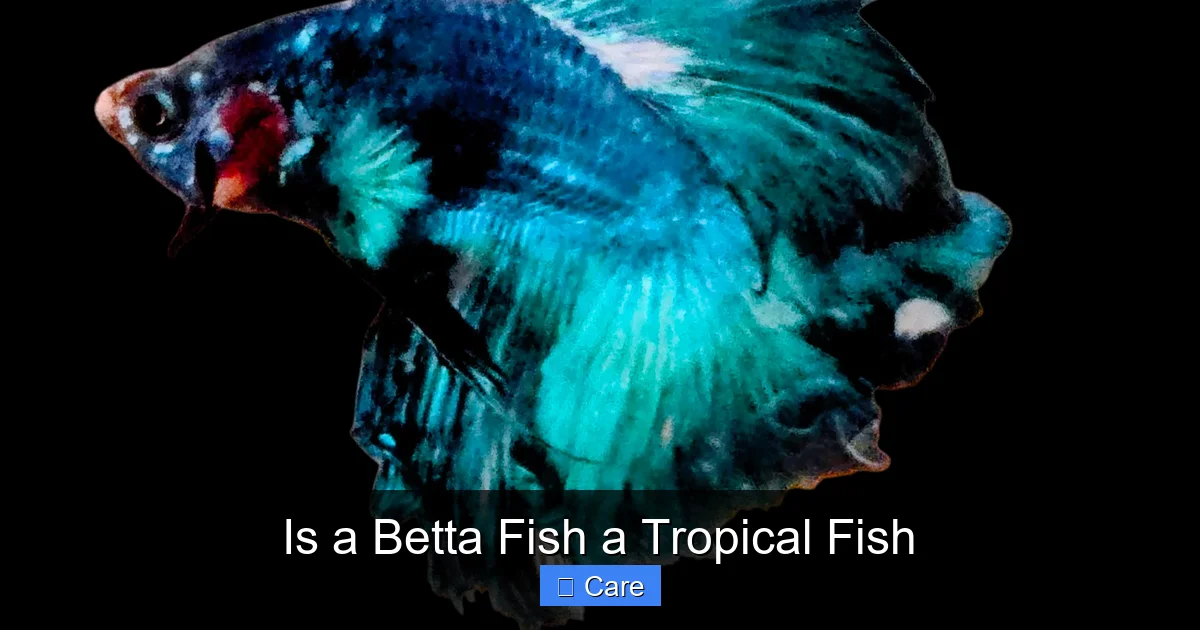
Visual guide about Is a Betta Fish a Tropical Fish
Image source: uktropicalfish.com
1.2 Physical Adaptations
Betta splendens have a labyrinth organ—a specialized breathing structure that lets them gulp air from the surface. This adaptation allows them to survive in oxygen‑poor waters, but it does not replace the need for clean, warm water. Their vibrant colors are a result of diet and genetics, thriving best when the environment mirrors their native climate.
2. Temperature – The Heartbeat of a Tropical Betta
2.1 Ideal Range
The sweet spot for a betta is 78°F (25.5°C). Anything below 74°F (23°C) can slow metabolism, suppress the immune system, and cause the fish to become lethargic. Temperatures above 84°F (29°C) increase stress and can lead to rapid oxygen depletion.
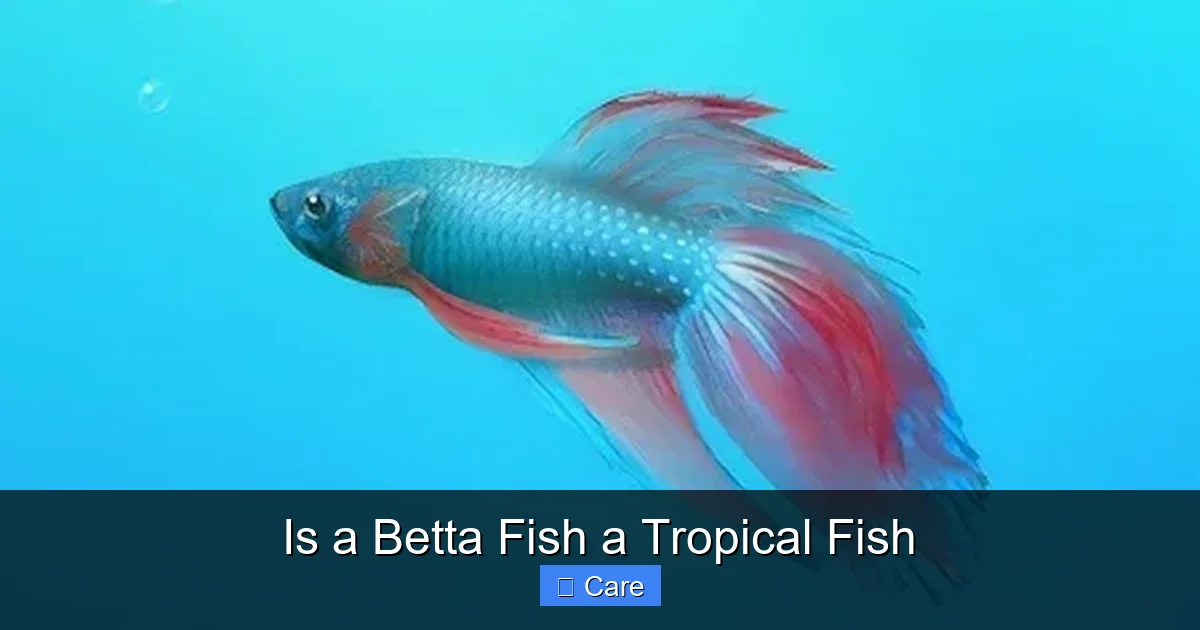
Visual guide about Is a Betta Fish a Tropical Fish
Image source: lh3.googleusercontent.com
2.2 How to Maintain Consistent Heat
- Use a reliable aquarium heater: Choose a submersible heater with an adjustable thermostat. A 25‑watt heater is sufficient for a 5‑gallon tank.
- Check temperature daily: A digital aquarium thermometer placed near the surface gives an accurate reading.
- Avoid heat spikes: Position the heater away from direct light and filter intakes.
2.3 Real‑World Example
Jane, a first‑time betta owner, placed her 2‑gallon bowl on a windowsill. The water temperature dropped to 68°F at night, and her betta’s fins drooped. After moving the fish to a 5‑gallon tank with a heater set to 78°F, the fish’s colors brightened within a week.
3. Water Quality – Soft, Slightly Acidic, and Clean
3.1 pH and Hardness
Betta fish thrive in water with a pH of 6.5‑7.5 and a general hardness (GH) of 3‑8 dGH. Soft water mimics the rain‑filled pools of their native range.
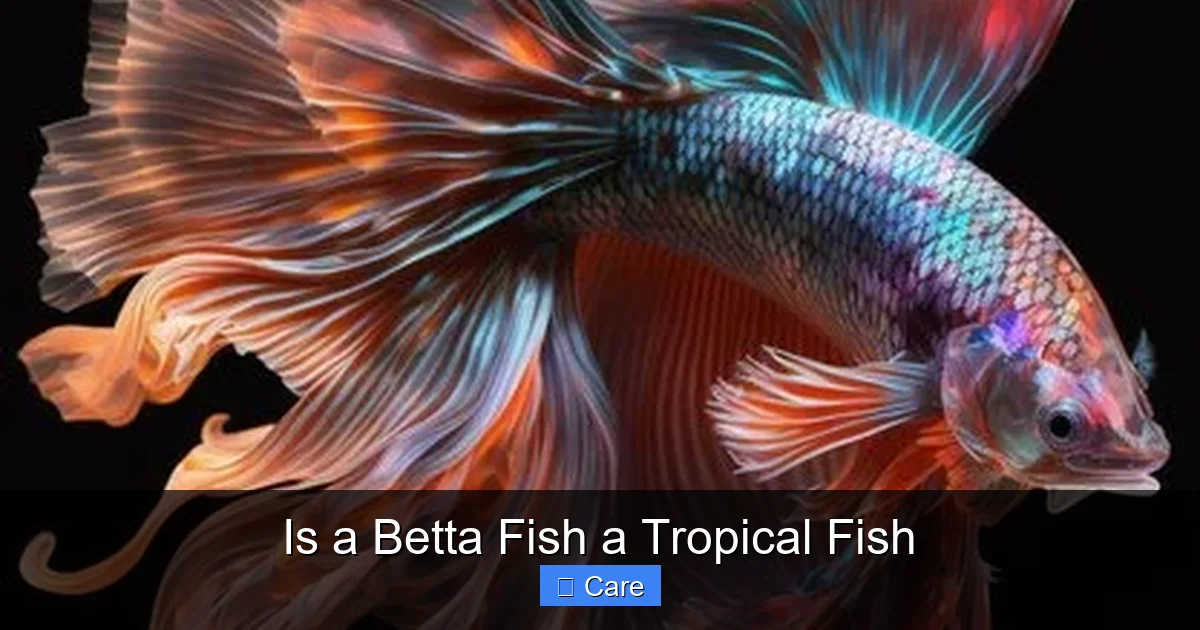
Visual guide about Is a Betta Fish a Tropical Fish
Image source: img.freepik.com
3.2 Filtration Tips
- Gentle flow: Betta’s long fins can be damaged by strong currents. Use a sponge filter or a low‑flow hang‑on‑back filter.
- Regular water changes: Replace 25‑30% of the tank water weekly to keep nitrate levels low.
- Conditioning: Add a water conditioner to neutralize chlorine and chloramines.
3.3 Practical Maintenance Schedule
– **Daily:** Check temperature, remove uneaten food.
– **Weekly:** Test pH and hardness, perform 25% water change.
– **Monthly:** Clean filter media (rinse in tank water, not tap water).
4. Tank Setup – Size, Decor, and Enrichment
4.1 Minimum Tank Size
Although bettas can survive in small containers, a 5‑gallon tank is the minimum for a healthy tropical environment. Larger tanks provide more stable temperature, better water quality, and room for plants.
4.2 Choosing the Right Substrate
Fine sand or smooth gravel works well. Avoid sharp stones that could tear delicate fins.
4.3 Live Plants and Hiding Spots
Live plants such as Anubias, Java fern, and Marimo moss balls help maintain water quality and give your betta places to rest. Provide a few floating leaves or a small cave for privacy.
4.4 Lighting
Moderate lighting (8‑10 hours a day) encourages plant growth without stressing the fish. A simple LED fixture works perfectly.
5. Feeding – Nutrition for a Tropical Champion
5.1 Core Diet
High‑quality betta pellets formulated for tropical fish should be the staple. Look for pellets with at least 40% protein.
5.2 Supplemental Treats
- Live or frozen bloodworms (once or twice a week).
- Brine shrimp for a protein boost.
- Pea puree (shelled) for occasional fiber.
5.3 Feeding Schedule
Feed 2‑3 small portions daily, no more than the size of the fish’s eye. Overfeeding leads to cloudy water and health issues.
6. Common Myths and FAQs About Betta Tropical Care
6.1 Myth: Betta Fish Can Live Without a Heater
Incorrect. Without consistent warmth, bettas become sluggish and prone to disease. A heater is non‑negotiable for a true tropical setup.
6.2 Myth: Betta Fish Are Aggressive Toward All Other Fish
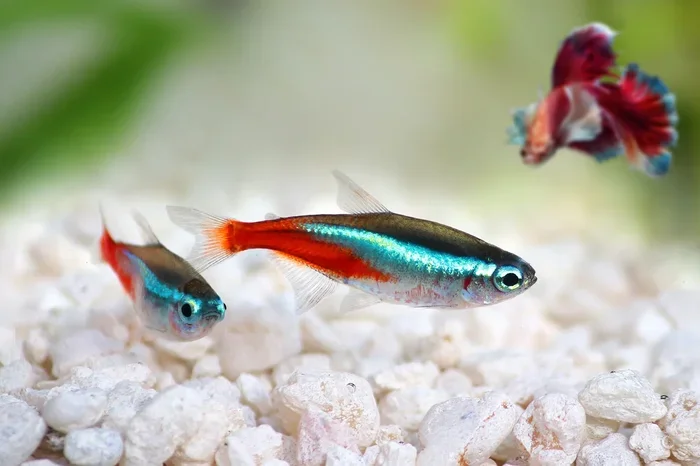
Betta males are territorial, but many peaceful community species (e.g., small rasboras, neon tetras) can coexist if the tank is spacious and there are plenty of hiding spots.
6.3 Myth: A 2‑Gallon Bowl Is Sufficient
While bettas can survive in tiny containers, a 5‑gallon (or larger) tank dramatically improves water stability, reduces stress, and allows you to maintain true tropical conditions.
Conclusion: Embrace the Tropical Life
Answering the question “Is a betta fish a tropical fish?” is simple: yes, absolutely. Their natural home is warm, soft, and slightly acidic—conditions that must be replicated in the home aquarium. By providing a stable temperature, gentle filtration, appropriate tank size, and a balanced diet, you give your betta the best chance to display its full spectrum of colors and personality.
Remember, tropical care isn’t a one‑time setup; it’s an ongoing commitment. Check temperature daily, perform regular water changes, and watch your betta’s behavior for clues. With the right tropical environment, your betta will thrive, becoming a vibrant, active centerpiece that brings a slice of Southeast Asian wetlands into your living room.
Frequently Asked Questions
Is a betta fish considered a tropical species?
Yes. Betta splendens originates from warm, shallow waters of Southeast Asia and requires tropical temperatures (76‑82°F) to thrive.
What temperature should I keep my betta’s tank at?
Maintain the water between 78°F (25.5°C) and 80°F (27°C). A reliable aquarium heater is essential for consistency.
Can I keep a betta in a 2‑gallon bowl?
While bettas can survive in small containers, a minimum of 5 gallons is recommended for stable water parameters and true tropical conditions.
Do bettas need a filter?
Yes. A gentle filter (sponge or low‑flow) helps keep the water clean without creating strong currents that can stress the fish.
What should I feed a tropical betta?
High‑quality betta pellets as the staple, supplemented with occasional live or frozen foods like bloodworms or brine shrimp.
Can bettas live with other fish?
Male bettas are territorial, but with a sufficiently large tank and peaceful, non‑fin‑nipping tank mates, they can coexist successfully.