What Type of Water to Use for Betta Fish Best Choices
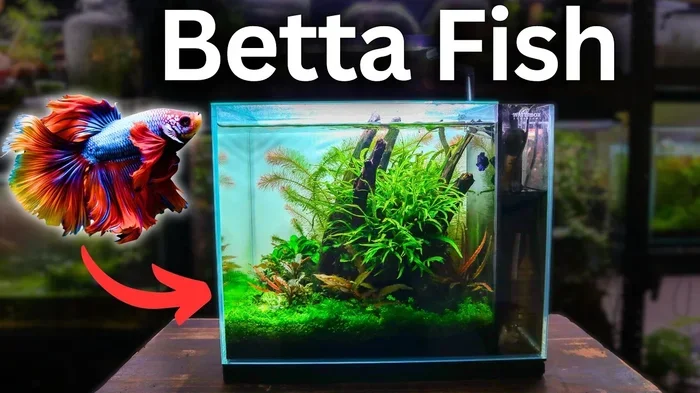
Choosing what type of water to use for betta fish is one of the most important steps in keeping your fish healthy and stress-free. The best option is usually dechlorinated tap water that matches your tank temperature, but spring or bottled water can work if treated properly. Avoid distilled water alone since it lacks essential minerals your betta needs to thrive. Always condition your water, test parameters regularly, and maintain a stable environment for long-term success.
Keeping a betta fish happy starts with one simple question: what type of water to use for betta fish? It sounds easy, but the answer affects everything from your fish color to its energy level. Water is not just a place for your betta to swim. It is the entire world your fish lives in. That means quality matters a lot.
Many new owners grab the first bottle or faucet they see and hope for the best. That approach can lead to stress, illness, or a short life for your fish. The good news is that you do not need fancy equipment or expensive water to succeed. You just need to understand what makes water safe and comfortable. Once you know that, caring for your betta becomes much easier.
In this guide, we will walk through the most common water choices, what to avoid, and how to prepare water the right way. You will learn how to make tap water safe, when bottled water makes sense, and why temperature and minerals matter. By the end, you will feel confident about betta fish water requirements and ready to set up a healthy tank.
Key Takeaways
- Primary Choice: Dechlorinated tap water is usually the safest and most affordable option for betta fish.
- Temperature Matters: Always match new water to your tank temperature to prevent thermal shock.
- Conditioner Is Essential: Use a quality water conditioner to remove chlorine, chloramines, and heavy metals.
- Avoid Pure Distilled Water: Distilled water lacks minerals and can cause osmotic stress without remineralization.
- Spring Water Can Work: Bottled spring water is acceptable if you test it and condition it when needed.
- Regular Testing: Monitor pH, ammonia, nitrite, and nitrate to keep your betta environment stable.
- Consistent Changes: Perform routine partial water changes to maintain clean, healthy water over time.
📑 Table of Contents
- What Type of Water to Use for Betta Fish Best Choices
- Understanding Tap Water and Betta Safety
- Spring Water and Bottled Water Options
- Distilled Water, Purified Water, and Mineral Balance
- Conditioning, Temperature, and Water Changes
- Choosing the Right Water for Your Setup
- Quick Tips for Safe Betta Water
- Common Mistakes to Avoid
- Expert Insights for Better Water Quality
- Final Thoughts on What Type of Water to Use for Betta Fish
What Type of Water to Use for Betta Fish Best Choices
When people ask what type of water to use for betta fish, they usually want a clear winner. The truth is that several options can work well if you handle them correctly. The best choice for most owners is clean tap water that has been treated with a conditioner. It is easy to find, affordable, and usually safe once you remove harmful chemicals.
Tap water often contains chlorine or chloramines, which can hurt fish gills and stress your betta. That is why you should never add fresh tap water straight into the tank without treatment. A good conditioner neutralizes those chemicals quickly. It can also help bind heavy metals that may be present in some municipal supplies. If you want to learn more about using faucet water safely, you can read this guide on can i use faucet water for my betta fish.
If your tap water quality is uncertain, bottled spring water is another option. It usually has a more stable mineral profile and fewer treatment chemicals. Still, you should check the label and test the water before using it. Some bottled products are basically purified water with minerals added back in, while others come from natural sources. For a deeper look at bottled options, see can you use bottled drinking water for betta fish.
Distilled water deserves special caution. It is very pure, but it also lacks the minerals fish need for healthy scales, gills, and overall balance. Using it alone can create osmotic stress. If you ever want to use it, you would need to remineralize it first. For most beginners, it is simply not the easiest path. If you are curious about this topic, you may also want to check can you use spring or distilled water for betta fish.
So the short answer to what type of water to use for betta fish is this: start with treated tap water, consider spring water if your tap supply is poor, and avoid using distilled water by itself. The goal is stable, clean, chemical-free water that matches your tank temperature.
Understanding Tap Water and Betta Safety
Tap water is the most common choice for betta tanks, and for good reason. It is convenient, low cost, and usually reliable when treated properly. The main issue is not the water itself, but what may be added to it during treatment. Municipal supplies often include chlorine for disinfection. Some also use chloramines, which are harder to remove.
If you are wondering can you use tap water for your betta fish, the answer is yes, with one important step. You must condition it first. A quality conditioner helps neutralize chlorine and chloramines. It can also reduce the impact of copper, lead, and other metals that sometimes appear in older pipes. This makes treated tap water a practical everyday choice for most hobbyists.
Another common question is can you use regular tap water for your betta fish. Regular tap water can work well, but “regular” does not always mean “ready.” Water quality varies by city and even by neighborhood. That is why testing matters. A simple test kit can tell you if your pH, hardness, or contaminant levels are outside a safe range. If you want more detail on this, see can you use regular tap water for your betta fish.
Some owners also ask whether boiling tap water helps. Boiling can remove chlorine over time, but it does not reliably remove chloramines or heavy metals. It also cools the water, which creates extra work before you can use it in the tank. A conditioner is usually faster and more dependable. If you want to explore that idea further, you can read can you boil regular tap water for betta fish.
Here are a few quick tips for using tap water safely:
- Use a trusted water conditioner every time you add new water.
- Test your source water occasionally, especially if you notice fish stress.
- Let water sit only if you know chlorine is the main concern, since chloramines may remain.
- Match the temperature to the tank before adding it.
- Avoid using hot tap water directly, since it may carry more metals from pipes.
If you are still unsure about your local supply, you can learn more about general tap water use in a betta tank through can you use tap water in a betta fish tank.
Spring Water and Bottled Water Options
Spring water is often seen as a natural alternative, and many betta owners consider it when they want a simpler water source. The main advantage is consistency. Bottled spring water usually has a predictable mineral profile and fewer disinfectants than some tap supplies. That can make it appealing if your local water is hard, strong-smelling, or inconsistent.
Still, the question remains: can you use spring water for betta fish safely? In many cases, yes, but you should not assume all spring water is the same. Different brands source water differently. Some contain higher pH levels, while others are softer. For bettas, stability is more important than perfection. A moderate pH with steady temperature and low toxins is usually the real goal.
If you are thinking about using a popular brand, you might wonder can you use Poland Spring water for betta fish. It can be used, but you should still test it and condition it if needed. Bottled water is not automatically free of contaminants or unsuitable minerals. It is also more expensive over time, so it is worth weighing convenience against cost. For more on that specific brand, check can you use poland spring water for betta fish.
Bottled drinking water is another option that comes up often. People ask can you use bottled drinking water for betta fish because it feels clean and safe. That is understandable, but “drinking water” is not always ideal for fish without checking the label. Some versions are purified and then remineralized, while others may be nearly neutral. If you want to compare these choices, see can you use bottled drinking water for betta fish.
Some hobbyists also consider purified bottled water. If you are curious about that route, you can explore can you use purified bottled water for betta fish. The key point is to avoid guessing. Test the water, watch how your fish respond, and make changes slowly. Sudden switches can stress your betta more than the water itself.
A practical rule for bottled water is this: use it if it helps you maintain stable conditions, but do not rely on the label alone. Your test results and your betta behavior tell you more than marketing words do.
Distilled Water, Purified Water, and Mineral Balance
Distilled water is very clean, but cleanliness is not the same as suitability. It has been boiled and condensed, which removes most minerals and contaminants. That sounds great at first, but fish need some dissolved minerals for normal body functions. Without them, water can become unbalanced for your betta.
This is why what type of water to use for betta fish is not just about purity. It is also about balance. Distilled water can be used in special situations, but usually not on its own. If you want to use it, you would typically need to add minerals back in and monitor the result carefully. For most beginners, that extra step makes it less practical than treated tap water.
Purified water is similar in some ways. It may go through filtration or reverse osmosis, which can strip out more than just harmful substances. If you are curious about reverse osmosis, you can read can you use reverse osmosis water for betta fish. RO water can be useful if you need to lower hardness or control pH, but it often needs remineralization before it supports fish well.
People also ask can you use purified drinking water for betta fish. The answer depends on the product. Some purified waters are designed for human consumption and may still contain a small amount of minerals. Others are almost completely neutral. If you want to compare that option, see can you use purified drinking water for betta fish.
A simple way to think about it is this:
- Distilled water: very low minerals, not ideal alone.
- Purified water: varies by method, may need minerals added back.
- Spring water: usually contains some natural minerals, but still worth testing.
- Treated tap water: often the easiest balanced option for daily use.
If you want to keep things simple, focus on stability. Your betta does best when parameters stay steady, not when the water is perfectly pure. Minerals, temperature, and chemistry all work together.
Conditioning, Temperature, and Water Changes
Even the best water source can become a problem if you add it incorrectly. Conditioning and temperature are two of the biggest factors in keeping your betta comfortable. A betta fish water conditioner helps make tap water safer by neutralizing harmful chemicals. It is one of the easiest tools you can keep in your fish-care routine.
If you are wondering can you use tap water conditioner for betta fish, the answer is usually yes, and it is recommended. Conditioners are designed to work quickly, which is helpful during water changes. Some also help reduce stress or bind metals. If you want to compare products, you may find it useful to read can you use tap water conditioner for betta fish.
Temperature matters just as much. Bettas are tropical fish, so sudden cold or hot water can shock them. That is why you should always aim to match the new water to the tank temperature. If you are adding water during a change, warm it gently beforehand if needed. You can learn more about this in can you add warm water to betta fish tank.
Many beginners also ask do betta fish have to have water changes. Yes, partial changes help remove waste, excess food, and built-up compounds that can harm water quality over time. You do not need to replace all the water at once. In fact, large changes can be stressful. Steady, regular maintenance is usually better. For more on that, see do betta fish have to have water changes.
Here is a simple maintenance rhythm many owners follow:
- Replace a portion of the water every week or two, depending on tank size and stocking.
- Use a gravel vacuum to remove debris from the bottom.
- Condition new water before it goes into the tank.
- Check temperature before adding water.
- Test parameters after changes if you are new to the hobby.
If you ever miss a schedule, do not panic. One late change is not a disaster, but long gaps can let water quality drop. If you have ever let maintenance slip, you may relate to didn t change betta fish water for 1 month. The best fix is to get back on track slowly and carefully.
Choosing the Right Water for Your Setup
The best answer to what type of water to use for betta fish depends on your situation. A small filtered tank, a heated bowl, and a planted setup may all have slightly different needs. Your local water supply, your budget, and your willingness to test all matter too. The good news is that you can start simple and adjust as you learn.
If your tap water is decent and you use a conditioner, that is often enough for a healthy betta. If your tap water is very hard, has a strong chemical smell, or causes recurring issues, bottled spring water may be worth trying. If you want more control over hardness or pH, you can blend sources or use RO water with remineralization. For more on whether bettas need special water, see do betta fish have to have special water.
It also helps to think about long-term consistency. Your betta adapts best when conditions stay similar from one water change to the next. That means avoiding big swings in pH, temperature, or mineral content. Even “good” water can cause stress if it is very different from what your fish is used to.
A few setup-specific reminders:
- Heated tanks need temperature-matched water every time.
- Small unfiltered containers need more frequent changes because waste builds up faster.
- Planted tanks may need stable parameters so plants and fish both stay healthy.
- New tanks may need extra attention while the biological filter is still maturing.
If you are setting up a tank for the first time, you might also want to read can you use bottled water in a betta fish tank. It can help you compare practical choices before you buy.
Quick Tips for Safe Betta Water
Use these quick tips as a simple checklist:
- Test first: Check pH, ammonia, nitrite, and nitrate when possible.
- Condition always: Treat tap water before adding it to the tank.
- Match temperature: Avoid thermal shock by warming or cooling new water to the tank range.
- Go slow: Make changes gradually instead of swapping water sources suddenly.
- Watch your fish: If your betta hides, fades, or breathes heavily, check water quality.
- Keep it clean: Remove uneaten food and waste before it breaks down.
- Stay consistent: Use the same general water source so parameters stay stable.
Common Mistakes to Avoid
A few mistakes come up again and again for new betta owners. Avoiding them can save your fish from stress and save you from frustration.
- Adding untreated tap water straight into the tank.
- Using distilled water without remineralization.
- Changing water temperature suddenly.
- Replacing too much water at once.
- Ignoring test results because the water looks clear.
- Switching water sources often without monitoring the effect.
Clear water is not always safe water. That is why testing and conditioning matter so much. If you want to understand whether bettas need a special setup, you can also read do betta fish have to have special water.
Expert Insights for Better Water Quality
Experienced keepers usually focus on three things: stability, cleanliness, and gentle maintenance. They do not chase perfect numbers. They chase steady numbers. That is an important difference. A stable pH near the middle of a safe range is often better than a “perfect” pH that swings around.
Another useful habit is to keep a small log. Write down your water source, conditioner, temperature, and test results after changes. Over time, patterns become easier to spot. If your betta seems off, you can check what changed instead of guessing.
It also helps to remember that fish care is a system. Water, heat, filtration, feeding, and cleaning all work together. When one part improves, the whole tank often becomes easier to manage.
Final Thoughts on What Type of Water to Use for Betta Fish
So, what type of water to use for betta fish? For most owners, the best starting point is treated tap water that has been conditioned and temperature-matched. It is practical, affordable, and usually safe when handled correctly. Spring water can be a good backup if your tap supply is unreliable, while distilled water should be used carefully and not alone.
The real goal is not just clean water. It is stable, comfortable water that supports your betta every day. Condition your source, test when you can, and keep changes gentle. Do that, and you give your fish the best chance to stay bright, active, and healthy.
Frequently Asked Questions
What type of water is best for a betta fish?
The best choice is usually treated tap water that has been conditioned to remove chlorine and chloramines. It should also be temperature-matched to the tank before you add it. If your tap water is poor, spring water can be a good alternative when tested and used consistently.
Can I use tap water for my betta fish without a conditioner?
You should not use untreated tap water if it contains chlorine or chloramines, because those chemicals can harm your fish. A water conditioner is a simple way to make tap water safer before it goes into the tank. If you are unsure about your local supply, testing and conditioning are both smart steps.
Is distilled water safe for betta fish?
Distilled water is very pure, but it lacks the minerals fish need for healthy balance. Using it alone is not ideal because it can create osmotic stress. If you want to use it, you would usually need to remineralize it first and monitor the results closely.
Can I use bottled spring water for my betta fish?
You can use bottled spring water in many cases, but not all brands are the same. It is best to test the pH and other parameters before using it in your tank. If the water is stable and safe, it can be a workable option, especially if your tap water is inconsistent.
Do I need to match the temperature of new water before adding it?
Yes, matching temperature is important because sudden changes can stress your betta. Cold or hot water can cause shock, even if the water is otherwise safe. Always warm or cool new water to be close to the tank temperature before adding it.
How often should I change the water in a betta tank?
The schedule depends on tank size, filtration, and how much waste builds up. Many owners do partial water changes on a regular weekly or biweekly rhythm. The goal is to keep water clean without causing big swings in the tank environment.