What Type of Fish Can I Put with a Betta

So, you want to know what type of fish can i put with a betta? The good news is that bettas can live with certain peaceful species like mollies, tetras, snails, and Corydoras. Choosing the right tank mates depends on water conditions, temperament, and tank size. This guide covers everything you need to make a safe, happy community tank.
So you have a beautiful betta fish, and you are wondering what type of fish can i put with a betta. Maybe you want a bigger tank. Maybe you want some company for your colorful friend. Either way, you are in the right place.
Bettas are stunning fish. They have flowing fins and bright colors. But they can also be territorial. That means not every fish gets along with them. The good news is that plenty of species make great betta tank mates. You just need to pick the right ones.
In this guide, we will walk through the best fish to pair with a betta. We will cover which fish work, which ones to avoid, and how to set up a peaceful community tank. By the end, you will feel confident about building a happy home for your betta and its new friends.
Key Takeaways
- Best Betta Tank Mates: Peaceful fish like mollies, tetras, Corydoras, and snails make great companions.
- Tank Size Matters: A tank of at least 10 gallons gives everyone room to thrive and reduces aggression.
- Avoid Fin-Nippers: Fish that nip fins, like some barbs and guppies, can stress your betta out.
- Watch Water Parameters: Bettas need warm, clean water between 76-82°F, and tank mates must share those needs.
- Introduce Fish Slowly: Adding new fish gradually prevents territorial fights and helps everyone adjust.
- Snails Are Great Options: Mystery snails and Nerite snails are peaceful and help keep the tank clean.
- Know Your Betta’s Personality: Some bettas are more aggressive than others, so choose tank mates accordingly.
📑 Table of Contents
Understanding Betta Fish Temperament
Before you add any tank mates, you need to understand betta behavior. Bettas are also called Siamese fighting fish. They got that name for a reason. Male bettas can be very aggressive toward other male bettas. They may flare their gills and chase other fish.
But here is the thing. Not all bettas are the same. Some bettas are calm and curious. Others are feisty and defensive. Betta fish temperament varies from fish to fish. Female bettas tend to be less aggressive than males. And some males are just chill. It all depends on the individual fish.
Why Bettas Can Be Aggressive
Bettas are solitary by nature. In the wild, they claim small territories. They defend those spaces from other fish. When you put them in a shared tank, they may see other fish as threats. This is why choosing the right tank mates is so important.
A betta that feels crowded or threatened may become stressed. Stress leads to disease. It can also cause your betta to stop eating. A happy betta is a healthy betta. So take the time to pick friends wisely.
Factors That Affect Betta Aggression
- Tank Size: A small tank makes bettas more territorial.
- Tank Layout: Lots of hiding spots reduce stress and fights.
- Number of Fish: More fish means more competition and potential conflict.
- Betta Personality: Some bettas are naturally more dominant.
- Water Quality: Poor water conditions can make any fish irritable.
Best Fish to Put with a Betta
Now let us get to the fun part. What type of fish can i put with a betta? There are several species that work well. Let us break them down by category.
Peaceful Community Fish
These fish are gentle and get along with most community tanks. They are not aggressive, and they tend to stay out of a betta’s way.
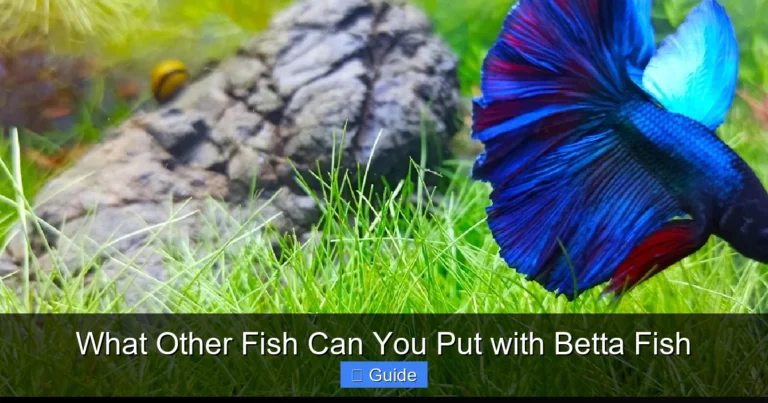
Mollies are a popular choice. They are peaceful and come in many colors. Can I Put A Betta Fish With Mollies? Yes, in most cases. Mollies share similar water parameters with bettas. They like warm water and are not known to nip fins.
Corydoras Catfish are another excellent option. These little bottom dwellers are super peaceful. They mind their own business and scavenge for food. They will not bother your betta at all.
Tetras like neon tetras and ember tetras also work well. They are small, colorful, and stay in the middle of the tank. Just make sure the tank is big enough. A group of tetras needs space to swim.
Snails as Betta Tank Mates
Snails are some of the easiest tank mates for bettas. They do not swim around and bother anyone. They just mind their own business, eating algae and leftover food.
Mystery snails are a favorite among betta keepers. They are large, colorful, and very docile. Nerite snails are another great pick. They are tiny and work hard to clean algae off glass and decorations.
Snails are also a great choice if you are worried about adding too much activity to the tank. They move slowly and calmly, which your betta will appreciate.
Schooling Fish That Work with Bettas
Schooling fish add movement and life to a tank. But not all of them are safe with bettas. Can You Put Schooling Fish With A Betta? Yes, but you need to choose the right species.
Ember tetras and harlequin rasboras are good options. They are small, peaceful, and stay in groups. They tend to swim in the middle and upper parts of the tank, which keeps them away from a betta’s territory.
Avoid larger schooling fish like serpae tetras. They can be nippy and may bother your betta’s fins. Always research any fish before adding it to your tank.
Fish to Avoid with a Betta
Knowing what to avoid is just as important as knowing what to add. Some fish simply do not work with bettas. Here is a closer look.
Fin-Nipping Fish
Bettas have long, beautiful fins. Some fish see those fins as something to nip at. Fin-nipping fish can cause serious stress and even injury to your betta.
Avoid fish like tiger barbs and some species of danios. They are playful but can be rough. Even some tetras, like serpae tetras, can become nippy in tight spaces.
Fish with Similar Colors or Fins
Bettas can mistake fish that look like them for rivals. If a fish has bright colors or long fins, your betta may attack it. This is especially true for male bettas.
Avoid keeping male bettas with other brightly colored fish that have flowing fins. This includes some guppies and fancy goldfish. The betta may chase and bully these fish constantly.
Large or Aggressive Fish
Big fish can bully or even eat a betta. Keep your betta away from cichlids, angelfish, and goldfish. These species need different water conditions and are often too dominant for a shared tank.
Tank Setup for a Peaceful Community
Setting up the right environment makes a huge difference. A well-planned tank gives every fish its own space. This reduces conflict and keeps everyone healthy.
Ideal Tank Size
A tank of at least 10 gallons is best for a betta with tank mates. A smaller tank makes fish feel crowded. A 10-gallon tank gives your betta room to claim a territory while still leaving space for others.
If you plan to add a group of schooling fish, go bigger. A 20-gallon tank gives everyone more room to swim and reduces territorial behavior.
Plants and Decorations
Live plants are a must. They break up sightlines and give fish places to hide. Plants like java moss, anubias, and amazon sword work great. They also help keep the water clean.
Add caves, driftwood, and rocks. These create hiding spots that reduce stress. When fish can get away from each other, they feel safer. A well-decorated tank is a calmer tank.
Water Parameters
Bettas need warm water between 76 and 82 degrees Fahrenheit. The pH should be between 6.5 and 7.5. Make sure any tank mates you choose can handle these same conditions.
Test your water regularly. Keep ammonia and nitrite levels at zero. Do regular water changes of about 25 percent every week. Clean water keeps all fish healthy and less aggressive.
How to Introduce New Fish Safely
Adding new fish to a betta tank should be done carefully. A rushed introduction can lead to fights and stress. Follow these steps for a smooth transition.
- Quarantine New Fish: Keep new fish in a separate tank for two weeks. This helps you spot any diseases before adding them to your main tank.
- Rearrange the Tank: Before adding new fish, move some decorations around. This breaks up your betta’s established territory and reduces defensiveness.
- Add Fish Gradually: Introduce one or two fish at a time. Wait a few days between additions. This gives your betta time to adjust.
- Watch for Signs of Stress: Look for flaring, chasing, or hiding. If your betta seems overly aggressive, you may need to remove the new fish.
- Feed Well: A well-fed betta is less likely to be territorial. Offer food before and after introducing new fish.
Expert Tips for a Happy Betta Community
Building a successful community tank takes patience. Here are some expert tips to help you along the way.
- Start with a calm betta. If your betta is already aggressive, it may not be the right candidate for a community tank.
- Overstock with plants, not fish. More plants mean more hiding spots and less confrontation.
- Feed separately if needed. Some fish are faster eaters than bettas. Make sure your betta gets enough food.
- Observe daily. Watch how your fish interact. Early signs of trouble are easier to fix than full-blown fights.
- Be ready to rehome. Not every combination works. If a fish is causing stress, move it to its own tank.
The goal is a tank where every fish feels safe and comfortable. When everything clicks, a community tank with a betta is truly beautiful to watch.
Conclusion
So, what type of fish can i put with a betta? The answer is clear. Peaceful community fish like mollies, tetras, and Corydoras make wonderful companions. Snails are easy and low-maintenance. And with the right tank setup and careful introduction, your betta can live happily with other fish.
Remember that every betta is different. Pay attention to your fish’s personality and adjust as needed. A little planning goes a long way. Start small, observe closely, and enjoy building a thriving aquarium. Your betta will thank you for it.
Frequently Asked Questions
Can I put a betta fish with mollies?
Yes, mollies are generally peaceful and share similar water preferences with bettas. They are a popular choice for community tanks. Just make sure the tank is large enough for both species to thrive.
What fish should I avoid putting with a betta?
Avoid fin-nippers like tiger barbs, brightly colored fish with long fins, and large aggressive species. These can stress or harm your betta. Always research any fish before adding it to a betta tank.
Can snails live with betta fish?
Yes, snails like mystery snails and Nerite snails are excellent betta tank mates. They are peaceful, slow-moving, and help keep the tank clean. They will not bother your betta at all.
How big of a tank do I need for a betta with other fish?
A minimum of 10 gallons is recommended for a betta community tank. Larger tanks, like 20 gallons, give fish more room and reduce territorial behavior. More space means a happier, healthier tank for everyone.
Can female bettas live with other fish?
Yes, female bettas are generally less aggressive than males. They can live with peaceful community fish and even other females in a sorority setup. However, careful monitoring is still important to ensure everyone gets along.
How do I introduce a new fish to my betta tank?
Start by quarantining the new fish for two weeks. Then rearrange the tank decorations to break up your betta’s territory. Add the new fish slowly and watch for signs of stress. Feed well to reduce territorial behavior.