Can Betta Fish Live with Other Types of Fish
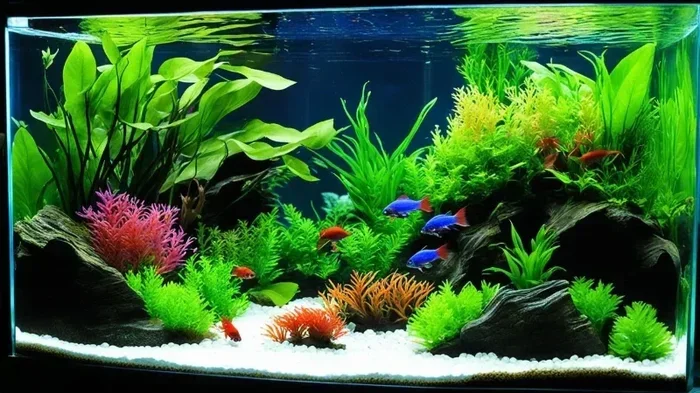
Can betta fish live with other types of fish? Yes, but it depends on tank setup, temperament, and species choice. Bettas can coexist peacefully with the right tank mates, proper aquarium setup, and careful monitoring. This guide covers everything you need to know about creating a harmonious community tank.
Many fish lovers wonder can betta fish live with other types of fish. The short answer is yes. But the full answer involves a lot of important details. Bettas are beautiful, colorful fish that bring life to any aquarium. Yet they have a reputation for being feisty and territorial. This reputation makes many hobbyists hesitant about mixing them with other species.
The truth is, bettas can thrive in a community tank when you choose the right companions and set things up properly. Not every betta is the same. Some are calm and shy, while others are bold and aggressive. Understanding your betta’s personality is the first step toward a successful tank setup. This guide will walk you through everything you need to know.
We will cover the best tank mates, tank setup requirements, common mistakes to avoid, and expert tips for keeping the peace. Whether you are a beginner or a seasoned aquarist, this guide has practical advice you can use right away. Let us dive in and explore the world of betta fish and their potential tank mates.
Key Takeaways
- Betta temperament matters: Each betta has a unique personality that affects compatibility with other fish.
- Tank size is critical: A minimum of 10 gallons is recommended for a community setup with bettas.
- Choose peaceful species: Fish like corydoras, tetras, and kuhli loaches make great companions.
- Avoid bright or long-finned fish: These can trigger aggression or mistaken identity in bettas.
- Monitor water parameters closely: Stable conditions reduce stress and aggression in all tank inhabitants.
- Always have a backup plan: Be ready to separate fish if aggression occurs.
📑 Table of Contents
Understanding Betta Temperament
Before you add any other fish to a betta tank, you need to understand betta behavior. Bettas belong to the gourami family and are native to Southeast Asia. In the wild, they live in shallow rice paddies, slow-moving streams, and flood plains. They have evolved to be solitary creatures in many cases. Male bettas, in particular, are known for their aggressive displays.
Why Are Bettas Aggressive?
Bettas flare their gills and spread their fins to intimidate rivals. This behavior is called flaring. It is a natural defense mechanism. In captivity, this aggression can be directed at fish that look similar or have long fins. A male betta may see another fish with bright colors or flowing fins as a threat. This is why choosing the right compatible fish is so important.
Female Bettas vs. Male Bettas
Female bettas are generally less aggressive than males. A group of female bettas, often called a sorority, can sometimes live together peacefully. Male bettas, on the other hand, should almost never be housed together. Two males will fight, and the results can be fatal. If you want to know more about housing male bettas with other fish, check out this guide on What Types Of Fish Can Live With A Male Betta.
Individual Personality Differences
Just like people, every betta has its own personality. Some bettas are docile and ignore other fish completely. Others are territorial and chase anything that moves. When choosing tank mates, pay close attention to your betta’s behavior. A calm betta is much more likely to succeed in a community tank. A highly aggressive betta may do better alone.
Best Tank Mates for Betta Fish
Not all fish species work well with bettas. The best companions are peaceful, non-fin-nipping, and occupy different areas of the tank. This reduces competition and territorial disputes. Here are some of the top choices for community tank setups.
Corydoras Catfish
Corydoras, or corys, are small bottom-dwelling fish. They stay mostly at the bottom of the tank, which means they rarely cross paths with a betta. Corys are peaceful, social, and fun to watch. They come in many species, including pygmy corys and peppered corys. These fish are excellent tank mates because they mind their own business.
Kuhli Loaches
Kuhli loaches are eel-like fish that stay active at night. They are shy and gentle. They spend most of their time hiding in caves or burrowing in the substrate. Because they are nocturnal, they rarely interact with bettas during the day. They are a great choice if your betta tends to be territorial.
Neon Tetras and Ember Tetras
Tetras are schooling fish that add color and movement to a tank. Neon tetras and ember tetras are small and peaceful. They stay in the middle and upper levels of the tank. A large enough school of tetras can distract a betta from focusing on any single fish. Just make sure the school has at least six to eight members.
Snails and Shrimp
Snails like mystery snails and nerite snails are excellent additions to a betta tank. They eat algae and help keep the tank clean. Shrimp, such as cherry shrimp and amano shrimp, are also good options. Some bettas may try to eat small shrimp, but many leave them alone. These creatures add variety without adding aggression to the tank.
Tank Setup for a Community Tank
Setting up a tank for bettas and other fish requires careful planning. The wrong setup can cause stress, illness, and even death. Here are the key factors to consider when building a community aquarium.
Tank Size Matters
A single betta needs at least a 5-gallon tank. But if you want to add other fish, you need more space. A 10-gallon tank is the minimum for a small community. A 20-gallon tank gives everyone more room to swim and reduces territorial behavior. More space means less stress for all inhabitants. If you are unsure about tank sizes, this article on Can Betta Fish Live In A Tank With Other Fish has detailed guidance on tank requirements.
Plants and Hiding Spots
Live plants are a game-changer for a betta community tank. Plants like java fern, anubias, and amazon sword provide natural cover. They break up lines of sight and give shy fish places to hide. Bettas love plants with broad leaves where they can rest. Floating plants like frogbit or water lettuce are also great because bettas enjoy resting near the surface.
Water Parameters
Bettas prefer warm water between 76 and 82 degrees Fahrenheit. The pH should be between 6.5 and 7.5. Clean, well-filtered water is essential. Ammonia and nitrite levels must stay at zero. Nitrate should be below 20 parts per million. Regular water changes of 25 to 30 percent each week help maintain stable conditions. When water quality drops, all fish become stressed. Stressed fish are more likely to show aggressive behavior.
Filtration and Flow
Bettas prefer slow water movement. Strong filters can stress them out. Use a sponge filter or adjust the flow with a baffle. Sponge filters also provide biological filtration without creating strong currents. Other fish in the community tank may prefer different flow rates, so finding a balance is key.
Fish to Avoid With Bettas
Some fish species are simply not good matches for bettas. Understanding which fish to avoid saves you time, money, and heartbreak. Here are the main categories of fish that should not be housed with bettas.
Fin-Nipping Fish
Fish like tiger barbs, serpae tetras, and some species of danios are known fin-nippers. They may nip at a betta’s long, flowing fins. This causes stress and can lead to infections. A nipped fin takes time to heal and leaves the betta vulnerable to disease.
Brightly Colored or Long-Finned Fish
Male bettas may mistake brightly colored fish or fish with long fins for rival bettas. Fish like male guppies, fancy mollies, and angelfish can trigger aggression. The betta may chase or attack these fish constantly. This creates a stressful environment for everyone in the tank.
Large or Aggressive Fish
Big fish can bully or even eat a betta. Cichlids, goldfish, and larger gouramis are poor choices. Even medium-sized fish that are territorial can cause problems. Always research any fish before adding it to a community tank. For a deeper look at species compatibility, you can read this article on What Species Of Fish Can Live With Betta Fish.
Common Mistakes to Avoid
Even experienced aquarists make mistakes when setting up a community tank with bettas. Here are the most common errors and how to avoid them.
Overcrowding the Tank
Too many fish in a small tank leads to aggression and poor water quality. Follow the general rule of one inch of fish per gallon of water. But remember, this is a guideline, not a strict rule. Bettas need extra space because of their territorial nature. Overcrowding increases stress and the likelihood of fights.
Skipping the Quarantine Period
New fish should always be quarantined for at least two weeks before adding them to the main tank. This prevents the spread of diseases and parasites. It also gives you time to observe the new fish’s behavior. A sick or aggressive fish can harm your betta and other tank mates.
Ignoring Early Warning Signs
Watch for signs of stress and aggression from day one. These include flaring, chasing, fin clamping, and loss of appetite. If you notice these behaviors, act quickly. Rearrange the tank decor to break up territories. In serious cases, separate the aggressive fish immediately.
Not Providing Enough Hiding Spots
Every fish needs a place to retreat. Without enough hiding spots, subordinate fish become targets. Use caves, driftwood, and dense plants to create multiple hiding areas. This reduces stress and helps establish a natural hierarchy in the tank.
Expert Tips for a Peaceful Community Tank
Creating a harmonious community aquarium takes more than just picking the right fish. Here are expert tips that make a real difference.
- Feed bettas separately: Use a feeding ring or target feed your betta to ensure it gets enough food. Other fish may outcompete a betta at the feeding spot.
- Introduce tank mates first: Add other fish to the tank before introducing the betta. This prevents the betta from claiming the entire tank as its territory from the start.
- Observe behavior daily: Spend a few minutes each day watching how your fish interact. Early detection of problems saves lives.
- Keep the environment stable: Avoid sudden changes in lighting, temperature, or water chemistry. Stability is the foundation of a healthy tank.
- Have a backup tank ready: If a fish shows persistent aggression, be prepared to move it to a separate tank. This protects all the other inhabitants.
Conclusion
So, can betta fish live with other types of fish? Absolutely. With the right approach, bettas can be wonderful members of a community tank. Choose peaceful, compatible species. Set up the tank with plenty of space, plants, and hiding spots. Monitor water parameters and watch your fish daily. Every betta is different, and success depends on understanding your individual fish. Start small, learn as you go, and enjoy the rewarding experience of a well-balanced aquarium.
Remember that patience is your best tool. Building a successful community tank takes time. Observe, adjust, and celebrate small victories along the way. Your betta and its tank mates will thank you with vibrant colors and lively behavior. Happy fishkeeping.
Frequently Asked Questions
Can a betta fish live with goldfish?
No, goldfish are not suitable tank mates for bettas. Goldfish produce a lot of waste, require cooler water temperatures, and can grow very large. These conditions are completely different from what bettas need. Keeping them together would stress both fish and likely lead to health problems.
How many fish can I keep with a betta?
A good rule is to keep 3 to 5 small, peaceful fish with one betta in a 10-gallon tank. The exact number depends on the species and tank size. Always research each species’ adult size and social needs before adding them. Overcrowding is one of the fastest ways to create an aggressive and unhealthy environment.
Will my betta eat my shrimp?
Some bettas will eat small shrimp, but many leave them alone. Larger shrimp like amano shrimp are less likely to be targeted. Provide plenty of hiding spots and algae for the shrimp to graze on. If you notice your betta hunting the shrimp, consider moving the shrimp to a different tank.
Can two female bettas live with other fish?
Yes, female bettas are generally less aggressive than males and can coexist with other peaceful species. A group of female bettas, known as a sorority, can work well in a tank of 20 gallons or more. Always monitor their behavior closely and provide plenty of hiding spots to reduce tension.
What is the best tank size for a betta community?
A 10-gallon tank is the minimum for a small betta community. A 20-gallon tank is even better because it provides more swimming space and stabilizes water parameters more easily. Larger tanks are always easier to maintain and offer more flexibility when choosing tank mates.
Can bettas live with angelfish?
It is generally not recommended. Angelfish can be semi-aggressive and may nip at a betta’s long fins. They also grow quite large and need tall tanks. The risk of conflict is high, and the stress can weaken both fish’s immune systems. Stick with smaller, peaceful species for safer results.