What Temp Water for Betta Fish
Betta fish thrive in warm, stable water, typically between 76°F and 82°F (24°C‑28°C). Maintaining the right temperature prevents stress, disease, and promotes vibrant colors. Use a reliable heater, monitor daily, and adjust for seasonal changes to keep your Betta happy.
Key Takeaways
- Ideal range: 76°F‑82°F (24°C‑28°C) is the sweet spot for most Betta fish.
- Consistent temperature: Fluctuations of more than 2°F can cause stress and illness.
- Heater choice: Submersible, adjustable heaters with a thermostat are most reliable.
- Thermometer placement: Keep the thermometer away from direct heater flow for an accurate reading.
- Seasonal adjustments: Slightly raise the temperature in winter and lower it in summer if room temperature swings.
- Backup plan: Have a battery‑operated heater or insulated tank for power outages.
- Water quality link: Proper temperature supports beneficial bacteria and stable pH.
📑 Table of Contents
- Introduction: Why Temperature Matters for Betta Fish
- 1. The Perfect Temperature Range
- 2. Choosing the Right Heater
- 3. Monitoring Temperature Accurately
- 4. Managing Seasonal Fluctuations
- 5. The Link Between Temperature and Water Quality
- 6. Practical Tips for Everyday Care
- Conclusion: Keep It Warm, Keep It Happy
Introduction: Why Temperature Matters for Betta Fish
Imagine walking into a room that’s too cold or too hot—your body would immediately feel uncomfortable. The same thing happens to a Betta fish. These colorful little fighters are native to warm, slow‑moving waters of Southeast Asia, where temperatures rarely dip below 75°F (24°C). When kept in a home aquarium, they rely on us to recreate that cozy environment.
Getting the temperature right isn’t just about comfort; it’s a matter of health. The right heat supports digestion, boosts the immune system, and keeps the brilliant fins looking their best. In this guide we’ll answer the big question—what temp water for Betta fish—and walk you through everything you need to know to keep your Betta thriving.
1. The Perfect Temperature Range
Scientific sweet spot: 76°F‑82°F (24°C‑28°C)
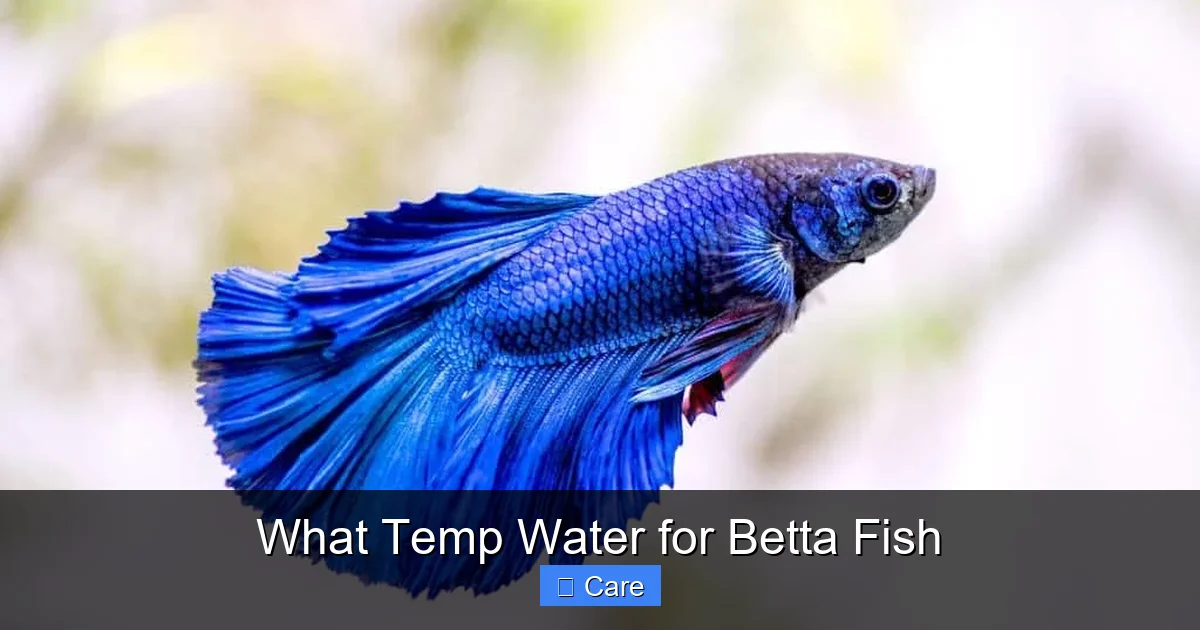
Most experts agree that the ideal temperature for Betta fish falls between 76°F and 82°F. Below 72°F (22°C) the fish’s metabolism slows, making it sluggish and more prone to disease. Above 84°F (29°C) the oxygen level in the water drops, which can cause rapid breathing and stress.
Visual guide about What Temp Water for Betta Fish
Image source: tankofish.com
Why a narrow range?
- Metabolism: Betta enzymes work best in warm water, helping them absorb nutrients.
- Immune function: A stable temperature keeps the immune system strong, reducing the risk of fungal and bacterial infections.
- Color vibrancy: Warmer water enhances pigment expression, giving you those vivid reds and blues.
Exceptions and special cases
Some hobbyists keep Betta in slightly cooler water (around 74°F) to slow growth for breeding purposes. However, this should only be done with careful monitoring and a solid understanding of the fish’s needs.
2. Choosing the Right Heater
Submersible vs. Hang‑On heaters
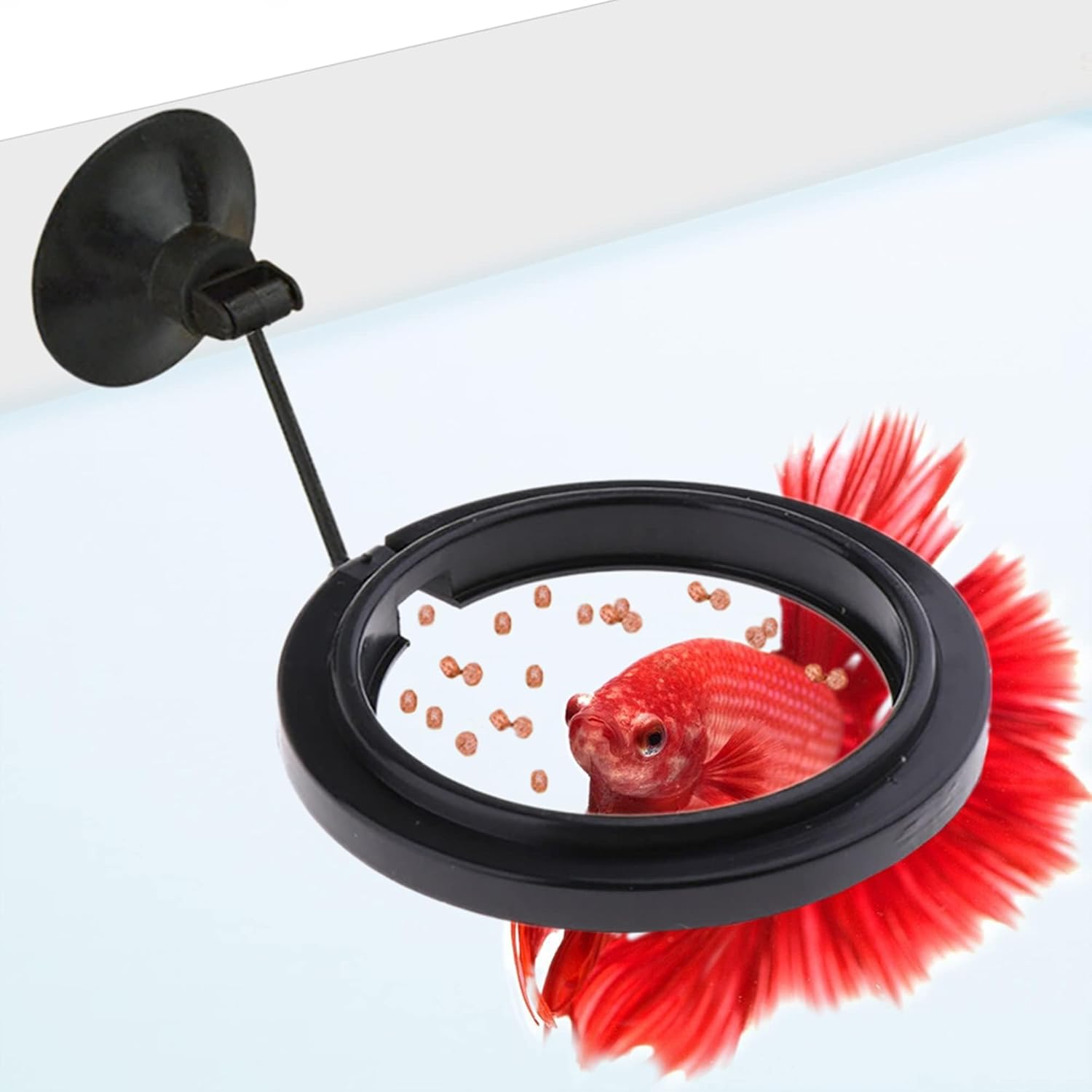
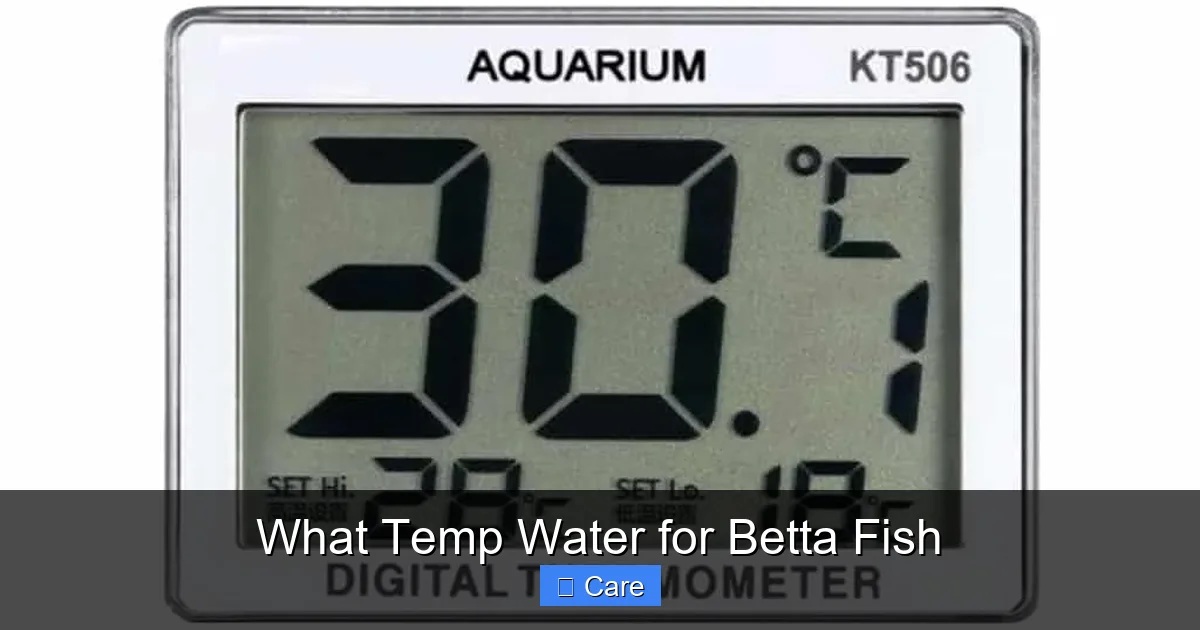
For a Betta’s small tank (usually 2.5‑5 gallons), a submersible heater is the safest bet. It sits fully underwater, distributes heat evenly, and often includes a built‑in thermostat.
Visual guide about What Temp Water for Betta Fish
Image source: tankofish.com
Hang‑on heaters attach to the outside of the tank and are better suited for larger aquariums. They can be used for Betta tanks, but you’ll need a reliable circulation pump to avoid hot spots.
How much wattage?
A good rule of thumb is 2‑3 watts per gallon. For a 3‑gallon Betta tank, a 5‑watt heater is perfect. Too much power can cause rapid temperature spikes, which are harmful.
Key features to look for
- Adjustable thermostat: Allows precise setting within the 76°F‑82°F range.
- Shatter‑proof glass: Prevents breakage if the heater cracks.
- Auto‑shutoff: Turns off if the water level drops too low.
- Built‑in thermometer: Handy for quick checks, though a separate test kit is still recommended.
3. Monitoring Temperature Accurately
Thermometers: digital vs. glass
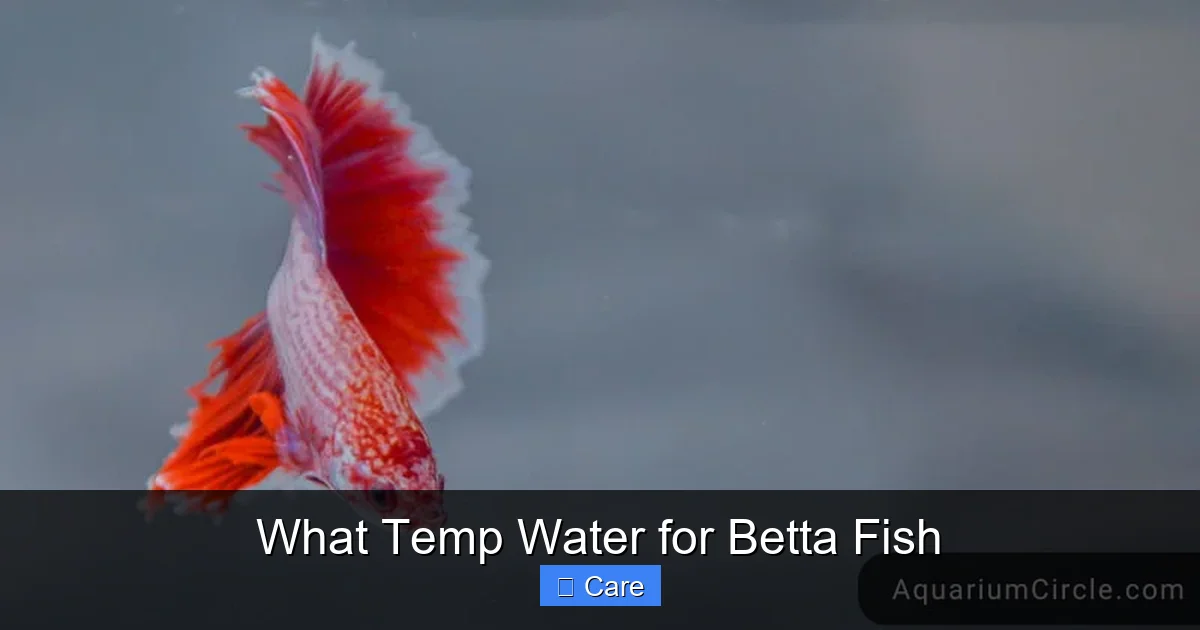
Digital stick‑on thermometers are popular for their quick readouts, but they can drift over time. A glass or acrylic thermometer placed at the opposite side of the tank gives a reliable, constant reference.
Visual guide about What Temp Water for Betta Fish
Image source: aquariumcircle.com
Placement tips
- Put the thermometer away from direct heater flow to avoid false high readings.
- Position it near the middle of the tank where water temperature is most stable.
- Check it at least twice daily—morning and evening.
Using a temperature controller
For the ultra‑careful keeper, a temperature controller can be wired between the heater and power source. It cuts power if the water gets too hot, adding an extra layer of safety.
4. Managing Seasonal Fluctuations
Winter chill
In colder months, room temperature can drop dramatically, especially in unheated homes. Insulate the tank with a Styrofoam board or a custom aquarium blanket. Keep the heater set at the higher end of the range (around 80°F) to counteract the chill.
Summer heat
Hot rooms can push water temperature above 84°F. Move the tank away from direct sunlight, use a small fan to blow across the water surface, and consider lowering the heater setting to 76°F.
Power outage plan
Even a short outage can cause temperature to swing. Keep a battery‑operated mini‑heater or a warm water bottle nearby. Wrap the tank in a blanket to retain heat until power returns.
5. The Link Between Temperature and Water Quality
Beneficial bacteria thrive at 78°F
Biological filtration relies on colonies of nitrifying bacteria that break down ammonia. These microbes are most active around 78°F, which aligns perfectly with the Betta’s comfort zone.
pH stability
Temperature influences pH; warmer water holds fewer dissolved gases, which can raise pH slightly. Regular testing ensures the pH stays in the ideal 6.5‑7.5 range for Betta fish.
Partial water changes
When performing a water change, match the new water’s temperature to the tank’s. Use a thermometer and a bucket of heated water (or let the water sit in a warm room) to avoid shocking the fish.
6. Practical Tips for Everyday Care
Routine temperature checks
Set a daily alarm on your phone to remind you to glance at the thermometer. Consistency beats occasional deep dives.
Cleaning the heater
Turn off the heater and unplug it before cleaning. Gently wipe any algae or mineral buildup with a soft cloth. Never use abrasive scrubbers—they can damage the heating element.
When to adjust the temperature
- Newly purchased Betta: Start at 78°F, then observe activity.
- Breeding season: Raise to 80°F‑82°F to encourage spawning.
- Illness: Slightly increase to 80°F to boost immune response, but only if the fish is not feverish.
Common mistakes to avoid
- Placing the heater too close to the tank’s edge, creating hot spots.
- Using a heater rated for a larger tank, which can overheat a small Betta bowl.
- Neglecting to calibrate the thermometer annually.
Conclusion: Keep It Warm, Keep It Happy
Answering the question “what temp water for Betta fish” is simple once you understand the science behind it. Aim for a stable 76°F‑82°F, use a reliable submersible heater, and monitor the temperature daily. By pairing proper heat with good water quality and attentive care, your Betta will flash its colors, frolic at the surface, and live a long, healthy life.
Remember, consistency is king. Small temperature swings are less stressful than large, sudden changes. With the right tools and a little routine, you’ll create a perfect tropical home for your finned friend.
Frequently Asked Questions
What temperature should I keep my Betta fish tank at?
The ideal temperature is between 76°F and 82°F (24°C‑28°C). Staying within this range supports health, color, and activity.
Can I keep a Betta fish without a heater?
Only if the room temperature stays consistently within the ideal range. In most homes, especially with seasonal changes, a heater is necessary.
How often should I check my Betta’s water temperature?
Check at least twice a day—morning and evening. Use a reliable thermometer and note any fluctuations.
What type of heater is best for a small Betta tank?
A submersible, adjustable heater rated at 2‑3 watts per gallon is ideal. Look for models with built‑in thermostats and auto‑shutoff features.
My room gets cold in winter. How can I keep the water warm?
Insulate the tank with a Styrofoam board or blanket, place the heater at the higher end of the range, and consider a small aquarium heater with a thermostat.
Will a higher temperature make my Betta’s colors brighter?
Yes, warmer water (around 80°F‑82°F) can enhance pigment expression, but never exceed 84°F as it reduces oxygen and can stress the fish.