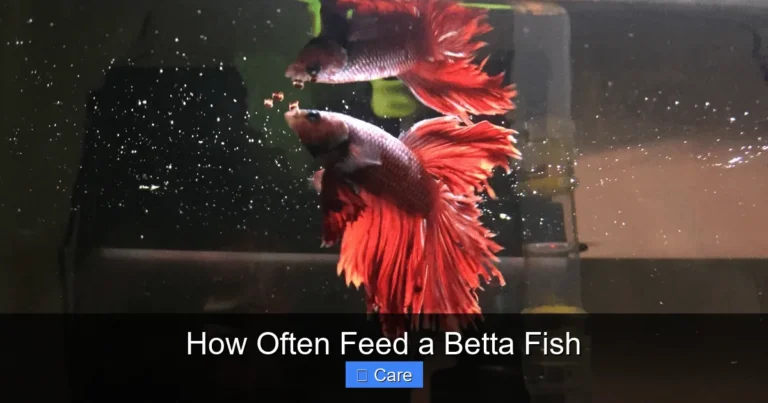
Where to Get Betta Fish
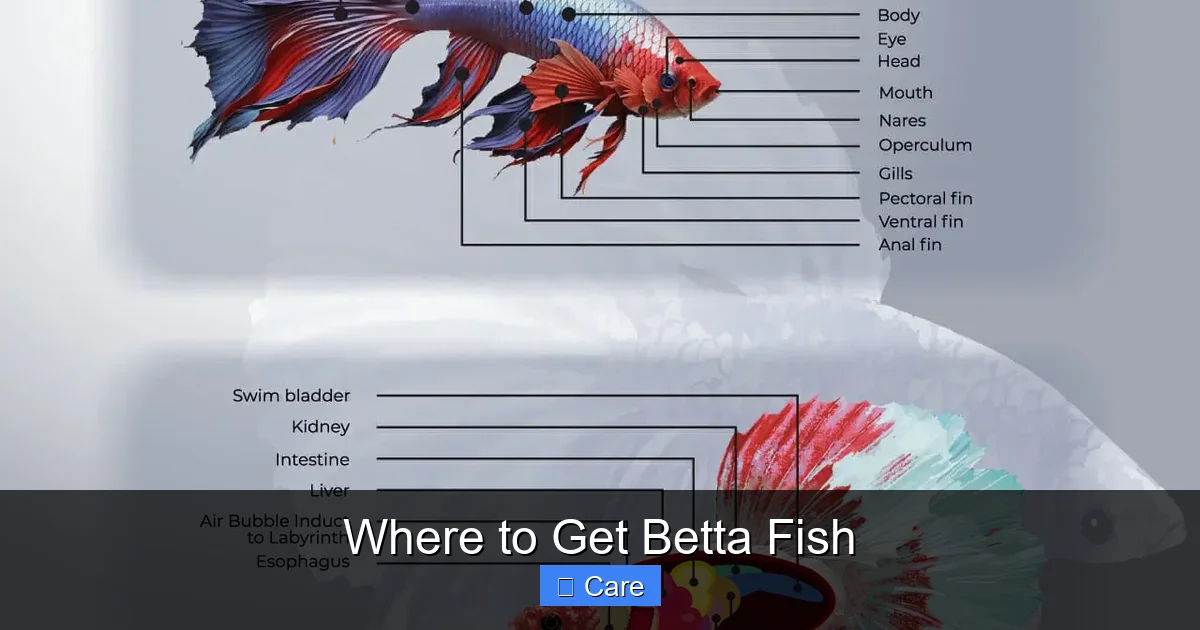
Looking for a vibrant betta fish? This guide shows you where to get betta fish, what to check for health, and how to pick the perfect shop or online source. Follow our tips and start your betta adventure with confidence.
Key Takeaways
- Know your options: Pet stores, specialty breeders, and reputable online sellers each have pros and cons.
- Check health signs: Healthy bettas have bright colors, intact fins, and active behavior.
- Ask the right questions: Inquire about water parameters, diet, and quarantine practices.
- Consider local regulations: Some areas restrict certain betta varieties or require permits.
- Plan the tank before buying: A proper setup makes the transition stress‑free for your new fish.
- Support ethical sources: Choose sellers who breed responsibly and avoid wild‑caught specimens.
- Use trusted resources: Internal guides can help you with tank setup, feeding, and ongoing care.
📑 Table of Contents
- Introduction: Why the Right Source Matters
- 1. Local Pet Stores: Convenience Meets Variety
- 2. Specialty Breeders: Quality Over Quantity
- 3. Online Stores: Buying Betta Fish From Anywhere
- 4. Fish Shows and Community Events
- 5. Ethical Considerations: Avoiding Wild‑Caught Betta Fish
- 6. Preparing Your Home Before the Betta Arrives
- Conclusion: Choose Wisely, Care Consistently
Introduction: Why the Right Source Matters
Betta fish, also called Siamese fighting fish, are tiny, colorful, and surprisingly hardy. That’s why they’re a favorite for beginners and seasoned aquarists alike. But not every betta you see in a shop will thrive in your home. The place you buy from can determine the fish’s health, temperament, and lifespan.
In this article we’ll walk you through every option for where to get betta fish, what to look for at each location, and how to make a smart purchase. By the end, you’ll feel ready to pick a healthy, vibrant betta that fits your style and tank.
1. Local Pet Stores: Convenience Meets Variety
What you’ll find
Most chain pet stores stock bettas in small, brightly lit tanks. They often carry both male and female fish, a range of tail types (veil, crown, half‑moon), and various colors.

Visual guide about Where to Get Betta Fish
Image source: infoanimales.net
Pros
- Immediate access: Walk in, pick a fish, and take it home the same day.
- Wide selection: Larger stores may have dozens of bettas to compare.
- Basic supplies nearby: Food, water conditioners, and starter tanks are usually in the same aisle.
Cons
- Variable health standards: Turnover is high; fish may have been in the store for weeks.
- Limited knowledge: Staff may not be experts in betta care.
- Potential for wild‑caught fish: Some stores still sell fish taken from the wild, which can carry parasites.
Tips for a successful purchase
- Observe the fish for at least 5 minutes. Healthy bettas swim actively, flare their fins, and have clear eyes.
- Ask the employee about the fish’s origin. Prefer breeders who raise bettas in captivity.
- Check the water quality in the display tank – it should be clear, not cloudy or smelly.
- Bring a small container of conditioned water to keep the fish healthy during transport.
2. Specialty Breeders: Quality Over Quantity
Why breeders often win
Specialty breeders focus on genetics, health, and specific tail types. They usually raise bettas in well‑maintained tanks, feed high‑quality diets, and keep detailed records.

Visual guide about Where to Get Betta Fish
Image source: petshun.com
Finding a reputable breeder
- Search online forums and local fish clubs for recommendations.
- Visit the breeder’s facility if possible – a clean, organized setup is a good sign.
- Ask for references or photos of previous sales.
Questions to ask
- What water parameters do you maintain?
- Do you quarantine new fish?
- What is the fish’s diet?
- Can you provide a health guarantee?
Benefits
- Healthier fish: Breeders often spot problems early and can treat them before sale.
- Specific traits: If you want a half‑moon or a particular color, breeders can often fulfill requests.
- Support for beginners: Many breeders offer advice on tank setup and feeding.
3. Online Stores: Buying Betta Fish From Anywhere
How it works
Online retailers ship bettas in insulated containers with oxygen packs. You’ll receive the fish within 24‑48 hours of ordering.
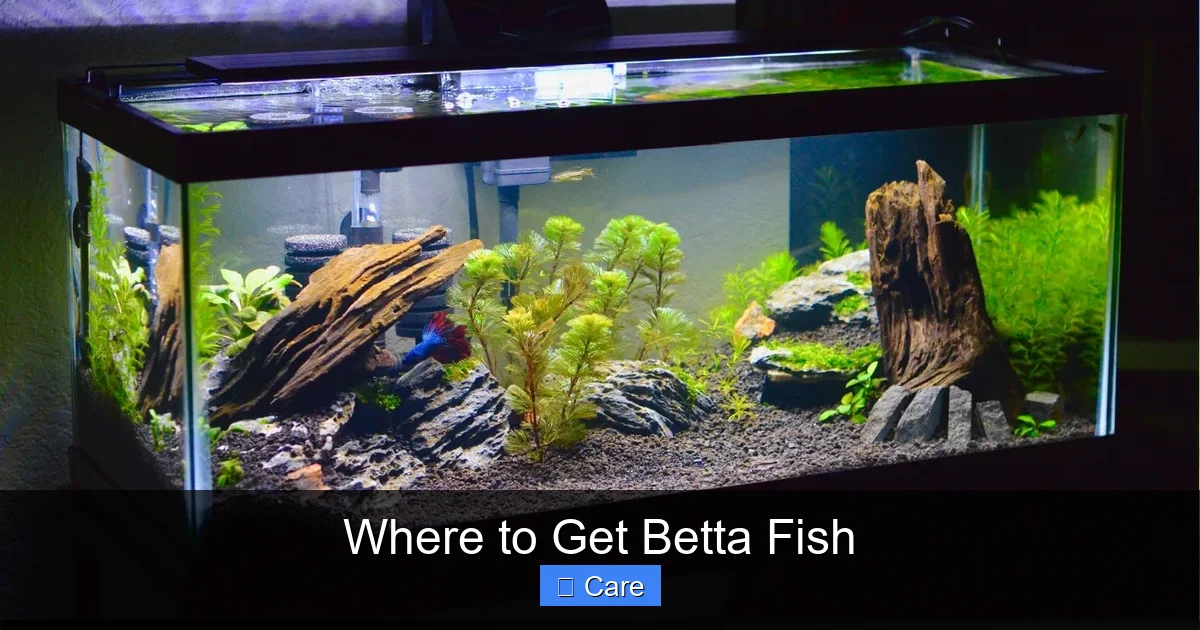
Visual guide about Where to Get Betta Fish
Image source: buildyouraquarium.com
Top things to verify
- Shipping policy – look for “live‑fish guarantee” and next‑day delivery.
- Customer reviews – focus on recent feedback about fish health.
- Packaging details – proper insulation and water quality are crucial.
Recommended internal links
For more on locating local sellers, see our guide on where to get a betta fish near me. If you prefer a guarantee of health, read about where to buy healthy betta fish. Want to order directly from a trusted breeder? Check out where to order betta fish online.
Pros
- Access to rare colors and tail types not found locally.
- Convenient delivery to your door.
- Often includes a health guarantee.
Cons
- Shipping stress can affect delicate fish.
- Limited ability to inspect the fish before purchase.
- Potential for higher cost due to packaging and shipping fees.
Tips for a smooth arrival
- Set up your tank a day before the fish arrives – see “How to get a betta fish tank ready” for step‑by‑step instructions.
- Keep the water temperature stable (78‑80°F) to reduce shock.
- Acclimate the fish slowly by floating the bag for 20 minutes, then adding small amounts of tank water every 5 minutes.
4. Fish Shows and Community Events
What to expect
Fish shows bring together hobbyists, breeders, and vendors. You can see bettas up close, ask detailed questions, and sometimes purchase directly from the breeder’s booth.
Advantages
- Live demonstrations of fish behavior and health.
- Opportunity to compare many varieties side by side.
- Networking with experienced keepers who can offer ongoing support.
How to prepare
- Research the event’s schedule and vendor list.
- Bring a notebook to record breeder contacts and care tips.
- Carry a small bag of conditioned water in case you need to transport a fish home immediately.
5. Ethical Considerations: Avoiding Wild‑Caught Betta Fish
Why wild‑caught is risky
Betta fish are native to shallow, slow‑moving waters of Thailand, Cambodia, and Malaysia. Wild specimens may carry parasites, be stressed from capture, and often cannot adapt to typical home aquariums.
Spotting captive‑bred fish
- Look for clear, bright coloration – wild fish are usually duller.
- Ask the seller directly if the fish is captive‑bred.
- Check for a health certificate or breeding records.
Supporting responsible breeding
Choose sellers who prioritize the welfare of their fish, use proper quarantine, and avoid over‑stocking. This not only protects the fish but also helps preserve wild populations.
6. Preparing Your Home Before the Betta Arrives
Tank size and setup
Even though bettas can live in small containers, a 5‑gal tank provides room to swim and stable water parameters. Include a gentle filter, a heater, and live or silk plants for enrichment.
Essential equipment
- Heater (maintain 78‑80°F)
- Filter with low flow (betas prefer calm water)
- Water conditioner to remove chlorine and chloramines
- Plants or decorations – avoid sharp edges that can tear fins
Water testing
Test for ammonia, nitrite, nitrate, and pH before adding the fish. Aim for 0 ppm ammonia, 0 ppm nitrite, <10 ppm nitrate, and pH 6.5‑7.5.
Acclimation checklist
- Float the sealed bag in the tank for 20 minutes.
- Open the bag and add a cup of tank water every 5 minutes for 30 minutes.
- Gently net the betta and release it into the tank.
- Monitor behavior for the first hour – active swimming and flaring are good signs.
Conclusion: Choose Wisely, Care Consistently
Finding the right place to get betta fish is the first step toward a happy, healthy aquarium. Whether you walk into a local pet store, visit a dedicated breeder, order online, or meet sellers at a fish show, use the checklist above to evaluate health, ethics, and support. Remember, a well‑chosen betta paired with a properly prepared tank will reward you with stunning colors and fascinating behavior for years to come.
Frequently Asked Questions
What is the best place to buy a betta fish for a beginner?
For beginners, a reputable local pet store that works with a known breeder is a good start. Look for clear water, active fish, and staff who can answer basic care questions.
How can I tell if a betta fish is healthy at the store?
Healthy bettas have bright, even colors, intact fins without ragged edges, clear eyes, and they swim actively. Avoid fish that are lethargic, have torn fins, or show white spots.
Are online betta fish shipments safe?
Yes, if you choose a seller with a solid live‑fish guarantee, proper insulated packaging, and positive customer reviews. Follow our acclimation steps to reduce stress.
Do I need a filter for a betta tank?
A low‑flow filter is recommended to keep water clean and stable. It also helps maintain oxygen levels without creating strong currents that stress bettas.
Can I keep a betta with other fish?
Betas can coexist with small, non‑aggressive species like neon tetras or shrimp, provided the tank is large enough and there are plenty of hiding spots.
What should I do if my betta looks sick after purchase?
Quarantine the fish in a separate hospital tank, test water parameters, and consider a mild dip in a salt solution. Consult a veterinarian or experienced hobbyist for specific treatment.