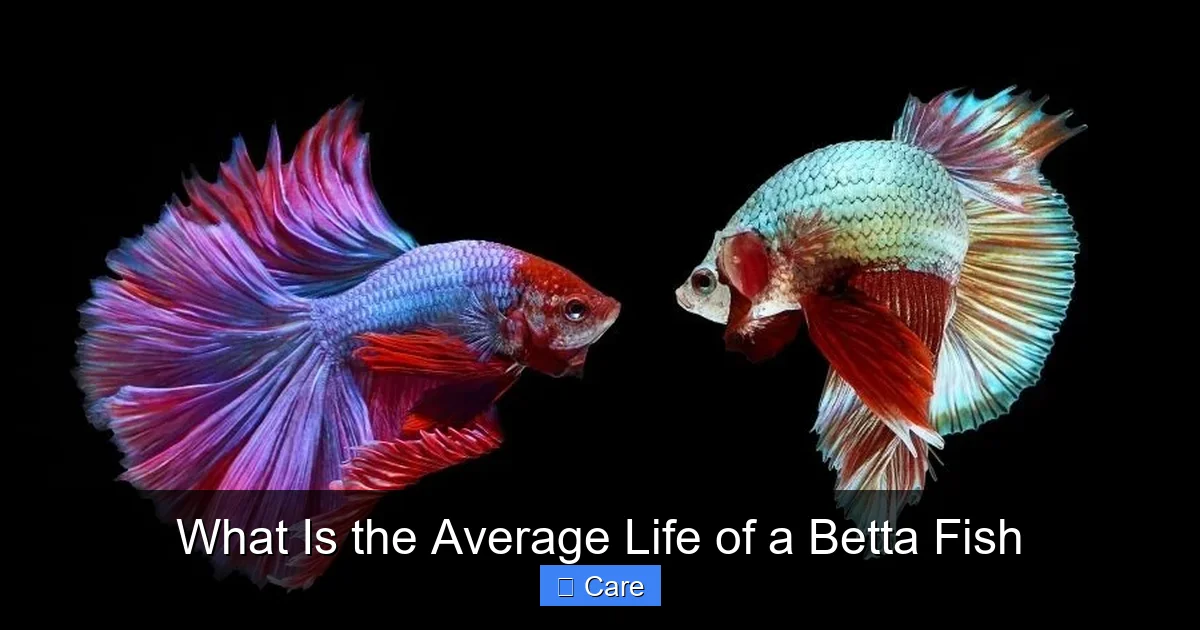
What Is the Average Life of a Betta Fish
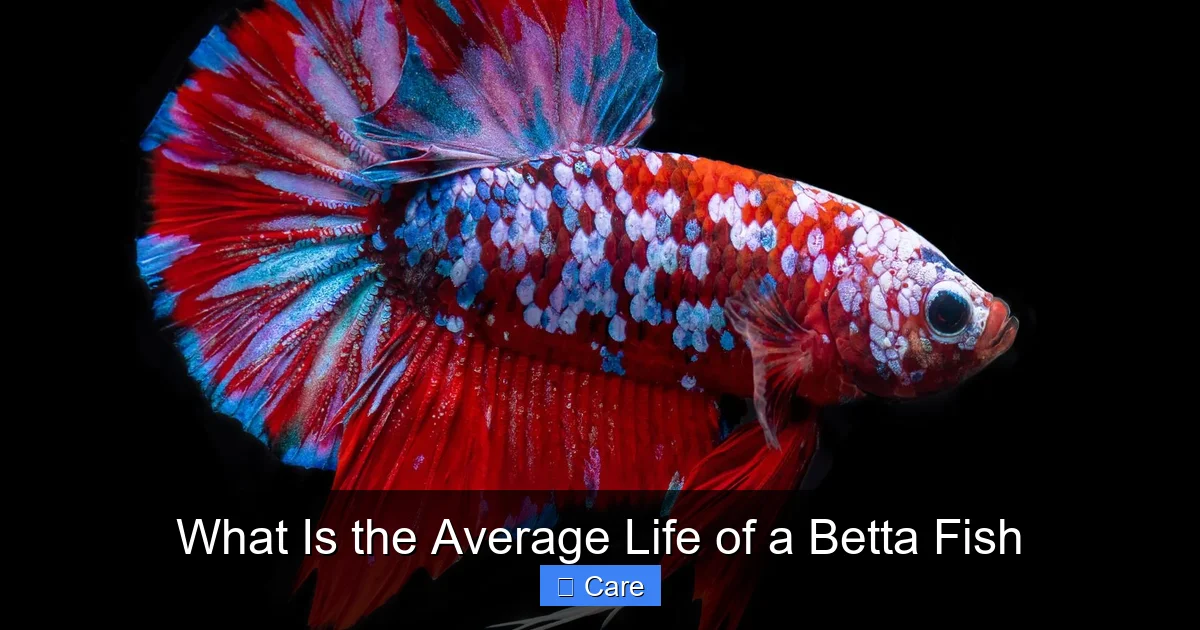
Betta fish typically live 2‑5 years, but with optimal care they can reach 7 years or more. Water quality, diet, tank size, and stress management are the biggest influencers of lifespan. Follow our simple, science‑backed guidelines to give your betta the longest, healthiest life possible.
Key Takeaways
- Typical lifespan: Most bettas live 2‑5 years; exceptional care can push it to 7‑8 years.
- Water quality matters most: Stable temperature (78‑80°F) and clean, filtered water are crucial.
- Proper diet extends life: High‑protein pellets, occasional frozen foods, and limited treats prevent disease.
- Tank size & environment: A minimum of 5‑10 gallons, live plants, and hiding spots reduce stress.
- Health monitoring: Early detection of fin rot, ich, or swim‑bladder issues adds precious months.
- Stress reduction: Avoid aggressive tank mates, loud vibrations, and sudden lighting changes.
- Regular maintenance: Weekly water changes (25‑30%) and monthly filter cleaning keep toxins low.
📑 Table of Contents
- Introduction: Why the Betta’s Lifespan Matters
- 1. The Numbers: What Is the Average Life of a Betta Fish?
- 2. Core Factors That Influence Betta Longevity
- 3. Step‑by‑Step Care Plan for a Long‑Lived Betta
- 4. Common Myths That Shorten a Betta’s Life
- 5. Extending Your Betta’s Lifespan: Bonus Tips
- Conclusion: Your Betta’s Future Is in Your Hands
Introduction: Why the Betta’s Lifespan Matters
Betta fish, also called Siamese fighting fish, are a favorite for beginners and seasoned aquarists alike. Their vivid colors and flamboyant fins make them eye‑catching, but many new owners wonder, “How long will my betta live?” Understanding the average lifespan helps set realistic expectations and, more importantly, guides you toward the care practices that can stretch those years.
In this article we’ll break down the science behind betta longevity, explore the biggest factors that can either shorten or lengthen a fish’s life, and give you a step‑by‑step care plan. By the end, you’ll know exactly what to do to turn a typical 2‑year betta into a 6‑year companion.
1. The Numbers: What Is the Average Life of a Betta Fish?
Typical range
In the wild, bettas (Betta splendens) live only a few months due to predation and seasonal changes. In captivity, with proper care, the average lifespan is 2 to 5 years. Studies from hobbyist surveys and university fish‑health labs consistently land in this bracket.

Visual guide about What Is the Average Life of a Betta Fish
Image source: bettafish.org
Record‑breaking bettas
There are documented cases of bettas reaching 7‑8 years. These outliers share common traits: pristine water, a balanced diet, and minimal stress. While you shouldn’t expect a 10‑year betta, aiming for 5‑plus years is realistic with diligent care.
2. Core Factors That Influence Betta Longevity
Water quality
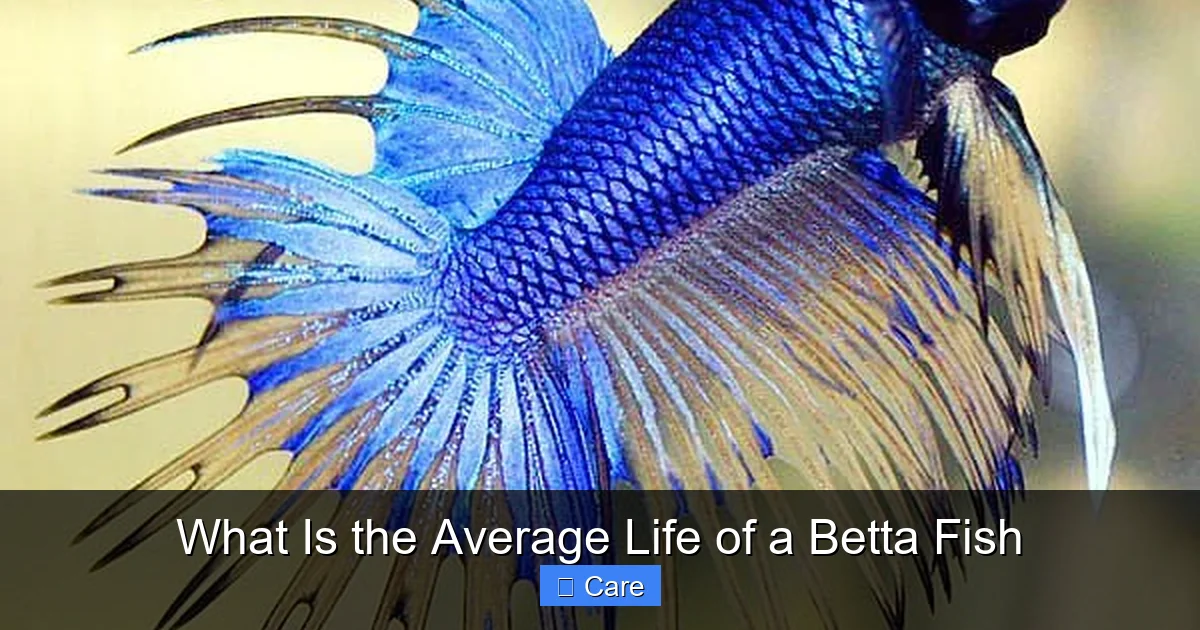
Water is the single biggest determinant of health. Betta fish are labyrinth fish, meaning they can breathe air from the surface, but they still need clean water to regulate waste and prevent disease.
Visual guide about What Is the Average Life of a Betta Fish
Image source: slm-assets.secondlife.com
- Temperature: Keep the tank at 78‑80°F (25‑27°C). Temperatures below 72°F slow metabolism and increase susceptibility to illness.
- pH and hardness: Aim for a pH of 6.5‑7.5 and moderate hardness (50‑150 ppm). Sudden swings stress the fish and can trigger fin rot.
- Ammonia, nitrite, nitrate: Zero ammonia and nitrite; keep nitrates under 20 ppm with regular water changes.
Tank size and setup
Contrary to popular “bowl” myths, bettas need room to swim. A minimum of 5 gallons is recommended; 10 gallons is ideal for added stability.
- Filtration: A gentle sponge filter works well. It removes toxins without creating a strong current that can tire the fish.
- Plants and décor: Live plants like Java fern or Anubias provide natural cover and help absorb nitrates.
- Hiding spots: Caves, driftwood, or silicone‑sealed ornaments let the betta retreat when stressed.
Nutrition
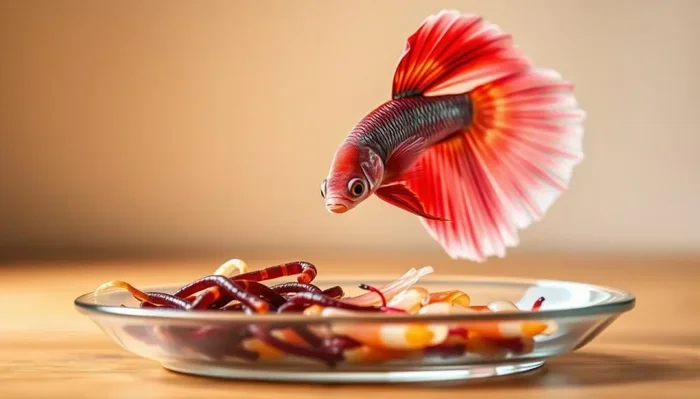
Betta diets in the wild consist of insects and larvae. In captivity, a high‑protein pellet should be the staple, complemented by occasional treats.
- Pellets: Choose a brand with at least 40% protein and no fillers.
- Frozen or live foods: Daphnia, bloodworms, and brine shrimp once or twice a week boost color and immunity.
- Feeding frequency: 2‑3 small meals per day, no more than the amount the fish can eat in 2 minutes.
Stress and social environment
Betas are solitary by nature. Keeping two males together usually ends in fighting, which can cause severe injuries and shorten lifespan.
- Avoid aggressive tank mates: If you want a community, choose peaceful species like small rasboras or snails.
- Noise and vibrations: Place the tank away from speakers, televisions, or heavy foot traffic.
- Lighting cycles: Provide 10‑12 hours of light per day to mimic natural conditions.
Health monitoring
Early detection of disease can add months, even years, to a betta’s life.
- Fin rot: White, fluffy edges on fins; treat with a mild antibacterial dip.
- Ich: Tiny white spots; raise temperature to 82°F and add a copper‑based medication.
- Swim‑bladder issues: Fish floats upside down; fast‑acting remedies include fasting for 24 hours and then feeding a pea.
3. Step‑by‑Step Care Plan for a Long‑Lived Betta
Step 1: Set up the perfect tank
Buy a 5‑gallon acrylic or glass tank, a gentle sponge filter, and a heater with an adjustable thermostat. Rinse the substrate (sand or fine gravel) with dechlorinated water, then add live plants and décor.
Visual guide about What Is the Average Life of a Betta Fish
Image source: thehamny.com
Step 2: Cycle the tank
Before introducing your betta, run the filter for 2‑3 weeks. Test water weekly for ammonia, nitrite, and nitrate. Once ammonia and nitrite read zero and nitrates stay low, you’re ready.
Step 3: Introduce your betta
Float the sealed bag in the tank for 15 minutes to equalize temperature, then gently net the fish and release it. Keep the tank covered with a lid to prevent jumps.
Step 4: Daily routine
- Check temperature.
- Observe behavior: active swimming, bright colors, and regular surface breathing indicate health.
- Feed 2‑3 small meals.
Step 5: Weekly maintenance
- Replace 25‑30% of water with conditioned water.
- Rinse filter media in tank water (not tap water) to preserve beneficial bacteria.
- Trim dead plant leaves.
Step 6: Quarterly health check
Look for signs of disease, test water parameters, and consider a probiotic supplement to boost gut health.
4. Common Myths That Shorten a Betta’s Life
Myth 1: “Betas can live forever in a bowl.”
Bowls lack filtration, temperature control, and space. They quickly become toxic, leading to a lifespan of months rather than years.
Myth 2: “Feeding more makes them grow faster.”
Overfeeding causes constipation, bloating, and water quality spikes, all of which increase mortality risk.
Myty 3: “Betas don’t need a filter because they breathe air.”
Even though they can gulp oxygen, filters remove ammonia and other waste that would otherwise poison them.
5. Extending Your Betta’s Lifespan: Bonus Tips
Use a water conditioner with a “stress coat.”
This adds a protective slime layer to the fish’s skin, reducing susceptibility to parasites.
Provide a varied diet.
Rotate protein sources weekly to prevent nutritional deficiencies.
Consider a UV sterilizer for larger setups.
In a 10‑gallon community tank, a small UV unit can keep microscopic pathogens at bay.
Maintain a consistent schedule.
Fish thrive on routine. Feed, clean, and check parameters at the same times each day.
Conclusion: Your Betta’s Future Is in Your Hands
While the average life of a betta fish sits at 2‑5 years, you have the power to push that number higher. By focusing on clean water, proper temperature, a balanced diet, and a low‑stress environment, you can give your finned friend a vibrant, healthy life that lasts 6 years or more. Remember, the best care is consistent care—small daily actions add up to big, long‑term benefits.
So set up that proper tank, stick to the feeding plan, and enjoy watching your betta flourish. With the right attention, you’ll share many colorful moments together.
Frequently Asked Questions
What is the typical lifespan of a betta fish?
Most bettas live 2‑5 years in captivity. With optimal care—stable water, proper diet, and low stress—they can reach 6‑7 years.
Does tank size affect how long a betta lives?
Yes. A minimum of 5 gallons provides stable water parameters and space to swim, which helps reduce stress and disease, extending lifespan.
How often should I change the water in my betta’s tank?
Change 25‑30% of the water weekly. For larger tanks (10 gallons or more), a bi‑weekly 20% change is also acceptable if filtration is strong.
Can I feed my betta live food every day?
Live or frozen foods are great treats but should be given only 1‑2 times per week. Overfeeding protein can cause digestive issues.
What are the signs of a sick betta?
Look for faded colors, clamped fins, white spots (ich), ragged fin edges (fin rot), or abnormal floating/swimming patterns.
Is a filter necessary for a betta fish?
While bettas can breathe air, a gentle filter removes harmful ammonia and nitrite, keeping water quality high and supporting a longer life.