Can Betta Fish Go with Guppies

Betta fish can sometimes share a tank with guppies, but success depends on temperament, tank size, and careful setup. Follow our practical tips to create a harmonious community and avoid common pitfalls.
Key Takeaways
- Temperament matters: Male bettas are territorial, while female bettas are generally more peaceful.
- Tank size is crucial: A minimum of 20 gallons gives both species space to establish territories.
- Water parameters must match: Both bettas and guppies thrive in similar pH and temperature ranges.
- Introduce slowly: Acclimate guppies first, then add the betta to minimize stress.
- Watch for aggression: Early signs of fin‑nipping mean it’s time to re‑home one of the fish.
- Provide plenty of hiding spots: Plants, caves, and driftwood reduce stress for both species.
- Consider alternatives: If compatibility is doubtful, try snails or shrimp as tank mates.
📑 Table of Contents
Introduction: Why the Question Keeps Coming Up
If you’ve ever stared at a bright, flowing guppy and a flamboyant betta side by side, you’ve probably wondered, “Can betta fish go with guppies?” It’s a natural thought—both are colorful, relatively small, and popular among beginners. The answer isn’t a simple “yes” or “no.” It depends on a handful of factors that any responsible fish keeper should consider.
In this guide we’ll walk through the biology of bettas and guppies, explore the key compatibility issues, and give you a step‑by‑step plan for creating a peaceful community tank. By the end, you’ll know exactly when these two can be tank‑mates and when it’s better to keep them apart.
Understanding the Species
Betta Fish Basics
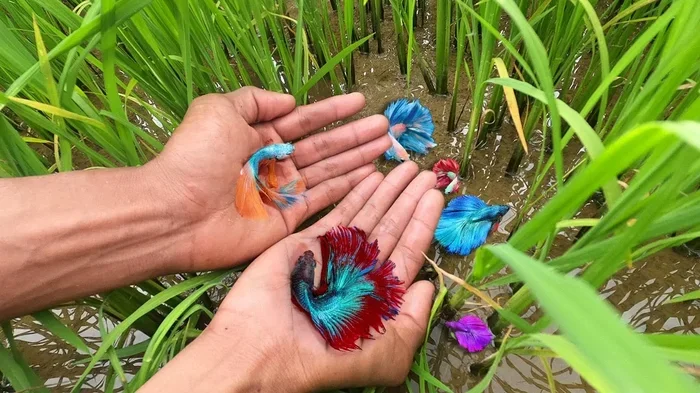
Betta splendens, commonly called Siamese fighting fish, are native to shallow rice paddies in Thailand. Males are famous for their vivid fins and aggressive streak, while females are smaller and less territorial. Both prefer warm water (78‑82 °F) and slightly acidic to neutral pH (6.5‑7.5). Their labyrinth organ lets them breathe air at the surface, so a top‑open tank is ideal.

Visual guide about Can Betta Fish Go with Guppies
Image source: japanesefightingfish.org
Guppy Essentials
Guppies (Poecilia reticulata) are live‑bearing minnows from South America. They’re known for their rapid breeding, dazzling tail patterns, and active swimming. Guppies thrive in water that’s a little warmer (76‑80 °F) and slightly alkaline to neutral (pH 7.0‑8.0). They’re schooling fish, meaning they feel safest in groups of three or more.
Comparing Temperament and Needs
Both fish love similar temperature ranges, which is a good start. However, bettas can be highly territorial, especially males, while guppies are social and often dart around the tank. This difference in behavior is the main reason why mixing them can be tricky.
When Can Betta Fish Go With Guppies?
Ideal Tank Conditions
Size matters. A 20‑gallon (75 L) tank or larger provides enough horizontal swimming space and hiding spots for both species. A cramped 5‑gallon bowl is a recipe for stress and aggression.

Visual guide about Can Betta Fish Go with Guppies
Image source: petshun.com
Use plenty of live or silk plants, driftwood, and caves. These structures break lines of sight and give guppies places to retreat when a betta shows dominance.
Choosing the Right Betta
- Female bettas: Generally more tolerant of other fish. If you’re set on a community tank, a female is a safer bet.
- Young or juvenile males: A small, non‑territorial male may coexist with guppies if introduced early, but be prepared for changes as he matures.
Guppy Selection Tips
Pick guppies with calm dispositions. Fancy tail varieties can sometimes appear as a threat to a betta, so consider simpler “wild‑type” guppies for the first trial. Also, keep guppies in groups of at least three to reduce stress.
Step‑by‑Step Introduction Process
- Set up the tank: Fill with conditioned water, add plants and hiding spots, and run the filter for at least 24 hours.
- Acclimate guppies first: Float the bag in the tank for 15 minutes, then slowly add water to the bag over 30 minutes.
- Observe guppy behavior: Let them settle for a few days. Look for active schooling and no signs of disease.
- Introduce the betta: Use a container to keep the betta separate but visible for a day, then gently release him into the tank.
- Monitor closely: Watch for flaring, chasing, or fin‑nipping for the first 48 hours.
Red Flags: When Compatibility Fails
Signs of Stress and Aggression
Typical warning signs include:

Visual guide about Can Betta Fish Go with Guppies
Image source: japanesefightingfish.org
- Betta flaring or puffing fins repeatedly.
- Guppies hiding constantly or showing torn fins.
- Rapid, frantic swimming near the surface.
If you notice any of these, it’s best to separate the fish within 24 hours to prevent injury.
Common Mistakes to Avoid
- Overcrowding: Adding too many guppies in a small tank amplifies stress.
- Incompatible water parameters: Raising temperature above 82 °F for a betta can harm guppies.
- Skipping the acclimation period: Sudden temperature or pH changes shock both species.
Alternative Tank Mates for Betta Fish
If guppies aren’t working out, there are other peaceful options that share similar water needs.
Snails and Shrimp
Apple snails, nerite snails, and cherry shrimp are excellent cleaners and usually ignored by bettas. They also add movement without competing for space. See our guide on Can Snails Go With Betta Fish for more details.
Small, non‑aggressive fish
Species like the harlequin rasbora, neon tetra (in a well‑filtered, heavily planted tank), or otocinclus catfish can coexist with a calm betta. Always check the specific compatibility article, such as What Fish Can Go With Betta Fish, before adding new residents.
When to Choose a Single‑Species Betta Tank
If you love the dramatic displays of a male betta, a single‑species tank lets him be the star. Provide plenty of plants, a gentle filter, and a lid to prevent jumping.
Practical Tips for Long‑Term Success
Maintain Water Quality
Perform 25‑30% water changes weekly. Use a water test kit to keep ammonia, nitrite, and nitrate levels in check. Clean the substrate gently to avoid disturbing plants.
Feed Appropriately
Give bettas high‑protein pellets or frozen bloodworms once daily, and feed guppies a mix of flake food, brine shrimp, and occasional vegetable flakes. Overfeeding can cloud the water and trigger aggression.
Regular Observation
Spend a few minutes each day watching the tank. Early detection of stress saves lives. Keep a simple log of any changes in behavior, feeding, or water parameters.
Conclusion: Making an Informed Decision
So, can betta fish go with guppies? The short answer is “sometimes,” but only under the right conditions. A spacious, well‑planted tank, a calm female or juvenile male betta, and a peaceful group of guppies give you the best chance of success. Remember to monitor behavior closely and be ready to re‑home one of the fish if aggression appears.
Ultimately, your goal is a healthy, vibrant aquarium where each resident thrives. Use the tips above, stay patient, and enjoy watching your aquatic community flourish.
Frequently Asked Questions
Can a male betta live with guppies?
Male bettas are often territorial, but a calm, well‑planted tank can sometimes allow coexistence. Start with a juvenile male and watch for aggression.
Do guppies and bettas need the same water temperature?
Yes. Both species are comfortable in 78‑80 °F water, making temperature compatibility easy to achieve.
What should I do if my betta starts fin‑nipping guppies?
Separate the fish immediately. Consider a larger tank, more hiding spots, or switching to a female betta or different tank mates.
Are there any fish that are guaranteed to get along with bettas?
Peaceful, slow‑moving fish like neon tetras, harlequin rasboras, and small catfish often coexist well, especially with a female betta.
Can I keep snails or shrimp with a betta and guppies?
Yes. Snails and shrimp are usually ignored by bettas and can help clean the tank. See our article on Can Snails Go With Betta Fish for details.
How often should I perform water changes in a mixed betta‑guppy tank?
Replace 25‑30% of the water weekly, testing for ammonia, nitrite, and nitrate each time to keep the environment stable.