How Can You Tell If A Betta Fish Is Sick And Dying
Betta fish hide illness well, so catching problems early matters. You can spot trouble by watching their fins, appetite, and swimming habits closely. This guide shows you exactly how can you tell if a betta fish is sick and what to do next. Quick action often saves a dying fish and restores tank health.
Key Takeaways
- Watch daily behavior: Lethargy, hiding, and loss of appetite are early red flags that your betta may be unwell.
- Check physical signs: Clamped fins, spots, lesions, bloating, and dull color often signal infection or stress.
- Test water first: Poor water quality causes most betta illnesses, so always check ammonia, nitrite, nitrate, and temperature.
- Act fast with quarantine: Move sick fish to a separate tank or container to protect others and simplify treatment.
- Use proper medication: Match treatment to the symptom, follow dosage carefully, and avoid mixing products without research.
- Maintain stable care: Clean water, gentle filtration, and a calm environment help prevent disease and support recovery.
- Know when to seek help: If symptoms worsen quickly, consult an aquatic vet or experienced fish keeper for guidance.
📑 Table of Contents
- How Can You Tell If A Betta Fish Is Sick And What To Do First
- Early Warning Signs To Watch Every Day
- Physical Symptoms That Signal Trouble
- Water Quality And Environmental Triggers
- Common Betta Illnesses And Their Clues
- What To Do When You Spot Symptoms
- Treatment, Quarantine, And Daily Care Tips
- Prevention Habits That Keep Bettas Healthy
- Expert Insights And Common Mistakes
- Key Takeaways For Sick Betta Care
- Key Takeaways
How Can You Tell If A Betta Fish Is Sick And What To Do First
Betta fish are beautiful, but they also hide weakness. In the wild, showing sickness invites predators. That instinct stays with them in your tank. So you must learn the small changes that hint at trouble. When you know how can you tell if a betta fish is sick, you can act before a minor issue becomes a major crisis.
Start with a simple daily check. Look at their fins, eyes, belly, and color. Watch how they swim and where they rest. Notice their reaction to food. These quick observations take only a minute, yet they reveal a lot. If something feels off, test the water right away. Most betta health problems begin with poor water, stress, or a sudden change in temperature.
Early Warning Signs To Watch Every Day
The earliest clues are often subtle. A healthy betta explores the tank, flares occasionally, and eats with interest. When behavior shifts, pay attention. Small changes can mean your fish is fighting an infection, dealing with stress, or reacting to bad water.
Changes In Activity And Hiding
A betta that suddenly stays at the bottom or hides behind decor may feel unwell. Some fish rest on leaves or the substrate, which is normal. But constant stillness, slow reactions, or drifting without purpose suggests a problem. You may also notice them ignoring your approach, when they usually come to the front.
Appetite Loss And Feeding Changes
Food is a strong signal. A sick betta may spit out pellets, refuse meals, or float away from the surface. Sometimes they nibble but do not swallow. If your fish skips more than one feeding, check the tank conditions. Loss of appetite often appears before visible symptoms.
Breathing And Gill Movement
Watch the gills and mouth. Fast gill movement, gasping near the surface, or frequent pauses can point to low oxygen, ammonia stress, or a parasite issue. Healthy bettas breathe steadily. If the gills look red, swollen, or uneven, investigate quickly.
Physical Symptoms That Signal Trouble
Visible changes are easier to spot, but they still need careful reading. Not every mark means disease. Some fin wear comes from sharp decor or strong flow. Still, certain signs strongly suggest illness.
Fins, Scales, And Color
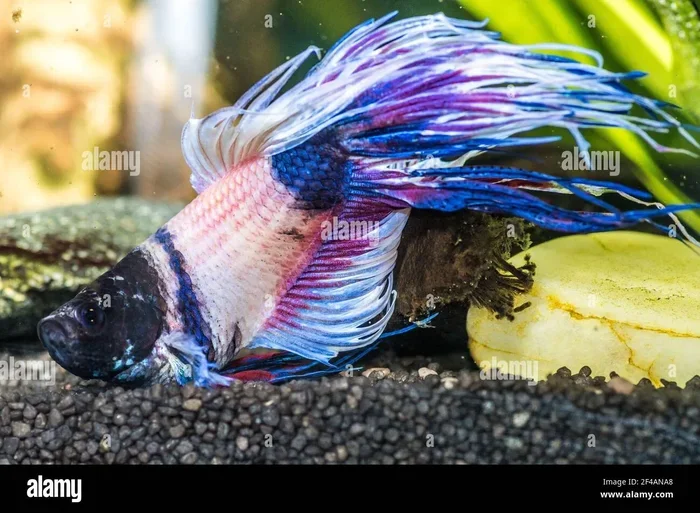
Clamped fins are a common stress sign. The betta holds its fins close to the body instead of spreading them. You may also see torn edges, white edges, or a ragged look. Dull color, pale patches, or dark streaks can mean stress or infection. In some cases, color loss appears before other symptoms.
Spots, Patches, And Unusual Growths
Look for white dots, cotton-like patches, slime buildup, or raised lumps. Tiny salt-like spots may indicate a parasite issue. Fluffy patches can suggest a fungal problem. Red streaks or inflamed areas may point to bacterial stress. Any new growth deserves close monitoring.
Belly Swelling And Body Shape
A swollen belly can mean several things. It may show overfeeding, constipation, internal infection, or fluid buildup. A pinecone-like raised scale look is especially serious and needs fast attention. If the belly looks asymmetric or the fish lists to one side, track the symptom carefully.
Water Quality And Environmental Triggers
Most betta illnesses trace back to the environment. Even a beautiful tank can hide problems. Ammonia and nitrite are toxic. Nitrate can stress fish over time. Temperature swings weaken immunity. Strong currents and sharp decor also cause wear. When you ask how can you tell if a betta fish is sick, the answer often starts with the water.
Ammonia, Nitrite, And Nitrate Basics
Ammonia and nitrite should stay at zero. Nitrate should stay low. If your test kit shows spikes, fish may gasp, clamp, lose color, or stop eating. A new tank, overfeeding, dead debris, or skipped water changes can cause these spikes. Fix the water before assuming the fish simply got sick on its own.
Temperature And Flow Issues
Bettas prefer warm, stable water. Sudden drops or spikes can shock them. Too much flow can tire them out and damage fins. Too little filtration can let waste build up. Use a gentle filter and a reliable heater. Keep the temperature steady rather than chasing perfect numbers day to day.
Stress From Tank Mates And Decor
Stress is a silent problem. Aggressive tank mates, constant reflections, bright flashing lights, or frequent rearranging can wear a betta down. Even a noisy room or constant tapping on the glass can add pressure. A calm setup supports immune health and makes symptoms easier to read.
Common Betta Illnesses And Their Clues
Different problems can look similar. That is why you should combine behavior, physical signs, and water test results. Below are common patterns many betta keepers encounter.
Fin Damage And Rot
Fin issues often begin at the edges. You may see whitening, fraying, or a melted look. This can happen from injury, poor water, or infection. If the damage spreads quickly, treat it as urgent. Clean water and careful treatment usually give the best chance of recovery.
Parasite And Skin Irritation Signs
Frequent flashing, rubbing against objects, or excessive slime can suggest irritation. Tiny specks, breathing changes, and frayed fins may appear too. Parasite problems often make fish restless. They may seem unable to settle. If you see repeated rubbing, inspect closely and test the water.
Fungal And Bacterial Concerns
Fungal growth often looks fuzzy or cottony. Bacterial problems may show redness, inflammation, or rapid deterioration. These issues often follow injury or water quality problems. Do not guess blindly. Match your response to what you see, and keep the environment stable while you treat the fish.
Swim Bladder And Buoyancy Problems
A betta that floats oddly, sinks, or struggles to stay level may have buoyancy trouble. This can come from overfeeding, constipation, injury, or infection. Watch for uneven swimming, tilting, or difficulty reaching the surface. In many cases, gentle care and fasting can help, but persistent issues need closer attention.
What To Do When You Spot Symptoms
Once you notice something wrong, stay calm and act in order. Panic leads to rushed medication changes, which can make things worse. A steady approach works better.
Step One: Check The Tank Parameters
Test ammonia, nitrite, nitrate, and temperature. If anything is off, correct the water first. Many symptoms improve once the environment stabilizes. A water change, filter check, and heater adjustment may be enough in mild cases.
Step Two: Observe And Record
Write down what you see. Note when symptoms started, what the fish eats, and how it moves. Take photos if possible. This helps you track progress and decide whether treatment is working. It also helps if you need advice from another keeper or a vet.
Step Three: Consider Quarantine
If you have other fish, move the sick betta to a separate container when possible. Quarantine protects the main tank and makes medication easier. Use clean, dechlorinated water and keep conditions similar to the original tank. A simple hospital setup can reduce stress and improve treatment results.
Step Four: Choose Treatment Carefully
Match treatment to the likely cause. If water quality is the issue, fix that first. If a parasite, fungal, or bacterial problem seems likely, use the right product and follow instructions closely. Start with the least aggressive option that fits the situation. Avoid stacking multiple medications unless you know what you are doing.
Treatment, Quarantine, And Daily Care Tips
Care during illness is just as important as the medication itself. A stressed fish recovers slower. Clean water, quiet surroundings, and simple feeding routines help the immune system do its job.
Keep The Hospital Tank Simple
Use a small, easy-to-clean setup with gentle heating and minimal flow. Add a simple hide or plant for security. Keep lighting soft and avoid constant movement around the tank. A calm space matters a lot when a betta is weak.
Feed Lightly And Watch Response
Offer small meals only if the fish is interested. Overfeeding during illness can worsen bloating or pollute the water. If the betta refuses food, do not force it. Focus on water quality and comfort first. Appetite often returns as the fish improves.
Clean Water Without Overdoing It
Small, regular water changes are usually better than dramatic overhauls during treatment. Match the change size to the tank and the medication instructions. Remove waste gently. Keep temperature steady. Consistency supports recovery more than aggressive cleaning.
Prevention Habits That Keep Bettas Healthy
Prevention is easier than treatment. Good routines reduce the chance of disease and make illness easier to catch if it does appear. Think of prevention as daily maintenance, not a one-time task.
Stable Water And Routine Testing
Test water regularly, not just when something looks wrong. Keep a simple schedule for water changes and filter care. Stable conditions reduce stress and help your betta stay strong. If you use tap water, make sure it is safe for fish before adding it to the tank. If you wonder can you use tap water in a betta fish tank, the answer depends on treating it properly and removing harmful chlorine or chloramine.
Gentle Setup And Smart Stocking
Choose smooth decor and avoid sharp edges. Keep flow mild. If you plan to add other fish, research compatibility carefully. Bettas can live with some tank mates, but not all. If you are asking can you put other fish in with a betta fish, the answer depends on temperament, tank size, and hiding places. A peaceful setup lowers stress and injury risk.
Feeding, Observation, And Quick Response
Feed a balanced diet and avoid constant overfeeding. Watch your betta every day. The more familiar you are with normal behavior, the faster you will notice changes. Early response is the biggest advantage a home keeper has. When you know how can you tell if a betta fish is sick, you can protect your fish before a problem grows.
Expert Insights And Common Mistakes
Even careful keepers make mistakes. The good news is that most of them are avoidable. Learning what not to do is as useful as learning what to do.
Mistake: Treating Without Checking Water
Medication alone rarely solves a water problem. If ammonia or nitrite is high, fix that first. Otherwise, the fish keeps getting re-exposed to stress. Always test before you treat.
Mistake: Changing Too Much Too Fast
Big water changes, sudden temperature shifts, or frequent decor changes can add stress. During illness, stability matters. Make changes carefully and watch the fish response.
Mistake: Ignoring Early Signs
A mild issue can become serious if ignored. Clamped fins, slight color loss, or one missed meal may seem small. But these clues often appear early. Trust your observation and act sooner rather than later.
Expert Tip: Keep A Simple Care Log
A short weekly note about feeding, behavior, and water test results can save time later. When symptoms appear, you can compare current conditions to recent normal readings. That makes decisions easier and more accurate.
Key Takeaways For Sick Betta Care
Key Takeaways
- Observe daily: Behavior changes often appear before visible disease.
- Test water first: Poor water is the most common cause of betta illness.
- Look for patterns: Combine appetite, breathing, fins, color, and movement to judge severity.
- Quarantine when needed: A separate setup protects other fish and simplifies care.
- Treat carefully: Use the right approach for the symptom and keep conditions stable.
- Prevent with routine: Consistent cleaning, gentle flow, and calm surroundings reduce risk.
Frequently Asked Questions
What are the first signs that a betta fish is sick?
The first signs are often behavioral, such as hiding more than usual, swimming slowly, or refusing food. You may also notice clamped fins, dull color, or unusual breathing. These changes are worth checking right away.
How can you tell if a betta fish is sick or just stressed?
Stress and illness can look similar, so test the water and watch for physical symptoms. Stress often improves when the environment stabilizes, while sickness may show spots, fin damage, bloating, or worsening behavior. If symptoms continue after water quality is fixed, treat it as a health issue.
Is a betta fish dying if it stays at the bottom of the tank?
Not always, but it can be a warning sign. Some bettas rest at the bottom normally, especially if they have a quiet place to sleep. If the fish is also weak, gasping, bloated, or unresponsive, it may be seriously ill and needs attention.
Should I change the water if my betta fish looks sick?
Yes, if your test results show problems or the tank is dirty, a careful water change can help. Use dechlorinated water and keep the temperature stable. If you are using medication, follow the product instructions before changing water.
Can I use tap water for a sick betta fish tank?
You can use tap water if you treat it properly first. Remove chlorine or chloramine and match the temperature before adding it. If you are unsure about your local water, it is worth checking whether can you use tap water in a betta fish tank applies safely to your setup.
When should I separate a sick betta from other fish?
Separate the betta if you see spreading infection, severe symptoms, or if other fish may be at risk. A quarantine container makes it easier to watch the fish and give targeted care. Keep the hospital setup simple, warm, and quiet.
=== CONCLUSION ===
Knowing how can you tell if a betta fish is sick gives you the best chance to help early. Watch behavior, check physical signs, and test the water before assuming the worst. Many betta problems improve when you combine stable water, calm surroundings, and careful treatment. The key is consistency. A daily glance, a simple test kit, and a quick response can make a huge difference. If your betta ever shows worrying symptoms, trust what you see, act in a steady order, and keep the environment as safe as possible. That is how you protect your fish and give it the best shot at recovery.