Can Tetras Live With Betta Fish A Complete Compatibility Guide
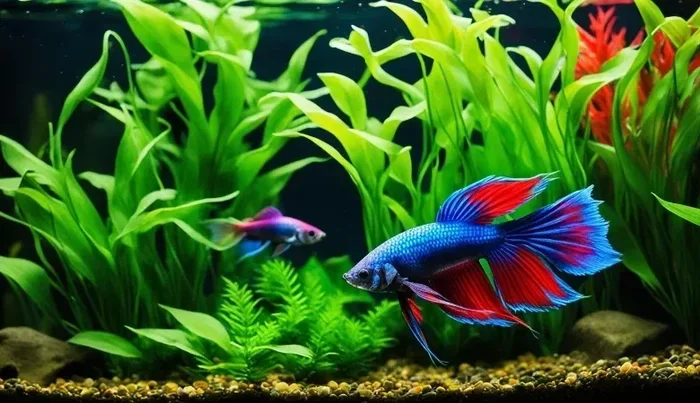
Can tetras live with betta fish? Yes, many tetra species can share a tank with a betta when conditions are right. You need the right tank size, careful species selection, and proper water parameters. This guide covers everything you need to know for a safe and happy community tank.
This is a comprehensive guide about can tetras live with betta fish.
Key Takeaways
- Tank size matters: A minimum of 20 gallons gives both tetras and bettas enough space to thrive.
- Choose peaceful tetras: Small, calm species like ember tetras work best with bettas.
- Monitor behavior closely: Watch for fin nipping or aggression during the first few weeks.
- Keep schools together: Tetras feel safer and show less stress when kept in groups of six or more.
- Maintain stable water: Keep temperatures between 75-80°F and pH near neutral for both species.
- Add hiding spots: Plants, caves, and driftwood reduce stress and prevent conflicts.
- Avoid aggressive tank mates: Skip large or fin-nipping fish that may trigger your betta.
[FEATURED_IMAGE_PLACEHOLDER]
Can Tetras Live With Betta Fish A Complete Compatibility Guide
Many aquarium owners ask the same question: can tetras live with betta fish? The short answer is yes, but only when you choose the right species and set up the tank properly. Bettas are known for their bright colors and flowing fins. They also have a reputation for being territorial. Tetras are small, active schooling fish that move quickly through the water. These two types of fish can coexist peacefully in the right environment. You just need to understand their behavior, space needs, and water preferences.
This guide will walk you through everything you need to know. You will learn which tetra species work best, how to prepare the tank, and what signs to watch for. We will also cover common mistakes and expert tips to help you build a calm community tank. Whether you are a beginner or an experienced hobbyist, you will find clear advice here. Let us dive in and explore how to make this pairing work.
Understanding Betta Fish Behavior
Bettas are not your average community fish. Male bettas, in particular, can be highly territorial. In the wild, they defend small patches of water and react strongly to movement near their space. This does not mean they are always aggressive. It means they need the right setup to feel secure. When a betta feels safe, it is much less likely to chase or nip at other fish.
Several factors shape betta behavior. Tank size plays a big role. A cramped tank increases stress and makes the betta more defensive. Water quality also matters. Poor conditions can make any fish irritable. Decor and plants help too. A well-planted tank with hiding spots gives the betta places to retreat and reduces direct confrontations. You should also consider the betta’s personality. Some bettas are calm and ignore tank mates. Others are more active and may chase anything that swims near them. Knowing your betta’s temperament is the first step in choosing compatible tank mates.
What Makes Tetras Different
Tetras are schooling fish. They thrive in groups and feel stressed when kept alone. Their small size and fast movement can sometimes trigger a betta’s chase instinct. However, many tetra species are peaceful and avoid conflict. They spend most of their time in the middle or upper levels of the tank. This can help reduce direct interaction with a betta that prefers the bottom or surface.
The key is to pick tetras that are not flashy or aggressive. Bright colors and long fins can catch a betta’s attention in a bad way. Fast, plain, and calm tetras are usually safer choices. You also need to keep them in proper schools. A group of six or more tetras spreads out the attention and makes the school feel secure. This reduces erratic swimming and lowers the chance of problems.
Best Tetra Species for Betta Tanks
Not all tetras are equal when it comes to living with bettas. Some species are calm and small enough to stay out of trouble. Others are too active, too colorful, or too prone to fin nipping. Here are some of the best options to consider.
Ember Tetras
Ember tetras are one of the safest choices. They are small, peaceful, and have a soft orange glow that does not overstimulate most bettas. They stay in the upper and middle water columns and move in tight schools. Their calm nature makes them less likely to provoke aggression. They also do well in planted tanks, which gives both species plenty of cover.
Neon Tetras
Neon tetras are popular and widely available. They are generally peaceful and do well in groups. Their bright blue and red stripes can sometimes draw a betta’s attention, so you need to monitor the tank closely at first. Many hobbyists have success with neon tetras when the tank is large enough and the school is big enough. If you want to learn more about this pairing, you can read our guide on can a betta fish live with neon tetras for detailed tips.
Black Skirt Tetras
Black skirt tetras are a bit larger and more robust than some other tetras. They are generally peaceful but can be active swimmers. Their darker color makes them less flashy, which can help reduce attention from a betta. They work well in larger tanks where they have room to move. You can explore more about this combination in our article on can betta fish live with black skirt tetras.
Other Calm Options
There are several other tetra species that can work well. Rummy nose tetras, cardinal tetras, and lemon tetras are all peaceful when kept in proper schools. The main rule is to avoid species that are known for fin nipping or extreme activity. Always research the specific species before adding it to a betta tank. If you are curious about mixing tetras with other fish, you may also want to check out can betta fish live with guppies and tetras for a broader community tank perspective.
Tank Setup and Water Conditions
The right tank setup makes a huge difference. A betta and tetras need enough space, clean water, and a layout that reduces stress. Here is what you should focus on.
Tank Size Requirements
A 20-gallon tank is a good starting point for a betta with a small school of tetras. Smaller tanks can work in some cases, but they leave less room for error. A larger tank gives the betta more territory and lets the tetras swim naturally. It also makes water parameters easier to stabilize. If you are planning a community tank, bigger is usually better. A spacious tank also helps when you want to add plants and decorations without crowding the fish.
Water Parameters
Both bettas and most tetras prefer warm, clean water. Aim for a temperature between 75 and 80 degrees Fahrenheit. Keep the pH near neutral, around 6.5 to 7.5. Ammonia and nitrite should always be at zero. Nitrate should stay low with regular water changes. Stable conditions matter more than perfect numbers. Sudden swings in temperature or pH can stress both species and trigger aggression. Use a reliable heater and test your water often.
Plants, Decor, and Hiding Spots
A well-decorated tank helps everyone feel secure. Live plants are a great choice because they improve water quality and provide cover. You can learn more about this in our guide on can you put a live plant with betta fish. Driftwood, smooth rocks, and ceramic caves also create visual barriers. These breaks in the line of sight help the betta feel less threatened. They also give tetras places to dart into if the betta gets too curious. Keep the layout balanced so there are open swimming areas and quiet hiding zones.
How to Introduce Tetras to a Betta Tank
Adding new fish is a careful process. A rushed introduction can lead to stress and conflict. Follow a calm, step-by-step approach to give everyone the best chance of success.
Step-by-Step Introduction
– Quarantine new tetras for at least two weeks if possible. This helps prevent disease from entering your main tank.
– Acclimate the tetras slowly. Float the bag, then add small amounts of tank water over time.
– Turn off the tank light during the first few hours. Dim conditions reduce stress and help the fish settle.
– Add the tetras before feeding the betta. A full betta is often less interested in chasing.
– Watch closely for the first week. Look for chasing, fin nipping, or hiding that lasts too long.
Monitoring Behavior
The first few days are the most important. Some mild curiosity is normal. A betta may flare or follow the tetras briefly. That is usually just investigation. Problem signs include constant chasing, pinned fins, torn fins, or tetras that hide all day. If you see serious aggression, you may need to separate the fish and rethink the setup. Sometimes a larger tank, more plants, or a different tetra species makes all the difference.
Common Problems and How to Fix Them
Even with good planning, issues can come up. Knowing what to watch for helps you act quickly.
Fin Nipping and Aggression
Fin nipping is one of the biggest concerns. Some tetras may nip at long fins, and some bettas may lash out at fast-moving fish. If this happens, check your tank size, school size, and decor. Adding more plants or rearranging the tank can break up sightlines. In some cases, removing the aggressive fish is the safest option. If you are wondering whether other species are better suited, you can read about can my betta fish live with other fish for more compatibility ideas.
Stress and Hiding
Tetras that hide all the time may be stressed. A small school, bright lights, or a bare tank can cause this. Increase the group size if possible. Add more cover and keep the lighting moderate. Make sure the water parameters are stable. Stress weakens the immune system and can lead to illness, so it is worth fixing early.
Overstocking the Tank
It is tempting to add many fish at once, but overstocking causes problems. Too many fish produce more waste and reduce oxygen. It also leaves less space for each fish to establish its own area. Keep the bioload manageable and perform regular water changes. A balanced tank is easier to maintain and much calmer for the fish.
Quick Tips for Success
– Start with a 20-gallon or larger tank.
– Choose small, peaceful tetras and keep them in groups of six or more.
– Add live plants and hiding spots.
– Maintain steady warm water and clean conditions.
– Introduce new fish slowly and monitor behavior daily.
– Be ready to separate fish if aggression becomes a real problem.
Expert Insights and Final Thoughts
Experienced keepers often say that compatibility is about management, not just species lists. A peaceful pairing depends on the individual betta, the tank environment, and the way the community is maintained. Some bettas live happily with tetras for years. Others do better alone or with very different tank mates. That is normal. The best approach is to observe, adjust, and prioritize the well-being of all the fish.
If you want to explore other compatible species, you may find it helpful to read about can male betta fish live with tetras and can female betta fish live with tetras. These guides break down gender differences and behavior patterns that can affect your setup. You can also look into can ember tetras live with betta fish if you want a closer look at one of the safest tetra choices.
Key Takeaways
– Choose calm, small tetras and keep them in proper schools.
– Use a tank that is large enough for both the betta and the tetra group.
– Keep water warm, clean, and stable.
– Add plants and decorations to reduce direct confrontations.
– Watch the first week closely and be ready to adjust.
– Remember that every betta has its own personality.
Conclusion
So, can tetras live with betta fish? Yes, they can, when you make the right choices. The best results come from picking peaceful tetra species, giving the tank enough space, and keeping the water clean and stable. A well-planted setup with hiding spots helps reduce stress and makes the whole community calmer. Watch your fish closely during the first few weeks and be ready to make changes if needed. With a little planning, you can enjoy a beautiful tank where a betta and tetras live together peacefully.
Frequently Asked Questions
What size tank do I need for a betta with tetras?
A 20-gallon tank is a solid starting point for a betta and a small school of tetras. Larger tanks are even better because they give the fish more space and make water quality easier to maintain.
Which tetra species are safest with bettas?
Ember tetras and other small, calm species are usually the safest choices. Avoid tetras that are known for fin nipping or extreme activity, and always keep them in proper schools.
Can neon tetras live with a betta fish?
Yes, neon tetras can often live with a betta if the tank is large enough and the school is big enough. You should still monitor the tank closely at first because their bright colors can sometimes attract attention.
How many tetras should I keep with a betta?
It is best to keep at least six tetras together so they feel secure and swim more naturally. A larger school can also help reduce focused attention on the betta.
What signs show that my betta is aggressive toward tetras?
Constant chasing, flaring, torn fins, and tetras hiding all day are warning signs. If these problems continue, you may need to rearrange the tank or separate the fish.
Do I need live plants in a betta and tetra tank?
Live plants are not required, but they are very helpful. They provide cover, improve water quality, and make the tank feel more natural for both the betta and the tetras.