How to Help a Sick Betta Fish Recover Fast
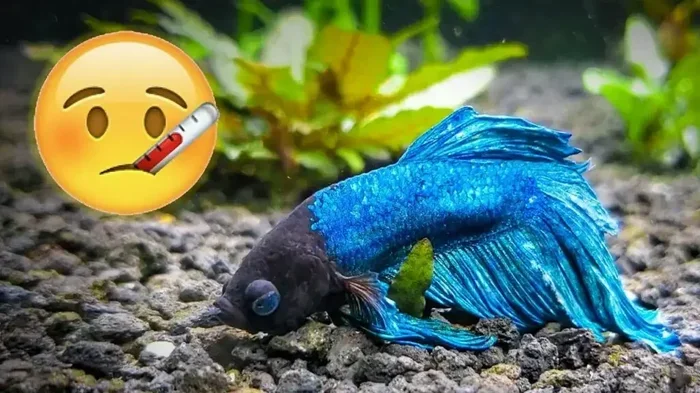
Betta fish can get sick just like any other pet, but quick action makes a huge difference. When you know how to help a sick betta fish, you can spot warning signs early and start the right treatment. Clean water, proper food, and a calm tank are the best ways to support healing. This guide walks you through simple steps to nurse your fish back to health. With the right care, many bettas bounce back within days.
Key Takeaways
- Spot symptoms early: Look for clamped fins, faded color, or loss of appetite as early warning signs.
- Test your water first: Poor water quality is the number one cause of illness in betta fish.
- Use a quarantine tank: Isolating a sick fish prevents spreading disease to other tank mates.
- Match treatment to the problem: Different illnesses need different care, so identify the issue before medicating.
- Keep stress low: Dim lights, quiet surroundings, and stable temperatures help your fish recover faster.
- Feed lightly during recovery: Offer small, easy-to-digest meals only when your betta shows interest.
- Stay consistent: Daily water checks and careful observation are the keys to a full recovery.
📑 Table of Contents
- How to Help a Sick Betta Fish Recover Fast
- Spotting the Early Warning Signs
- Testing and Fixing Your Water Quality
- Identifying Common Betta Illnesses
- Creating a Safe Recovery Environment
- Feeding and Care During Recovery
- When to Seek Extra Help
- Helping Your Betta Stay Healthy Long Term
- Final Thoughts on Betta Recovery
How to Help a Sick Betta Fish Recover Fast
Watching your betta fish look unwell can be stressful. You want to act quickly, but you also want to do the right thing. The good news is that most betta health issues are manageable when you catch them early. Learning how to help a sick betta fish starts with paying close attention to small changes in behavior and appearance.
Bettas are tough little fish, but they do not handle poor conditions well. A dirty tank, sudden temperature swings, or the wrong food can all lead to illness. The faster you notice the problem, the faster you can fix it. In many cases, simple changes to the tank and routine are enough to get your fish back on track.
This guide breaks down everything you need to know in clear, easy steps. You will learn how to spot common signs of trouble, test your water, choose the right treatment, and create a calm space for healing. Let us dive in and get your betta feeling better.
Spotting the Early Warning Signs
The first step in how to help a sick betta fish is learning what normal looks like. A healthy betta swims with purpose, has bright colors, and eats with enthusiasm. When something is wrong, the changes are often subtle at first. Catching these signs early gives your fish the best chance of a quick recovery.
Behavior Changes to Watch For
Sick bettas often act differently before physical symptoms appear. You might notice your fish hiding more than usual or sitting at the bottom of the tank. Some bettas lose interest in food, while others spit out bites they would normally eat. Clamped fins, where the fins sit tight against the body, are another common red flag.
You may also see your betta gasping at the surface or breathing very fast. This can mean the water quality is poor or the fish is struggling to get enough oxygen. If your betta seems unusually tired or sluggish, do not ignore it. These behavior shifts are your cue to investigate right away.
Physical Symptoms That Need Attention
Physical signs are often easier to spot. Look for white spots, fuzzy patches, red streaks, or sores on the body. A betta with a swollen belly or pinecone-like scales may be dealing with a serious internal issue. Faded color can also signal stress or illness, especially if the change happens suddenly.
Some bettas develop torn or frayed fins, which can point to fin rot or injury. Others may show a cotton-like growth on the mouth or body. If you see any of these signs, act quickly. The sooner you identify the problem, the easier it is to choose the right treatment.
Quick Tip: Keep a small notebook or phone note to track daily changes. Writing down what you see helps you notice patterns and share accurate details if you need advice from a fish expert.
Testing and Fixing Your Water Quality
Poor water is the most common reason bettas get sick. Before you reach for medication, always check the tank conditions. Understanding how to help a sick betta fish means knowing that clean, stable water is the foundation of healing. Even the best medicine will struggle if the water is toxic.
What to Test First
Start with a simple water test kit. Check ammonia, nitrite, nitrate, pH, and temperature. Ammonia and nitrite should always be at zero. Nitrate should stay low, ideally under 20 ppm. If any of these numbers are off, your fish is living in a stressful environment. High ammonia or nitrite levels can burn the gills and weaken the immune system fast.
Temperature matters just as much. Bettas thrive in warm water, usually between 78 and 82 degrees Fahrenheit. A tank that is too cold can slow digestion, weaken immunity, and make your fish more vulnerable to illness. If the temperature is unstable, your betta may be stressing without you realizing it.
Simple Water Fixes That Help
If your test results are off, do a partial water change right away. Replace about 25 to 50 percent of the water with fresh, dechlorinated water that matches the tank temperature. This lowers toxins without shocking your fish. Always use a water conditioner to remove chlorine and chloramine before adding new water.
Make sure your filter is running properly and is not clogged with debris. A dirty filter can release harmful waste back into the tank. Clean the filter media in old tank water, not tap water, so you do not wipe out the helpful bacteria. If your tank is too small, consider upgrading to a larger setup with better filtration. Many bettas do best in a tank that gives them room to swim and keeps water stable.
If you are wondering whether your betta needs a filter at all, you may want to read more about whether bettas need filtered tanks to understand why filtration matters for long-term health.
Common Mistake: Doing a huge water change all at once. Big swings in water chemistry can stress a sick fish even more. Stick to gradual, controlled changes.
Identifying Common Betta Illnesses
Once the water looks good, it is time to figure out what is affecting your fish. Different illnesses need different treatments, so accurate identification matters. When you learn how to help a sick betta fish, you will notice that many problems fall into a few common categories.
Fin Rot and Tail Damage
Fin rot usually starts at the edges of the fins and works its way inward. The fins may look frayed, discolored, or melted. This condition is often caused by poor water quality or a minor injury that gets infected. Left untreated, it can progress deeper into the body.
Improving water quality is the first and most important step. Keep the tank clean, stable, and warm. In mild cases, clean water alone can stop the damage and allow the fins to regrow. If the rot is more advanced, you may need a fish-safe treatment recommended by a knowledgeable source. Avoid harsh chemicals that can irritate your betta further.
White Spot and External Parasites
White spot disease shows up as tiny white dots that look like grains of salt on the body or fins. It can make your betta scratch against objects or breathe heavily. Parasites are contagious and spread quickly in closed tanks, so speed matters.
Treatment usually involves raising the temperature slightly and using a targeted medication designed for external parasites. Follow the instructions carefully and remove activated carbon from the filter if needed, since carbon can absorb some medicines. Keep the tank dim and quiet during treatment to reduce stress.
Fungal and Bacterial Infections
Fungal infections often look like cottony white or gray growths on the body, mouth, or fins. Bacterial infections may cause red streaks, open sores, or a cloudy appearance. Both types can take hold when your betta is already weakened by stress or poor water.
Clean water is your first defense. From there, you may need a specific antifungal or antibacterial treatment depending on what you see. If you are unsure, compare your observations with trusted fish care resources or ask an experienced aquarist for guidance. The right match between symptom and treatment makes a big difference.
Swim Bladder and Digestive Issues
Swim bladder problems can make your betta float sideways, sink to the bottom, or struggle to stay upright. These issues are often linked to overfeeding, constipation, or a sudden change in diet. The good news is that many swim bladder cases improve with simple adjustments.
Try fasting your betta for a day or two, then offer a small portion of easy-to-digest food. Some owners use a cooked, shelled pea as a gentle way to help with constipation, but it is best to learn whether feeding a pea can hurt them before trying it. Keep the water warm and calm so your fish can rest and digest comfortably.
Creating a Safe Recovery Environment
Treatment works best when your betta feels safe and relaxed. Stress slows healing, so setting up a calm recovery space is a major part of how to help a sick betta fish. Small changes to the tank setup can make a surprisingly big difference.
Using a Quarantine Tank
If you have other fish, moving the sick betta to a separate tank is a smart move. A quarantine tank keeps potential infections from spreading and lets you focus treatment on one fish. It also makes water changes easier and gives you better control over conditions.
The quarantine tank does not need to be large. A simple, clean setup with a gentle filter, a heater, and minimal decoration is enough. Keep the lighting low and avoid adding strong water flow. The goal is a quiet, stable space where your betta can rest without competition or disturbance.
Reducing Stress in the Main Tank
If you are treating the fish in its main tank, reduce stressors wherever possible. Turn down bright lights and avoid tapping on the glass. Keep noise and vibrations low near the aquarium. Sudden movements or frequent checking can make a sick fish feel more anxious.
Make sure the tank is not too crowded or too bright. Bettas appreciate places to hide, so add a simple plant or shelter if the tank feels exposed. A comfortable environment helps the immune system do its job. For more on how bettas cope with stress and space, you can explore whether bettas get bored in a tank and how enrichment affects their well-being.
Expert Insight: Many experienced keepers say that a calm tank is half the treatment. When water is clean, temperature is steady, and the fish feels secure, recovery often speeds up on its own.
Feeding and Care During Recovery
What you feed a sick betta, and how you feed it, can support healing or slow it down. A weakened fish may not have much appetite, so patience matters. Good nutrition during recovery is another important piece of how to help a sick betta fish get back to normal.
Offering the Right Food
Start with small, easy-to-digest meals. High-quality betta pellets or frozen foods like bloodworms can work well if your fish is willing to eat. Offer only a little at first, then watch how your betta responds. If the fish ignores the food, remove it after a few minutes so it does not spoil the water.
Avoid overfeeding at all costs. A sick betta cannot handle a heavy meal, and leftover food can quickly foul the tank. If your betta is constipated or has a swim bladder issue, you may need to adjust the diet even more carefully. If you are unsure whether regular fish food is appropriate during illness, check whether regular fish food is safe for bettas to make sure you are choosing the right option.
Treats and Extra Nutrition
Some bettas benefit from occasional treats, but only when they are already feeling a little better. Treats should be small and safe, not a replacement for balanced meals. If you want to know what kinds of snacks are appropriate, look into whether bettas have safe treats for a snack so you do not accidentally offer something harmful.
Hydration and digestion both matter. Keep meals simple and consistent until your betta returns to normal. Once the fish is eating well and swimming actively again, you can slowly return to a regular feeding routine.
Common Mistake: Forcing food on a betta that is not ready to eat. Uneaten food adds waste, raises ammonia, and creates more stress. Let appetite guide you.
When to Seek Extra Help
Sometimes home care is enough, but there are times when you need more support. Knowing how to help a sick betta fish also means knowing when the problem is beyond basic treatment. If your fish is getting worse despite clean water and careful care, it is time to dig deeper.
Signs That Need Faster Action
If your betta stops breathing normally, becomes extremely swollen, or develops rapidly spreading sores, do not wait. These signs can point to a serious infection or internal problem. Quick action can save your fish, especially if you can identify the cause early.
Also watch for sudden behavior crashes. A betta that was improving and then suddenly becomes lethargic or stops eating may need a different approach. Re-test the water, review the treatment plan, and consider whether the illness may be contagious or related to something in the tank.
Getting Trusted Advice
If you are unsure what is wrong, reach out to a knowledgeable aquarium expert, a vet who handles fish, or a trusted fish care community. Share clear notes about symptoms, water test results, and any treatments you have already tried. Good information helps others guide you more accurately.
It can also help to learn more about how bettas show illness and aging signs. For example, if you are trying to understand whether your fish is declining due to age or disease, you may want to read about whether you can tell how old a betta fish is. Context matters when you are making care decisions.
If your betta has passed away, you may feel sad and confused. Some owners wonder about the emotional side of losing a pet fish, and if that sounds like you, you might find it comforting to read about whether bettas go to heaven as you process the loss.
Helping Your Betta Stay Healthy Long Term
Recovery does not end when your betta looks better. The best way to prevent future illness is to build steady, healthy habits. Once you understand how to help a sick betta fish, you can also learn how to keep one healthy in the first place.
Daily and Weekly Care Habits
Check your betta every day. Look at the fins, eyes, scales, and overall energy. Watch how much your fish eats and whether the behavior seems normal. Daily observation helps you catch small issues before they become big ones.
Perform regular partial water changes instead of waiting until the tank looks dirty. Rinse the filter media in old tank water when needed, and keep the substrate free of excess waste. Stable routines create stable water, and stable water keeps bettas stronger.
Smart Tank Setup Choices
Give your betta enough space to swim comfortably. A cramped bowl or tiny tank can make water quality harder to manage and increase stress. If you are wondering whether bettas need more room, you can read about whether bettas like a lot of space to see why a larger tank often makes care easier.
Keep the temperature steady with a reliable heater and monitor it with a good thermometer. Use a gentle filter that does not create strong currents. Add simple decorations that provide shelter without sharp edges. A well-planned tank is easier to maintain and kinder to your fish.
Key Takeaway: Prevention is easier than cure. Clean water, stable warmth, careful feeding, and daily observation are the best tools for keeping your betta healthy over time.
Final Thoughts on Betta Recovery
Helping a sick betta fish recover is mostly about acting early, staying calm, and focusing on the basics. Clean water, proper temperature, low stress, and careful treatment give your fish the best chance to heal. Most bettas are resilient when their environment is stable and their care is consistent.
Remember that not every problem needs complicated solutions. Sometimes the answer is a water change, a better feeding routine, or a quieter tank. Other times, you may need a targeted treatment or expert advice. Either way, your attention and patience matter more than you might think.
If you keep observing, testing, and adjusting with care, you will get better at recognizing what your betta needs. That is the real secret behind how to help a sick betta fish recover fast and stay healthy in the future.
Frequently Asked Questions
What are the first signs that a betta fish is sick?
The first signs often include clamped fins, faded color, hiding more than usual, and losing interest in food. Some bettas also breathe faster or sit at the bottom of the tank. Catching these changes early gives you the best chance to help.
How do I know if my betta fish is sick because of poor water?
If ammonia, nitrite, or nitrate levels are high, poor water is likely stressing your fish. Sudden behavior changes after a tank issue also point to water quality problems. Testing the water is the fastest way to check.
Should I move my sick betta fish to a separate tank?
Yes, if you have other fish or if the main tank is hard to manage during treatment. A separate quarantine tank helps prevent spread and makes water changes easier. Keep the quarantine setup simple, clean, and quiet.
Can I feed my betta fish while it is sick?
You can offer small, easy-to-digest meals only if your betta is willing to eat. If the fish ignores food, remove it quickly so it does not spoil the water. Light feeding is best until your betta recovers.
How long does it take for a sick betta fish to recover?
Recovery time depends on the illness and how quickly you start care. Mild issues may improve in a few days with clean water and stable conditions. More serious problems can take longer and may need targeted treatment.
When should I worry enough to get expert help for my betta?
Get help if your betta has trouble breathing, rapidly worsening sores, severe swelling, or keeps getting worse despite good care. If you are unsure what is wrong, expert guidance can help you choose the right next step.