Will Betta Fish Kill Mollies

Will betta fish kill mollies? The answer depends on your setup, tank size, and fish temperament. Betta fish can be aggressive toward mollies, especially in small tanks or when stressed. With the right aquarium conditions, plenty of space, and careful planning, many hobbyists successfully keep bettas and mollies together. Understanding betta behavior and molly compatibility is key to a peaceful community tank.
Keeping a community aquarium is one of the most rewarding hobbies out there. But mixing species always comes with risks. If you have been asking yourself, will betta fish kill mollies, you are not alone. This is one of the most common questions among freshwater aquarium keepers. The truth is, it depends on several factors. Your tank size, water conditions, fish temperament, and setup all play a role. In this guide, we will walk you through everything you need to know to keep these fish safely together or decide if they should live apart.
Betta fish are beautiful and popular. They come in stunning colors and flowing fins. But they also have a reputation for being aggressive. Mollies are peaceful schooling fish that do well in community tanks. So can these two species live together? The short answer is sometimes yes, but it requires careful planning. Let us dive deep into the details and help you make the best decision for your aquarium.
Key Takeaways
- Betta fish can kill mollies: Betta aggression is real, and fin nipping or territorial behavior can harm or even kill molly fish if conditions are wrong.
- Tank size matters a lot: A tank of at least 20 gallons gives both species enough space to reduce conflict and stress.
- Molly temperament varies: Some molly species like balloon mollies are calmer, while others may trigger betta aggression more easily.
- Tank setup is critical: Dense plants, hiding spots, and proper water parameters help both species feel safe and reduce fights.
- Watch for warning signs: Chasing, flaring, nipping fins, and hiding are signs that your fish are not getting along.
- Feeding separately helps: Ensuring both species get enough food reduces competition and aggressive behavior.
- Have a backup plan: If your betta and mollies cannot coexist, be ready to separate them into different tanks.
📑 Table of Contents
- Understanding Betta Fish Temperament
- Understanding Molly Fish Behavior
- Will Betta Fish Kill Mollies: The Real Risk
- How to Keep Betta Fish and Mollies Together Safely
- Signs Your Betta and Mollies Are Not Getting Along
- What to Do If Your Betta Attacks a Molly
- Common Mistakes to Avoid
- Alternatives to Keeping Betta Fish With Mollies
- Final Thoughts
Understanding Betta Fish Temperament
Betta fish, also known as Siamese fighting fish, are native to the warm rice paddies and slow-moving waters of Southeast Asia. They are labyrinth fish, which means they can breathe air from the surface. This adaptation helped them survive in harsh environments. But it also shaped their territorial nature.
Why Are Bettas Aggressive?
Betta aggression comes from their natural instincts. Male bettas defend territory from other males in the wild. They flare their gills, spread their fins, and fight to protect their space. This behavior is hardwired into them. Even in a home aquarium, a male betta may see another fish as a threat.
Not all bettas are the same. Some bettas are more docile than others. Female bettas tend to be less aggressive than males. But even a calm betta can become territorial if the tank is too small or if it feels threatened. Understanding your betta personality is the first step toward a peaceful tank.
Betta Behavior Signs to Watch For
- Flaring: Your betta spreads its gills and fins to look bigger. This is a warning sign.
- Chasing: Your betta swims after other fish aggressively.
- Fin nipping: Your betta bites the fins of tank mates.
- Hiding: Your betta stays hidden, which may mean it feels stressed or threatened.
- Color darkening: A stressed betta often loses its vibrant colors.
If you notice these signs, your betta may not be a good candidate for a community tank. Always monitor your fish closely, especially during the first few weeks after adding new tank mates.
Understanding Molly Fish Behavior
Mollies are peaceful, active fish that thrive in groups. They are livebearers, which means they give birth to live fry instead of laying eggs. Mollies come in several species, including balloon mollies, sailfin mollies, and short-finned mollies. Each type has a slightly different temperament.
Are Mollies Peaceful?
Generally, yes. Mollies are considered peaceful community fish. They get along well with most non-aggressive species. However, mollies can become slightly nippy themselves. They may nip at the fins of slow-moving fish with long fins, like bettas. This behavior is not always malicious. It can be a sign of curiosity or boredom.
Mollies also tend to be active swimmers. They need space to move around. If a molly feels crowded, it may become stressed. A stressed molly is more likely to show nipping behavior or become vulnerable to disease.
Different Types of Mollies and Their Temperaments
| Molly Type | Temperament | Best Tank Mate? |
|---|---|---|
| Balloon Molly | Very peaceful, slow swimmer | Good for most community tanks |
| Sailfin Molly | Active, slightly nippy | Good in larger tanks |
| Short-Finned Molly | Peaceful, schooling behavior | Excellent community fish |
| Black Molly | Calm, adaptable | Great for beginners |
Choosing the right molly type can make a big difference. Balloon mollies are often the best choice because of their calm nature and slower swimming speed. This reduces the chance of triggering betta aggression.
Will Betta Fish Kill Mollies: The Real Risk
Now let us address the main question directly. Will betta fish kill mollies? The honest answer is yes, they can. But it does not always happen. The risk depends on several factors that we will break down below.
When the Risk Is High
The risk of a betta killing a molly increases in certain situations. Here are the main risk factors:
- Small tank: A tank under 10 gallons gives both fish nowhere to escape. Territorial conflicts escalate quickly in tight spaces.
- Male betta with long fins: Bettas with elaborate fins may attract nipping from mollies. A stressed betta may retaliate aggressively.
- Poor water conditions: Dirty water raises stress levels in all fish. Stressed fish are more likely to fight.
- Overcrowding: Too many fish in one tank creates competition for food and territory.
- No hiding spots: Without plants or decorations to hide behind, fish have no way to escape confrontation.
If any of these conditions exist in your tank, the chance of serious harm increases significantly. A betta may chase a molly relentlessly until the molly becomes exhausted, injured, or dies from stress.
When the Risk Is Low
On the other hand, many hobbyists successfully keep bettas and mollies together. Here is what works:
- Tank size of 20 gallons or more: More space means less confrontation.
- Well-planted aquarium: Live plants create natural barriers and hiding spots.
- Calm betta personality: Some bettas are simply more docile and tolerant of tank mates.
- Proper feeding: When both species are well-fed, competition decreases.
- Balanced group of mollies: A group of 3-4 mollies distributes their activity and reduces focus on one fish.
If you want more guidance on keeping bettas with other fish, check out our article on Can I Put a Betta Fish With Mollies for detailed setup tips.
How to Keep Betta Fish and Mollies Together Safely
If you decide to try keeping bettas and mollies in the same tank, preparation is everything. A rushed decision can lead to injury or death. Follow these steps to give both species the best chance at a peaceful coexistence.
Step 1: Choose the Right Tank Size
A minimum of 20 gallons is recommended for a betta and molly community tank. This gives both fish enough room to establish their own territories without constant conflict. A larger tank is always better. If you are new to fishkeeping, start with a bigger tank. It is much easier to maintain stable water conditions in a larger aquarium.
Step 2: Set Up the Tank Properly
Your tank setup plays a huge role in reducing aggression. Here is what to include:
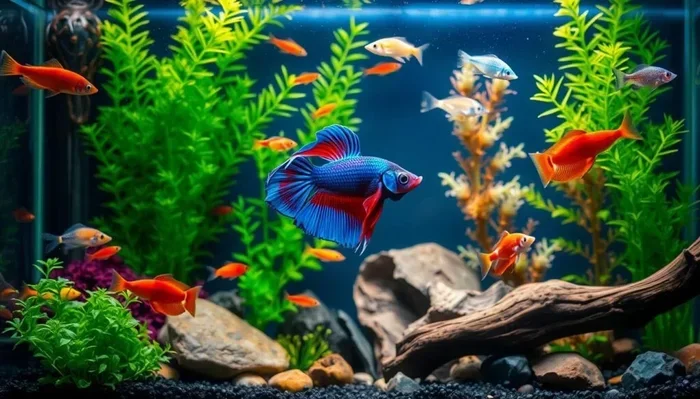
- Live plants: Plants like java moss, anubias, and amazon sword provide natural hiding spots and break up sight lines.
- Decorations and caves: Caves, driftwood, and rocks give both fish places to retreat.
- Open swimming space: Mollies need room to swim. Leave open areas in the middle and front of the tank.
- Substrate: Use soft substrate like sand or fine gravel to protect molly fins.
A well-decorated tank reduces stress for all inhabitants. Fish that feel secure are less likely to be aggressive.
Step 3: Maintain Perfect Water Conditions
Both bettas and mollies prefer warm, clean water. Here are the ideal parameters:
- Temperature: 76-82°F (24-28°C)
- pH: 6.5-7.5
- Ammonia: 0 ppm
- Nitrite: 0 ppm
- Nitrate: Below 20 ppm
Regular water changes of 25-30% per week help maintain these parameters. Test your water frequently with a liquid test kit. Stable water conditions keep fish healthy and less prone to aggression.
Step 4: Introduce Fish Slowly
Do not add a betta and molly to the tank at the same time. Introduce them one at a time. Start by adding the mollies first and letting them settle in for a few days. Then add the betta. This reduces territorial behavior because the betta does not feel its space is being invaded.
If you are unsure about compatibility, you may also want to read our article on Do Betta Fish and Mollies Get Along for more insights on how these species interact.
Step 5: Feed Both Species Properly
Food competition is a common trigger for aggression. Feed both species separately if needed. Use a feeding ring or target feeding to ensure the betta gets its food without the mollies stealing it all. Bettas prefer betta pellets and frozen or live foods like bloodworms and brine shrimp. Mollies thrive on flake food, algae wafers, and blanched vegetables like zucchini.
Signs Your Betta and Mollies Are Not Getting Along
Even with the best preparation, things can go wrong. Watch your fish closely for these warning signs:
- Constant chasing: Your betta relentlessly pursues the molly around the tank.
- Fin damage: You notice torn or ragged fins on the molly or the betta.
- Loss of appetite: Either fish stops eating, which signals severe stress.
- Color fading: A pale or dull color is a sign of a stressed or sick fish.
- Heavy breathing: Gasping at the surface or rapid gill movement indicates distress.
- Hiding constantly: A fish that hides all day is not feeling safe.
If you see any of these signs, act quickly. Separate the aggressive fish immediately. A small quarantine tank can save lives. Prolonged stress can weaken the immune system and lead to disease or death.
Expert Insight: Many experienced aquarists recommend the “dither fish” method. Adding a few peaceful, fast-moving fish like cory catfish can distract aggressive bettas and reduce tension. For more information on betta interactions with other species, see our guide on Can Betta Fish Kill Other Fish.
What to Do If Your Betta Attacks a Molly
Despite your best efforts, attacks can happen. Here is what to do if you witness aggression:
- Separate immediately: Move the attacked fish to a quarantine tank. Check for injuries like torn fins or open wounds.
- Treat injuries: Use aquarium-safe antifungal and antibacterial treatments if needed.
- Reassess the tank: Look at your setup. Add more plants, rearrange decorations, or increase the tank size.
- Consider permanent separation: Some fish simply cannot live together. Do not force it. The safety of your fish comes first.
Remember, it is always better to separate fish that do not get along than to risk losing one of them. A peaceful fishless tank is better than a tank full of stressed, injured fish.
Common Mistakes to Avoid
Even well-meaning fish keepers make mistakes. Here are the most common ones when mixing bettas and mollies:
- Using too small a tank: A 5-gallon tank is not enough for two species. Always go bigger.
- Adding too many fish at once: Introduce fish gradually to reduce stress and territorial behavior.
- Ignoring water quality: Poor water conditions are the number one cause of fish aggression and disease.
- Overfeeding: Excess food pollutes the water and increases competition during feeding time.
- Keeping two male bettas: Never house two male bettas together. They will fight to the death.
- Skipping quarantine: Always quarantine new fish for 2-4 weeks before adding them to your main tank.
Avoiding these mistakes gives both your betta and your mollies a much better chance of living peacefully. For more tips on preventing fish aggression, check out Will Betta Fish Kill Guppies which covers similar compatibility concerns.
Alternatives to Keeping Betta Fish With Mollies
If you decide that bettas and mollies are not a good match for your situation, do not worry. There are many great alternatives. Here are some peaceful tank mates that work well with bettas:
- Neon tetras: Small, fast, and peaceful. They stay in the upper and middle water columns.
- Cory catfish: Bottom dwellers that mind their own business and help clean the tank.
- Shrimp: Amano shrimp and cherry shrimp are great additions to a betta tank.
- Snails: Nerite snails and mystery snails add interest without causing conflict.
- Harlequin rasboras: Peaceful schooling fish that complement bettas well.
Each of these options offers a different look and feel to your aquarium while minimizing the risk of aggression. Choose the option that fits your tank size and personal preference.
Final Thoughts
So, will betta fish kill mollies? The answer is yes, they can, but it is not inevitable. With the right tank size, proper setup, careful introduction, and close monitoring, many bettas and mollies can live together in harmony. The key is to understand both species’ needs and behaviors. Watch your fish closely, respond quickly to signs of aggression, and never be afraid to separate fish that do not get along.
Fishkeeping is a learning journey. Every tank is different, and every fish has its own personality. What works for one hobbyist may not work for another. Stay patient, keep learning, and always put the health and safety of your fish first. Your efforts will be rewarded with a beautiful, thriving aquarium that brings you joy every day.
Frequently Asked Questions
Can a betta fish kill a molly fish in a small tank?
Yes, a betta fish can kill a molly in a small tank. Small tanks concentrate aggression and stress. A tank under 10 gallons is not suitable for housing bettas and mollies together. Always provide at least 20 gallons for a community setup with these species.
Why does my betta chase my molly fish?
Your betta may chase your molly because of territorial behavior. Bettas defend their space, especially in smaller tanks. The molly’s fins or movement may also trigger the betta’s chasing instinct. Adding more plants and hiding spots can reduce this behavior significantly.
Are female bettas less likely to kill mollies?
Yes, female bettas are generally less aggressive than male bettas. They are more likely to coexist peacefully with mollies. However, even female bettas can show aggression, so monitoring is always necessary regardless of the betta’s gender.
What molly species are best with betta fish?
Balloon mollies and black mollies are the best choices for a betta community tank. They are calm, slow swimmers, and less likely to provoke betta aggression. Avoid sailfin mollies, which can be more active and nippy.
How long does it take for a betta to accept a molly in the tank?
It can take anywhere from a few days to several weeks for a betta to accept a new molly tank mate. The introduction process should be slow. Watch for signs of stress or aggression during this period and be ready to separate the fish if needed.
Can mollies hurt a betta fish by nipping their fins?
Yes, mollies can nip at a betta’s long fins. This behavior is usually not deadly but can cause stress and open the door to infections. If fin nipping occurs, consider adding more plants to break up sight lines and reduce the molly’s tendency to nip.