What Fish Go with Betta

Choosing the right fish to go with a betta requires careful planning. Not all bettas are aggressive, but most prefer peaceful, non-fin-nicking tank mates. Successful companions are typically small, schooling fish or quiet bottom-dwellers that occupy different tank levels. A properly sized, heavily planted tank is essential for reducing stress and territorial disputes. Always observe your specific betta’s personality before finalizing a community.
Key Takeaways
- Betta temperament varies: While famously aggressive, some bettas are peaceful. You must observe your individual fish’s behavior before introducing tank mates.
- Ideal mates are peaceful and fast: Look for small, active schooling fish (like Neon Tetras) that keep to themselves and can quickly evade a curious betta.
- Avoid flashy fins and slow swimmers: Fish with long, flowing fins (like some Guppies) or slow-moving species (like some fancy Goldfish) trigger a betta’s instinct to nip and attack.
- Tank size and setup are critical: A minimum of 20 gallons provides enough space to establish territories. Dense plants, decorations, and open swimming areas are non-negotiable for a peaceful community.
- Bottom-dwellers are often perfect: Species like Corydoras catfish or Kuhli loaches occupy the tank floor, are nocturnal, and are generally ignored by bettas who prefer the mid to upper levels.
- Never house two male bettas together: They will fight to the death. Female bettas can sometimes be kept in sororities with extreme caution and expert-level care, but this is not for beginners.
- Introduce the betta last: Establish the community tank with other fish first, then add the betta. This prevents it from claiming the entire tank as its territory from day one.
📑 Table of Contents
- The Betta Dilemma: Finding Friends for a Fiery Fish
- Understanding the Betta Temperament: It’s Not Just About Pretty Fins
- The Ideal Tank Mate Profile: What to Look For
- Tank Mates to Absolutely Avoid: The Danger Zone
- The Foundation: Tank Size, Setup, and Environment
- The Introduction Protocol: How to Add Fish Successfully
- Special Cases and Advanced Considerations
- Conclusion: Patience, Observation, and a Well-Planned Tank
The Betta Dilemma: Finding Friends for a Fiery Fish
So, you’ve fallen in love with the flowing fins and vibrant colors of a Betta splendens. That brilliant little fish, often called the Siamese fighting fish, is a stunning centerpiece for any aquarium. But then a question bubbles up: “What fish go with betta?” It’s a logical next step. You want a thriving community, a miniature underwater world. But you’ve also heard the warnings—bettas are aggressive, they’ll kill anything that moves, they must live alone.
Let’s clear the air right now. The idea that all bettas are solitary, murderous loners is a huge oversimplification. While their reputation for aggression isn’t entirely unfounded, their compatibility depends on a complex mix of individual personality, proper tank setup, and—most importantly—choosing the right tank mates. A betta can absolutely live peacefully with other fish, but it requires knowledge and strategy. This guide will walk you through everything you need to know to create a harmonious community tank with your betta as the star.
Understanding the Betta Temperament: It’s Not Just About Pretty Fins
The Wild Betta vs. The Hobby Betta
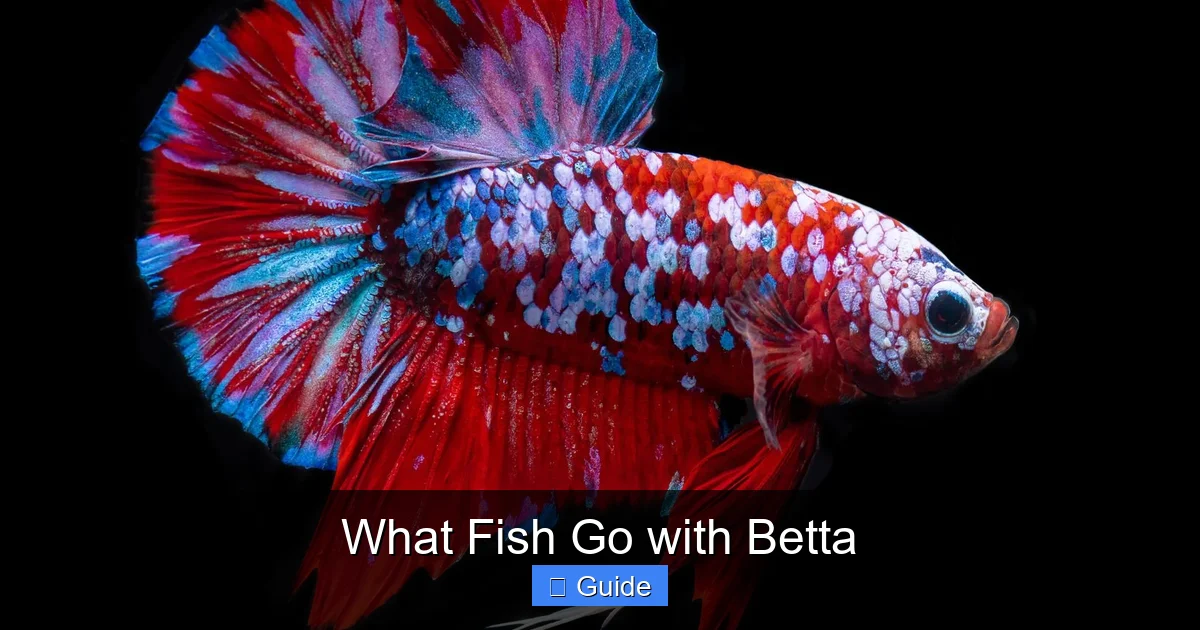
To understand your betta, you need to understand its origins. Wild bettas live in the shallow, slow-moving waters of rice paddies and marshes in Thailand. They are not found in open, flowing rivers. Their world is a dense jungle of plants, roots, and leaf litter. This environment shapes their behavior profoundly. They are territorial, yes, but their territory is a small, defined patch of dense cover. They are also bubble-nesters, building a nest at the surface to protect their eggs.
Visual guide about What Fish Go with Betta
Image source: acaquarium.com
In the aquarium hobby, centuries of selective breeding for color and fin length have sometimes accentuated certain traits. However, the core instincts remain. A betta’s aggression is primarily directed at other male bettas (hence the “fighting” name) and anything it perceives as a rival—which often means fish that look like a male betta. This means long, flowing fins, bright colors, and a similar body shape are major red flags.
Reading Your Betta’s Personality
Before you even think about tank mates, you must spend time observing your betta in its own tank. Is it flaring its gills (making itself look larger) at its own reflection? Does it dart aggressively at a finger pressed against the glass? Or does it calmly hover, occasionally investigating a new decoration? This is your first and most important compatibility test.
A betta that is constantly flaring, chasing, and seems stressed by its own reflection is a high-risk candidate for a community tank. You may need to settle for a species-only setup or a divided tank. A betta that is curious but calm, that flares once or twice at a new object and then loses interest, has a much better chance of success. Remember, patience is key. Observe for at least a week in a properly sized, decorated tank before making any decisions.
The Ideal Tank Mate Profile: What to Look For
Now that you understand your betta’s baseline behavior, let’s talk about the perfect companion. The ideal betta tank mate follows a simple formula: small, peaceful, fast, and non-flashy. Let’s break that down.
Visual guide about What Fish Go with Betta
Image source: home.adelphi.edu
- Small: They shouldn’t be large enough to be perceived as a threat or a snack. Most good mates are under 2 inches in full adult size.
- Peaceful: They must not be fin-nippers themselves. A fish that nips at flowing fins will provoke a defensive and violent response from your betta.
- Fast: Speed is their primary defense. If a betta does decide to give chase, the potential mate needs to be able to dart away instantly and disappear into plants or the school.
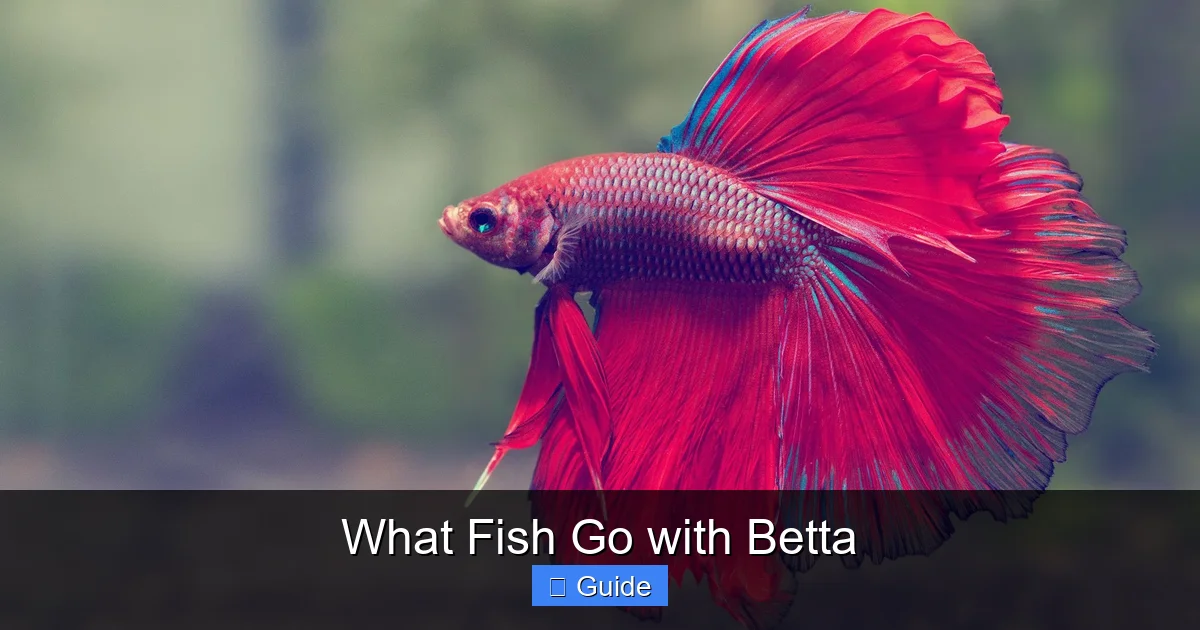
- Non-Flashy: They should have short fins, subdued colors (silvers, blacks, dull yellows, tans), and a body shape that doesn’t mimic a male betta. Think “boring” to a betta.
Schooling Fish: The Distraction Crew
Small, active schooling fish are arguably the best and most popular choice for betta companions. Their value lies in numbers and behavior. A school of 6-10 fish moves as one chaotic, shimmering entity. The betta can’t single out one individual, and the constant, frantic movement of the school becomes background noise—something to ignore rather than chase. They occupy the mid-level of the tank, leaving the surface (the betta’s favorite) and the bottom relatively free.
Top Recommendations:
- Neon Tetras & Cardinal Tetras: The classic choice. Their iridescent blue/red stripe is actually less triggering than a solid, bright color because it’s a line, not a large patch. They are fast, hardy, and prefer to school in the middle levels. Always keep a minimum of 6, 10+ is better.
- Harlequin Rasboras: Another excellent option. Their orange/red coloration is on their fins, not their body, and they are active, peaceful schoolers. The larger variety (Red Rasbora) is also a good choice.
- Ember Tetras: Perfect for smaller tanks (15+ gallons). They are tiny, fiery orange, but their small size and hyperactive schooling make them less likely to be seen as a threat. Their color is more of a dull orange than a vibrant red.
- Celestial Pearl Danios (CPDs): A more recent favorite. They are stunning but have a more “wild” look with their pearl-like spots and orange fins. They are active, prefer to hang near the top/mid-level in plants, and are generally peaceful. Their unique appearance often doesn’t register as a “betta rival” to most bettas.
Tip: Always acclimate schooling fish as a group. Add them to the tank at the same time so they can form their school immediately, which provides them with safety in numbers from the start.
Bottom-Dwellers: The Peaceful Janitors
Fish that occupy the substrate and tank bottom are fantastic betta tank mates because they live in a completely different “neighborhood.” Betras are primarily surface and mid-level fish. A busy catfish or loach scurrying around the bottom is often completely ignored. These fish also have the added benefit of helping clean up leftover food.
- Corydoras Catfish: The undisputed king of betta companions. These small, armored catfish are the epitome of peaceful. They are social and must be kept in groups of 5 or more (6+ is ideal). They sift through the sand, make cute “cory” sounds, and are active during the day. Popular species like the Pygmy Cory, Peppered Cory, or Albino Cory are all excellent choices.
- Kuhli Loaches: For a more unique bottom-dweller. These eel-like, orange-striped loaches are nocturnal but will come out during feeding. They burrow and slither through the substrate and decorations. They are incredibly peaceful and require a soft substrate and plenty of hiding places. Keep them in groups of 3-5.
- Bristlenose Plecos: A good algae-eating option. The common Bristlenose is small (4-5 inches), has a bristly nose, and is generally peaceful. They are nocturnal and will spend much of the day stuck to a piece of driftwood. Ensure you have enough algae or provide algae wafers. Avoid larger plecos.
- Otocinclus Catfish: The ultimate algae muncher for a well-planted tank. These tiny, suckermouth catfish are very peaceful but can be sensitive to water quality. They must be kept in groups of 6-10 to feel secure and are best added to a mature, algae-growing tank.
Tank Mates to Absolutely Avoid: The Danger Zone
Just as important as knowing who *can* work is knowing who *cannot*. Some fish are a guaranteed recipe for disaster, stress, and a dead community.
Visual guide about What Fish Go with Betta
Image source: thailandbettafish.com
The Fin-Nippers
These are the number one cause of a betta’s fins being shredded. They are often small, active fish with a bad habit of biting at the long, flowing fins of other fish. They see a betta’s fin as a tempting, moving snack.
- Tiger Barbs: The classic example. They are notorious fin-nippers and will relentlessly harass a betta.
- Some Tetra Species: While many tetras (like Neons) are safe, others like Serpae Tetras or Black Skirt Tetras have a reputation for nipping, especially if not kept in a large enough school.
- Some Danios: Zebra Danios can be boisterous and have been known to nip at long fins, though many keepers have success with them. It’s a high-risk choice.
The Flashy Rivals
These fish trigger the betta’s territorial and mating instincts because they look like a competitor or a potential mate.
- Fancy Guppies: The most common mistake. Male guppies have enormous, colorful tails that are a red flag to a betta. The betta will see it as a rival male and try to attack, or it will nip the guppy’s fins until they become ragged.
- Male Paradise Fish: Closely related to bettas, they look very similar and are just as aggressive. Two males in the same tank will fight.
- Some Gouramis: Dwarf Gouramis (like the Powder Blue or Honey Gourami) can sometimes work with a very peaceful betta in a large, heavily planted tank, but it’s a gamble. They are related and can be territorial. Larger Gouramis (like the Pearl Gourami) are too big and may intimidate or be intimidated by the betta.
The Slow and Steady (or Big) Targets
These fish are too slow to escape a curious or aggressive betta, or they are simply too large and can provoke the betta or be stressed by it.
- Fancy Goldfish: A terrible match. Goldfish are cold-water fish, bettas are tropical. Goldfish are messy, producing ammonia that bettas are sensitive to. Their slow, waddling movement with long fins is a perfect target. Water temperature requirements alone make this combination impossible.
- Angelfish: Too large. An adult angelfish can easily view a betta as food or a nuisance. They are also cichlids and can be territorial. A young angelfish might work temporarily, but it will quickly outgrow the betta and the tank.
- Betta Splendens (Other Bettas): One male betta per tank, full stop. Two females can sometimes be kept in a “sorority” tank (20+ gallons, 5+ females, heavy planting), but this is advanced and risky. Never house a male with a female long-term except for breeding under controlled conditions, and even then, you must separate them immediately after spawning.
The Foundation: Tank Size, Setup, and Environment
You could have the perfect list of fish, but without the right environment, it will all fail. The tank itself is your most powerful tool for peace.
Tank Size: Bigger is (Almost) Always Better
The single biggest mistake is trying to make a community work in a 5- or 10-gallon tank. A betta needs a minimum of 5 gallons on its own. When adding other fish, you need to account for their bioload and, more importantly, their need for space to establish territories away from the betta.
- Minimum Starting Point: 20 gallons (long or standard). This is the sweet spot for a small community with a betta and a school of tetras or a group of corydoras.
- Ideal Size: 29-55 gallons. This provides ample room for multiple schools of fish, complex aquascaping, and allows the betta to have a large territory without feeling like the entire tank is its domain.
A larger tank dilutes the betta’s aggression. If it flares at a fish, that fish has hundreds of gallons of water and plants to escape into. In a 10-gallon, there’s nowhere to go.
Aquascaping for Peace: Creating a Betta-Friendly Landscape
Your tank must look like a dense, underwater jungle, not an empty swimming pool. The goal is to break lines of sight and provide endless hiding spots.
- Live Plants Are Non-Negotiable: They are the best decoration you can buy. Floating plants like Duckweed, Salvinia, or Frogbit are a betta’s best friend. They create a ceiling of shade, reduce stress, and are where bettas often build bubble nests. Stem plants (Rotala, Ludwigia), mosses (Java Moss, Christmas Moss), and crypts create a forest of stems and leaves. Use them heavily.
- Hardscape is Essential: Driftwood, large rocks, and clay pots provide caves, overhangs, and broken sight lines. A betta can claim a cave or a driftwood root as its “bedroom.” Ensure all decorations are smooth and have no sharp edges that could tear fins.
- Open Swimming Space: While you need plants, you also need a clear area in the mid-water column for your schooling fish to swim freely without constantly feeling like they are invading the betta’s space.
- Avoid Clear Glass Ornaments: Anything with a mirrored or highly reflective surface can cause a betta to flare constantly at its own reflection, increasing stress and aggression.
The All-Important Cycling and Water Quality
A stable, cycled aquarium is crucial for any fish, but especially for bettas. They are labyrinth fish, meaning they breathe air from the surface, but they are still sensitive to poor water quality, particularly ammonia and nitrite. A stressed betta with high ammonia levels is an aggressive betta. Ensure your tank is fully cycled (established nitrogen cycle) before adding any fish. Perform regular water changes (25-50% weekly) and use a reliable filter. A gentle filter flow is important; bettas hate strong currents.
The Introduction Protocol: How to Add Fish Successfully
You have a cycled 20+ gallon tank, it’s heavily planted, and you’ve chosen your peaceful school of tetras and a group of corydoras. Now, the order of operations is critical.
Step 1: Establish the Community First
This is the golden rule. Add your schooling fish and bottom-dwellers to the tank first and let them settle for at least one week. They will establish their own territories and social hierarchies without a betta present to harass them. They will also begin to claim the tank as their own. When the betta is introduced later, it will be entering an *already established* community, not claiming a blank slate. This makes it less likely to see the other fish as intruders.
Step 2: The Betta’s Grand Entrance
When you bring your betta home, do not just dump it in. Float the bag in the tank for 15-20 minutes to equalize temperature. Then, use a drip acclimation method or slowly add tank water to the bag over 30-45 minutes to acclimate it to your water parameters. This is especially important if your local tap water differs from the store’s water.
Use a net to gently transfer the betta from the bag to the tank. Discard the bag water—it contains waste and potential pathogens from the store. Do not pour the bag water into your aquarium.
Step 3: The Critical Observation Period
For the first 48-72 hours, watch the tank closely, but from a distance. Constant pressing your face against the glass can stress all the fish. Look for signs of trouble:
- Flaring: The betta flaring its gills is a warning sign. A few initial flares are normal as it checks out its new tank mates. Persistent, aggressive flaring and chasing are not.
- Chasing: Short chases that end with the betta losing interest are often okay. Constant, relentless chasing that drives another fish into hiding or against the glass is a major red flag.
- Fin Nipping: Check the fins of your other fish daily for torn, ragged edges. This is a sign of active aggression.
- Hiding: If your new schooling fish are all hiding in the back corners and not coming out to eat after 24 hours, the betta is too intimidating.
- Stress in the Betta: Is the betta itself hiding constantly, not eating, or clamped (fins held tightly against its body)? This can mean the other fish are harassing it (rare, but possible with some boisterous tetras) or it is just too stressed by the new environment.
What to Do If Things Go South
If you see persistent aggression, you must act quickly. Have a backup plan—a separate “hospital” or quarantine tank ready.
- Option A: Remove the Betta. If the betta is the clear aggressor, move it to a separate tank. The community can thrive without it. You now have a betta-only tank.
- Option B: Use a Tank Divider. A solid, watertight divider (like those from Fish Haven or a DIY acrylic one) can split a 20+ gallon tank in two. This allows the betta to have its own half with plants and a filter, while the other fish have their own space. They can see each other but not interact.
- Option C: Rehome the Aggressive Betta. If the betta cannot live with others, accept that and find it a good single-home. Do not try to force it.
Special Cases and Advanced Considerations
Beyond the basic community, there are other creatures you might consider. Proceed with caution and extra research.
Shrimp and Snails: The Invertebrate Option
Shrimp: Amano shrimp are large (2+ inches), hardy, and excellent algae eaters. They are often ignored by bettas because they are not fish and have a different movement pattern. Cherry shrimp, however, are small (1 inch) and brightly red—a color that can trigger a betta’s predatory instinct. Some bettas will ignore them, others will see them as tasty snacks. Start with a large group (10+) of Amanos in a well-planted tank for the best chance of success.
Snails: Nerite snails, Mystery snails, and Ramshorn snails are generally safe. They are too slow to be a threat and have a hard shell. A betta might investigate one, but it will quickly lose interest. Snails are great cleanup crew for algae and leftover food.
African Dwarf Frogs (ADFs)
This is a popular but tricky pairing. ADFs are fully aquatic frogs that live at the bottom. They are peaceful and can be fascinating to watch. However, they are slow, have poor eyesight, and are notorious for being outcompeted for food. A betta might see the frog as a strange, moving object and could nip at its legs. Success requires a large, heavily planted tank (20+ gallons), careful feeding to ensure the frog gets food, and a very calm betta. It is not a beginner combination.
Conclusion: Patience, Observation, and a Well-Planned Tank
So, what fish go with a betta? The answer is a carefully curated list of peaceful, fast, and unassuming species like Neon Tetras, Harlequin Rasboras, and Corydoras catfish, housed in a spacious, densely planted aquarium of 20 gallons or more. The journey to a successful community tank starts not with buying other fish, but with understanding your individual betta. Is it a calm ruler or a fiery tyrant? Your honest assessment is the first step.
Remember, the tank is your most powerful tool. A well-aquascaped, large environment reduces stress and territorial disputes by providing space and hiding places. Follow the introduction protocol: establish the community first, then add the betta. Be prepared to intervene if aggression arises with a backup plan.
Keeping a betta with other fish can be incredibly rewarding. It transforms your tank from a single-species exhibit into a dynamic, thriving ecosystem. Your betta’s vibrant presence will be complemented by the playful darting of a tetra school and the amusing antics of a cory cat. It is the ultimate reward for doing your homework, planning meticulously, and respecting the natural instincts of your beautiful, labyrinth-breathing friend.
Frequently Asked Questions
Can I keep a male betta with other male bettas?
No. Male Bettas are intensely territorial and will fight to the death if housed together. They require separate tanks. A tank divider can sometimes be used in a large aquarium, but they must never have direct contact.
Are female bettas less aggressive and easier to keep with other fish?
Female bettas are generally less aggressive than males, but individual personalities vary widely. Some females are just as territorial. They can often be kept with the same peaceful community fish as males, following the same tank size and setup rules. “Betta sororities” (groups of females) are possible but require expert-level care and a very large, heavily planted tank.
Can bettas live with shrimp like Cherry Shrimp or Ghost Shrimp?
It’s a gamble. Large, hardy shrimp like Amano shrimp have a good chance of survival in a well-planted tank with a calm betta. Small, brightly colored shrimp like Cherry shrimp are often seen as food by the betta and may be eaten. Your betta’s individual temperament is the deciding factor.
What about goldfish? They’re peaceful, right?
Absolutely not. Goldfish are cold-water fish (preferring 60-70°F), while bettas are tropical (78-80°F). Their temperature needs are incompatible. Goldfish are also extremely messy, producing high levels of ammonia that are toxic to bettas. Their slow movement with flowing fins would also trigger a betta’s aggression. This combination should never be attempted.
My betta flares at its reflection all the time. Can I still add tank mates?
Constant flaring at its own reflection is a sign of high stress and aggression. Adding tank mates in this situation would likely be disastrous. First, try to eliminate the reflection by covering the tank sides with paper or adding more floating plants to break up the surface view. If the behavior persists, your betta is likely best suited for a species-only tank.
How long should I wait before introducing a betta to an existing community tank?
You should establish the community tank with the other fish first and let them settle for a minimum of one week. This allows them to form schools, establish territories, and feel secure in the environment. Then, after carefully acclimating the betta, introduce it. This method gives the betta the best chance of seeing the other fish as established residents rather than invaders.