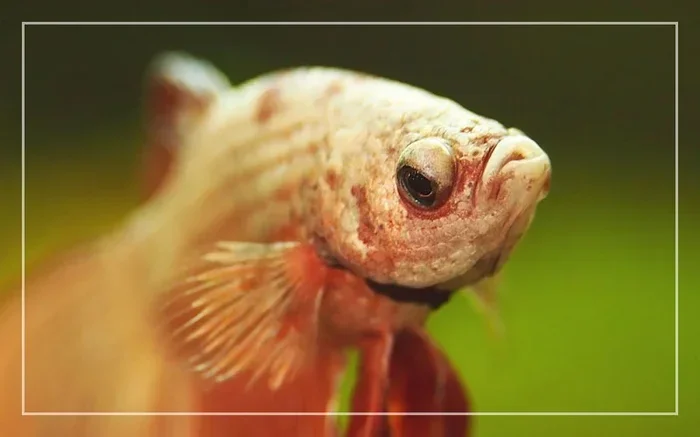
Which Fish Can Live with Male Bettas
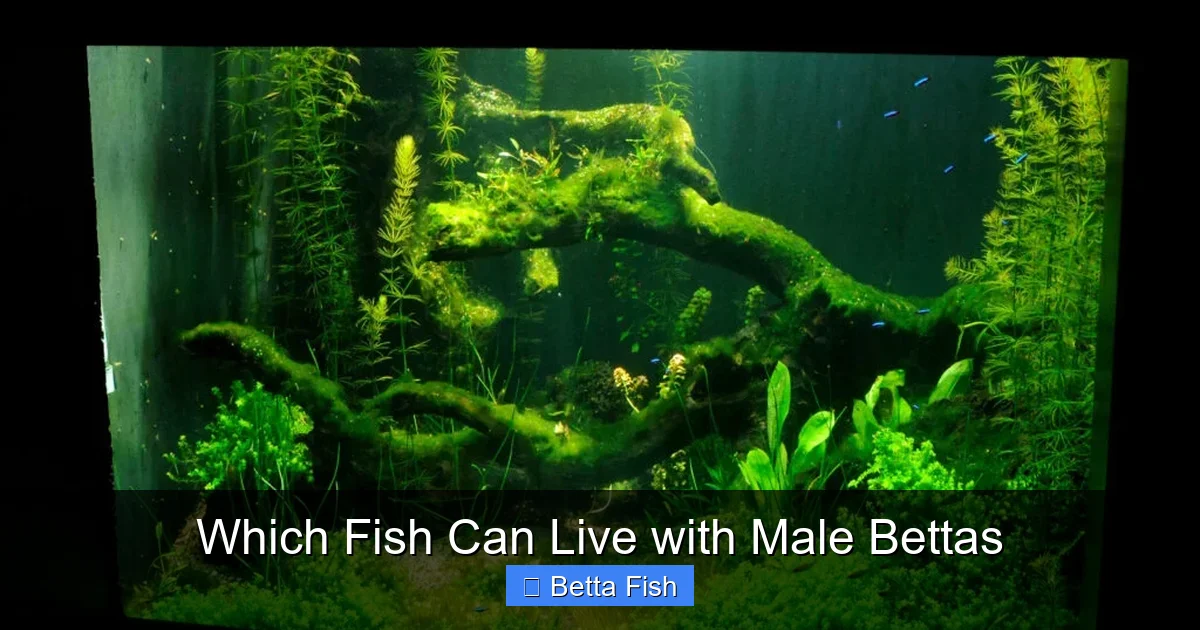
Male bettas, or Siamese fighting fish, are famously territorial, but they can sometimes share a tank with carefully chosen, peaceful tank mates. Success depends entirely on your individual betta’s temperament, a sufficiently large tank (minimum 20 gallons), and providing plenty of visual barriers and hiding spots. You must avoid fish with bright colors, long flowing fins, or aggressive natures. Always introduce new fish slowly and monitor interactions closely, as every betta has a unique personality.
Key Takeaways
- Tank Size is Non-Negotiable: A minimum of 20 gallons is essential for any community tank with a male betta to provide enough space for territories and reduce stress.
- Choose Calm, Schooling Fish: Target peaceful, fast-moving species that occupy different tank levels (like mid-level schooling fish or bottom dwellers) to avoid your betta’s domain.
- Avoid Visual Triggers: Steer clear of fish with bright reds/blues (betta colors) or long, flowing fins (like fancy guppies) that can be mistaken for rival bettas.
- Acclimation and Observation are Critical: Use a divider or quarantine tank initially. Watch for flaring, chasing, or nipping for at least 48 hours after introduction.
- Your Betta’s Personality Rules: Some bettas are docile community fish; others are relentless bullies. You must be prepared to rehome tank mates if aggression occurs.
- Dense Planting & Structure are Key: Live or silk plants, driftwood, and caves break line of sight, giving potential victims places to hide and reducing overall tension.
- Never Mix with Other Bettas: Male bettas will fight to the death with other males. Females can be kept in sororities but are not suitable tank mates for a single male.
📑 Table of Contents
Understanding the Male Betta’s Temperament
Before we even begin to answer “which fish can live with male bettas,” we must first understand the creature at the center of the question. The male betta, with its spectacular flowing fins and vibrant colors, carries a reputation as a solitary, aggressive fish. This reputation isn’t entirely unfounded—it’s earned. The nickname “Siamese fighting fish” comes from a long history of selective breeding for aggression in contests. In the wild, male bettas are indeed solitary, territorial guardians of small patches of shallow, plant-choked water. They will fiercely defend their space from other male bettas and often from any fish they perceive as a threat or rival.
However, the key word here is perceive. A betta’s aggression is largely visual and territorial. It reacts to what it sees: a flash of bright color, a fish with long fins that looks like another betta, or an intruder in its claimed space. This means that with the right environment—a spacious tank with plenty of hiding places—and the right tank mates—species that are not flashy, not slow-moving with flowing fins, and are peaceful by nature—many male bettas can learn to tolerate, and even coexist with, other fish. The critical takeaway is that there is no universal guarantee. Your success depends on your specific betta’s personality and your diligence in creating the right setup.
The Myth of the “Always Lonely” Betta
For decades, the standard advice was to keep bettas alone. This is still the safest recommendation for beginners or for anyone unwilling to risk the stress or injury of tank mates. But modern aquarium keeping has shown us that a well-planned community tank can be a thriving, stimulating environment for a betta, provided the betta itself isn’t overly aggressive. The change in advice comes from better understanding of betta behavior and improved aquarium husbandry. We now know that enrichment from carefully selected tank mates can sometimes reduce boredom-related stress (like glass-surfing or fin-nipping) in a betta that would otherwise be alone.
The Foundation: Creating the Perfect Environment
You cannot successfully answer “which fish can live with male bettas?” without first building the proper stage. The tank environment is your primary tool for managing your betta’s territorial instincts. If you put a betta in a bare 5-gallon tank and then add another fish, you are almost guaranteeing conflict. The betta will see the entire small volume as its territory and attack any invader. The goal is to make the tank so large and so broken up by decor that the betta’s “territory” is a small, manageable section, and other fish have clear escape routes and their own spaces.

Visual guide about Which Fish Can Live with Male Bettas
Image source: petshun.com
Tank Size: The Absolute Minimum
This is the first and most important rule. Do not attempt a community tank with a male betta in anything less than a 20-gallon long tank. A 20-gallon provides approximately 30 inches of swimming length, which is crucial. In a longer tank, you can place your betta’s “home base” (a hammock, a log, a plant cluster) at one end, and introduce other fish that primarily occupy the opposite end or the middle, giving them room to avoid the betta’s line of sight. A 10-gallon is the absolute bare minimum for a betta alone; adding tank mates in such a confined space is a recipe for disaster. If you have a 5- or 10-gallon tank, your betta should be the sole inhabitant.
The Power of Plants and Structure
Dense planting is your best friend. Live plants are ideal (like Java fern, Anubias, Cryptocorynes, and floating plants like Salvinia or Duckweed), as they improve water quality and provide complex hiding spots. Silk plants are a perfectly acceptable alternative. The goal is to create a three-dimensional jungle where fish can duck in and out of view. Driftwood, rock caves, PVC tubes, and clay pots all serve as solid visual barriers. The more you can break up the open water column, the less your betta will feel it has to patrol and defend a single, vast expanse. Floating plants are particularly valuable as they create a shaded, secure ceiling that many fish (and bettas themselves) love.
Water Parameters: The Common Ground
All potential tank mates must share similar water parameter requirements with your betta. Bettas are tropical fish, preferring a temperature of 76-82°F (24-28°C) and a pH around 7.0 (though they are adaptable to a range of 6.5-7.5). Any fish you consider must thrive in this warm, slightly soft to moderately hard water. Cold-water fish like goldfish or danios are completely unsuitable and will suffer in a betta’s warm tank, while also potentially being seen as food or intruders.
The Ideal Candidates: Top Fish That Can Live with Male Bettas
With the proper foundation laid, we can now explore specific species. The following fish are considered the most successful and commonly recommended tank mates for a peaceful or semi-peaceful male betta. Remember, these are general guidelines; your betta’s individual personality is the final judge. Always research each species thoroughly for their specific needs before purchase.

Visual guide about Which Fish Can Live with Male Bettas
Image source: articles.hepper.com
1. The Corydoras Catfish (Cory Cats)
These adorable, armored little catfish are arguably the best and safest first choice for a betta community. They are bottom dwellers, occupying a completely different niche in the tank. Corydoras are gentle, social fish that must be kept in groups of at least 5-6. They spend their days sifting through the substrate for food, completely ignoring fish above them. Their armored plates protect them from any curious nipping, and their active, comical behavior is entertaining to watch. They prefer a soft, sandy substrate and will appreciate sinking wafers or blanched vegetables in addition to their scavenging. Species like the Bronze Cory (Corydoras aeneus) or the Pygmy Cory (Corydoras pygmaeus) are excellent choices.
2. Harlequin Rasboras & Other Small, Fast Rasboras
Rasboras are a fantastic family of fish for this purpose. The Harlequin Rasbora (Trigonostigma heteromorpha) is a classic. They are active, peaceful, schooling mid-level swimmers that prefer to be in groups of 6 or more. Their orange/red coloration is different enough from a betta’s reds and blues to not usually trigger aggression, and their speed allows them to easily evade a briefly grumpy betta. They add wonderful movement and color to the middle of the tank. Other good rasbora species include the Chili Rasbora (Boraras merah) and the Scissortail Rasbora (Rasbora trilineata), though the latter needs more swimming space.
3. Neon & Cardinal Tetras (With Caution)
This is a more debated choice. Neon Tetras (Paracheirodon innesi) and Cardinal Tetras (Paracheirodon axelrodi) are stunning, active schooling fish that occupy the mid-upper tank levels. Their iridescent blue and red stripes can be a concern—the red might trigger a betta’s aggression. However, their speed and tendency to school tightly often make them successful. The key is to keep them in a large school (10+ individuals); a single neon is a target, but a large, synchronized school is confusing and intimidating to a betta. They must be kept in soft, acidic, very soft water, which aligns well with a betta’s preferences. Always use a dark substrate to make their colors pop and feel secure.
4. Kuhli Loaches
For a truly unique and entertaining addition, Kuhli Loaches (Pangio kuhlii) are superb. These eel-like, peaceful loaches are nocturnal and spend their days burrowed in the substrate or hiding under decorations. Their worm-like appearance is not seen as a threat by bettas, and they occupy the very bottom of the tank. They are social and should be kept in groups of 3-5. They are excellent cleanup crew members for uneaten food. They require a soft, sandy substrate to protect their delicate bodies and enjoy having plenty of hiding places like driftwood crevices or flat stones.
5. Bristlenose Plecos (Ancistrus sp.)
If you need an algae eater and have a large enough tank (20+ gallons), a single Bristlenose Pleco is a good candidate. They are small for plecos (4-5 inches), armored, and primarily nocturnal. They are voracious algae eaters but also need supplemental feeding with algae wafers and vegetables like zucchini. Their mottled brown coloration and armored, sucker-mouth face are not threatening to a betta. They are generally peaceful but can be territorial with other plecos, so one is enough. Provide them with a driftwood piece to graze on and a cave to hide in during the day.
6. Ember Tetras
Similar to the Rasboras, Ember Tetras (Hyphessobrycon amandae) are tiny, fiery-orange schooling fish. Their small size (under 1 inch) and warm, coppery color make them less likely to be seen as a rival. They are peaceful, active, and do best in schools of 8-10. Their tiny size means they are not a threat and can easily dodge a chasing betta. They are a great choice for adding a pop of color and movement without provoking aggression.
7. White Cloud Mountain Minnows
These are hardy, active, cold-tolerant minnows that can also do well in a betta’s warm water. They are fast, peaceful schooling fish that prefer to be in groups. Their coloration is more subdued (tan body with a red tail and a black stripe), which is less likely to trigger a betta. They are active swimmers and will generally keep to the middle and top levels. They are a good, hardy choice, but be aware they prefer slightly cooler water (68-75°F), so ensure your tank stays at the warmer end of their range to match the betta’s needs.
Fish to Absolutely Avoid with Male Bettas
Just as important as knowing who might work is knowing who will not. Introducing the wrong fish is cruel to both the betta and the other fish, often resulting in stress, injury, or death. Here are the major categories of fish to steer clear of.
Visual guide about Which Fish Can Live with Male Bettas
Image source: japanesefightingfish.org
1. Other Male Bettas & Fancy Guppies
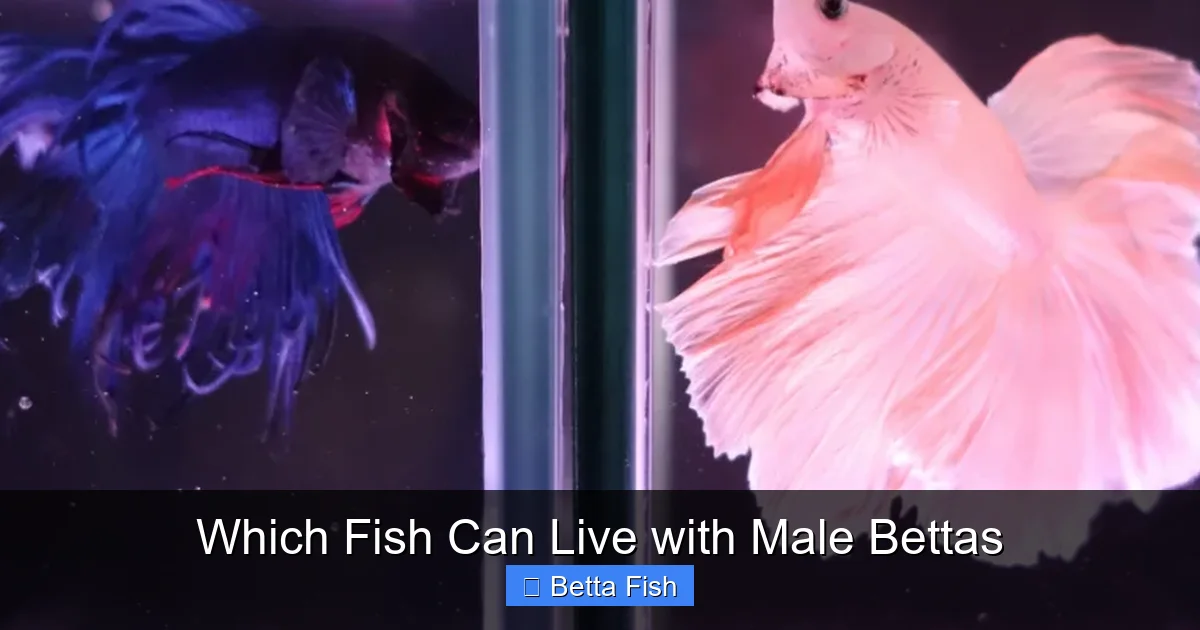
This should be obvious: never, under any circumstances, house two male bettas together. They will fight until one is dead or severely injured. The same goes for female bettas with a male—he will relentlessly chase and harass her. Fancy Guppies, with their large, flowing, colorful tails, are the single worst choice. A male betta will see a male guppy’s tail and immediately perceive it as a rival male betta. It will attack, and the guppy’s fins will be shredded. This is a common and tragic mistake.
2. Fin-Nippers and Aggressive Fish
Some fish have a habit of nipping at the long, flowing fins of other fish. Bettas are a prime target. Fish to avoid include:
- Tiger Barbs: Notorious fin-nippers and boisterous bullies.
- Serpae Tetras: Can be nippy and fin-clamping, especially in small groups.
- Some Danios: Like the Zebra Danio can be hyperactive and may nip at slow-moving betta fins.
- Angelfish & other Cichlids: Often aggressive and territorial, and may see the betta as food or a threat.
3. Fish with Bright Red or Blue Coloration
Bettas are visually triggered by their own colors. A fish that is primarily bright red or bright blue is a major red flag to a betta’s brain. This includes:
- Male Swordtails/Platys: Often have bright red sword tails.
- Red-tailed Black Sharks: Despite the name, they are aggressive and have a bright red tail.
- Some Gouramis: Like the Dwarf Gourami, which can be brightly colored and are closely related (same family), often leading to instant rivalry.
4. Slow, Fancy, or Long-Finned Fish
Any fish that is slow-moving or has elaborate fins is an easy target for a curious or aggressive betta. This includes:
- Fancy Goldfish: Too cold, messy, and slow.
- Fancy varieties of other species: Like long-finned Black Skirt Tetras or certain balloon mollies.
- Betta Splendens with long fins: Even a female betta with very long fins can trigger aggression.
Setting Up the Community Tank: A Step-by-Step Guide
You have your 20+ gallon tank, your plants, your driftwood, and your chosen list of potential tank mates. Now, the process of introduction is just as important as the selection itself. Rushing this will lead to failure.
Step 1: The Betta First (Or Use a Divider)
The most reliable method is to set up and fully cycle your tank with all the plants and decorations, then add your male betta last. Let him establish his territory in the empty (except for decor) tank for 2-3 weeks. He will claim his favorite spots. Then, when you add other fish, they are the ones entering an established territory, which can sometimes be easier for the betta to accept as “just other fish passing through.” Alternatively, you can use a tank divider to physically separate the betta from the new fish for a week or two, allowing them to see but not touch each other. This can sometimes lead to habituation.
Step 2: Quarantine All New Fish
Never, ever add new fish directly from the pet store to your established tank. Always quarantine all new arrivals in a separate hospital tank for at least 2-4 weeks. This prevents the introduction of diseases like Ich, Velvet, or internal parasites into your main display tank. Treat for any issues during quarantine before the final move.
Step 3: The Introduction Ritual
When introducing the new fish:
- Turn off the tank lights.
- Float the bag or container with the new fish in the tank for 15-20 minutes to equalize temperature.
- Gently add the new fish to the tank, preferably while the betta is distracted (you can entice him with a food pellet on the opposite side).
- Do not use a net to transfer fish from the bag if possible; pour the bag’s contents into a cup and lower it into the tank to avoid adding store water.
- Immediately observe from a distance. Do not hover over the tank, as your presence can increase stress.
Step 4: The Critical Observation Period
The first 24-72 hours are the most crucial. Watch for:
- Flaring: The betta puffing out its gills and fins. This is a warning sign, not necessarily a death sentence. Occasional flaring from a distance is normal.
- Chasing: Sustained, aggressive chasing where the betta is trying to bite the other fish. This is a major red flag.
- Nipping: You may see torn fins on the new fish.
- Hiding: If the new fish are permanently clamped and hiding and not coming out to eat, the stress level is too high.
A few brief chases are often just the betta checking out the new arrivals. But if the chasing is constant and relentless, you must have a backup plan—a separate tank to rehome either the betta or the new fish.
Special Considerations & Advanced Scenarios
Beyond the basic “which fish,” there are other common questions about betta communities that deserve detailed answers.
What About Shrimp and Snails?
Shrimp: This is a very popular combination. Cherry Shrimp (Neocaridina davidi) are often kept with bettas. However, there are no guarantees. A curious or hungry betta may see a bright red cherry shrimp as a tasty snack. Larger, more mellow bettas often ignore them, but many will hunt them. Amano Shrimp are larger, more camouflaged (brown/tan), and better at hiding, making them a slightly safer bet. Ghost Shrimp are also good due to their transparency. Always provide dense planting and hides for shrimp. Be prepared to lose some shrimp.
Snails: Snails are almost always safe. Their hard shells protect them from any attempted nipping. Nerite Snails are excellent algae eaters and cannot reproduce in freshwater. Mystery/Apple Snails are large and interesting but produce a lot of waste. Ramshorn Snails can reproduce quickly. Snails are a great, low-risk addition to a betta tank for cleanup and interest.
Can I Keep a Female Betta with a Male?
No, not as permanent tank mates. A male betta will see a female betta as an intruder in his territory and will harass her constantly, causing her extreme stress, injury, and often death. The only time a male and female betta should be together is for a brief, supervised breeding session in a dedicated breeding tank, after which they must be separated immediately.
What if My Betta is Aggressive?
Some bettas are simply “fin-nippers” or “killers.” If your betta shows relentless, violent aggression toward any and all tank mates within hours or days, you must accept that your betta is a solitary fish. This is not your fault or the betta’s fault; it’s just its genetics and personality. The kindest thing to do is to move the other fish to a separate tank and keep your betta alone. Forcing a community tank on an aggressive betta causes chronic stress for everyone involved. Always have a backup plan (a “hospital” or quarantine tank) ready before you even attempt to add tank mates.
The Betta Sorority: A Different Concept
A “betta sorority” is a community tank housing 4-6 female bettas (and only females). This is a completely different setup with its own rules (heavily planted, large tank, all females introduced simultaneously). It is not a mixed-species community. Do not mix a male betta with a sorority of females; he will attack them all.
Frequently Asked Questions
Can a male betta live with guppies?
No, male bettas should never be housed with guppies, especially fancy male guppies. The guppy’s long, flowing, colorful fins will be mistaken for a rival male betta, leading to relentless chasing and fin-nipping, which will severely injure or kill the guppy.
What is the smallest tank I can use for a betta with tank mates?
While a single male betta can be kept in a heated, filtered 5-gallon tank, you should never add tank mates to a tank smaller than 20 gallons. The absolute minimum for a carefully chosen community is a 20-gallon long tank to provide adequate swimming space and territorial separation.
Will my betta eat my shrimp?
It’s possible. A betta may see a small, brightly colored shrimp like a Cherry Shrimp as food. Larger, more camouflaged shrimp like Amanos or Ghost Shrimp have a better chance. Providing dense planting and hiding spots gives shrimp a refuge. Be prepared that some shrimp may be lost, especially during the initial introduction period.
How long should I wait before adding fish to a betta’s tank?
It’s best to let your male betta establish his territory in a fully set-up and cycled tank for 2-3 weeks before introducing any other fish. This allows him to claim his spots and reduces his perceived need to defend the entire tank from new arrivals.
Are betta fish lonely by themselves?
Not necessarily. In the wild, male bettas are solitary. A well-enriched, properly sized tank with plants, decorations, and a varied diet provides a stimulating, stress-free life for a single betta. While some bettas may tolerate peaceful tank mates, the decision should be based on creating a harmonious ecosystem, not on the assumption that the betta is “lonely.”
What should I do if my betta starts fighting with a tank mate?
If the aggression is constant and violent (chasing to bite, fin-nipping), you must separate them immediately. Have a backup “hospital” tank ready. You will need to rehome either the betta (to a solitary setup) or the other fish (to a different community) to prevent injury or death. Some brief flaring or chasing during the first day can be normal, but sustained aggression is a sign of incompatibility.