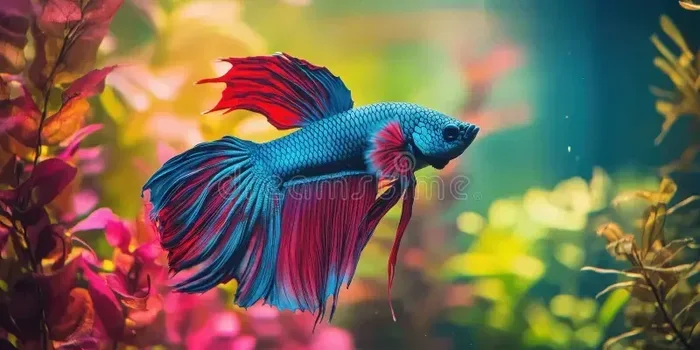
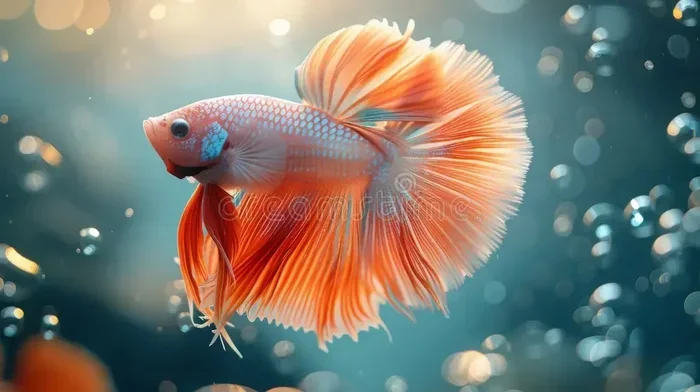
Do Betta Fish Get Depressed Signs and How to Help

Many owners ask do betta fish get depressed when they see their pet hiding or losing color. While fish do not feel sadness like humans, they can suffer from stress and poor conditions that look like depression. This guide explains the signs of a depressed betta fish and shows you how to create a happier tank. You will learn simple steps to boost your fish mood and improve their overall health.
Many people who keep fish at home wonder about their pet emotions. You might look at your vibrant betta fish and ask yourself do betta fish get depressed when they hide in the corner all day. It is a very common question for new and experienced owners alike. We want our pets to be happy and healthy in their home.
Betta fish are known for their bright colors and flowing fins. They are also known for their unique personalities. Some bettas are very active and curious. Others are more shy and reserved. When your fish changes its behavior, it can be worrying. You might notice your fish is not eating or swimming around like usual.
This article will help you understand what is happening. We will look at the signs that suggest your fish is unhappy. We will also talk about the difference between stress and illness. Most importantly, we will share ways to help your fish feel better. You will learn how to create a safe and fun space for your aquatic friend.
Key Takeaways
- Recognize the signs: Hiding, dull colors, and low energy often signal a stressed or unhappy betta fish.
- Check water quality: Poor water conditions are the most common cause of behavioral changes in bettas.
- Enrich the environment: Adding plants and hiding spots can reduce boredom and stress.
- Monitor tank mates: Aggressive companions can cause fear and withdrawal in betta fish.
- Maintain consistency: Stable temperatures and regular feeding routines help keep your fish secure.
- Consult a vet: Persistent health issues may require professional advice to rule out illness.
- Observe daily: Watching your fish every day helps you spot problems early before they worsen.
📑 Table of Contents
Understanding Behavior and Mood in Fish
Fish do not have the same brain structure as humans. They do not feel complex emotions like sadness or depression in the same way we do. However, they do feel stress. They also react to their environment. When conditions are bad, fish show signs of distress. This can look like depression to an owner.
It is important to know that betta fish behavior changes for many reasons. Sometimes it is physical. Sometimes it is environmental. When you ask do betta fish get depressed, you are really asking if they suffer from poor welfare. The answer is yes, they can suffer when their needs are not met.
Stress in fish triggers a physical response. Their bodies release hormones to deal with danger. If this stress lasts too long, it weakens their immune system. This makes them prone to disease. So, a fish that looks sad might actually be sick or stressed. Understanding this helps you fix the real problem.
Signs Your Betta Might Be Unhappy
How can you tell if your fish is struggling? There are several clear signs to watch for. These signs often point to a lack of stimulation or poor water quality. Keep an eye on these signs of a depressed betta fish during your daily checks.
- Hiding constantly: If your fish stays behind plants or decorations all day, something is wrong.
- Loss of appetite: A healthy betta usually eats eagerly. Refusing food is a red flag.
- Dull colors: Betta fish are vibrant. Fading colors can mean stress or poor health.
- Lethargy: Sleeping too much or floating at the bottom shows low energy.
- Fin clamping: Holding fins close to the body often signals discomfort or pain.
These behaviors are not normal for a healthy betta. A happy betta explores its tank. It flares its gills sometimes. It interacts with you during feeding time. If you see the opposite, you need to investigate. You might also wonder do betta fish get stressed when their environment changes. The answer is yes, and stress causes these exact symptoms.
Common Causes of Low Mood in Bettas
Once you see the signs, you need to find the cause. There are many reasons why a betta might seem down. Most of these reasons are fixable. You just need to identify what is bothering your fish. Here are the most common triggers for betta fish depression-like symptoms.
Poor Water Quality
This is the number one cause of health issues in fish. Dirty water contains toxins like ammonia and nitrites. These chemicals burn the fish gills and skin. They make it hard for the fish to breathe. A fish in dirty water will feel very unwell. It will hide and stop eating to conserve energy.
You must test your water regularly. Use a liquid test kit for accurate results. Make sure your filter is working well. Perform weekly water changes to keep the tank clean. Clean water is the foundation of a healthy betta fish.
Small or Empty Tanks
Bettas need space to swim and explore. A tiny bowl is not enough for them. They need a tank with at least five gallons of water. Small spaces restrict movement and build up waste quickly. This leads to stress and poor health.
An empty tank is also a problem. Bettas are curious creatures. They need things to look at and hide in. Without decorations, they can get bored. This boredom can lead to lethargy. You should add safe plants and caves to the tank.
Temperature Fluctuations
Bettas are tropical fish. They need warm water to thrive. The ideal temperature is between 78 and 80 degrees Fahrenheit. If the water is too cold, their metabolism slows down. They become sluggish and inactive. This looks like depression but is actually physical discomfort.
Use a reliable heater and thermometer. Check the temperature every day. Sudden changes in temperature are also harmful. Keep the tank away from drafts or direct sunlight. Stable conditions make your fish feel secure.
Aggressive Tank Mates
Bettas are often kept with other fish. But they can be aggressive or bullied. If a tank mate nips at the fins, the betta will hide. It will feel threatened all the time. This constant fear is very stressful. It can cause the fish to withdraw completely.
If you see chasing or fighting, you must act. Separate the fish if needed. Some fish are simply not compatible. You might want to read more about compatibility, such as whether betta fish get along with Cory Catfish. Choosing the right neighbors is key to a peaceful tank.
Creating a Happy Environment for Your Betta
Now that you know the causes, you can fix them. Making your tank better is the best way to help. You want to mimic their natural habitat as much as possible. This reduces stress and encourages natural behaviors. Here is how to improve your betta habitat.
Add Plants and Hiding Spots
Live plants are excellent for betta tanks. They help clean the water and provide cover. Bettas like to rest on leaves near the surface. Silk plants are also a good option if you cannot keep live plants. Avoid plastic plants with sharp edges that can tear fins.
Add caves or tunnels for hiding. Your fish should feel safe when it wants to rest. But make sure the tank is not too crowded. Your betta still needs open space to swim. A balanced layout gives security and freedom.
Enrichment and Stimulation
Bettas are intelligent and can get bored. You can provide enrichment to keep them active. Try adding a mirror for short periods. This allows them to flare and exercise without fighting a real fish. Remove the mirror after a few minutes so they do not get stressed.
You can also change the decorations occasionally. Moving things around gives them a new layout to explore. This stimulates their curiosity. Some owners even train their bettas to jump for food. These activities keep the fish engaged and active.
Proper Nutrition
Food plays a big role in health and mood. Feed your betta a varied diet. High-quality pellets should be the staple. You can also offer frozen or live treats like bloodworms. Variety ensures they get all the nutrients they need.
Do not overfeed your fish. Too much food pollutes the water. It can also make the fish sick. Feed small amounts twice a day. Only give them what they can eat in a few minutes. A well-fed fish is a healthier fish.
Health Issues That Mimic Depression
Sometimes the problem is not the environment. It could be a disease. Many illnesses cause fish to act lethargic and hide. It is crucial to rule out medical issues. If you fix the tank and the fish does not improve, check for sickness.
Common diseases include fin rot, ich, and velvet. These conditions cause physical pain and discomfort. A sick fish will not act like a normal fish. You might notice spots, frayed fins, or rapid breathing. These are clear signs of illness, not just sadness.
If you suspect illness, you need to act fast. Quarantine the fish if possible. Use appropriate medications based on the symptoms. You can learn more about specific illnesses, such as whether betta fish get sick easily, to understand their vulnerabilities. Early treatment saves lives.
When to See a Vet
Most fish issues can be handled at home. But some cases need professional help. If your fish is losing weight rapidly or has severe wounds, consult a vet. Look for a veterinarian who specializes in aquatic animals. They can diagnose problems you might miss.
Pay attention to persistent symptoms. If your fish is not eating for several days, that is urgent. Gasping at the surface is also an emergency. Do not wait too long to seek help. Quick action gives your fish the best chance of recovery.
Monitoring and Maintaining Long-Term Wellness
Helping your betta feel better is not a one-time task. It requires ongoing care. You need to maintain the tank and observe your fish. Consistency is the key to a happy pet. Here are some tips for long-term success.
Daily Observations
Spend a few minutes watching your fish every day. Notice how they swim and eat. Look at their fins and colors. This helps you spot changes early. If something looks off, you can fix it before it gets worse.
Keep a simple log of your observations. Note any changes in behavior or appetite. This record is helpful if you need to talk to a vet. It helps you track patterns over time. Being attentive shows you care about your pet.
Routine Maintenance
Stick to a regular cleaning schedule. Change 25 percent of the water every week. Vacuum the substrate to remove waste. Clean the filter media in old tank water. This keeps the beneficial bacteria alive while removing dirt.
Test your water parameters monthly. Check pH, ammonia, nitrite, and nitrate levels. Stable water chemistry prevents stress. A clean tank is a happy tank. Your betta will thank you for the effort.
Social Interaction
Believe it or not, bettas can recognize their owners. They often swim to the front of the tank when you approach. This interaction can be stimulating for them. Talk to your fish gently. Move your hand slowly near the glass.
This bonding time is good for both of you. It helps you monitor their health. It also gives your fish something to look forward to. Just avoid tapping on the glass, as this can scare them. Gentle interaction builds trust.
Conclusion
So, do betta fish get depressed? They may not feel sadness exactly like humans do. But they definitely suffer when their needs are not met. Stress, illness, and boredom can make them act withdrawn and unhappy. As an owner, you have the power to change that.
By providing clean water, a spacious tank, and proper food, you set the stage for health. Adding enrichment and safe hiding spots reduces stress. Watching for signs of illness ensures you catch problems early. Your betta fish relies on you for its well-being.
Take the time to observe and care for your pet. A happy betta is active, colorful, and eager to eat. If you see changes, investigate the cause. With love and attention, you can help your fish thrive. Your effort will result in a vibrant and lively companion for years to come.
Frequently Asked Questions
What are the first signs of a unhappy betta fish?
The first signs often include hiding behind decorations, refusing food, and losing vibrant colors. You might also notice your fish clamping its fins close to its body or floating lethargically at the bottom of the tank.
Can a small tank make my betta fish sad?
Yes, a tank that is too small restricts movement and causes stress. Bettas need at least five gallons to swim freely and maintain good water quality, which is essential for their mental and physical health.
How long does it take for a betta to recover from stress?
Recovery time depends on the cause and how quickly you fix it. Once water quality improves and the environment is enriched, many bettas show signs of improvement within a few days to a week.
Do betta fish need companions to avoid loneliness?
Bettas are often solitary and do not necessarily get lonely like mammals. However, they do need environmental enrichment. Some can live with peaceful tank mates, but compatibility varies by individual fish.
Is my betta sleeping or depressed?
Bettas do sleep, often resting on leaves or the bottom for short periods. However, if they remain inactive during the day and show other signs like loss of appetite, it is likely stress or illness rather than sleep.
What should I do if my betta stops eating?
First, check your water parameters to ensure the tank is clean and safe. If the water is good, try offering different foods like frozen treats. If the fish still refuses food for several days, consult a veterinarian.