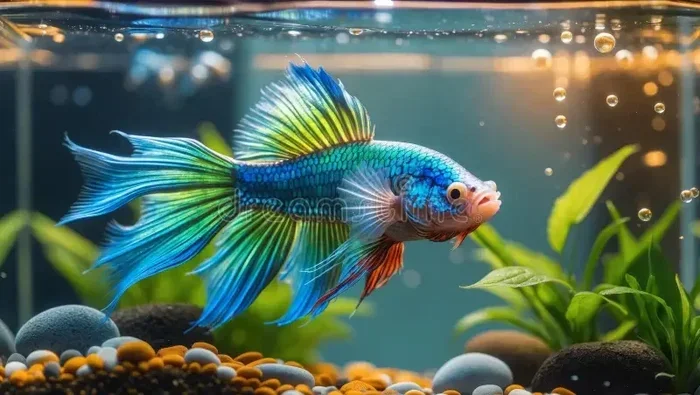
Does a Betta Fish Need a Filtered Tank for Healthy Living

Does a betta fish need a filtered tank? While bettas can survive in still water, a filtered environment significantly improves their health and lifespan. Filtration removes harmful waste, keeps oxygen levels stable, and reduces maintenance stress. Choosing the right filter depends on tank size, flow strength, and your routine. We will walk through what works best and why.
Key Takeaways
- Filtration improves water quality: It removes waste, reduces toxins, and keeps the environment stable.
- Bettas prefer calm water: Strong currents stress them, so gentle flow is essential.
- Tank size matters: Larger tanks benefit more from filtration, while tiny bowls often need frequent water changes.
- Choose the right filter type: Sponge filters, gentle hang-on-back filters, and internal filters work well for bettas.
- Maintenance still matters: Even with a filter, regular water changes and cleaning keep the tank healthy.
- Temperature and oxygen link to filtration: Proper setup supports warmth, oxygen, and overall fish comfort.
- Start simple and adjust: Begin with a low-flow setup, monitor your fish, and tweak as needed.
📑 Table of Contents
- Does a Betta Fish Need a Filtered Tank for Healthy Living
- Why Filtration Matters for Betta Fish
- Does a Betta Fish Need a Filtered Tank for Survival or Thriving
- Best Filter Types for Betta Fish
- Tank Size, Water Changes, and Filtration
- Common Mistakes When Using Filters with Bettas
- How to Set Up a Gentle, Healthy Filtered Tank
- Final Thoughts on Filtration and Betta Care
Does a Betta Fish Need a Filtered Tank for Healthy Living
If you are asking, does a betta fish need a filtered tank, you are not alone. Many new owners see small bowls and wonder if filtration is truly necessary. The short answer is that bettas can survive without a filter, but thriving is a different story. A good filter supports cleaner water, steadier conditions, and less daily effort.
In this guide, we will break down why filtration helps, which types work best, and how to avoid common mistakes. You will learn how to balance water flow, tank size, and maintenance so your fish stays comfortable and healthy.
Let us start with the basics and build from there.
Why Filtration Matters for Betta Fish
Bettas produce waste like any other fish. That waste breaks down into ammonia, which is harmful at high levels. In a small, still container, ammonia can build up quickly. A filter helps by moving water through a medium where beneficial bacteria can live. These bacteria convert waste into less harmful compounds. This process is often called the nitrogen cycle.
Filtration also helps keep oxygen levels steady. Bettas have a special organ called the labyrinth organ. It lets them breathe air from the surface. Even so, they still benefit from well-oxygenated water. Moving water at the surface helps gases exchange. That means your fish gets a healthier environment overall.
Another benefit is stability. Clean water with fewer spikes in toxins reduces stress. Less stress supports better color, stronger immunity, and more natural behavior. If you want your betta to live a longer, happier life, a filter is a smart choice.
Here are the main reasons filtration helps:
- Waste control: It traps debris and supports bacteria that process ammonia.
- Oxygen support: Surface movement improves gas exchange.
- Water stability: Fewer sudden changes mean less stress for your fish.
- Less frequent water changes: A filter can reduce how often you need to replace water, though you still need regular care.
The Role of Beneficial Bacteria
A filter is not just a mechanical cleaner. It also provides surface area for beneficial bacteria. These tiny organisms live on filter media and other hard surfaces. They help turn harmful ammonia into nitrite, then into nitrate. Nitrate is less toxic, but it still needs management through water changes.
When you set up a new tank, these bacteria need time to grow. This is often called cycling a tank. During this period, you should monitor water parameters closely. Patience here pays off with a safer home for your betta.
Flow Rate and Betta Comfort
Bettas come from calm waters in the wild. They do not like strong currents. If the flow is too powerful, your fish may struggle to swim or hide. That can cause stress and exhaustion. The goal is gentle movement, not a rushing river.
You can reduce flow by adjusting the filter output, using a spray bar, or pointing the outlet toward the glass. A sponge filter is also a great option because it creates mild bubbles and very gentle circulation.
Does a Betta Fish Need a Filtered Tank for Survival or Thriving
This is where many people get confused. A betta can survive in a small, unfiltered bowl for a while. Survival is possible with very frequent water changes and careful feeding. But surviving is not the same as thriving. In a filtered tank, water quality stays more consistent. That consistency supports better long-term health.
Think of it this way: a filter is like a helper that works around the clock. It does not replace care, but it makes care easier. You still need to test water, change it when needed, and keep the tank clean. The difference is that a filter reduces the workload and helps prevent sudden problems.
If you keep a betta in a tiny container without filtration, you must be extra careful. Small volumes of water change temperature and chemistry quickly. One overfeeding or one missed cleaning can cause a fast decline. A larger, filtered setup gives you more buffer and more stability.
Small Tanks Versus Larger Tanks
Tank size changes everything. In a very small setup, waste concentrates quickly. A filter can help, but the water volume is still limited. In a larger tank, the same amount of waste is more diluted. That makes filtration more effective and water parameters easier to manage.
If you are choosing between a small bowl and a larger tank, the larger option usually wins. More water means more stability. More stability means less stress. If you pair a larger tank with a gentle filter, you create a much better home.
When a Filter May Not Be Necessary
There are a few situations where a filter might not be the best first choice. For example, if you are temporarily housing a fish while setting up a proper tank, a short-term unfiltered container may be okay with careful monitoring. Also, some people use very shallow, wide containers with frequent water changes for short periods.
Even then, the goal should be to move toward a more stable setup. Long-term, a filter is usually the better path for health and ease.
Best Filter Types for Betta Fish
Not all filters are equal for bettas. The best choice gives you clean water without creating a strong current. Here are some common options and what to expect from each.
Sponge Filters
Sponge filters are a favorite for betta tanks. They use an air pump to push water through a sponge. The sponge traps debris and hosts beneficial bacteria. The flow is usually mild, which bettas appreciate. They are also simple to clean and affordable.
One thing to remember is that sponge filters need an air pump. Make sure the pump is quiet and sized appropriately for your tank. Clean the sponge regularly, but do it in old tank water so you do not wash away too many beneficial bacteria.
Hang-On-Back Filters
Hang-on-back filters are common in many home aquariums. They hang on the rim and pull water through a cartridge. These filters are easy to use and often come with adjustable flow. For bettas, choose one with a gentle setting or add a baffle to reduce current.
These filters are good for small to medium tanks. They are convenient because media is easy to replace or rinse. Just avoid overly powerful models that create too much surface agitation or strong flow.
Internal Filters
Internal filters sit inside the water. They are compact and useful for smaller tanks. Some models have adjustable flow, which helps you tailor the current. They can be a good middle ground if you want more filtration without taking up much space.
Keep an eye on noise and maintenance. Some internal filters can be a bit loud if they are not positioned well. Rinse media in tank water during water changes to keep the filter healthy.
Canister and Other Options
Canister filters are powerful and great for larger tanks. They are usually more than a betta needs in a small setup. If you have a bigger tank with more fish or plants, a canister can work well. For a single betta, a simpler filter is often enough.
The key is to match the filter to the tank size and the fish’s needs. More power is not always better. Gentle, reliable filtration usually wins for bettas.
Tank Size, Water Changes, and Filtration
Filtration and tank size work together. A filter cannot fix a tank that is too small for the amount of waste produced. If the tank is tiny, toxins build up fast, even with a filter. That is why many experts recommend a larger setup for bettas.
In a larger tank, water changes are still important, but they may be less frequent. You will still need to remove nitrate over time. A filter helps, but it does not eliminate maintenance. Think of it as a tool that supports your routine, not a replacement for it.
Here is a simple way to think about the balance:
- Small tank: More frequent water changes, careful feeding, and close monitoring.
- Medium tank: Moderate water changes, steady filtration, and easier stability.
- Larger tank: Better dilution of waste, more forgiving parameters, and still regular care.
How Often to Change Water
The right schedule depends on your tank, filter, and feeding habits. In many setups, a partial water change every week or two is a good starting point. Test your water regularly to see how fast nitrate rises. If nitrate climbs quickly, increase the frequency.
When you change water, use treated water that matches the tank temperature closely. Sudden temperature swings can stress your fish. Also, vacuum the substrate gently to remove leftover food and debris.
Signs Your Setup Needs Adjustment
Watch your betta for clues. If it stays near the surface all the time, hides constantly, or seems tired, something may be off. Cloudy water, algae bursts, or a strong odor can also signal a problem. These signs do not always mean the filter is wrong, but they do mean you should review your setup and care routine.
Sometimes the fix is simple. You may need to reduce flow, clean the filter media, or increase water changes. Other times, you may need a bigger tank or a different filter type.
Common Mistakes When Using Filters with Bettas
Even with a filter, things can go wrong if the setup is not right. Here are some common mistakes and how to avoid them.
Too Much Flow
A strong current is one of the biggest issues. Bettas prefer calm water. If your fish is fighting the flow, lower it. Adjust the output, add a baffle, or switch to a gentler filter. Comfort matters just as much as cleanliness.
Overcleaning the Filter
It is tempting to scrub everything clean, but that can remove beneficial bacteria. Rinse media in old tank water during water changes. Replace only part of the media at a time if needed. This helps keep the biological balance steady.
Ignoring Tank Size
A filter cannot make a tiny tank perfect. If the water volume is too small, toxins still rise quickly. Choose a tank that gives your betta enough space and stability. A larger setup with gentle filtration is usually easier to manage.
Skipping Water Testing
Filters help, but they do not guarantee perfect water. Testing tells you what is really happening. Check ammonia, nitrite, and nitrate regularly, especially in new tanks. Testing helps you catch problems early.
Overfeeding
Extra food becomes extra waste. That means more ammonia and more work for your filter. Feed small amounts your betta can finish quickly. Remove uneaten food if needed. This simple habit keeps water cleaner.
How to Set Up a Gentle, Healthy Filtered Tank
Setting up a filtered tank for a betta is straightforward if you keep a few principles in mind. Start with a tank that gives your fish enough room. Add a filter that moves water gently. Cycle the tank before adding your fish if possible. Then maintain a steady routine.
Here is a simple step-by-step approach:
- Choose the tank: Pick a size that offers stability and comfort.
- Pick a gentle filter: Sponge filters, low-flow hang-on-back filters, or adjustable internal filters are good options.
- Add substrate and decor: Use smooth gravel or sand. Include plants or hiding spots if you like, but avoid sharp objects.
- Cycle the tank: Let beneficial bacteria establish before adding the fish.
- Add the betta: Introduce your fish slowly and monitor its behavior.
- Maintain regularly: Test water, change partial water, and clean the filter media in tank water.
Plants, Decor, and Flow
Live plants can help absorb some nutrients and add cover. They also make the tank look natural and calm. If you use plants, choose ones that fit your light and care level. Soft decorations give your betta places to rest without creating strong currents.
Keep the layout open enough for easy swimming. Bettas like to explore, but they also need quiet spots. A balanced setup supports both activity and rest.
Temperature and Comfort
Bettas prefer warm water. A stable temperature supports digestion, immunity, and overall comfort. If you use a filter, make sure it does not cool the water too much or create uneven temperatures. A heater may be helpful in many setups, especially if the room runs cool.
You can learn more about warmth and setup choices in our guide on do betta fish bowls need a heater. Temperature and filtration work together to create a comfortable home.
Water Source and Preparation
The water you use matters a lot. Tap water often contains chlorine or chloramine, which can harm fish. Treat it properly before adding it to the tank. If you are wondering about using tap water safely, see our article on can you use tap water in a betta fish tank.
Some people consider bottled, distilled, or purified water. Each option has trade-offs. For example, distilled water may lack minerals, while some bottled waters can be inconsistent. If you want to compare options, read can you put bottled water in a betta fish tank and can you put distilled water in a betta fish tank.
Final Thoughts on Filtration and Betta Care
So, does a betta fish need a filtered tank? A filter is not the only way to keep a betta alive, but it is one of the best tools for helping your fish thrive. It supports cleaner water, steadier conditions, and easier maintenance. The trick is to choose a gentle filter, pair it with a suitable tank size, and keep up with regular care.
If you are just starting out, keep it simple. Pick a calm filter, test your water, and make small adjustments as you learn. Your betta will reward you with better color, more activity, and a healthier life.
For more on filtration choices, you may also find our article on can you use a filter in a betta fish tank helpful. It covers practical setup ideas and common questions.
A good tank setup is about balance. Clean water, calm flow, stable temperature, and regular care all work together. When those pieces fit, your betta gets the healthy home it deserves.
Frequently Asked Questions
Does a betta fish need a filtered tank to survive?
A betta can survive without a filter if you change the water frequently and keep the container very clean. However, a filtered tank usually provides better water quality and less stress. For long-term health, filtration is a strong advantage.
What kind of filter is best for a betta fish?
Gentle filters work best, such as sponge filters or low-flow hang-on-back filters. The goal is clean water without a strong current. Adjustable internal filters can also work if the flow is kept mild.
Can a filter make the water too rough for a betta?
Yes, if the flow is too strong, it can stress your betta and make swimming difficult. You can reduce the current by adjusting the output or using a baffle. A calm setup is usually better for comfort.
Do I still need water changes if I use a filter?
Yes, water changes are still important because filters do not remove all nitrate and debris. Partial changes help keep water fresh and balanced. Testing your water tells you how often to change it.
Is a bigger tank better for a betta with a filter?
Usually, yes. A larger tank gives waste more room to dilute and makes water parameters more stable. That makes filtration more effective and care easier overall.
How do I know if my betta is stressed by the filter?
Signs can include hiding a lot, struggling against the current, or staying in one spot. If you see these signs, lower the flow or check the setup. A comfortable betta usually swims and explores more calmly.