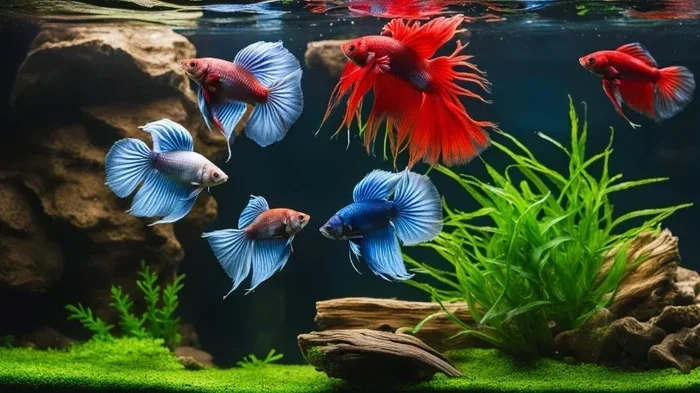
Can You Have 2 Betta Fish Together in the Same Tank

Can you have 2 betta fish together? The short answer is yes, but only under very specific conditions. Male bettas must stay in separate tanks to avoid fighting. Female bettas can sometimes share a large tank if you follow proper group rules. Always research tank size, hiding spots, and water quality before adding another fish.
Key Takeaways
- Male bettas cannot share a tank: Two males will fight, so keep them in separate aquariums.
- Female sororities work with care: You can keep multiple females together in a large, well-planted tank.
- Tank size matters: A bigger tank reduces stress and gives each fish enough territory.
- Watch for aggression signs: Flaring, chasing, and fin damage mean you must separate the fish.
- Add tank mates carefully: Some peaceful species can live with bettas, but always test compatibility first.
- Maintain clean water: Good filtration and regular water changes keep stress low and health high.
- Plan for emergencies: Keep a backup tank ready in case you need to separate fish quickly.
📑 Table of Contents
- Can You Have 2 Betta Fish Together in the Same Tank?
- Understanding Betta Fish Behavior and Aggression
- Can You Have 2 Betta Fish Together Safely?
- Tank Size and Setup Matter More Than You Think
- Signs Your Bettas Are Not Getting Along
- Choosing Safe Tank Mates for Bettas
- Water Quality, Stress, and Long-Term Care
- Final Thoughts on Keeping More Than One Betta
Can You Have 2 Betta Fish Together in the Same Tank?
Many new fish keepers ask one simple question right away: can you have 2 betta fish together in the same aquarium? It is a great question because bettas are famous for their bright colors and bold personalities. They also have a reputation for being aggressive toward other fish. This reputation makes people wonder if sharing a tank is ever safe.
The truth is that bettas can live with other fish in some cases, but you must follow clear rules. You cannot just drop two bettas into a small bowl and hope for peace. You need the right tank size, the right setup, and the right fish. This guide will walk you through everything you need to know so you can make a smart choice for your aquarium.
Understanding Betta Fish Behavior and Aggression
Bettas are not just pretty fish. They are also territorial fish with strong instincts. In the wild, they live in shallow waters like rice paddies, slow streams, and flooded fields. These spaces give them room to spread out and avoid each other. In a home tank, the space is much smaller, so boundaries matter a lot more.
Male bettas are the most famous for aggression. They often flare their gills, spread their fins, and chase other males. This behavior is natural, but it can turn dangerous in a small tank. Females can also show aggression, especially when they first meet. However, females usually fight less than males when the group is balanced and the tank is large enough.
Why Male Bettas Fight So Much
Male bettas defend their space to protect their resources and, in the wild, their nests. When another male enters their area, they see a threat. In a home aquarium, that threat can lead to constant chasing and biting. This is why two male bettas in one tank is usually a bad idea unless you use a very specific divider setup.
Even if the fish look calm at first, stress can build over time. A male may act relaxed during the first hour, then start guarding one corner of the tank later. That is why you should never judge compatibility by a short test alone. You need to watch the fish over several days and be ready to act fast.
Do Female Bettas Fight Too?
Female bettas can fight, but their behavior is often different. They may still flare, chase, and nip at each other. Still, many keepers successfully keep a group of females together when the setup is right. This is often called a female betta sorority. It can work, but it is not automatic. You need enough space, enough hiding places, and a careful introduction process.
A sorority is usually more stable when all the fish are added at the same time. Adding one female first and then another later can create territory problems. The first fish may claim the whole tank and reject the newcomer. If you plan to keep multiple females, think of it as a group project, not a one-fish decision.
Can You Have 2 Betta Fish Together Safely?
This is the big question: can you have 2 betta fish together without hurting them? The safest answer depends on the sex of the fish and the setup you use. If you want two males, the safest choice is separate tanks. If you want two females, a large community-style tank can work with planning. If you want a male and a female, the answer is more temporary and more delicate.
A good rule is to think about risk before you buy anything. Betta fish are not cheap to replace, and injuries can lead to infection. It is better to plan a setup that lowers stress from the start. That means choosing the right tank, the right decorations, and the right tank mates.
Male and Male: Why Separate Tanks Work Best
Two males should not share the same open tank. The risk of fighting is too high, and the damage can be serious. Even if a tank looks big, males may still divide it into zones and guard them tightly. If you really want to keep two males, use a tank divider or two separate aquariums.
A divider can work if the tank is large enough and both sides have good water flow. Each side should have its own hiding spots and swimming space. Still, this setup is not the same as full separation. If you see constant stress, glass surfing, or repeated flaring, it may be time to move one fish to a new tank.
Female and Female: When a Sorority Can Work
A group of females can live together if the tank is spacious and the environment is rich. A bare tank with nowhere to hide is a recipe for trouble. A planted tank with rocks, caves, and visual breaks gives each fish a chance to escape tension. This does not guarantee peace, but it improves the odds.
Many keepers start with an odd number of females rather than a pair. A group can spread out the attention and reduce the chance that one fish gets bullied all the time. That said, every group is different. Some females are calm, while others are very bold. You have to watch the personalities, not just the species.
Male and Female: Temporary Pairing Only
A male and a female can sometimes be kept together for short periods, especially during breeding plans. This is not the same as a permanent community setup. Even then, you must watch closely because males may still harass females. If the female is not interested in breeding, the male may chase her constantly.
If you ever consider this arrangement, make sure the tank has plenty of cover. The female should be able to hide and rest. If she looks thin, pale, or stressed, separate her right away. Breeding should be a planned event, not a permanent living situation.
Tank Size and Setup Matter More Than You Think
When people ask can you have 2 betta fish together, they often focus on the fish and forget the tank. The tank is the real foundation of success. A small bowl or tiny tank makes every problem worse. It limits movement, raises stress, and leaves nowhere to escape. A larger tank gives fish more choices and more peace.
A bigger tank also helps with water stability. Small volumes of water change temperature and chemistry quickly. That can weaken a fish’s immune system over time. A larger aquarium is easier to keep steady, which supports better health for all fish in the setup.
Minimum Tank Size for Multiple Bettas
There is no single perfect number for every situation, but small tanks are usually a poor choice for multiple bettas. If you want to keep a sorority or add tank mates, you need more swimming room and more hiding space. A cramped tank makes it harder to create separate zones. It also makes it harder to reduce aggression.
Think of the tank as a neighborhood, not just a container. If the neighborhood is too small, everyone bumps into each other. If it is larger and well arranged, fish can choose where to spend their time. That choice matters a lot for bettas because they like control over their space.
Plants, Hiding Spots, and Visual Barriers
Good decoration is not just for looks. Live plants, smooth rocks, driftwood, and caves can break up lines of sight. When fish cannot see each other all the time, tension often drops. This is especially helpful when you are trying to keep more than one betta in the same aquarium.
You should also avoid sharp decorations that can tear fins. Betta fins are beautiful, but they are delicate. A torn fin can lead to infection if the water is not clean. Choose smooth materials and check the setup from the fish’s point of view. If a corner looks like a trap, it probably is.
Signs Your Bettas Are Not Getting Along
Even with a great setup, problems can still happen. You need to know the warning signs early. Some conflict is normal at first, but constant aggression is not. If you learn to read the fish’s body language, you can act before injuries happen.
Watch for repeated flaring, chasing, hiding, loss of appetite, and torn fins. Also pay attention to behavior changes. A fish that used to explore may suddenly stay in one corner. That can mean stress, not just personality.
Normal Introduction Behavior vs. Real Fighting
When new fish meet, there is usually some posturing. They may flare, circle, or test boundaries. That can be normal during the first few days. The problem starts when the behavior never settles down. If one fish is always the target, the setup is not working.
A short flare now and then is different from nonstop attacks. If the fish are always on top of each other, you need to separate them. It is better to interrupt the problem early than to wait for visible damage.
When to Separate Fish Immediately
You should separate fish if you see open wounds, missing fin tissue, or a fish that cannot get food. You should also separate them if one fish looks exhausted from chasing. Stress can weaken a fish quickly, especially in a small tank. A backup tank or temporary container can save a life.
If you separate a fish, keep water conditions stable in both places. Moving can be stressful, so handle the fish gently and avoid sudden changes. After separation, watch the remaining fish too. Sometimes the removal of one aggressor improves the whole tank.
Choosing Safe Tank Mates for Bettas
Bettas do not always need to live alone, but their tank mates must be chosen carefully. Some fish are too fast, too nippy, or too bold. Others are peaceful and stay out of the betta’s way. The best tank mates are usually calm, simple, and not flashy enough to trigger rivalry.
Before adding any companion fish, think about temperament and size. A fish that is too small may be seen as food. A fish that is too aggressive may cause constant stress. You want a neighbor, not a challenger.
Good Options and Risky Choices
Some keepers have success with peaceful bottom dwellers or small schooling fish that stay in open groups. These fish may ignore the betta and keep to their own areas. Other species are riskier because they nip fins or invade personal space. Bright, flowing fins on other fish can also trigger interest from a betta.
If you want to explore companion fish, start with a simple setup and observe carefully. It is easier to add a fish than to fix a bad mix later. For more guidance on safe combinations, you can read about can you put betta fish together with other fish. That can help you think through compatibility before you make changes.
Snails, Shrimp, and Other Quiet Companions
Some people like adding snails because they are slow and usually stay out of the way. Shrimp can also work in some tanks, but they may be at risk if the betta sees them as food. Every tank is different, so there is no universal guarantee. A quiet companion is not always safe if the betta is especially hungry or territorial.
If you want to try snails, make sure the tank is cycled and stable first. If you want to try shrimp, provide lots of plants and hiding spots. For more details on one common option, you can check can you put snails and betta fish together. This kind of research helps you avoid surprises after you add new animals.
Water Quality, Stress, and Long-Term Care
Good water quality is one of the biggest secrets to keeping bettas healthy. Clean water does not stop aggression by itself, but it lowers stress and helps fish recover from challenges. Poor water does the opposite. It can make fish more irritable, weaker, and more likely to get sick.
You should test the water regularly and do consistent maintenance. Do not wait until the tank looks dirty. By then, the water may already be stressful. A stable routine is better than a dramatic cleanup once in a while.
Filtration and Gentle Flow
Bettas prefer calm water more than strong currents. A filter is helpful, but the flow should not push them around. If the current is too strong, the fish may struggle to rest. That can add stress to an already busy tank, especially if there is more than one fish in the setup.
If your filter is too powerful, you can adjust the output or use a gentler filter style. The goal is clear water without a rough ride. A comfortable environment helps fish behave more naturally and reduces wasted energy.
Routine Maintenance for a Peaceful Tank
A simple maintenance routine supports long-term success. Vacuum the substrate lightly, replace water on a regular schedule, and clean filter media in old tank water instead of tap water. This helps preserve beneficial bacteria while keeping the system healthy. Stability matters as much as cleanliness.
Also watch the temperature and make sure it stays in a range that suits your fish. Sudden swings can shock fish and make them more vulnerable. A steady tank is easier on everyone, including you.
Quick Tips for Success
- Start with a larger tank so fish have room to spread out.
- Add plants and decorations to break up sightlines and create hiding spots.
- Introduce fish carefully and watch behavior for several days.
- Keep a backup plan ready in case you need to separate fish.
- Maintain clean, stable water to reduce stress and support health.
Common Mistakes to Avoid
- Putting two males in one open tank and hoping they will share.
- Using a tiny tank that leaves no room for escape or territory.
- Adding new fish one at a time without thinking about territory balance.
- Ignoring early warning signs like constant chasing or fin damage.
- Overcleaning or undercleaning and creating unstable water conditions.
Expert Insights
Experienced keepers usually say the same thing: plan for the worst and hope for the best. Betta personality matters a lot, and not every fish will fit every setup. Some are calm and tolerant, while others are intense and defensive. That means observation is just as important as equipment.
Another useful insight is that a “successful” tank is not one with zero conflict. It is one where conflict stays manageable and no fish is under constant pressure. If you keep that goal in mind, you will make better decisions about tank mates, tank size, and daily care.
Final Thoughts on Keeping More Than One Betta
So, can you have 2 betta fish together? Sometimes yes, but only when the situation is carefully managed. Two males should usually live apart. Females can sometimes share a large, well-decorated tank. A male and female can be paired for short, planned purposes, but not as a default forever. The tank size, layout, and water quality all affect the outcome.
If you want the best chance of success, slow down and think through the setup before you add another fish. Watch the behavior, keep the water stable, and be ready to separate fish if needed. With the right approach, you can create a safer and calmer home for your bettas.
Frequently Asked Questions
Can you have 2 betta fish together in one tank?
You can sometimes keep two bettas together, but it depends on their sex and the tank setup. Two males should usually stay in separate tanks because they are likely to fight. Females may share a larger tank if the environment has enough space and hiding places.
Can two female betta fish live together?
Yes, multiple females can sometimes live together in a spacious, well-planted tank. This works best when the group is introduced carefully and has plenty of places to hide. You still need to watch for bullying because some females are more aggressive than others.
Can a male and female betta fish share a tank?
A male and female can be kept together for short, planned periods, but this is not ideal for long-term housing. The male may chase the female if she is not ready to breed. If she shows stress or hides all the time, you should separate them.
What is the best tank size for more than one betta?
A larger tank is always better when you want more than one betta in the same setup. More space helps reduce territory disputes and gives fish room to avoid each other. A small tank makes aggression worse and increases stress for everyone.
How do I know if my betta fish are fighting?
Fighting signs include constant chasing, repeated flaring, torn fins, and one fish hiding all the time. Some posturing is normal at first, but ongoing attacks are not. If one fish is always the target, separate them quickly.
Can betta fish live with other species safely?
Bettas can live with some peaceful tank mates, but not all fish are safe companions. Calm species that do not nip fins or invade space are usually better choices. Always test compatibility slowly and be ready to remove any fish that causes trouble.