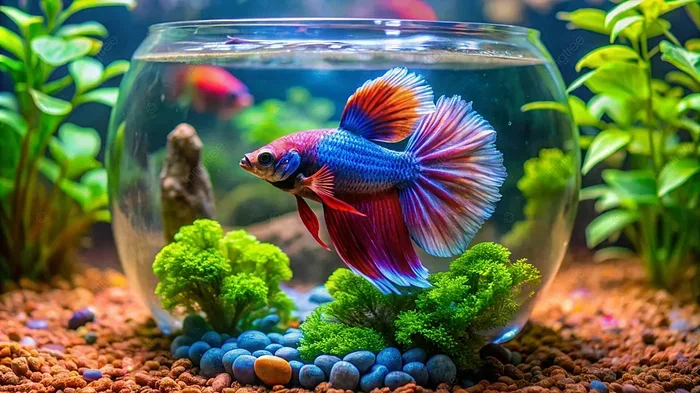
What Fish Can Live With Female Bettas For A Happy Tank

Finding the right tank mates is essential for a peaceful aquarium. Female bettas are often more social than males, but they still need careful pairing. This guide explains what fish can live with female bettas and how to set up a thriving community tank. You will learn about compatible species, tank requirements, and common mistakes to avoid.
Many aquarium owners wonder what fish can live with female bettas without causing stress or fighting. The good news is that female bettas are often more tolerant than males. They can thrive in a community tank when you choose the right companions. The key is understanding their personality, space needs, and water preferences.
A peaceful tank starts with smart planning. You need to match temperament, size, and swimming habits. Fast, flashy, or fin-nipping fish can trigger aggression. Quiet, calm species usually work much better. This guide walks you through the best options and the setup steps that keep everyone happy.
Key Takeaways
- Female bettas are more social: They often tolerate tank mates better than males when given proper space.
- Choose peaceful species: Look for calm, non-aggressive fish that won’t trigger territorial behavior.
- Tank size matters: A 20-gallon tank or larger gives everyone enough room to swim comfortably.
- Watch water parameters: Stable temperature, pH, and filtration keep all fish healthy and stress-free.
- Add hiding spots: Plants, rocks, and decorations reduce conflict and give shy fish places to retreat.
- Introduce tank mates slowly: Quarantine new fish and add them gradually to prevent stress and disease.
- Monitor behavior daily: Quick action prevents bullying and keeps your community tank balanced.
📑 Table of Contents
Understanding Female Betta Behavior
Female bettas have a different social style than males. They are less prone to solo guarding, but they still claim territory. You will see them flare, chase, or hide when they feel crowded or threatened. That is why tank mates must respect their space.
Temperament Traits to Know
Female bettas often form loose groups called sororities, but these setups require careful management. In a mixed tank, they usually focus on their own zone. They ignore calm bottom dwellers and slow swimmers most of the time. They react poorly to fast movement or bright, aggressive fish.
Signs of Stress or Aggression
Watch for fin clamping, hiding, loss of color, or constant chasing. These signals mean the tank is too crowded or the wrong species are present. Quick changes help. You can add plants, rearrange decorations, or separate aggressive fish.
Best Tank Mates for Female Bettas
When asking what fish can live with female bettas, you want species that share similar water needs and a calm nature. The best companions stay out of the betta’s face and occupy different tank levels. Here are the most reliable choices.
Peaceful Bottom Dwellers
Bottom dwellers work well because they spend most of their time near the substrate. They rarely compete for the same space. Good options include:
- Corydoras catfish: Gentle, social, and great for sandy bottoms.
- Small loaches: Peaceful and active without being disruptive.
- Snails: Excellent algae cleaners that stay out of the way.
These species leave the middle and top water columns open for your betta. They also help keep the tank clean.
Calm Mid-Water Fish
Some small, peaceful fish can share the middle zone if they are not too flashy. Look for species that swim slowly and avoid sudden bursts. Many hobbyists ask can female betta live with other fish like tetras or rasboras. The answer is often yes, if the group is large enough and the tank is spacious.
Schooling fish feel safer in numbers, which reduces nervous chasing. A calm school can create a beautiful, balanced tank. Just avoid species that nip fins or dart aggressively.
Invertebrates and Cleanup Crew
Shrimp and snails are popular additions. They are small, quiet, and useful. Many keepers wonder can female betta fish live with shrimp, and the answer is usually yes with some cover. Plants and moss give shrimp a safe place to hide. Snails are even easier, since they move slowly and rarely provoke aggression.
Tank Setup for a Community With Female Bettas
A successful community tank depends on more than species choice. You need the right size, filtration, and layout. This section explains how to build a stable environment.
Tank Size and Space Requirements
Small tanks create tension fast. A 20-gallon tank is a solid starting point for a community. It gives your betta room to claim a zone while other fish use the rest of the water column. Larger tanks are even better because they dilute waste and reduce conflict.
If you want to keep multiple females together, you need extra space and careful planning. Many readers ask can female betta fish live with each other, and the answer is sometimes yes in a large, well-planted tank. Even then, you must monitor them closely.
Water Parameters and Filtration
Female bettas prefer warm, clean water. Aim for stable temperatures around 78 to 80 degrees Fahrenheit. Keep pH in a neutral to slightly acidic range if possible. Good filtration matters, but avoid strong currents that stress bettas.
Regular water changes keep ammonia and nitrites low. Healthy water reduces stress, which lowers aggression. A calm fish is much more likely to share the tank peacefully.
Plants, Hiding Spots, and Layout
A planted tank is one of the best tools for harmony. Live plants soften sightlines and break up lines of sight. That means fewer flare-ups. Use a mix of tall plants, broad leaves, and ground cover.
Add caves, driftwood, and smooth rocks for shelter. These features help shy tank mates feel secure. They also give your betta places to rest. A well-structured tank looks beautiful and works better for everyone.
How to Introduce New Tank Mates Safely
Adding new fish the wrong way can cause trouble. A slow, careful process helps everyone adjust. This section shows a simple method that reduces shock and conflict.
Quarantine and Health Checks
Always quarantine new fish before adding them to your main tank. This step prevents disease from spreading. Observe new arrivals for signs of spots, frayed fins, or unusual behavior. Healthy fish adapt faster and cause fewer problems.
Slow Acclimation and First Days
Float the bag to match temperature, then mix tank water gradually. Move the new fish in gently. Turn off the lights for a few hours if possible. Dim lighting helps reduce stress during the first day.
Watch the tank closely after introduction. Some chasing is normal as fish settle in. Persistent aggression is not. If you see constant chasing or hiding, be ready to intervene.
Monitoring and Adjusting the Tank
Check the tank daily for the first week. Look for feeding issues, damaged fins, or fish stuck in corners. If tension rises, add more plants or rearrange decorations. Sometimes a small layout change resets territorial behavior.
Common Mistakes to Avoid
Even experienced keepers make mistakes when building a community tank. Avoiding these pitfalls saves fish and frustration. Here are the most common issues.
- Overcrowding the tank: Too many fish create stress and poor water quality.
- Choosing fast or fin-nipping species: These fish can trigger constant chasing.
- Skipping quarantine: New fish can bring illness into the tank.
- Ignoring tank layout: Bare tanks increase aggression because fish see each other too easily.
- Adding too many fish at once: Big changes overwhelm the tank and the betta.
A careful approach prevents most problems. Start small, observe often, and adjust as needed.
Expert Tips for a Happy Community Tank
Successful community tanks come from patience and observation. These expert tips help you build a balanced setup that lasts.
Choose Compatible Species for Your Setup
Match fish to your tank size, filtration, and experience level. If you are new to community tanks, start with hardy, calm species. Many keepers ask can female betta live with other fish that are slightly more active. You can, but only if the tank is large enough and the fish are not aggressive.
Feed Strategically to Reduce Competition
Feed in different areas of the tank if needed. This helps slower fish get food without competing with bold eaters. A well-fed tank is a calmer tank. Hunger often increases tension.
Keep a Simple Maintenance Routine
Stick to a regular schedule for water changes, filter cleaning, and testing. Stable conditions support healthy fish and smoother interactions. A clean tank also makes it easier to spot problems early.
Watch, Learn, and Adapt
Every betta has a unique personality. Some are relaxed, while others are more territorial. Observe your fish and let their behavior guide your choices. If one fish struggles, change the setup before the problem grows.
Final Thoughts on What Fish Can Live With Female Bettas
Choosing what fish can live with female bettas comes down to temperament, space, and steady care. Female bettas can share a tank with the right companions when you give them room, cover, and calm neighbors. Peaceful bottom dwellers, gentle schooling fish, and useful invertebrates are often the best starting points.
A well-planned community tank is rewarding. It looks lively, supports natural behavior, and gives your betta a richer environment. Start with a proper tank size, add species carefully, and monitor the group closely. With the right setup, your female betta can thrive alongside compatible tank mates in a beautiful, balanced aquarium.
Frequently Asked Questions
What fish can live with female bettas in a small tank?
In a small tank, the safest choices are peaceful bottom dwellers like corydoras or quiet invertebrates such as snails. Small tanks leave little room for territory, so it is best to keep the community simple and avoid active or aggressive species.
Can female bettas live with other fish without fighting?
Yes, female bettas can live with other fish when the tank is large enough and the companions are calm. The key is choosing species that do not chase, nip fins, or compete for the same space.
Can female betta fish live with shrimp safely?
They often can, especially if you provide dense plants and hiding spots for the shrimp. Shrimp are small and quiet, but some may still be at risk, so cover and careful observation are important.
Can female betta fish live with snails in the same tank?
Yes, snails are usually excellent tank mates because they move slowly and stay out of the way. They also help clean up algae and leftover food, which supports a healthier tank environment.
Can female betta fish live with each other in one tank?
Sometimes they can, but only in a larger tank with plenty of plants and hiding places. Female groups can work, yet they still need close monitoring because personality differences can lead to chasing or stress.
What fish should I avoid putting with a female betta?
Avoid fin-nippers, highly aggressive fish, and species that are much faster or larger than your betta. Fish that constantly dart around or compete for the same zone can create ongoing stress and trigger aggression.