Can You Overfeed Betta Fish Signs And Safe Feeding Tips
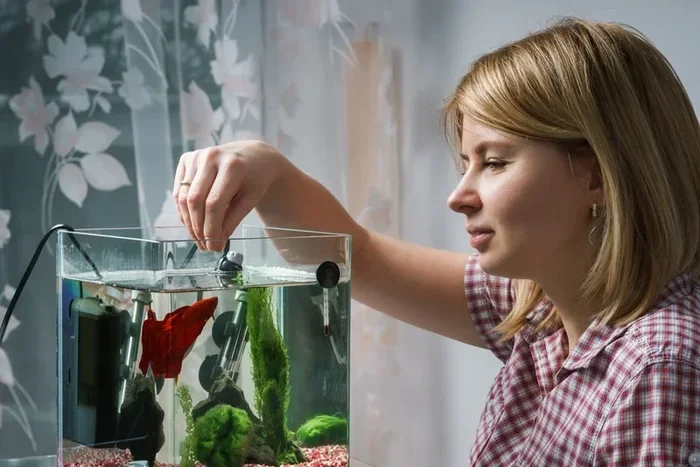
Yes, you can overfeed betta fish, and it is one of the most common mistakes new owners make. Overfeeding leads to bloating, poor water quality, and even fatal digestive problems. This guide reveals the early warning signs of overfeeding, explains exactly how much food your fish needs, and shares safe feeding routines that prevent health issues. You will also learn how to adjust portions based on age, tank setup, and activity level. By following these simple steps, you can keep your betta energetic, colorful, and living a longer, happier life.
Key Takeaways
- Yes, overfeeding is dangerous: Excess food causes bloating, constipation, and poor water quality that can quickly harm your betta.
- Feed small portions: A betta stomach is roughly the size of its eye, so tiny meals work best.
- Watch for warning signs: Bloating, lethargy, uneaten food, and cloudy water all signal feeding problems.
- Stick to a routine: Feed once or twice daily with occasional fasting days to support digestion.
- Adjust for life stage: Fry and growing bettas need more frequent meals, while adults require less.
- Clean up leftovers: Remove uneaten food within two minutes to protect water quality.
- Vary the diet: Rotate high-quality pellets, frozen treats, and occasional live foods for balanced nutrition.
📑 Table of Contents
Can You Overfeed Betta Fish? Understanding the Real Risk
Many new owners ask, can you overfeed betta fish without causing harm? The short answer is no. Bettas have small stomachs and slow digestion. When you give them too much food, the excess sits in their gut. This causes bloating and stress. It also pollutes the water. Uneaten flakes and pellets break down quickly. They release ammonia and nitrates. Your filter works harder. The water turns cloudy. Your fish breathes in toxins. All of this happens fast in small tanks.
Overfeeding is not just about the fish. It is about the whole environment. A betta lives in a limited space. Waste builds up quickly. Good water quality keeps your fish healthy. Bad water quality causes disease. That is why portion control matters so much. You do not need to guess. You just need a simple routine. Watch your fish. Note how much it eats. Adjust as needed. This approach prevents most feeding problems before they start.
Bettas are also opportunistic eaters. In the wild, they hunt small insects and larvae. Food is not always available. Their bodies are built to handle feast and famine. In captivity, food is always there. That is why owners must step in. You become the regulator. You set the pace. This simple role protects your betta from digestive issues and keeps the tank clean.
Why Bettas Are Prone to Overeating
Bettas have a natural instinct to eat whenever food appears. They do not self-regulate well in tanks. Their stomachs are tiny. A single large meal can cause discomfort. Their digestive tract moves slowly. It takes time to process protein and fats. When you feed too much, the system gets overwhelmed. Gas builds up. The belly swells. Your fish swims less. It may hide near the bottom. These are early signals that something is wrong.
Water temperature also plays a role. Bettas thrive in warm water. Warm water speeds up metabolism. Cold water slows it down. If your tank is too cool, digestion takes longer. Food sits longer in the gut. This increases the risk of constipation. You must match feeding amounts to tank conditions. A stable, heated tank supports healthy digestion. A fluctuating tank creates stress. Stress weakens the immune system. A weak fish gets sick faster.
The Connection Between Overfeeding and Water Quality
Uneaten food is a major pollutant. It decays within hours. Bacteria break it down. This process uses oxygen. It also releases harmful compounds. Your betta needs clean, oxygenated water. Polluted water causes gill stress. It also triggers algae blooms. Algae competes for nutrients. It makes the tank look messy. It also hides debris. You might miss warning signs. Regular water changes help. But prevention is better. Feed less. Remove leftovers. Test your water often. These habits keep the environment stable.
Clear Signs You Are Overfeeding Your Betta
You can spot overfeeding early if you know what to watch for. Your fish gives you clues. The water gives you clues. The tank gives you clues. Pay attention to these signals. They tell you when to adjust portions. Catching problems early saves your fish from discomfort. It also saves you from costly tank repairs.
Physical Symptoms to Watch For
A swollen belly is the most obvious sign. Your betta may look round or puffy. The swelling often sits behind the ventral area. It may look like a small ball. This is not always fat. It is often undigested food or gas. Your fish may also swim awkwardly. It might struggle to stay upright. Some bettas sink to the bottom. Others float near the surface. Both behaviors show digestive stress.
Lethargy is another red flag. A healthy betta explores its tank. It flares, swims, and investigates. An overfed betta rests more. It hides among plants or decorations. It may ignore food when you offer it. This seems odd, but it happens. The fish feels full and uncomfortable. It does not want more food. Forcing more meals makes things worse. Give the digestive system time to reset.
Behavioral and Tank Warning Signs
Watch the feeding response. A hungry betta rushes to the surface. It follows your finger. It eats quickly. An overfed betta may swim away. It may nibble slowly. It may leave food behind. Leftovers sink to the bottom. They rot. You might see a dusty layer on the substrate. The water may turn slightly yellow or cloudy. These are clear signs that you are giving too much. Reduce portions. Remove waste. Observe changes over the next few days.
You should also check your filter. A clogged filter often points to excess waste. Debris builds up in the sponge. Water flow drops. Your betta gets less oxygen. This creates a cycle of stress. Clean the filter regularly. But also fix the root cause. Feed less. Your filter will run better. Your fish will breathe easier. The whole tank will feel more balanced.
How Much Should You Really Feed a Betta Fish?
Portion size confuses many owners. Some feed a pinch. Some feed a spoonful. Both are wrong. Bettas need very small meals. Their stomach is about the size of their eye. That is your guide. A few pellets or a small pinch of flakes is enough. You do not need to fill the tank. You just need to satisfy hunger.
The Eye-Size Rule Explained
The eye-size rule is simple. Look at your betta. Compare the stomach to the eye. The meal should not exceed that size. This keeps digestion smooth. It also prevents waste. You can split the meal into two feedings if you prefer. Morning and evening work well. Just keep each portion tiny. Your fish will process food faster. It will stay active. It will show brighter colors.
Do not rely on package instructions alone. Brands often suggest amounts that are too large. They aim for general cases. Your betta is an individual. Age, size, and activity level matter. A young betta needs more energy. An adult betta needs maintenance. A slow fish needs less. Adjust based on observation. This personalized approach works best.
Adjusting Portions for Age and Activity
Fry and juveniles grow fast. They need frequent meals. Small portions every few hours support development. Adults need less. Once growth slows, reduce frequency. Active bettas burn more energy. They may need slightly larger portions. Sedentary bettas need less. Watch movement. Watch body shape. Adjust as needed. This flexible method keeps your fish in good condition.
You should also consider tank mates. Some owners keep bettas with peaceful species. If you do, feeding becomes more complex. Other fish may steal food. Your betta may not get enough. Or the tank may get too much overall. Feed separately if possible. Use a feeding ring. This keeps portions controlled. It also reduces competition. Your betta eats in peace. The water stays cleaner.
Safe Feeding Tips for a Healthy Betta
Good feeding habits prevent most problems. You do not need complicated routines. You need consistency. You need observation. You need a few smart habits. These tips keep your betta healthy and your tank stable.
Create a Consistent Feeding Schedule
Pick a routine and stick to it. Feed at the same times each day. This trains your betta to expect meals. It also helps you track portions. A simple schedule works best. Once or twice daily is enough for most adults. Add a fasting day once a week if your fish is prone to bloating. Fasting gives the digestive system a break. It reduces constipation risk. It also mimics natural feeding patterns.
Keep a small log if you want. Note what you feed. Note how much. Note your fish response. Over time, you will see patterns. You will learn what works. This makes feeding easier. You will stop guessing. You will start knowing.
Choose the Right Foods
Quality matters. High-protein pellets work well for most bettas. Look for whole ingredients. Avoid fillers. Frozen foods add variety. Bloodworms and brine shrimp are popular choices. Live foods stimulate hunting behavior. They also provide enrichment. Just keep portions small. Treats should not replace staple food. Rotate types to balance nutrition. This keeps your betta interested and healthy.
You may also wonder about water conditioners and additives. Some owners ask, can you use Tetra Aquasafe for betta fish when preparing tank water. Yes, many keepers use trusted conditioners to remove chlorine and protect the slime coat. Clean, safe water supports digestion and overall health. Always follow product directions. Do not mix multiple additives unless needed. Simple routines work best.
Remove Uneaten Food Quickly
Leftovers cause problems fast. Remove food that sinks after two minutes. Use a small net or siphon. This prevents decay. It also keeps the substrate clean. Your betta will not nibble spoiled food. That is a good thing. Spoiled food causes stomach upset. It also spikes ammonia. Quick cleanup is a simple habit with big benefits.
If your betta consistently leaves food, reduce the portion. Do not keep offering more. Your fish is telling you something. Listen to it. Adjust the amount. Try again later. You will find the right balance. This trial-and-error process is normal. Every betta is different. Patience pays off.
Common Feeding Mistakes to Avoid
Even well-meaning owners make errors. Some mistakes are easy to fix. Others cause long-term issues. Avoid these common traps. Your betta will stay healthier. Your tank will stay cleaner.
Feeding Too Frequently
More meals do not mean a happier fish. Frequent feeding overwhelms digestion. It also clouds the water. Stick to a steady schedule. Give the gut time to process. If you travel or forget a meal, do not panic. Bettas handle short gaps well. Consistency matters more than perfection.
Using the Wrong Food Types
Some foods are too fatty or too large. Avoid human snacks. Avoid bread. Avoid oversized pellets. These cause choking or bloating. Pick betta-specific formulas. Soak hard pellets briefly if needed. This softens them. It makes digestion easier. Small changes like this improve comfort.
Ignoring Water Changes
Feeding and water care go together. Even perfect portions create some waste. Regular water changes remove toxins. They refresh minerals. They keep the tank stable. Aim for small, frequent changes. This is gentler than big overhauls. Your betta adapts better. Stress stays low. Health stays high.
Some owners also ask, can you overfeed your betta fish even with good intentions. The answer is yes, and it often happens when owners use too many treats or forget to remove leftovers. Balance is the goal. Variety is good. Excess is not. Keep treats rare. Keep portions small. Keep the tank clean.
Expert Insights on Betta Feeding and Digestion
Experienced keepers focus on observation. They do not chase perfect numbers. They watch behavior. They check body shape. They test water. They adjust slowly. This practical approach prevents most issues. It also builds confidence. You learn to read your fish. You learn what normal looks like. That knowledge is powerful.
How to Reset an Overfed Betta
If you suspect overfeeding, act calmly. Stop feeding for a day or two. Offer clean, warm water. Ensure the filter runs well. Watch for improvement. The belly should shrink. Activity should return. If swelling persists, check for constipation. A tiny drop of soaked fiber or a gentle fast often helps. Do not rush to medicate. Start with simple steps. Most mild cases resolve quickly.
Keep records during recovery. Note swimming patterns. Note appetite. Note water readings. This helps you spot trends. It also helps you avoid repeating mistakes. Recovery is easier when you stay consistent. Your betta responds well to steady care.
Long-Term Feeding Strategy
Think of feeding as a long-term habit. Rotate staple foods. Offer occasional treats. Keep portions modest. Maintain a clean tank. Test water regularly. These steps build resilience. A resilient fish fights off stress better. It also shows brighter colors. It lives longer. That is the real goal. You are not just feeding a fish. You are supporting a life.
You may also explore related care topics as you grow your knowledge. For example, some owners ask, can you use a filter in a betta fish tank to improve water circulation and reduce waste buildup. Others want to know, can you use tap water in a betta fish tank safely after proper conditioning. These questions connect directly to feeding success. Clean water and good flow support digestion. They also keep the environment stable. Learning these links helps you care for your betta with confidence.
Key Takeaways for Healthy Feeding
Healthy feeding is simple when you keep the basics in mind. Small portions prevent bloating. Regular schedules support digestion. Clean water reduces stress. Observation catches problems early. You do not need fancy tools. You need attention and consistency. Your betta will reward you with better color, better movement, and better health.
Remember the core question many owners ask: can you overfeed betta fish? Yes, and the effects show up quickly. But the solution is just as clear. Feed less. Clean more. Watch closely. Adjust as needed. This straightforward approach keeps your betta thriving. It also makes your hobby more enjoyable. You spend less time fixing problems. You spend more time enjoying your fish.
Start today. Measure portions. Set a schedule. Remove leftovers. Check water. Your betta will feel the difference. Small changes create big results. That is the secret to lasting care.