What Foods Can Betta Fish Eat
Betta fish thrive on a varied diet that mimics their natural meals. High‑quality pellets, frozen or live protein, and occasional vegetables provide essential nutrients, while over‑feeding and unsuitable foods can cause serious health issues.
Key Takeaways
- Balanced base: Choose a premium betta pellet or flake as the daily staple.
- Protein power: Supplement with live or frozen foods like daphnia, bloodworms, and brine shrimp.
- Vegetable variety: Offer soft veggies such as peas and zucchini for fiber.
- Avoid harmful foods: Never feed goldfish flakes, avocado, or anything high in fat.
- Portion control: Feed 2‑3 small meals per day; remove leftovers after five minutes.
- Seasonal treats: Rotate occasional treats to keep your betta interested and prevent boredom.
- Monitor health: Watch for signs of constipation, bloating, or discoloration as diet cues.
📑 Table of Contents
- Introduction: Why Diet Matters for Betta Fish
- 1. The Foundation: Commercial Betta Pellets and Flakes
- 2. Live and Frozen Treats: Adding Variety and Nutrition
- 3. Plant‑Based Additions: Fiber and Digestion Helpers
- 4. Foods to Avoid: Protecting Your Betta’s Health
- 5. Crafting a Weekly Feeding Schedule
- 6. Monitoring Health and Making Adjustments
- Conclusion: Feeding Your Betta for a Long, Colorful Life
Introduction: Why Diet Matters for Betta Fish
Betta fish, also known as Siamese fighting fish, are famous for their dazzling colors and feisty personalities. While their looks steal the show, it’s their diet that truly keeps them thriving. In the wild, bettas hunt tiny insects and larvae on the surface of slow‑moving streams. Replicating that natural menu in a home aquarium can be simple once you know what foods can betta fish eat and how to balance them.
Feeding the right foods does more than just fill a tiny belly. It supports vibrant coloration, strong fins, and a robust immune system. On the flip side, a poor diet can lead to faded colors, fin rot, and even life‑shortening diseases. Let’s dive into the world of betta nutrition, step by step, so you can serve up a menu your fish will love.
1. The Foundation: Commercial Betta Pellets and Flakes
Why pellets are the gold standard
High‑quality betta pellets are formulated to meet the exact protein, fat, and vitamin needs of these carnivorous fish. Look for products that list animal protein (like fish meal or shrimp) as the first ingredient and contain at least 30‑40% protein.
Visual guide about What Foods Can Betta Fish Eat
Image source: images.pexels.com
Choosing the right pellet
- Size matters: Pellets should be small enough for a betta’s tiny mouth—usually 1‑2 mm.
- Ingredient list: Avoid fillers such as wheat, soy, or excessive corn gluten.
- Added supplements: Some brands include color‑enhancing carotenoids or probiotics.
Feeding routine
Offer 2‑3 pellets per feeding, 2‑3 times a day. If the fish eats them within five minutes, you’re on track. Otherwise, remove the leftovers to keep the water clean.
2. Live and Frozen Treats: Adding Variety and Nutrition
Why protein boosters are essential
Betta fish are obligate carnivores; they need high‑quality animal protein for muscle growth and bright scales. Live or frozen foods provide that extra nutritional punch and mental stimulation.
Visual guide about What Foods Can Betta Fish Eat
Image source: upload.wikimedia.org
Top live options
- Daphnia: Tiny water fleas that are easy to digest and help clear parasites.
- Brine shrimp (nauplii): Rich in omega‑3 fatty acids; great for coloration.
- Bloodworms: A favorite, but offer in moderation due to high fat.
- Microworms: Excellent for tiny mouths; can be cultured at home.
Frozen alternatives
If live foods are hard to keep, frozen versions work just as well. Thaw them in a cup of tank water and rinse before feeding. Frozen foods retain most nutrients and have a longer shelf life.
Feeding tips
Limit treats to 1‑2 times per week. Over‑reliance on high‑fat items like bloodworms can cause constipation and bloating.
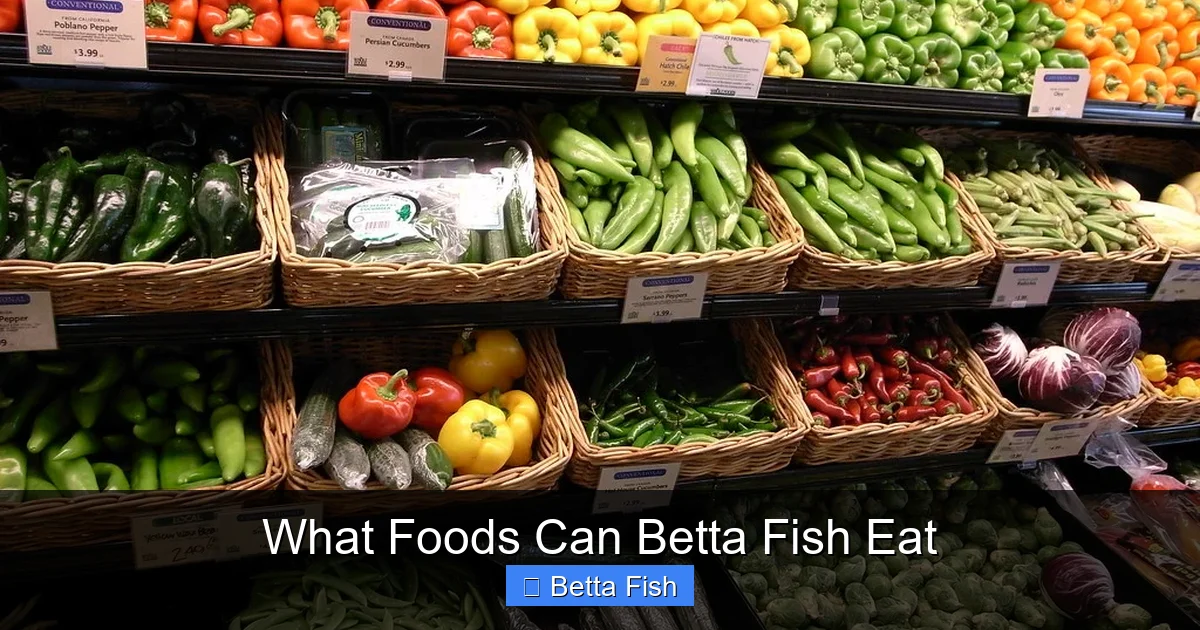
3. Plant‑Based Additions: Fiber and Digestion Helpers
The role of vegetables
While bettas don’t need large amounts of plant matter, a small portion of soft vegetables can aid digestion and prevent constipation—a common issue for captive bettas.
Visual guide about What Foods Can Betta Fish Eat
Image source: publicdomainpictures.net
Best veggies to try
- Peas: Blanch, remove the skin, and mash a tiny piece. Peas are a classic remedy for constipation.
- Zucchini: Soft, low‑fiber; slice thinly and offer a small piece.
- Spinach: Lightly wilted; a pinch provides vitamins without excess fiber.
How to serve
Steam or boil the vegetable until soft, then let it cool. Cut a piece no bigger than a pea and place it in the tank. Remove any uneaten bits after five minutes.
4. Foods to Avoid: Protecting Your Betta’s Health
Common mistakes
Many new owners think any fish food will do, but bettas have specific needs.
- Goldfish flakes: Too low in protein and high in plant matter; see why betta fish should not eat goldfish food.
- Avocado: Contains persin, which is toxic to fish.
- High‑fat treats: Excessive bloodworms or shrimp can lead to fatty liver disease.
- Human foods: Bread, cheese, and processed snacks have no nutritional value and can cloud water.
Signs of a bad diet
Watch for faded colors, ragged fins, bloating, or frequent drops in water quality. These are red flags that your feeding plan needs adjustment.
5. Crafting a Weekly Feeding Schedule
Sample plan
Below is a simple schedule you can copy and modify based on your fish’s appetite.
- Monday‑Wednesday‑Friday: Morning – 2‑3 pellets; Evening – 2‑3 pellets.
- Tuesday‑Thursday: Morning – 1‑2 pellets + a small piece of pea; Evening – 2‑3 pellets.
- Saturday: Morning – 1‑2 frozen brine shrimp; Evening – 2‑3 pellets.
- Sunday: Morning – 1‑2 live daphnia; Evening – 2‑3 pellets.
Adjusting for age and activity
Juvenile bettas eat more frequently (4‑5 small meals) while seniors may need fewer, larger meals to avoid waste.
6. Monitoring Health and Making Adjustments
Regular health checks
Take a quick look at your betta’s fins, color, and swimming behavior each feeding. A healthy betta will be active, display bright hues, and have smooth, intact fins.
When to tweak the diet
- Constipation: Add a peeled pea or increase the frequency of high‑fiber veggies.
- Weight loss: Offer more protein‑rich treats and ensure pellets are high‑quality.
- Cloudy water: Reduce over‑feeding and consider a water change; excess food decomposes quickly.
Useful resources
For a deeper dive into the basics of betta nutrition, read our comprehensive guide on what can betta fish eat. It covers the same principles and offers a handy checklist for daily feeding.
Conclusion: Feeding Your Betta for a Long, Colorful Life
Understanding what foods can betta fish eat is the cornerstone of responsible fish keeping. By providing a solid base of high‑quality pellets, supplementing with live or frozen protein, and adding occasional vegetable fiber, you give your betta the tools it needs to flaunt its colors and stay healthy.
Remember, a little variety goes a long way, and watching your fish’s response will guide you toward the perfect menu. Keep the water clean, avoid harmful foods, and enjoy watching your betta flourish—one tasty bite at a time.
Frequently Asked Questions
What is the best staple food for betta fish?
High‑quality betta pellets or flakes formulated for carnivorous fish are the best daily staple because they provide balanced protein, vitamins, and easy digestion.
Can I feed my betta live insects?
Yes, live foods like daphnia, brine shrimp, and microworms are excellent protein sources and stimulate natural hunting behavior.
How often should I feed my betta?
Feed 2‑3 small meals per day, offering only what the fish can eat in five minutes. Remove any uneaten food to keep the tank clean.
Are frozen foods safe for bettas?
Frozen foods are safe and convenient. Thaw them in tank water, rinse, and feed in small portions to prevent over‑feeding.
Why does my betta have bloated belly?
Bloating often results from over‑feeding or too many high‑fat treats. Reduce portions, add a peeled pea for fiber, and ensure you’re not feeding more than 2‑3 pellets per meal.
Can bettas eat goldfish flakes?
No, goldfish flakes lack the protein bettas need and can lead to malnutrition. Stick to betta‑specific pellets or the foods listed above.