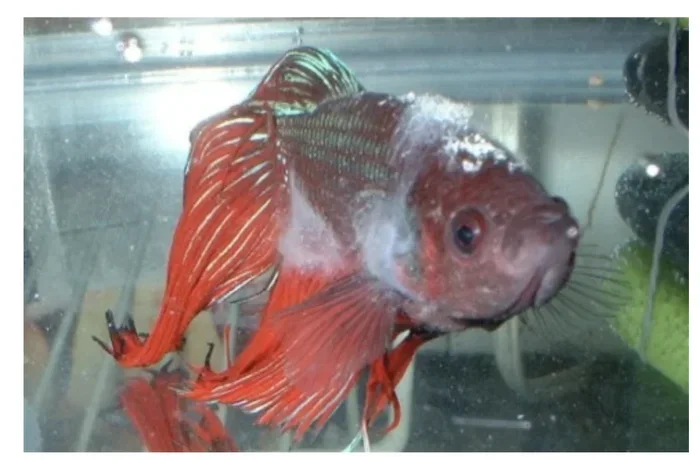
Should You Touch a Betta Fish
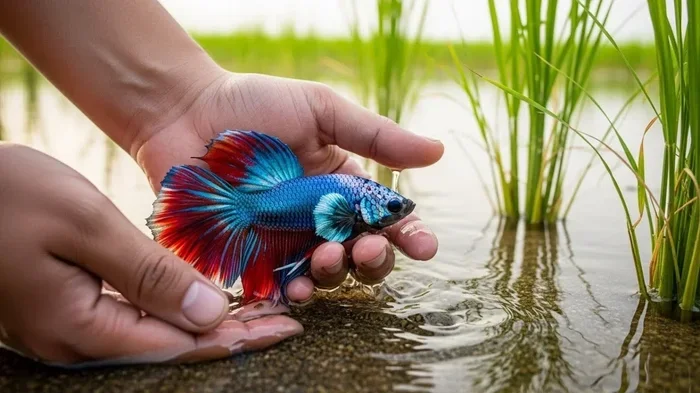
You should generally avoid touching a betta fish. Their delicate scales and protective slime coat can be damaged by human hands, oils, and chemicals. Touching a betta fish can cause stress, infections, and even death. This guide explains why handling betta fish is risky and what you can do instead to keep your fish healthy and happy.
Have you ever wanted to reach into your tank and pet your betta fish? It is a common thought among fish owners. Those flowing fins and bright colors make bettas look like they want to interact with us. But the real question is, should you touch a betta fish? The short answer is no. Touching a betta fish can cause serious harm. In this article, we will explore exactly why touching your betta is risky. We will also cover what you can do instead to bond with your fish safely.
Many new fish owners assume that because bettas are hardy, they can handle a little contact. That is a misconception. Betta fish may look tough, but their bodies are actually very fragile. The oils on human skin, the chemicals on our hands, and the simple act of grabbing can all lead to problems. Let us dive deep into the reasons you should keep your hands out of the tank.
Key Takeaways
- Avoid touching your betta fish: Their skin is sensitive, and oils from your hands can harm them.
- The slime coat is vital: It protects bettas from bacteria and infections.
- Stress from handling can shorten their lifespan: Betta fish are delicate creatures.
- Safer alternatives exist: You can interact with your betta without physical contact.
- Water quality matters more than touch: Clean water is the best way to care for your betta.
- Know when to seek help: If your betta seems unwell, consult a vet instead of handling it.
📑 Table of Contents
Why You Should Not Touch a Betta Fish
The idea of reaching into the water to touch your betta fish might seem harmless. But there are several real dangers involved. Understanding these risks is the first step toward being a better fish owner.
The Delicate Nature of Betta Fish Skin
Betta fish have a very thin and sensitive outer layer. Their skin is covered in a protective coating called the slime coat. This coat acts as a shield against bacteria, parasites, and fungi. When you touch a betta, you strip away this protective layer. Without it, your fish becomes vulnerable to infections. Even clean hands carry natural oils that can disrupt the slime coat. This is why touching a betta fish should be avoided at all costs.
How Human Oils and Chemicals Harm Bettas
Every day, our hands come into contact with soaps, lotions, and chemicals. Even after washing, traces remain on our skin. These substances can be toxic to betta fish. When you place your hand in the water, these chemicals enter the tank. They can irritate your fish’s gills and skin. Over time, this exposure builds up and causes serious health issues. This is also why you should never use soap to clean your tank. Always make sure your hands are completely free of any products before near the tank.
Stress and Its Impact on Betta Health
Betta fish are not like dogs or cats. They do not enjoy being handled. In fact, being touched causes them significant stress. Stress weakens their immune system. A stressed betta is more likely to get sick. Common stress-related illnesses include fin rot, ich, and velvet disease. If you care about your fish, you want to minimize stress. That means keeping your hands out of the water. Reducing stress is one of the simplest ways to extend your betta’s lifespan.
What Happens When You Touch a Betta Fish
So what exactly happens if you do touch your betta? Let us look at the immediate and long-term effects. This will help you understand why handling betta fish is so discouraged.
Immediate Physical Damage
The moment your hand touches a betta, damage begins. The slime coat gets disrupted. Tiny scales may get dislodged. The physical pressure from gripping, even gently, can bruise internal organs. Betta fish have very delicate bodies. They are not built to withstand being held or squeezed. Even the most careful touch can cause unseen injuries that show up days later.
Long-Term Health Consequences
Repeated touching leads to chronic stress. Over time, a chronically stressed betta will show signs of decline. Their colors may fade. Their appetite may drop. Their fins may start to clamped or torn. In severe cases, touching can shorten a betta’s life significantly. A healthy betta can live three to five years. But poor handling practices can cut that short. If you want your fish to thrive, avoid physical contact entirely.
Can Touching a Betta Fish Make Them Sick?
Yes, absolutely. Touching introduces harmful bacteria from your hands into the water. Your skin carries microorganisms that are harmless to you but dangerous to fish. These pathogens can cause bacterial infections in bettas. If your fish already has a weakened slime coat, the risk is even higher. Always remember that a healthy tank environment is the best defense against disease. If you notice your betta acting strangely after contact, check the water parameters immediately.
Can You Ever Touch a Betta Fish Safely?
There are very rare situations where you might need to touch your betta. These include moving the fish for tank cleaning or checking for injuries. If you must handle your betta, there are safer ways to do it.
When Touching Might Be Necessary
Sometimes you need to remove your betta from the water. Maybe you are doing a major tank cleanup. Perhaps your fish is stuck on a decoration. In these cases, use a soft net made for aquarium use. A good net minimizes contact and reduces stress. Never grab your betta with your bare hands. If you must use your hands, make sure they are perfectly clean and wet with tank water first. This helps preserve the slime coat as much as possible.
How to Handle a Betta Fish With Minimal Risk
If handling is unavoidable, follow these steps carefully:
- Wash your hands thoroughly with clean water. No soap.
- Wet your hands with tank water before touching the fish.
- Use a soft, fine-mesh net to guide the betta gently.
- Keep handling time as short as possible.
- Return the fish to the tank quickly and calmly.
- Monitor your betta for signs of stress afterward.
Even with these precautions, it is always better to find an alternative. The less you touch your betta, the healthier it will be.
Safer Ways to Interact With Your Betta Fish
You do not need to touch your betta to enjoy its company. There are many fun and safe ways to bond with your fish. These methods keep your betta healthy while still allowing interaction.
Hand-Feeding Your Betta
One of the most popular ways to interact with a betta is hand-feeding. Hold a small piece of food between your fingers just above the water. Let your betta come to you. This builds trust without any physical contact. Use betta-safe foods like bloodworms or brine shrimp. Feed small amounts to avoid overfeeding. Hand-feeding is a great way to observe your fish up close.
Training Your Betta to Do Tricks
Did you know you can train a betta fish to do tricks? Bettas are intelligent creatures. You can teach them to follow your finger, swim through hoops, or even jump for food. Use a target stick or your fingertip as a guide. Reward your betta with food when it follows the cue. Training takes patience but is incredibly rewarding. It also keeps your fish mentally stimulated and active.
Simply Watching and Observing
Sometimes the best interaction is just watching. Set up your tank in a place where you can easily see it. Bettas are curious and entertaining. They explore their environment, build bubble nests, and display their fins. Observing your betta daily helps you notice changes in behavior early. This is one of the easiest and most effective forms of betta fish care.
Adding Enrichment to the Tank
Keep your betta engaged with tank enrichment. Add plants, caves, and gentle decorations. These give your fish places to explore and hide. You can also place a mirror near the tank briefly to see your betta display its colors. Just do not leave the mirror on too long, as it causes stress. Enrichment makes for a happier and healthier fish.
Common Mistakes People Make When Handling Betta Fish
Even well-meaning owners make mistakes. Here are some common errors to avoid.
Using Soap or Chemicals on Hands Before Tank Contact
This is one of the most dangerous mistakes. Soap residue in the water can be fatal. Always rinse your hands with plain water before reaching near the tank. Never use hand sanitizer or any chemical product before handling anything near your fish.
Grabbing or Squeezing the Fish
Some people think holding the fish gently is okay. It is not. Even gentle squeezing can damage internal organs. Betta bodies are not designed to be held. Always use a net if you need to move your fish.
Putting Your Hand in the Bowl Without Thinking
Many owners casually dip their hand into the tank. This seems innocent but it introduces harmful substances. If you need to reach into the tank, follow proper hygiene protocols first. And remember, you should also consider whether you can put your hand inside a betta fish bowl safely before doing so.
Ignoring Water Quality After Handling
After any contact with the tank, check your water parameters. Handling can introduce bacteria or disrupt the water chemistry. Test the ammonia, nitrite, and nitrate levels. A sudden spike in any of these can endanger your betta’s life. Keeping water quality high is the foundation of good betta care.
Expert Insights on Betta Fish Handling
Veterinarians and experienced fish keepers agree on one thing. Less handling equals a healthier betta. The protective slime coat is the fish’s first line of defense. Once it is compromised, the fish is at risk. Experts recommend limiting all physical contact to absolute necessities only. If you are unsure about your betta’s health, do not try to handle it to inspect it. Instead, observe behavior and water conditions. If problems persist, consult a qualified aquatic veterinarian.
Many experts also point out that bettas are solitary fish by nature. They do not seek out physical contact with humans or other fish. Their natural instinct is to avoid confrontation and stay safe. Respecting this nature means keeping your hands out of the water. Focus on creating a great environment, and your betta will thrive without ever being touched.
Conclusion
So, should you touch a betta fish? The answer is clear. You should avoid touching your betta fish whenever possible. The risks far outweigh any benefits. From stripping the protective slime coat to introducing harmful chemicals, touching can cause real damage. Stress from handling weakens the immune system and shortens lifespan. Instead, focus on safer ways to interact. Hand-feeding, training, and observation all allow you to bond with your betta without harm. Keep your hands out of the water, maintain clean tank conditions, and your betta will live a long and healthy life. Remember, the best way to show love for your betta is to protect it.
If you ever need to handle your betta, use a soft net and follow proper hygiene steps. And always make sure your tank water is clean and safe. You can learn more about maintaining proper water conditions by checking whether you can use tap water in a betta fish tank. Your fish depends on you to make the right choices. Make touch-free interaction your standard practice. Your betta will thank you with vibrant colors and lively behavior every day.
Finally, if you ever wonder about other aspects of betta care, remember that knowledge is your best tool. Explore topics like how often should you feed a betta fish, proper tank setup, and compatible tank mates. The more you know, the better caregiver you become. Keep learning, keep your tank clean, and enjoy the beautiful world of betta fish keeping.
Frequently Asked Questions
Can touching a betta fish kill it?
Touching a betta fish does not always kill it immediately, but it can lead to serious health problems. The slime coat gets damaged, which opens the door to infections. Over time, stress and infections can become fatal. It is best to avoid touching your betta entirely to keep it safe.
Why does my betta fish seem to enjoy my hand near the tank?
Betta fish often swim near hands because they associate them with food. This does not mean they want to be touched. They are simply curious or hungry. Keep your hand near the tank for feeding or observation, but avoid physical contact.
Is it okay to touch a betta fish with wet hands?
Wet hands are slightly better than dry hands, but it is still not recommended. Even clean water from your tap may contain chlorine or other chemicals harmful to bettas. If you must handle your betta, use tank water to wet your hands and keep contact brief.
How often should I clean my betta fish tank?
Regular tank maintenance is essential for betta health. Perform small water changes of about 20 to 25 percent every week. Do a larger water change of 50 percent every two weeks. Always use treated water and never use soap or chemicals when cleaning the tank.
What should I do if my betta fish gets injured from handling?
If your betta shows signs of injury after being touched, check the water quality immediately. Look for redness, torn fins, or unusual behavior. Keep the water clean and stress-free. If the injury does not improve, consult an aquatic veterinarian for proper treatment options.
Can I use bottled water for my betta fish tank instead of tap water?
Bottled water can work, but it depends on the type. Some bottled water lacks essential minerals, while others contain harmful additives. Always check the label and consider using a water conditioner with tap water. This ensures a safe and balanced environment for your betta fish.