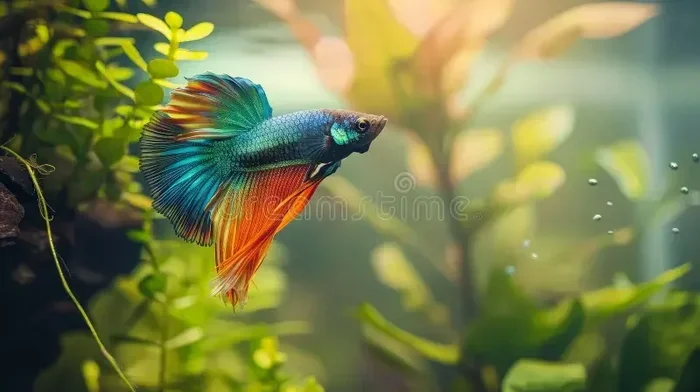
How to Increase Betta Fish Colors

Want a more vibrant betta? By tweaking diet, lighting, water quality, and tank setup, you can boost those dazzling colors naturally. Follow these friendly, science‑backed steps and watch your betta shine like never before.
Key Takeaways
- Nutrition matters: High‑quality protein and natural color enhancers are the foundation of bright fins.
- Light is a catalyst: Proper spectrum and duration stimulate pigment production.
- Water quality is non‑negotiable: Stable parameters keep stress low and colors vivid.
- Tank décor influences mood: Plants and hiding spots reduce stress, letting colors show.
- Gentle handling preserves pigment: Stressful moves can cause fading, so handle with care.
- Selective breeding can help: Choose mates with strong coloration for long‑term results.
- Patience pays off: Color changes happen slowly; consistency is key.
📑 Table of Contents
- Introduction: Why Betta Colors Fade—and How You Can Fix It
- 1. Feed for Color: The Power of Nutrition
- 2. Light It Right: Spectrum, Duration, and Placement
- 3. Water Quality: The Unsung Hero of Vibrant Colors
- 4. Tank Setup: Environment That Encourages Brilliance
- 5. Stress Reduction: The Hidden Color Killer
- 6. Selective Breeding: Long‑Term Color Enhancement
- Conclusion: Patience, Consistency, and Care Bring the Rainbow Home
Introduction: Why Betta Colors Fade—and How You Can Fix It
Betta fish (Betta splendens) are famous for their electric blues, fiery reds, and iridescent greens. Yet many owners notice that their fish’s colors dull over weeks or months. The good news is that most fading is not permanent. It’s usually a response to diet, lighting, water stress, or genetics.
In this guide we’ll walk through the most effective, beginner‑friendly ways to increase betta fish colors. Think of it as a friendly chat over a cup of tea, where I share the exact steps I used to turn my own pale betta into a living jewel.
1. Feed for Color: The Power of Nutrition
Protein‑Rich Base Foods
Betta fish are carnivores. Their natural diet is packed with protein, which provides the building blocks for pigment cells called chromatophores. Offer high‑quality betta pellets that list “fish meal” or “crustacean protein” as the first ingredient. Avoid cheap fillers like wheat or soy, which can dilute color.

Visual guide about How to Increase Betta Fish Colors
Image source: i.pinimg.com
Natural Color Enhancers
Just like humans need carrots for beta‑carotene, bettas love foods rich in carotenoids and astaxanthin. Add these to their menu:
- Live or frozen foods: Daphnia, bloodworms, and brine shrimp are excellent sources.
- Color‑boosting supplements: Small amounts of spirulina flakes or a pinch of high‑grade astaxanthin powder can make a noticeable difference.
- Vegetable treats: A tiny piece of boiled spinach or zucchini once a week supplies extra carotenoids without overfeeding.
Feeding Schedule & Portion Control
Overfeeding leads to cloudy water and stress, both of which dull colors. Feed two small meals per day—about the size of your betta’s eye. This keeps metabolism steady and allows the fish to convert nutrients into pigment efficiently.
Internal Link Example
For a deeper dive into feeding basics, see How To Feed Betta Fish.
2. Light It Right: Spectrum, Duration, and Placement
Choosing the Correct Spectrum
Betta chromatophores respond best to full‑spectrum LED lights that mimic natural daylight. Look for bulbs that emit a balanced mix of blue and red wavelengths. Too much blue can make reds look washed out, while too much red can mute blues.

Visual guide about How to Increase Betta Fish Colors
Image source: as2.ftcdn.net
How Long Should the Lights Stay On?
In the wild, bettas experience roughly 12 hours of light and 12 hours of darkness. Replicate this by using a timer. Consistency prevents hormonal stress that can cause color fading.
Positioning the Light
Place the light source about 6–8 inches above the tank to avoid glare. Direct light can stress the fish, while too dim a light won’t stimulate pigment production.
Bonus Tip: Moonlight Effect
Adding a dim, blue “moon” light for a few hours at night can enhance iridescent scales without disrupting the sleep cycle.
3. Water Quality: The Unsung Hero of Vibrant Colors
Maintain Stable Parameters
Betta fish thrive in water that’s:
- Temperature: 78‑80°F (25‑27°C)
- pH: 6.5‑7.5
- Hardness: 3‑4 dGH
- Ammonia & Nitrite: 0 ppm
- Nitrate: <10 ppm
Fluctuations cause stress, which forces the fish to divert energy away from color production.
Regular Water Changes
Swap out 25‑30% of the water weekly. Use a water conditioner to remove chlorine and chloramines. This keeps nitrate low and maintains clarity, allowing colors to shine.
Filtration Without Strong Currents
Betta fish are labyrinth fish and prefer calm water. Choose a sponge filter or a low‑flow hang‑on‑back filter. Strong currents can stress the fish, leading to muted hues.
Internal Link Example
Need step‑by‑step guidance on water changes? Check out How To Change Betta Fish Water.
4. Tank Setup: Environment That Encourages Brilliance
Live Plants vs. Silk Plants
Live plants such as Java fern, Anubias, and Marimo moss not only improve water quality but also provide natural hiding spots. Reduced stress equals brighter colors. If live plants aren’t feasible, opt for silk plants—plastic ones can nick fins and cause infection.
Decor and Hiding Places
Betta fish love to explore caves and PVC tubes. Adding a few well‑placed decorations gives them a sense of security, which encourages them to display their full color palette.
Tank Size Matters
Although bettas can survive in 2‑gallon bowls, a 5‑gallon tank with a gentle filter gives more stable water and space to swim, both of which promote vivid coloration.
Internal Link Example
For a complete guide to setting up the perfect home, read How To Set Up Betta Fish Tank.
5. Stress Reduction: The Hidden Color Killer
Gentle Handling
Whenever you need to move your betta, use a soft net and avoid squeezing. Stress spikes cortisol, which can cause temporary color loss.
Consistent Routine
Betas are creatures of habit. Feed at the same times each day, keep lighting on a fixed schedule, and avoid sudden loud noises near the tank.
Companion Considerations
Male bettas are territorial. Keep them solitary or with very peaceful tank mates like snails or small shrimp. Aggression leads to stress‑induced fading.
6. Selective Breeding: Long‑Term Color Enhancement
Choosing the Right Pair
If you’re interested in breeding, pair a vibrant male with a colorful female. Offspring often inherit the strongest pigments from both parents.
Genetics 101
Color traits are polygenic, meaning many genes contribute. Consistent selective breeding over generations can produce a line of exceptionally bright bettas.
Health First
Never breed a fish that shows signs of disease. Illness compromises pigment cells and can pass on weak genetics.
Conclusion: Patience, Consistency, and Care Bring the Rainbow Home
Increasing betta fish colors isn’t about a single miracle trick. It’s a combination of proper nutrition, the right lighting, pristine water, a stress‑free environment, and, if you wish, thoughtful breeding. Implement these steps gradually, monitor your fish’s response, and you’ll notice the colors intensifying over weeks to months.
Remember, each betta is an individual. Some may blaze with neon blues, while others develop softer pastel tones. Celebrate the unique beauty of your fish, and enjoy the process of watching nature’s palette come alive in your own home.
Frequently Asked Questions
Can I use human vitamins to boost my betta’s color?
It’s best to stick with fish‑specific supplements. Human vitamins can contain inappropriate dosages that may harm your betta.
How long does it take to see a color change?
Most owners notice subtle improvements within 2‑4 weeks of consistent care. Full transformation can take up to 3 months.
Do bettas need UV lighting for color?
Standard full‑spectrum LED lights provide enough UV for pigment production. Specialized UV lamps are unnecessary and can stress the fish.
Will adding more plants make my betta’s colors brighter?
Yes. Live plants improve water quality and give the fish a calm environment, both of which help colors stay vivid.
Is it normal for colors to fade at night?
Betta colors naturally appear less intense in low light. This is normal and not a sign of health issues.
Can water temperature affect coloration?
Yes. Temperatures below 75°F can slow metabolism, reducing pigment production. Keep the water within the ideal range for optimal color.