How Not to Kill a Betta Fish
Keeping a betta fish alive and thriving starts with understanding their simple but specific needs. Many owners unknowingly make critical mistakes with tank size, water temperature, and feeding habits that can shorten their betta’s life. This guide reveals the essential dos and don’ts of betta care so you can avoid common pitfalls and give your fish a healthy, happy home.
Key Takeaways
- Cycle the tank first: Prevents deadly ammonia spikes before your betta arrives.
- Use a heated, filtered tank: Bettas need stable warmth and clean water to thrive.
- Feed small amounts daily: Overfeeding causes constipation and fatal water pollution quickly.
- Perform regular water changes: Replace 25% weekly to remove toxins and stress.
- Avoid tiny bowls and direct sunlight: Stagnant water and heat stress shorten their lifespan.
- Watch for illness signs early: Clamped fins or loss of appetite need immediate attention.
📑 Table of Contents
- Common Mistakes That Can Lead to Killing a Betta Fish
- How to Keep Your Betta Fish Alive and Healthy
- Setting Up the Perfect Betta Fish Tank
- Feeding Your Betta Fish the Right Way
- Recognizing Signs of Illness Early
- Data Table: Betta Fish Care Essentials at a Glance
- Final Thoughts on How Not to Kill a Betta Fish
Common Mistakes That Can Lead to Killing a Betta Fish
Many betta fish owners love their little companions but accidentally harm them. The truth is, most betta fish deaths are preventable. You do not need to be an expert to keep your fish alive and well. You just need to know what to avoid.
Let us look at the most common mistakes that can lead to killing a betta fish without you even realizing it.
Using a Tiny Bowl Instead of a Proper Tank
This is the number one mistake. Many people think a small betta fish bowl is fine. It is not. Bettas need space to swim and explore. A tiny bowl limits movement and hurts their health over time.
A good betta fish tank should be at least 5 gallons. Anything smaller makes it very hard to keep betta fish water conditions stable. The water chemistry can swing wildly in small containers. This stresses your fish and weakens its immune system.
Skipping the Heater
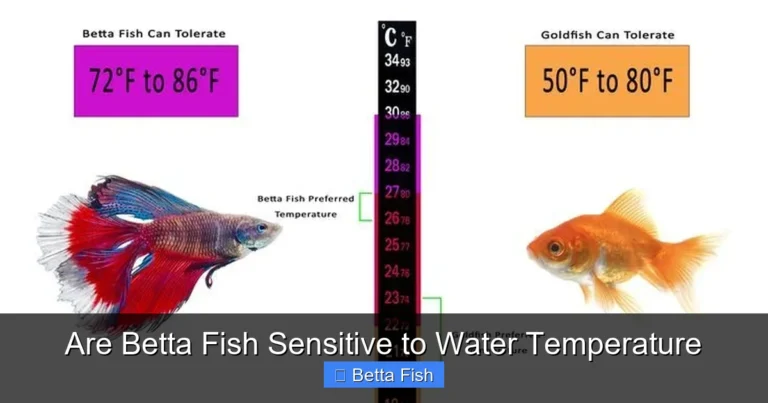
Bettas are tropical fish. They need warm water. Most rooms are too cool for them. Without a betta fish heater, the water temperature drops. Cold water slows down their body functions and makes them sick.
Keep the water between 76°F and 82°F. A simple aquarium heater with a thermostat works great. This small step is one of the best ways on how not to kill a betta fish.
Overfeeding the Fish
This one is tricky because it comes from love. You want your fish to be happy, so you feed it a lot. But overfeeding is dangerous. Uneaten food rots at the bottom of the tank. This creates ammonia and pollutes the water.
Feed your betta only what it can eat in two minutes. Twice a day is plenty. Remember, a healthy betta fish diet does not mean large meals.
Ignoring Tank Cycling
Some people set up a tank and put the fish in right away. This is risky. A new tank has no beneficial bacteria. These bacteria break down harmful waste. Without them, your fish is swimming in toxins.
Cycle your tank before adding your betta. This process usually takes four to six weeks. It builds a safe betta fish habitat for your pet.
How to Keep Your Betta Fish Alive and Healthy
Now that you know what to avoid, let us focus on what to do. Taking the right steps makes a huge difference. Good betta fish care means a longer, happier life for your pet.
Keep the Water Clean and Stable
Clean water is the foundation of betta fish survival. Do not do full water changes all the time. Instead, change about 25% of the water every week. This keeps things clean without shocking your fish.
Always use a water conditioner. Tap water contains chlorine that is harmful to fish. A conditioner removes these toxins instantly. Also, check the water temperature before adding it to the tank.
Provide the Right Tank Mates
Not every fish gets along with a betta. In fact, many fish will nip at their fins or cause stress. Avoid keeping aggressive species together. Fin nipping leads to injuries and infections.
If you want tank mates, choose carefully. Snails and certain shrimp can work well. But always watch for signs of betta fish stress. If your betta hides constantly, something is wrong.
Maintain Proper Filtration
A filter keeps the water clean. It removes waste and keeps harmful chemicals in check. You do not need a powerful filter though. Bettas prefer gentle water flow. A strong current can exhaust them.
Choose a betta fish filter with adjustable flow. Sponge filters work very well. They are gentle and effective for betta fish maintenance.
Setting Up the Perfect Betta Fish Tank
Your betta’s environment shapes its health completely. A well-planned setup prevents many problems. Here is how to create a safe and comfortable home.
Choose the Right Tank Size
As mentioned, go for at least 5 gallons. A larger tank is even better. It gives your fish room to explore. It also makes water chemistry easier to manage. The question how big does a betta fish tank need to be is common, and the answer is simple: bigger is always better within reason.
Avoid bowls. They are not suitable for long-term housing. A proper tank with a lid keeps your betta safe and your home clean.
Add Plants and Decorations
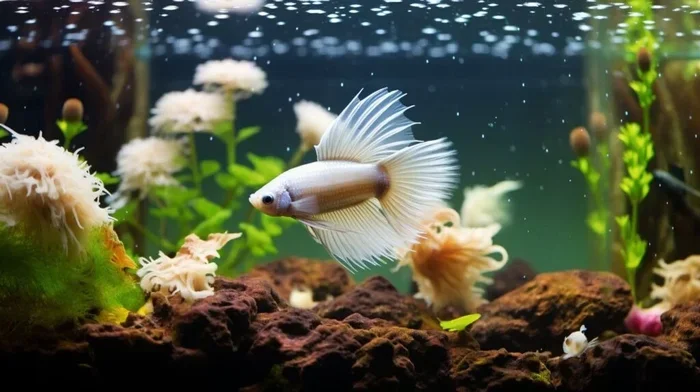
Bettas love places to hide and rest. Live or silk plants give them resting spots near the surface. Real plants also help clean the water naturally.
Avoid rough decorations. Betta fins are delicate. Sharp edges can tear them. Stick to smooth rocks, soft plants, and gentle driftwood. A well-decorated tank also reduces stress, which is key for betta fish health.
Set the Water Temperature Correctly
Temperature control is critical. Use a reliable heater and a thermometer. Fluctuations in betta fish temperature can cause illness. Keep things steady. A small swing of a degree or two is okay, but big swings are dangerous.
In winter, your heater works harder. In summer, keep the tank out of direct sunlight. Sunlight heats the water unevenly and can cause algae blooms.
Feeding Your Betta Fish the Right Way
Food is more than just fuel. It is one of the most important parts of how not to kill a betta fish. Getting the diet right keeps your fish strong and colorful.
Best Foods for Bettas
Bettas are carnivores. They need protein-rich food. Here are some great options:
- High-quality betta pellets (staple diet)
- Frozen or freeze-dried bloodworms (treats)
- Brine shrimp (treats)
- Daphnia (occasional treat)
- Peas (occasional, for digestion)
Rotate foods to give your fish variety. A varied betta fish diet keeps them healthy and interested. Pellets should be the main food. Treats should be given only once or twice a week.
How Much and How Often
Feed your betta twice a day. Give them two to three pellets each time. You can also fast your fish one day a week. This helps their digestion. A healthy betta fish lifespan depends heavily on good feeding habits.
Watch your fish while eating. If food is sinking to the bottom uneaten, you are giving too much. Adjust the amount accordingly.
Recognizing Signs of Illness Early
Catching disease early saves lives. Bettas are good at hiding pain. By the time you notice something is wrong, it may already be serious. Learning to spot betta fish symptoms quickly is essential.
Common Signs of a Sick Betta
Watch for these warning signs:
- Clamped fins (held close to the body)
- Loss of color or fading
- Lethargy or staying in one spot
- Rapid breathing or gasping at the surface
- White spots (ich)
- Ragged or torn fins
- Swollen body (dropsy)
- Loss of appetite
Even one of these signs is worth paying attention to. Early betta fish treatment can make the difference between recovery and loss.
Quick Treatment Steps
If you notice something wrong, act fast:
- Check the water temperature and parameters first.
- Do a partial water change (25-30%).
- Quarantine the fish if possible.
- Look into the specific betta fish disease symptoms.
- Use appropriate medication if needed.
Sometimes a simple salt bath works well. A tablespoon of aquarium salt per gallon can help with mild infections. Always research the specific issue before treating. You can also find helpful guides on how to treat a stressed betta fish that give step-by-step advice for recovery.
When to Seek Help
Some problems need professional attention. If your fish is not improving after a few days of treatment, consider consulting a fish vet. Online communities and forums can also offer advice. Knowledge is your best tool for how not to kill a betta fish.
Data Table: Betta Fish Care Essentials at a Glance
| Care Factor | Recommended Level | Why It Matters |
|---|---|---|
| Tank Size | 5+ gallons | Stable water and room to swim |
| Water Temperature | 76-82°F | Prevents cold stress and disease |
| pH Level | 6.5-7.5 | Matches natural habitat |
| Feeding | 2x daily, small portions | Prevents overfeeding and water pollution |
| Water Changes | 25% weekly | Keeps toxins low |
| Filter | Gentle flow | Clean water without strong current |
| Heater | Required | Maintains tropical warmth |
| Tank Mates | Carefully chosen | Prevents stress and fin damage |
Final Thoughts on How Not to Kill a Betta Fish
Keeping a betta fish alive is not as hard as it sounds. Most problems come from simple mistakes. A wrong tank size, cold water, overfeeding, or ignoring warning signs. None of these are difficult to fix once you know better.
The key to how not to kill a betta fish comes down to three things: clean water, proper warmth, and good nutrition. Stick to these basics and your betta will thrive. You will see bright colors, active swimming, and a happy fish.
Remember, your betta depends entirely on you. Every choice you make affects its betta fish survival. Take your time, learn as much as you can, and enjoy the journey. A well-cared-for betta fish can bring you joy for three to five years or even longer.
So take action today. Check your tank. Test your water. Adjust your feeding routine. Small changes lead to big results. Your betta deserves the best, and now you know exactly how to give it.
Frequently Asked Questions
How Often Should I Feed My Betta Fish?
Feed your betta fish once or twice a day with small amounts they can eat in two minutes. Overfeeding is one of the fastest ways to harm your fish, as uneaten food rots and pollutes the water. A proper feeding schedule keeps your betta healthy and avoids common digestive problems.
What Size Tank Does a Betta Fish Need to Stay Alive?
A betta fish needs at least a 5-gallon tank to thrive, not the tiny bowls many pet stores sell. Larger water volume keeps temperature and chemical levels stable, which is essential for your betta’s health. A proper tank setup dramatically reduces stress and helps your fish live a full, happy life.
Can Betta Fish Survive in Small Bowls?
No, keeping a betta fish in a small bowl significantly shortens its lifespan and lowers its quality of life. Bowls lack proper filtration, heating, and space for swimming, which leads to stress and disease. A filtered and heated tank of at least 5 gallons gives your betta the best chance at a long, healthy life.
What Water Temperature Is Best for a Betta Fish?
Betta fish need warm water between 76°F and 82°F to stay healthy and active. Cold water weakens their immune system and makes them vulnerable to illness, while hot water causes stress. Use an aquarium heater and thermometer to maintain a steady, comfortable temperature for your betta.
How Can I Tell If My Betta Fish Is Sick?
Watch for signs like faded colors, clamped fins, loss of appetite, lethargy, or unusual swimming behavior. These symptoms often point to poor water quality, incorrect temperature, or disease. Catching these warning signs early and adjusting tank conditions quickly can save your betta’s life.
Can I Keep My Betta Fish With Other Fish?
Male betta fish should never be housed with other bettas or aggressive species, as they will fight and often kill each other. Some peaceful community fish like corydoras or snails can work well in a large enough tank with proper setup. Always research tank mates carefully to avoid deadly conflicts in your aquarium.