Should You Leave the Light on a Betta Fish Tank
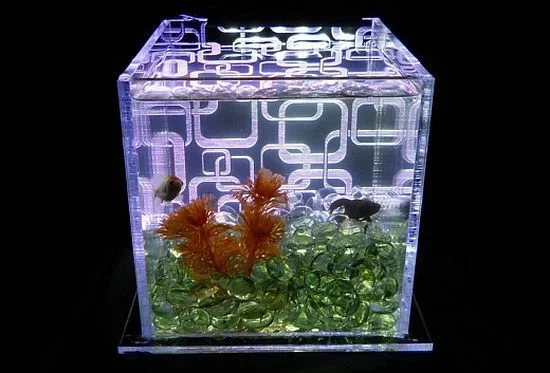
You should not leave the light on a betta fish tank 24/7. Betta fish need a consistent light and dark cycle to stay healthy, sleep well, and avoid stress. A 10 to 12 hour light schedule works best for most betta tanks, and using a timer makes it effortless.
Keeping a betta fish tank is one of the most rewarding hobbies you can have. These colorful fish bring life and beauty to any room. But one question every betta owner faces is whether to leave the light on. The answer might surprise you. Lighting plays a bigger role in your betta’s health than most people realize.
In this guide, we will walk through everything you need to know about betta fish tank lighting. You will learn the ideal schedule, the best types of lights, common mistakes, and simple tips to keep your fish happy. Whether you are a beginner or a seasoned aquarist, this article covers it all.
Key Takeaways
- Betta fish need light: A proper light cycle supports their health, color, and natural behavior.
- 10 to 12 hours is ideal: Too much light causes stress and algae growth, while too little affects mood and appetite.
- Use a timer: An aquarium light timer ensures consistency without any effort on your part.
- LED lights work great: They are energy-efficient, produce less heat, and are safe for betta tanks.
- Avoid direct sunlight: It spikes tank temperature and triggers rapid algae buildup.
- Watch for warning signs: Clamped fins, hiding, and loss of color often signal lighting problems.
📑 Table of Contents
Why Lighting Matters for Betta Fish
Light is not just about making your tank look pretty. It serves real biological purposes for your betta. In the wild, bettas live in shallow, warm waters with plenty of natural light during the day and darkness at night. Their bodies follow a circadian rhythm, just like humans. This internal clock tells them when to be active, when to eat, and when to rest.
Without a proper light cycle, your betta can become confused and stressed. Stress weakens their immune system and makes them vulnerable to disease. On the flip side, too much light can also cause problems. Understanding this balance is the first step toward creating a healthy home for your fish.
So, are betta fish required to have a light on? Yes, but not all the time. They need a predictable pattern of light and dark to thrive. Think of it like setting a bedtime routine for a child. Consistency is everything.
The Role of Light in Betta Health
Light affects several aspects of your betta’s well-being. Here is a quick look at what proper lighting does:
- Supports natural coloration: Light brings out the vibrant reds, blues, and greens in your betta’s fins.
- Regulates sleep patterns: A dark period signals your betta to rest and recover.
- Promotes healthy appetite: Bettas associate light with feeding time and become more active when the lights turn on.
- Helps with plant growth: If you have live plants in your tank, light is essential for photosynthesis.
- Reduces stress: A stable routine makes your betta feel safe and secure.
When the light is off, your betta is not just “resting.” They are recovering from the day’s activity. Their muscles relax, their metabolism slows down, and their body repairs itself. This is why giving them a proper dark period is just as important as the light period.
How Long Should You Leave the Light On?
The golden rule for betta fish tank light duration is 10 to 12 hours of light per day. This mimics the natural daylight cycle in tropical regions where bettas originate. Anything beyond 12 hours can lead to problems, and anything under 8 hours may leave your fish feeling sluggish.
What Happens If You Leave the Light On Too Long?
Leaving the light on 24/7 is one of the worst things you can do for your betta. Here is what goes wrong:
- Algae blooms: Excess light feeds algae and turns your tank green and messy fast.
- Sleep deprivation: Bettas need darkness to sleep. Without it, they become irritable and weak.
- Increased stress: Constant light tricks your betta’s brain into thinking it is always daytime, which causes chronic stress.
- Weakened immune system: Stressed fish get sick more easily and recover slowly.
If you have ever wondered can you leave a betta fish tank light on overnight, the short answer is no. Your betta needs that nightly dark period to stay healthy and happy.
What Happens If the Tank Is Too Dark?
On the other end of the spectrum, too little light is not great either. Bettas kept in dim conditions may lose their bright colors and become less active. They might also stop eating regularly. If you notice your betta fading in color or staying hidden, the lighting could be the culprit.
Finding the right balance is key. Stick to a 10 to 12 hour window, and your betta will thrive.
| Light Duration | Effect on Betta |
|---|---|
| Less than 8 hours | Faded colors, low energy, poor appetite |
| 10 to 12 hours | Healthy sleep cycle, vibrant colors, active behavior |
| More than 14 hours | Stress, algae overgrowth, sleep disruption |
| 24 hours (all the time) | Severe stress, illness risk, exhaustion |
Best Types of Lights for a Betta Tank
Not all aquarium lights are created equal. Choosing the right light for your betta fish tank makes a huge difference. You want something that provides the right spectrum, is energy-efficient, and does not overheat the water.
LED Lights
Are LED fish tank lights okay to leave on betta tanks? Absolutely. LED lights are the top choice for most betta keepers today. They produce very little heat, which helps maintain stable tank temperatures. They also last much longer than older bulb types and use far less electricity.
Look for LEDs that offer a full spectrum of light. This means they provide both warm and cool tones, which bring out your betta’s natural colors beautifully. Many LED fixtures also come with adjustable brightness, giving you more control over the light intensity.
Fluorescent Lights
Standard fluorescent tubes work well for basic betta setups. They are affordable and widely available. However, they produce more heat than LEDs and need to be replaced more frequently. They still get the job done, but they are not as efficient.
Avoid Incandescent Bulbs
Incandescent bulbs produce a lot of heat and are not recommended for betta tanks. They can raise the water temperature to unsafe levels and provide poor light quality. Skip these and go with LED or fluorescent options instead.
Natural Light From Windows
Some people wonder if placing their betta tank near a window is a good idea. While natural light looks nice, it comes with risks. Direct sunlight causes temperature swings and rapid algae growth. If you do use natural light, keep the tank away from direct sun exposure and monitor the temperature closely.
Using a Light Timer for Consistency
The easiest way to maintain a perfect aquarium lighting schedule is to use a light timer. These small devices plug between your outlet and the light fixture. You set the timer to turn the light on in the morning and off at night, and it does the work for you.
Using a timer has several benefits:
- Removes guesswork: You do not have to remember to flip the switch every day.
- Prevents overexposure: The timer shuts off the light automatically, even if you forget.
- Reduces stress: Your betta gets a consistent routine every single day.
- Saves energy: The light is only on when it needs to be.
Timers are inexpensive and available at most pet stores or online. They are one of the simplest upgrades you can make to your betta setup. A light timer for fish tank costs just a few dollars and pays for itself in better fish health and lower electricity bills.
Common Mistakes With Betta Tank Lighting
Even experienced fish keepers make lighting mistakes. Here are the most common ones and how to avoid them.
Mistake 1: Leaving the Light On Overnight
This is the number one mistake. Many people assume that because bettas are active during the day, they need light at night. This is not true. Bettas need darkness to sleep. Leaving the light on confuses their internal clock and leads to chronic stress.
Instead, consider what happens when you can you leave betta fish in the dark at night. The answer is yes, and they actually prefer it. Darkness gives them a sense of security and allows their body to rest properly.
Mistake 2: Using Too Intense Light
Some lights are simply too bright for a small betta tank. High-intensity lighting can overwhelm your fish and cause them to hide or dart around nervously. It also fuels algae growth at an alarming rate. Choose a light with adjustable brightness or one designed specifically for small aquariums.
Mistake 3: Ignoring the Light Cycle on Weekends
It is tempting to leave the light on longer during the weekend because you are home and enjoying the tank. But inconsistent lighting throws off your betta’s routine. Stick to the same schedule even on weekends and holidays.
Mistake 4: Placing the Tank Near a Window
Direct sunlight creates hot spots in the water and triggers massive algae outbreaks. It also makes the temperature fluctuate throughout the day, which stresses your betta. Keep the tank in a spot with indirect or artificial light only.
Signs Your Betta Is Not Happy With the Lighting
Betta fish communicate their discomfort in subtle ways. Paying attention to their behavior helps you catch lighting problems early. Here are the most common signs:
- Clamped fins: Fins held close to the body often signal stress or discomfort.
- Hiding constantly: If your betta spends all its time behind decorations, the light might be too bright.
- Loss of color: A faded or dull appearance can indicate an improper light cycle.
- Erratic swimming: Darting or frantic movement may mean the light is disturbing them.
- Refusing food: Bettas that stop eating may be stressed by their environment, including lighting.
- Excessive algae: A green or slimy tank surface means the light is on too long.
If you notice any of these signs, start by reviewing your lighting schedule. Adjust the duration, intensity, or type of light and see how your betta responds within a few days. Small changes can make a big difference.
Expert Tips for Perfect Betta Tank Lighting
Here are some pro tips that experienced betta keepers swear by:
- Start with 8 hours and work up: If you are unsure, begin with 8 hours of light and gradually increase to 10 or 12. Watch how your betta responds.
- Dim the lights in the evening: Some LED fixtures have a “dusk” mode that slowly dims the light before turning it off. This mimics a natural sunset and helps your betta transition to sleep.
- Clean your tank regularly: Algae on the glass blocks light and makes the tank look dirty. A tank cleaning routine keeps light levels consistent.
- Match the light to your plants: If you have live plants, choose a light that supports both your betta and plant health.
- Observe your betta daily: Spend a few minutes each day watching how your fish behaves under the light. You will learn their preferences quickly.
Remember, every betta is slightly different. Some prefer dimmer light, while others seem to enjoy a brighter setup. The key is to observe and adjust. Your fish will tell you what works best.
Final Thoughts
The answer to should you leave the light on a betta fish tank is clear. Keep the light on for 10 to 12 hours a day, use a timer for consistency, and never leave it on overnight. Choose the right type of light, watch your fish for signs of discomfort, and make adjustments as needed.
Proper lighting is one of the simplest yet most impactful things you can do for your betta. It affects their sleep, their color, their appetite, and their overall health. Take a few minutes today to review your current setup and make any necessary changes. Your betta will thank you with vibrant colors, active behavior, and a long, healthy life.
For more detailed information on betta tank lighting and care, check out this helpful guide on whether you can leave a betta fish tank light on. You can also learn more about LED lights for betta tanks and how they compare to other options.
Finally, if you want to understand your betta’s nighttime behavior better, read up on whether betta fish can sleep with the light on. These resources will give you a complete picture of how lighting affects your fish around the clock.
Frequently Asked Questions
Can betta fish sleep with the light on?
No, betta fish cannot sleep well with the light on. They need darkness to enter a restful state. Leaving the light on at night disrupts their sleep cycle and causes stress over time. Use a timer to ensure the lights turn off automatically each evening.
What is the best light schedule for a betta fish tank?
The best schedule is 10 to 12 hours of light followed by 12 to 14 hours of darkness. This mimics the natural day-night cycle in tropical regions. Consistency matters more than the exact hours, so try to keep the same schedule every day.
Can I use a regular household lamp for my betta tank?
It is not recommended. Household lamps are not designed for aquarium use and may produce too much heat or the wrong light spectrum. Aquarium-specific LED lights are safer, more efficient, and better for your betta’s health and color.
Do betta fish need light at night?
No, betta fish do not need light at night. In fact, they need darkness to sleep and recover. A dark period is just as important as the light period. Keeping the tank dark at night helps maintain a healthy circadian rhythm for your fish.
How do I know if my betta tank light is too bright?
Signs of too-bright light include your betta hiding frequently, clamped fins, and erratic swimming. Excessive algae growth on the glass and decorations is another clear indicator. Try reducing the intensity or moving the light further away from the tank.
What type of light is best for a betta fish tank?
LED lights are the best choice for betta tanks. They are energy-efficient, produce minimal heat, and offer a full spectrum of light that brings out your betta’s natural colors. Look for adjustable LED fixtures designed specifically for small aquariums.