Are Betta Fish More Aggressive to Larger Fish
Betta fish can show aggression toward larger tank mates, but size isn’t the only factor. Their temperament depends on gender, temperament, tank setup, and visual barriers. Understanding these cues helps you create a harmonious aquarium where bettas thrive alongside compatible species.
Key Takeaways
- Size matters, but not alone: Larger fish can trigger betta aggression if they resemble rivals.
- Gender is crucial: Male bettas are generally more territorial than females.
- Tank environment counts: Plants, caves, and visual blockers reduce confrontations.
- Species selection: Choose peaceful, fast‑swimming tank mates that occupy different levels.
- Monitoring is essential: Watch for fin nipping, color changes, and stress signs.
- Gradual introductions work best: Use a quarantine or divider to let fish get used to each other.
- Know the signs of aggression: Rapid gill flaring, raised fins, and chasing indicate trouble.
📑 Table of Contents
- Introduction: The Betta’s Reputation
- Understanding Betta Aggression
- Do Larger Fish Invite More Aggression?
- Choosing the Right Tank Mates
- Tank Setup Tips to Reduce Aggression
- Signs Your Betta Is Too Aggressive
- Step‑by‑Step: Introducing a Larger Tank Mate
- When to Separate: Knowing When It’s Too Much
- Conclusion: Balancing Beauty and Harmony
Introduction: The Betta’s Reputation
When most people think of betta fish, the first image that pops into their mind is a flamboyant, feisty fighter flashing its brilliant fins. This reputation is well earned—male bettas, especially, can be fiercely territorial. But many hobbyists wonder, are betta fish more aggressive to larger fish? The short answer is: sometimes, but it depends on many variables.
In this article we’ll break down the science behind betta aggression, explore how size, gender, and tank setup influence behavior, and give you practical tips for mixing bettas with larger tank mates safely. By the end, you’ll know exactly how to keep a peaceful community tank without compromising the health or happiness of your betta.
Understanding Betta Aggression
Why male bettas are often the “aggressive” ones
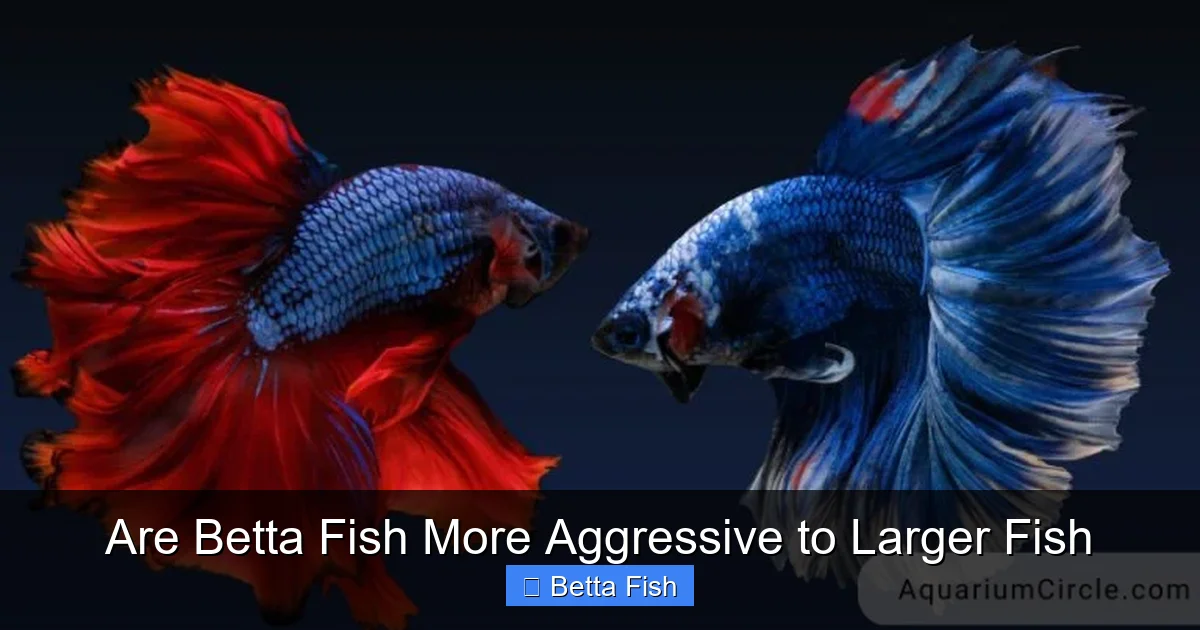
Male bettas (Betta splendens) defend a territory that in the wild consists of shallow rice paddies and dense vegetation. Their bright colors and elaborate fins are signals used to intimidate rivals. The article Why Are Male Betta Fish So Aggressive explains that hormones, especially testosterone, drive this behavior. Females can be feisty too, but they are generally less confrontational.
Visual guide about Are Betta Fish More Aggressive to Larger Fish
Image source: aquariumcircle.com
What triggers aggression?
- Visual cues: A fish that looks similar in shape or color can be mistaken for a rival.
- Movement: Fast‑moving fish that dart near the betta’s space can be seen as a threat.
- Space limitation: Small tanks amplify territorial disputes.
Do Larger Fish Invite More Aggression?
Size isn’t the whole story
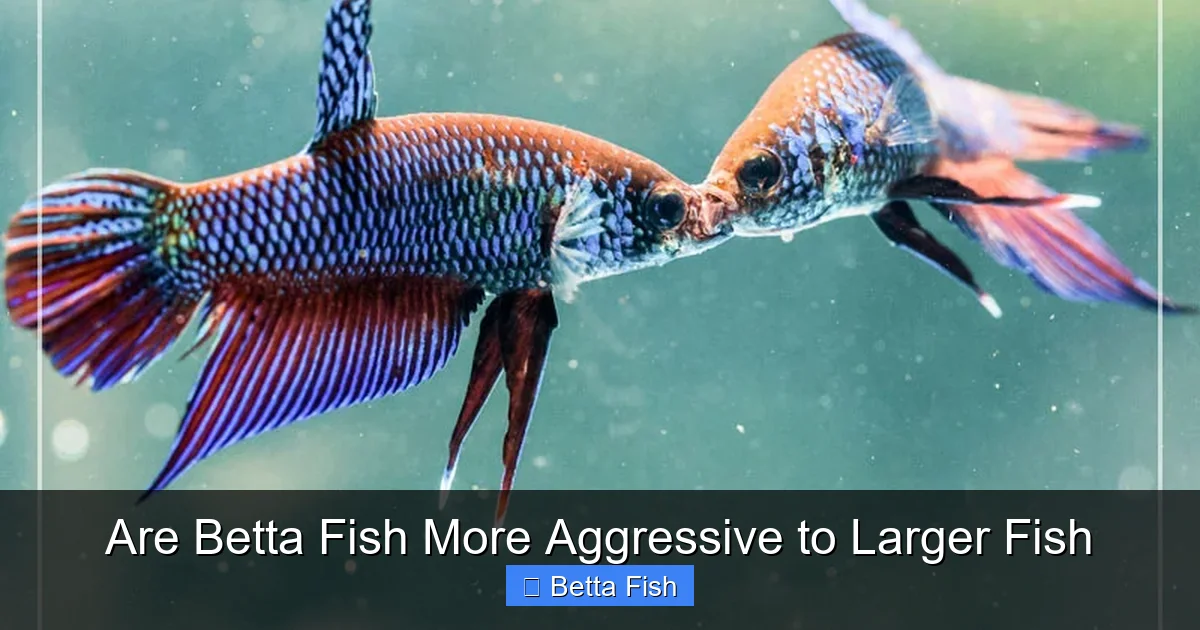
It’s a common myth that “bigger fish = safer tank mates.” In reality, larger fish can sometimes provoke a betta more than smaller ones, especially if they share the same vertical level or have bright, flowing fins that mimic a rival. A large, slow‑moving goldfish, for example, might be ignored, while a sleek, fast barbell fish could spark a chase.
Visual guide about Are Betta Fish More Aggressive to Larger Fish
Image source: smartaquariumguide.com
When larger fish are safer
Conversely, many larger species are too big for a betta to attack. A mature corydoras catfish (8‑10 cm) or a dwarf loach (6‑7 cm) typically stays out of the betta’s line of sight, reducing conflict. The key is choosing species that occupy different parts of the tank and have distinct body shapes.
Choosing the Right Tank Mates
Best companions for male bettas
Here are five species that usually coexist peacefully with a male betta, even if they are larger:
Visual guide about Are Betta Fish More Aggressive to Larger Fish
Image source: thesprucepets.com
- Harlequin Rasboras (5‑6 cm): Their silver bodies and schooling habit keep them low‑profile.
- Corydoras Catfish (8‑10 cm): Bottom‑dwelling and gentle, they stay out of the betta’s view.
- Otocinclus Catfish (4‑5 cm): Small algae eaters that cling to glass and plants.
- Kuhli Loaches (7‑10 cm): Snake‑like and nocturnal, they rarely cross the betta’s territory.
- Ghost Shrimp (2‑3 cm): Quick, transparent, and non‑threatening.
These choices are highlighted in our guide Are Betta Fish Aggressive, which stresses the importance of non‑mirroring shapes.
Female bettas and larger companions
Female bettas are a bit more forgiving. They can share a community tank with slightly larger, peaceful fish like neon tetras or small gouramis. However, keep an eye on any fin‑nipping, as females can still be territorial during breeding season.
Tank Setup Tips to Reduce Aggression
Plants and décor as visual barriers
Live plants, tall driftwood, and thick-leaved foliage create “rooms” within the aquarium. This breaks the line of sight, giving each fish its own space. A well‑planted tank also mimics the betta’s natural habitat, reducing stress.
Proper tank size
Even though bettas can live in 2‑gallon bowls, a community tank should be at least 20 gallons. More water means more room for territories and less chance of a larger fish constantly swimming past the betta.
Water parameters
Maintain stable temperature (78‑80 °F), pH 6.5‑7.5, and low ammonia. Stressed fish become more aggressive. For detailed water setup, see What Water To Use For Betta Fish.
Signs Your Betta Is Too Aggressive
Physical indicators
- Fins held flat or raised.
- Rapid gill movement (gill flaring).
- Darkening of the body or bright “flaring” colors.
Behavioral clues
If your betta constantly chases a larger fish, bites, or seems to be “showing off” its fins, it may be stressed. In severe cases, the larger fish can develop fin rot or stress‑related illnesses.
Step‑by‑Step: Introducing a Larger Tank Mate
1. Quarantine the new fish
Keep the newcomer in a separate tank for at least two weeks to monitor for disease.
2. Use a divider
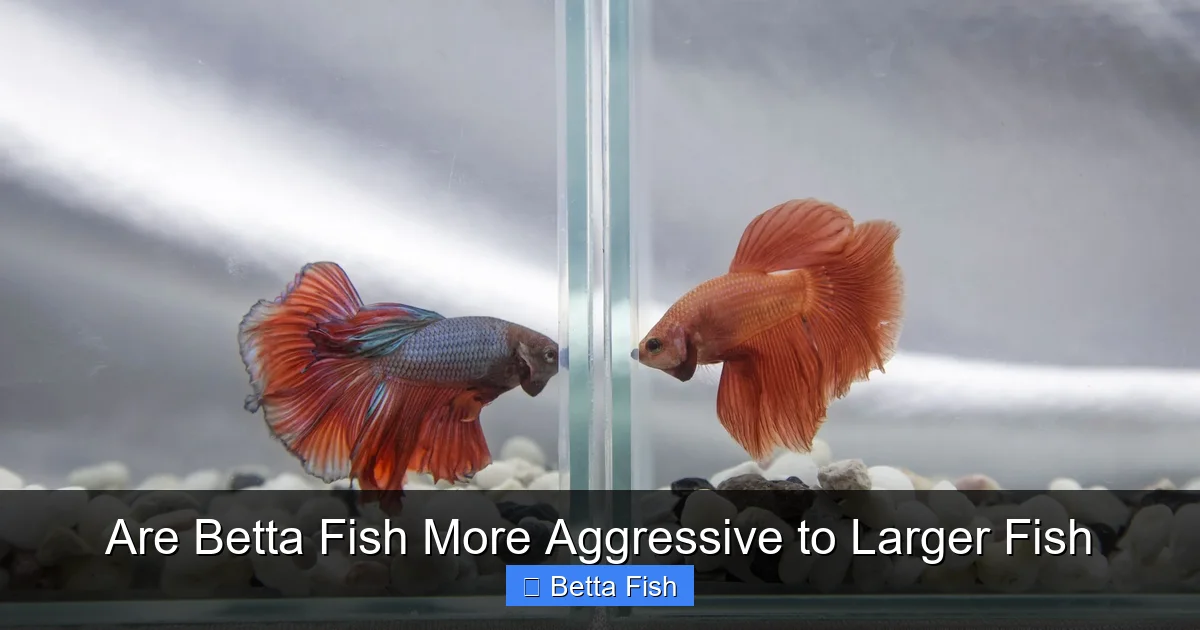
Place a clear acrylic divider in the main tank. This lets both fish see each other without direct contact, letting them get used to each other’s presence.
3. Gradual release
After a week, open a small “gate” in the divider. Observe reactions for 10‑15 minutes. If the betta flares but doesn’t chase, you’re on the right track.
4. Full integration
When both fish seem calm, remove the divider completely. Keep a close eye for the first 24‑48 hours.
When to Separate: Knowing When It’s Too Much
If fin‑nipping continues for more than a few hours, or if the larger fish shows signs of stress (loss of appetite, faded colors), it’s time to separate them. A betta’s aggression can be managed, but not at the cost of another fish’s health.
Conclusion: Balancing Beauty and Harmony
So, are betta fish more aggressive to larger fish? The answer is nuanced. Larger fish can sometimes trigger aggression, especially if they resemble a rival or invade the betta’s vertical space. However, with the right species, a well‑planted tank, and careful introductions, you can enjoy a vibrant community aquarium where your betta’s stunning colors shine alongside peaceful, larger companions.
Remember, every betta has its own personality. Observe, adjust, and don’t be afraid to experiment within safe limits. By respecting their natural instincts and providing plenty of hiding spots, you’ll create a happy home for both your betta and its larger tank mates.
Frequently Asked Questions
Are bettas always aggressive toward larger fish?
No. Aggression depends on the larger fish’s shape, movement, and the betta’s gender. Some bigger, slow‑moving species are ignored.
Can female bettas get along with larger fish?
Female bettas are generally less territorial than males and can coexist with slightly larger, peaceful species if the tank is well‑decorated.
What size tank is best for a betta with larger tank mates?
A minimum of 20 gallons is recommended. More space reduces territorial disputes and provides room for plants and hiding places.
How can I tell if my betta is stressed?
Watch for gill flaring, faded colors, frequent fin spreading, or frantic swimming. These are signs of stress and potential aggression.
Do bettas need a divider when first introduced to larger fish?
Using a clear divider for a few days helps both fish get used to each other’s presence without direct conflict.
What are good plants to use as visual barriers?
Java fern, Anubias, and Amazon sword are sturdy, fast‑growing plants that create effective visual breaks in the tank.