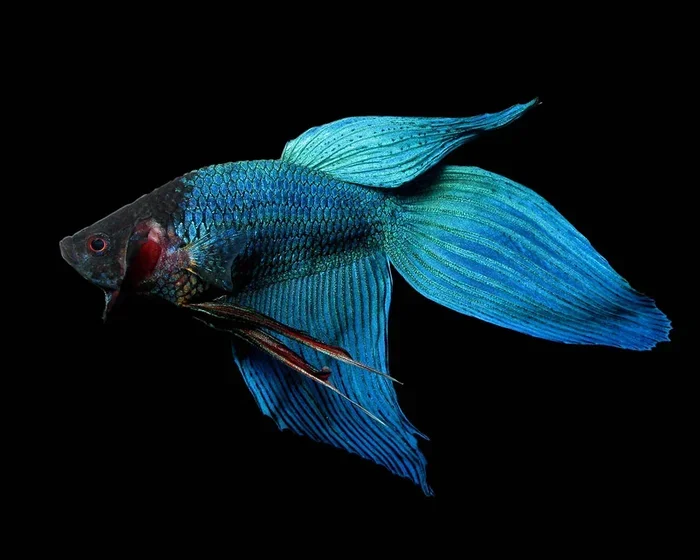
How Often to Change Betta Fish Ater
Knowing how often to change betta fish water is the single most important thing you can do for your pet’s health. A regular water change schedule removes harmful toxins, keeps temperatures stable, and prevents common diseases. This guide breaks down the exact frequency, methods, and mistakes to avoid so your betta stays happy and vibrant.
Keeping your betta fish healthy starts with one simple habit: regular water changes. But how often should you actually do it? The answer depends on several factors, including your tank size, filtration setup, and whether you keep your betta in a bowl or an aquarium.
Many new fish owners get this wrong. They either change the water too infrequently, letting toxins build up, or they do full water changes too often, which strips the tank of good bacteria. Both extremes can harm your betta. This guide gives you a clear, easy-to-follow schedule so you can how often to change betta fish water with confidence.
## Why Water Changes Matter for Betta Fish
Betta fish are native to warm, slow-moving waters in Southeast Asia. Even though they are hardy creatures, they are not invincible. Dirty water is the number one cause of illness in pet bettas.
When fish waste, uneaten food, and decaying plant matter break down, they release ammonia. Ammonia is toxic to betta fish even in small amounts. Over time, ammonia converts to nitrite and then nitrate. While nitrate is less harmful, high levels still cause stress, faded colors, and weakened immunity.
Regular water changes remove these pollutants before they reach dangerous levels. They also replenish essential minerals and maintain the proper water temperature for betta fish. Think of it like changing the air filters in your home — it keeps the environment clean and safe.
### The Nitrogen Cycle and Your Betta
Before diving into schedules, it helps to understand the basics of the nitrogen cycle. This is the process where beneficial bacteria convert toxic ammonia into less harmful substances.
A fully cycled tank has colonies of these good bacteria living in your filter and substrate. They do a lot of the heavy lifting for you. But even in a cycled tank, nitrate accumulates over time. Water changes are the only way to physically remove it. If you skip changes, nitrate climbs, and your betta fish tank maintenance becomes much harder.
## How Often Should You Change Betta Fish Water?
The general rule is simple: change 25 to 50 percent of the water every week. This frequency works well for most setups and keeps water quality for betta fish in a safe range.
But this is not a one-size-fits-all answer. Let us break it down by scenario.
### Small Bowls and Unfiltered Tanks
If your betta lives in a small bowl or vase without a filter, you need to change the water more frequently. In a bowl under one gallon, how often to change betta fish water becomes almost daily or every other day.
Small volumes of water become contaminated very quickly. There is no filter to help dilute waste. A 50 percent change every two days is a good minimum for these setups.
Some owners keep bettas in larger bowls (3-5 gallons) without filters. For these, a 30-40 percent change twice a week works well.
### Filtered Aquariums (5 Gallons and Up)
A filtered tank is much more stable. The filter houses beneficial bacteria that process waste between water changes. For a 5-10 gallon aquarium with a gentle filter, a weekly 25-30 percent change is usually enough.
Larger tanks (15 gallons or more) can go longer between changes, but weekly is still best practice. The filter helps, but it does not remove all waste. You still need to physically remove debris through water changes.
### Quick Tip
Always vacuum the gravel during partial water changes. This removes hidden waste trapped in the substrate. A simple siphon gravel vacuum makes this quick and easy.
## The Right Way to Change Betta Fish Water
Knowing how often to change betta fish water is only half the battle. Doing it the wrong way can still harm your fish. Let us walk through the proper method step by step.
### Step 1: Prepare the New Water
Start by filling a clean bucket with tap water. Add a water conditioner to remove chlorine, chloramine, and heavy metals. These chemicals are harmless to humans but deadly to fish.
Let the water sit for a few minutes after adding conditioner. Most products work within 2-3 minutes, but check the label on your bottle.
### Step 2: Match the Temperature
Betta fish are tropical creatures. They need warm water between 76 and 82 degrees Fahrenheit. Use a thermometer to check the temperature of your new water.
If the new water is too cold or too hot, it will shock your fish. Aim to match the tank temperature within 1-2 degrees. If you need to adjust, let the water warm up slowly or add a small amount of warm water.
### Step 3: Remove the Old Water
Siphon out 25-50 percent of the tank water. Use a gravel vacuum to pull debris from the bottom as you go. Move slowly so you do not disturb your betta too much.
For smaller tanks, a turkey baster works as a simple alternative to a siphon. It is not as efficient but gets the job done for bowls.
### Step 4: Add the New Water
Pour the treated water slowly into the tank. Avoid pouring directly on your betta. Use a plate or your hand to diffuse the flow. This keeps stress levels low.
### Step 5: Check Parameters
After the change, test your water if you have a test kit. Check ammonia, nitrite, nitrate, and pH levels. Everything should be in the safe range. If you notice spikes, you may need to adjust your schedule or volume.
## Common Mistakes People Make with Water Changes
Even experienced fish keepers make mistakes. Here are the most common errors when changing betta fish water.
### Changing Too Much Water at Once
A full water change in a cycled tank can be dangerous. It wipes out all the beneficial bacteria that keep your tank stable. This can cause a mini-cycle, spiking ammonia levels right after the change.
Stick to partial changes of 25-50 percent. This removes waste without destroying the bacterial colony.
### Using Untreated Tap Water
Tap water contains chlorine and chloramine added by water treatment plants. These chemicals damage fish gills and can kill bettas within hours. Always use a conditioner.
Some people let water sit overnight to remove chlorine. This works for chlorine alone but not for chloramine. Conditioners are the safest and fastest option.
### Ignoring Temperature Differences
Cold water shocks betta fish and weakens their immune system. Hot water holds less oxygen, which also causes problems. Always match temperatures carefully.
### Forgetting to Clean the Filter
A dirty filter is almost as bad as dirty water. Rinse filter media in old tank water (not tap water) once a month. This removes buildup without killing the good bacteria.
### Overfeeding Before a Water Change
Uneaten food decays fast and spikes ammonia. Feed your betta lightly the day before a water change. This makes the process more effective and keeps the water cleaner.
## Signs Your Betta Needs an Immediate Water Change
Sometimes you cannot stick to a schedule. Life gets busy. But certain signs mean your betta needs fresh water right away.
– Cloudy or murky water that does not clear up
– A strong, foul smell coming from the tank
– Your betta staying at the top of the tank gasping for air
– Loss of color or pale fins
– Lethargy and lack of appetite
– White or fuzzy patches on the body or fins
If you notice any of these, do a 50 percent water change immediately. Also check your ammonia and nitrite levels with a test kit. If those are high, you may need to repeat the change the next day.
In severe cases, how to save dying betta fish after water change involves slowly adjusting the environment back to safe parameters and monitoring your fish closely for 24-48 hours.
## How Often to Clean a Betta Fish Tank vs. Water Changes
Cleaning and water changes are not the same thing. Cleaning removes visible debris, while water changes remove dissolved waste.
You should do a light cleaning during every water change. This includes:
Wiping algae off the glass with a magnetic scraper
Vacuuming the gravel with a siphon
Removing any visible uneaten food
Rinsing decorations in old tank water
Deep cleaning, including scrubbing the substrate and replacing filter media, should only happen once a month at most. Over-cleaning can crash your tank’s biological balance.
## Water Change Schedules by Tank Size
Here is a quick reference guide to help you plan your schedule.
Tank Size | Filter? | Change Frequency | Change Volume
— | — | — | —
Under 1 gallon (bowl) | No | Every other day | 50%
3-5 gallons (bowl) | No | Twice a week | 30-40%
5 gallons | Yes | Weekly | 25-30%
10 gallons | Yes | Weekly | 20-25%
15+ gallons | Yes | Weekly | 15-20%
This table gives you a starting point. Always adjust based on your specific setup and water test results.
## Expert Insights: What Veterans Know About Betta Water Changes
Experienced betta keepers have a few insider tips that make the process easier and more effective.
First, they always keep a spare bucket dedicated to fish water. Never use a bucket that has held cleaning chemicals. Label it clearly to avoid accidents.
Second, they use a Python or gravel vacuum that attaches directly to the faucet. This makes water removal and refilling almost effortless.
Third, they track their water changes with a simple calendar reminder. Consistency is the key to a healthy tank.
Finally, they never forget to treat new water. Even if your tap water looks clean, it contains harmful chemicals. Conditioner is non-negotiable.
## Key Takeaways for Your Betta Care Routine
Consistency is everything when it comes to how often to change betta fish water. A weekly schedule of partial water changes keeps your tank stable and your fish healthy. Combine this with proper temperature matching, water conditioning, and gentle cleaning habits.
Pay attention to your betta’s behavior. A happy betta is active, colorful, and eager to eat. A stressed betta hides, loses color, or stays at the surface. These are clear signals that something needs adjusting.
Remember that every tank is different. Your schedule may need tweaking based on tank size, stocking levels, and feeding habits. Use this guide as a foundation and adjust as you learn your specific setup.
## Conclusion
Changing your betta fish water regularly is the easiest and most effective way to protect your pet’s health. A simple weekly routine of partial water changes prevents toxin buildup, supports the nitrogen cycle, and keeps your betta thriving.
Now that you know how often to change betta fish water, the next step is putting it into practice. Set a reminder, gather your supplies, and make it part of your weekly routine. Your betta will thank you with bright colors, energetic swimming, and a long, healthy life.
If you want to dive deeper into how to do a water change for betta fish or learn about maintaining water temperature for betta fish, check out our other care guides for more detailed tips and step-by-step instructions.
Key Takeaways
- Weekly partial water changes (25-50%) are the gold standard for most betta tanks and help maintain stable water quality.
- Tank size matters a lot — smaller bowls need more frequent changes than larger filtered aquariums.
- Always use water conditioner to neutralize chlorine and chloramine from tap water before adding it to the tank.
- Watch for warning signs like cloudy water, strong odors, or lethargic fish that signal an immediate water change is needed.
- Avoid full water changes too often as they strip beneficial bacteria and stress your betta fish.
- Temperature matching is critical — new water should be within 1-2 degrees of the tank water to prevent shock.
Frequently Asked Questions
How often to change betta fish water in a 5-gallon tank?
For a 5-gallon filtered tank, change 25 to 30 percent of the water once a week. This keeps ammonia and nitrate levels low without disturbing the beneficial bacteria. If your tank is unfiltered, increase the frequency to twice a week with a 30 to 40 percent change each time.
Can I change all the water in my betta tank at once?
Full water changes should only be done in emergencies or in very small unfiltered bowls. In a cycled tank, a full change destroys good bacteria and can cause dangerous ammonia spikes. Stick to partial changes of 25 to 50 percent for the safest results.
What happens if I don’t change my betta fish water often enough?
Skipping water changes allows ammonia and nitrite to build up. These toxins damage your betta’s gills, weaken its immune system, and can lead to disease or death. Signs include lethargy, loss of color, and gasping at the surface.
Do I need a water conditioner every time I change the water?
Yes, always use a water conditioner. Tap water contains chlorine and chloramine that are harmful to fish. Conditioner neutralizes these chemicals instantly and makes the water safe for your betta every single time.
How do I know if my betta needs a water change before the scheduled day?
Watch for cloudy water, a strong odor, your betta staying at the surface, or loss of appetite. These are clear signs that water quality has dropped and you should do a change right away, even if it is not your scheduled day.
Is it better to change water more often with less volume or less often with more volume?
Frequent smaller changes are better. Weekly 25 to 30 percent changes maintain stable water parameters and protect beneficial bacteria. Large changes less often cause sudden shifts in temperature and chemistry, which stresses your betta fish more.