Is fishing better or worse after a storm? The answer depends on water temperature, oxygen levels, and fish behavior. By understanding post‑storm changes and adjusting your gear, location, and timing, you can turn a storm‑y day into a trophy‑catch opportunity.
Key Takeaways
- Water chemistry shifts: Storm runoff raises nutrients and lowers oxygen, prompting a short feeding frenzy.
- Safety first: Wait for calm winds and stable barometric pressure before heading out.
- Location matters: Look for fresh water influx, eddies, and down‑river pools where fish gather.
- Gear tweaks: Use brighter lures, lighter lines, and slower retrieves to match sluggish fish.
- Timing is crucial: The first 6‑12 hours after rain often produce the best bites.
- Seasonal influence: Spring storms boost hatch rates, while summer storms may stress warm‑water species.
- Know the rules: Some areas restrict fishing immediately after severe weather; always check local regulations.
📑 Table of Contents
- Introduction: The Stormy Question
- 1. How Storms Change the Water
- 2. Safety First: When to Hit the Water
- 3. Choosing the Right Spot After a Storm
- 4. Gear Adjustments for Post‑Storm Conditions
- 5. Timing Your Outing: When Is the Bite Best?
- 6. Real‑World Examples and Tips from the Field
- Conclusion: Making the Most of Post‑Storm Fishing
Introduction: The Stormy Question
Every angler has asked the same thing after a thunderstorm rolls through: is fishing better or worse after a storm? The truth is, the answer isn’t a simple yes or no. Storms reshape the water, the sky, and the fish’s mindset in ways that can either spark a feeding frenzy or send them into hiding.
In this guide we’ll break down the science behind post‑storm water changes, share practical tips for staying safe, and show you how to adapt your technique to make the most of those dramatic conditions. Think of it as a conversation over coffee with a friend who knows every river bend and tide pool.
1. How Storms Change the Water
1.1. Temperature Swings
When rain hits a warm lake or river, it often drops the surface temperature by several degrees. Cold water is denser, so it sinks and pushes the warmer layer down. This turnover mixes the water column, bringing cooler, oxygen‑rich water to the bottom where many game fish sit.
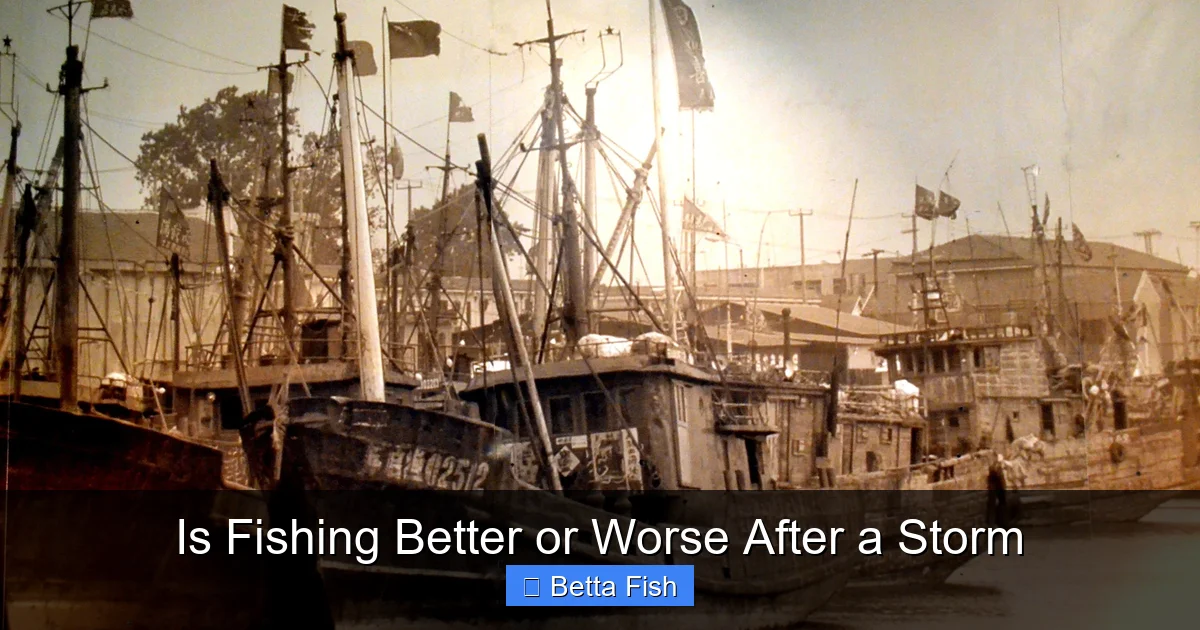
Visual guide about Is Fishing Better or Worse After a Storm
Image source: publicdomainpictures.net
For cold‑water species like trout, a sudden chill can be a welcome reset, making them more active. Warm‑water species such as bass may become sluggish until the water warms back up.
1.2. Nutrient Boost
Storm runoff carries soil, leaf litter, and microscopic algae into the water. These nutrients feed plankton, which in turn attracts small baitfish. Larger predators follow the baitfish, creating a short‑term “food chain boost.” This is why the first few hours after rain often see a noticeable bite.
1.3. Oxygen Levels
Heavy rain can either increase oxygen by aerating the surface or decrease it if the water becomes turbid and sunlight is blocked. In clear, fast‑moving streams, oxygen spikes, encouraging fish to move into shallower feeding zones. In stagnant ponds, low oxygen may force fish to seek deeper pockets.
1.4. Turbidity and Visibility
Murky water hides the silhouette of your lure, making fish rely more on vibration and scent. This is the perfect time to use noise‑making lures, soft plastics with scent, or live bait that creates a strong profile.
2. Safety First: When to Hit the Water
2.1. Wait for the Wind to Calm
Even if the rain stops, strong gusts can make casting dangerous and can toss your boat around. A good rule of thumb: wait until wind speeds drop below 10 mph and the water surface is relatively smooth.
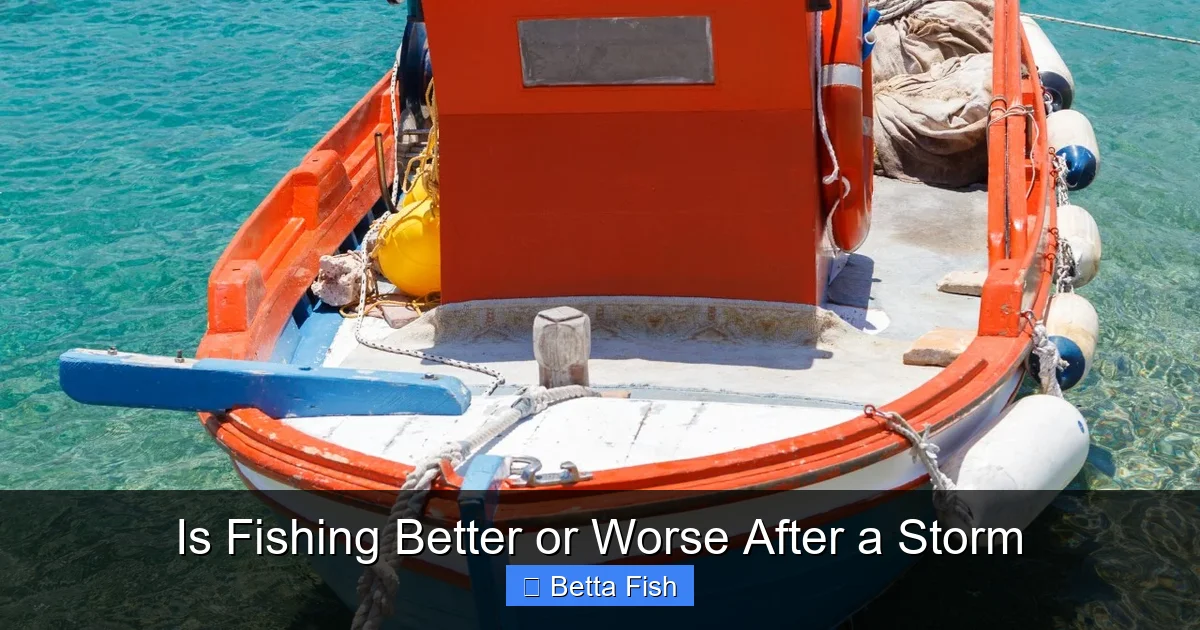
Visual guide about Is Fishing Better or Worse After a Storm
Image source: publicdomainpictures.net
2.2. Check Barometric Pressure
Falling pressure often triggers fish to feed, but a rapid rise after a storm can cause them to become lethargic. Keep an eye on local weather apps; the best window is usually 4‑12 hours after the pressure stabilizes.
2.3. Watch for Flooding and Debris
Flash floods can move large debris, creating hazards for both waders and boats. Scan the shoreline for downed branches, litter, and sudden channel changes before casting.
2.4. Follow Local Regulations
Some state parks and wildlife refuges temporarily close fishing after severe weather to protect habitats. Always verify current rules—this is especially important if you’re planning to fish on public piers or protected rivers.
3. Choosing the Right Spot After a Storm
3.1. Look for Freshwater Inflows
Rivers and creeks that pour fresh rainwater into larger bodies create temperature and nutrient gradients. Fish often congregate near these “mixing zones” to feed on the incoming insects and baitfish.
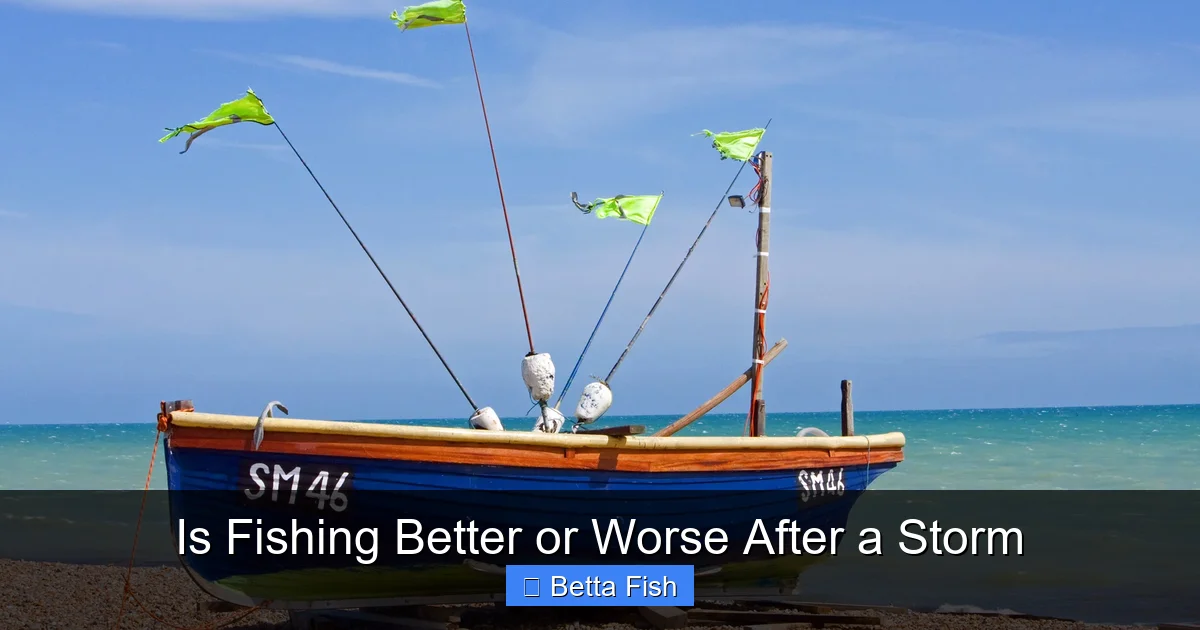
Visual guide about Is Fishing Better or Worse After a Storm
Image source: publicdomainpictures.net
3.2. Target Eddies and Backwaters
After a storm, water flow creates eddies—small, circular currents where fish can rest while still being in the feeding zone. Cast near the edge of these eddies where baitfish tend to gather.
3.3. Use Structure to Your Advantage
Sunken logs, rock piles, and bridge pilings become even more attractive after a storm because they provide shelter from the sudden current change. Position your lure near these structures for a better chance of a strike.
3.4. Consider Tidal Influence (Coastal Anglers)
If you’re fishing saltwater, the post‑storm tide can bring in a fresh pulse of baitfish. Combine this with the high‑tide versus low‑tide discussion to time your launch for the strongest current.
4. Gear Adjustments for Post‑Storm Conditions
4.1. Lure Selection
- Bright Colors: Turbid water reduces visibility, so fluorescent pinks, oranges, and chartreuse stand out.
- Vibration Lures: Spinnerbaits, buzzbaits, and rattling soft plastics create sound that fish can detect.
- Scented Baits: Adding a dab of fish oil or commercial attractant can compensate for low visibility.
4.2. Line Choice
Because post‑storm water can be full of debris, a stronger line reduces the chance of break‑offs. If you’re unsure whether braided or mono fishing line is best for your situation, consider a 10‑12 lb test braided line for its thin diameter and high sensitivity.
4.3. Retrieve Speed
Fish often become sluggish after a temperature drop, so slow down your retrieve. A steady, gentle pause every few seconds mimics an injured prey and can provoke strikes.
4.4. Rod and Reel Setup
A medium‑action rod (6–7 ft) paired with a smooth‑drag reel gives you enough flex to feel subtle bites while handling larger, sudden runs caused by startled fish.
5. Timing Your Outing: When Is the Bite Best?
5.1. The First 6‑12 Hours
This window usually offers the highest activity because nutrients are fresh, water temperature is still changing, and fish are actively seeking food after a period of limited visibility.
5.2. Late Evening After a Storm
As the sun sets, many species transition to low‑light feeding. Combine the post‑storm nutrient boost with natural dusk activity for a double advantage.
5.3. Seasonal Variations
- Spring: Storms often trigger spawning runs; fish are hungry and aggressive.
- Summer: Heat stress can make fish seek deeper, cooler water; focus on shade and deeper structures.
- Fall: Cooler air temps help water return to comfortable levels, extending the feeding window.
- Winter: Ice and cold limit activity; only the most hardy species bite, and slower presentations work best.
6. Real‑World Examples and Tips from the Field
6.1. Lake Example: Bass After a Summer Thunderstorm
On a recent July afternoon, a sudden thunderstorm dumped two inches of rain on a 150‑acre lake. Within an hour, the water temperature dropped 4 °F. I set up near a submerged oak dead‑tree line, using a chartreuse spinnerbait on a 10‑lb braided line. After a few slow retrieves, I felt a series of “taps”—big mouth bass, 2–3 lb each, were aggressively striking. The key was staying low, using bright color, and waiting for the water to calm.
6.2. River Example: Trout in a Mountain Stream
After a heavy rainstorm in the Rockies, the creek’s flow increased 30 %. I chose a 4‑strand braided line (see which is better 4 or 8 strand braided fishing line) for its strength and low stretch. I fished with a small nymph that mimics the newly washed‑up insects. The trout were feeding on the surface, and a gentle lift‑and‑drop retrieve produced multiple bites.
6.3. Coastal Example: Redfish After a Coastal Gale
Following a tropical storm, the inshore waters near the Gulf Coast were churned, bringing a fresh pulse of shrimp. I anchored near a sandbar and dropped a weighted shrimp jig. The high tide (see Is High Tide Or Low Tide Better For Fishing) combined with post‑storm nutrients created a feeding frenzy. Within 20 minutes, I landed three redfish, each over 5 lb.
Conclusion: Making the Most of Post‑Storm Fishing
So, is fishing better or worse after a storm? The short answer: it can be better if you respect the science, stay safe, and adapt your tactics. Storms bring temperature changes, nutrient spikes, and altered oxygen levels that often lead to a temporary feeding frenzy. By choosing the right spot, adjusting your gear, and timing your outing for the first few hours after the rain, you can turn a wet, windy day into a memorable catch.
Remember to always check local regulations, keep an eye on weather updates, and respect the environment. With the right preparation, post‑storm fishing becomes not just possible, but a rewarding part of any angler’s calendar.
Frequently Asked Questions
Is fishing always better after rain?
Not always. While many fish feed after rain, factors like water temperature, oxygen levels, and safety conditions determine success. See our related article on Is Fishing Better After Rain for a deeper dive.
Should I use live bait or lures after a storm?
Both work, but bright, noisy lures often outperform in turbid water. Live bait with a strong scent can be especially effective in low‑visibility conditions.
How long does the post‑storm feeding frenzy last?
Typically 6‑12 hours, though it can extend up to 24 hours if the water remains cool and nutrient‑rich.
Are there specific fish species that love storm conditions?
Trout, bass, redfish, and snook are known to respond positively to post‑storm nutrient spikes, especially during their active seasons.
What safety gear should I bring when fishing after a storm?
Carry a waterproof jacket, sturdy boots, a whistle, a portable VHF radio (if on a boat), and always let someone know your plan.
Can I fish from a pier after a storm?
Yes, if the pier is structurally sound and local rules allow it. Check for debris and ensure the water depth is safe for casting.