Can Betta Eat Other Fish
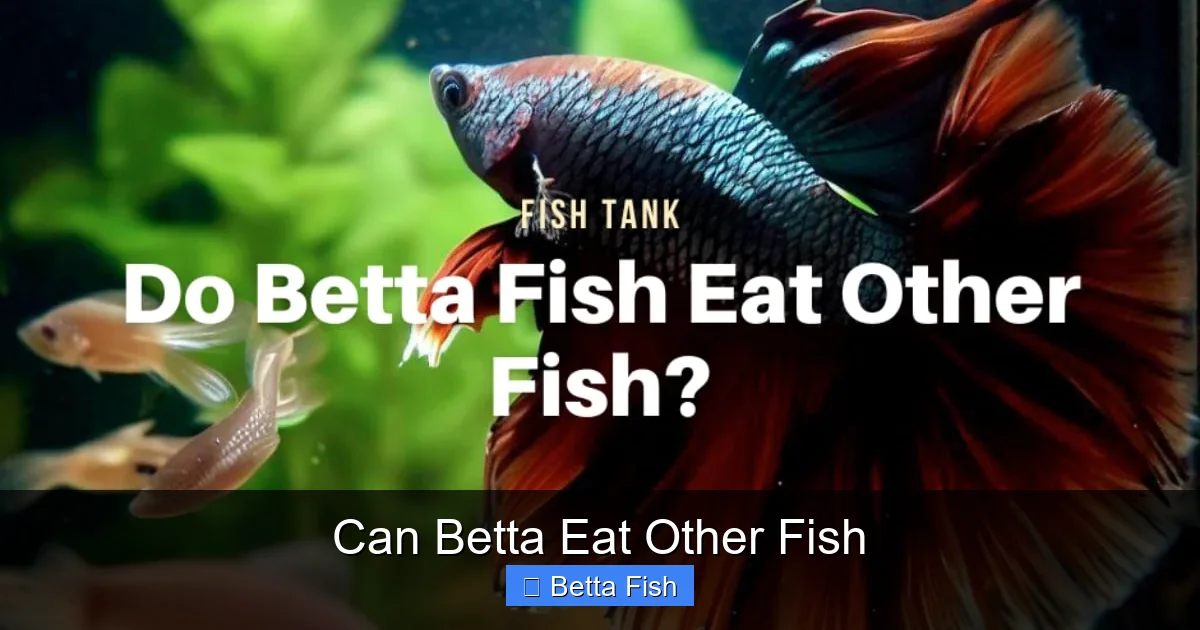
Betta fish are opportunistic feeders, but they rarely swallow whole fish. They may nip at slow‑moving or very small tank mates, especially when hungry or stressed. Understanding their diet and behavior helps you choose compatible species and keep everyone safe.
Key Takeaways
- Betta diet basics: Bettas prefer live or frozen foods and high‑protein pellets, not whole fish.
- Size matters: A betta will only attempt to eat creatures that can fit in its mouth—usually tiny fry or very small invertebrates.
- Temperament varies: Males are more territorial and aggressive than females, influencing which fish they might attack.
- Tank setup is crucial: Plenty of hiding places and a well‑planted aquarium reduce stress and aggression.
- Safe tank‑mates exist: Peaceful, fast‑moving, or bottom‑dwelling species are less likely to become a betta’s snack.
- Feeding strategy helps: Regular, varied meals keep your betta satisfied and less likely to hunt.
- Monitor and adjust: Watch for nipping signs and be ready to re‑home any fish that become targets.
📑 Table of Contents
- Introduction: The Curious Question
- 1. What Does a Betta Really Want to Eat?
- 2. Can Betta Eat Other Fish? The Science
- 3. Which Fish Are at Risk?
- 4. Setting Up a Betta‑Friendly Community Tank
- 5. Signs Your Betta Is Nipping and What to Do
- 6. Frequently Asked Questions About Betta Predation
- Conclusion: Balance, Observation, and Care
Introduction: The Curious Question
If you’ve ever watched a betta flare its fins and wonder, “can betta eat other fish?”, you’re not alone. Bettas are famous for their vibrant colors and dramatic displays, but many hobbyists also hear stories of these little warriors devouring tank‑mates. The truth is a bit more nuanced. Bettas are carnivorous, opportunistic eaters, yet they are not the kind of predator that will gulp down a fully grown guppy or zebra danio.
In this guide we’ll break down what a betta’s natural diet looks like, how its temperament influences feeding behavior, and which fish (if any) are safe to keep together. We’ll also share practical tips on tank setup, feeding routines, and what to watch for if you suspect your betta is getting a little too hungry.
1. What Does a Betta Really Want to Eat?
Natural diet in the wild
In their native Southeast Asian rice paddies, bettas hunt insects, larvae, and tiny crustaceans that drift near the water’s surface. Their mouths are designed for snapping up small, moving prey, not for chewing plant matter.

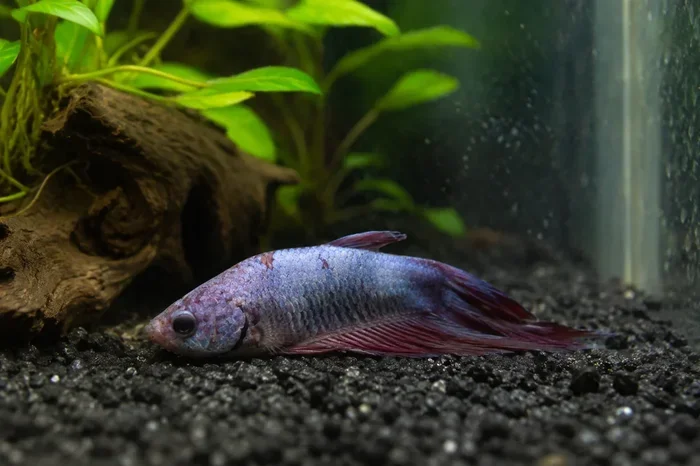
Visual guide about Can Betta Eat Other Fish
Image source: i.ytimg.com
Typical captive diet
In the aquarium, the best betta diet includes:
- High‑protein pellets made for bettas (these sink slowly or float, mimicking surface insects).
- Live or frozen foods such as bloodworms, brine shrimp, and daphnia.
- Occasional treats like finely chopped mosquito larvae.
These foods satisfy their protein cravings and keep them from hunting larger tank mates. For more ideas on betta nutrition, see What Can Betta Fish Eat.
2. Can Betta Eat Other Fish? The Science
Size limits and mouth structure
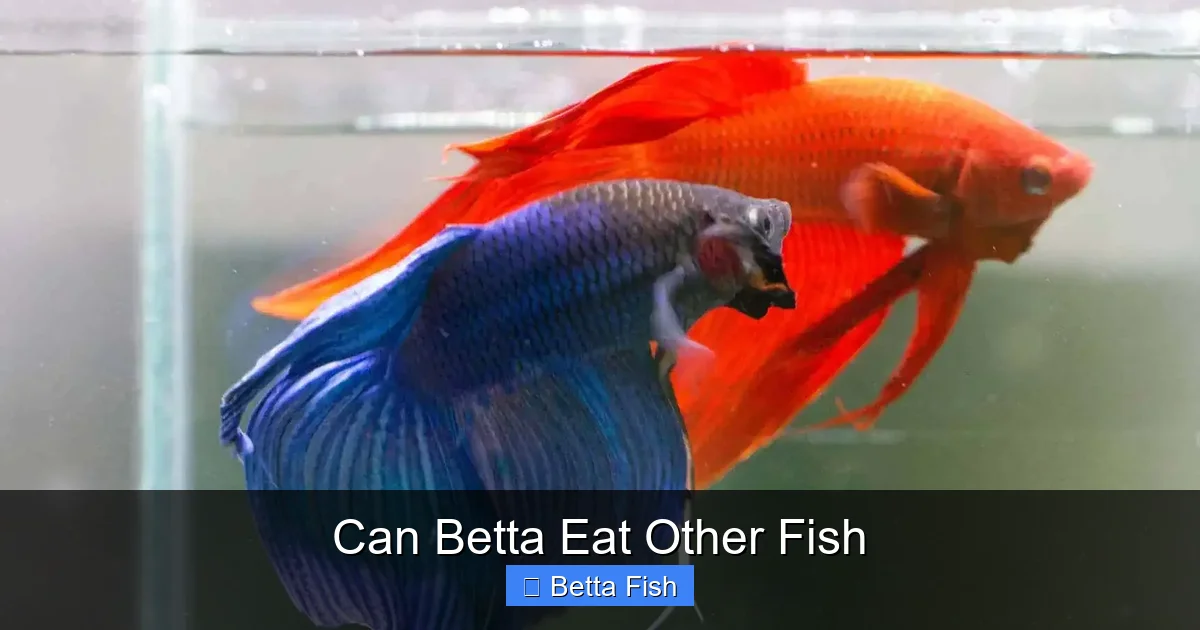
A betta’s mouth can open only about 1‑2 cm wide. That means the largest creature it could possibly swallow is something the size of a newborn fry or a tiny shrimp. Anything larger will simply be out of reach.
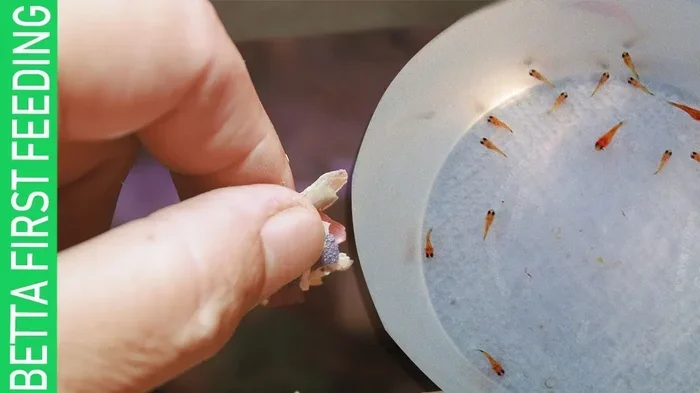
Visual guide about Can Betta Eat Other Fish
Image source: bettasource.com
Behavioral triggers
While bettas won’t actively hunt adult fish, they may bite:
- When they are under‑fed and become more aggressive.
- If a tank‑mate is sick, weak, or moving slowly near the surface.
- During territorial displays, especially in cramped spaces.
In most cases, the bite is a “nibble” rather than a full‑on predation event. The injured fish might develop fin rot or stress, but it’s unlikely to be eaten whole.
3. Which Fish Are at Risk?
Fry and very small invertebrates
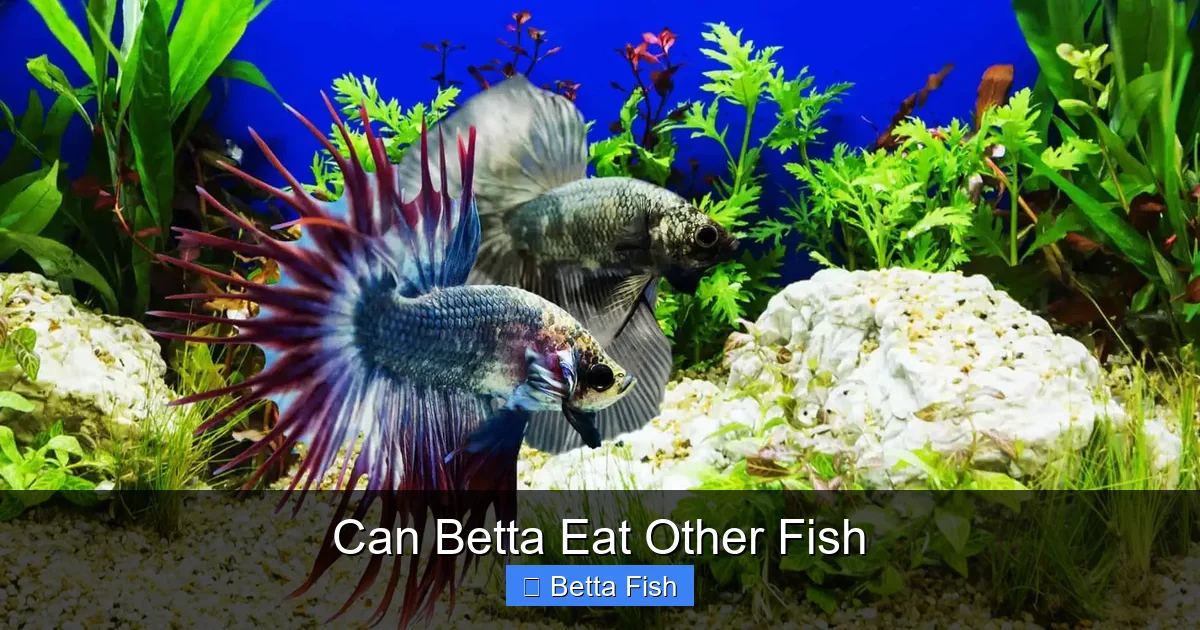
Betta fry, mosquito larvae, and baby shrimp are the most common victims. Their size fits perfectly into a betta’s mouth, and their slow swimming makes them easy targets.
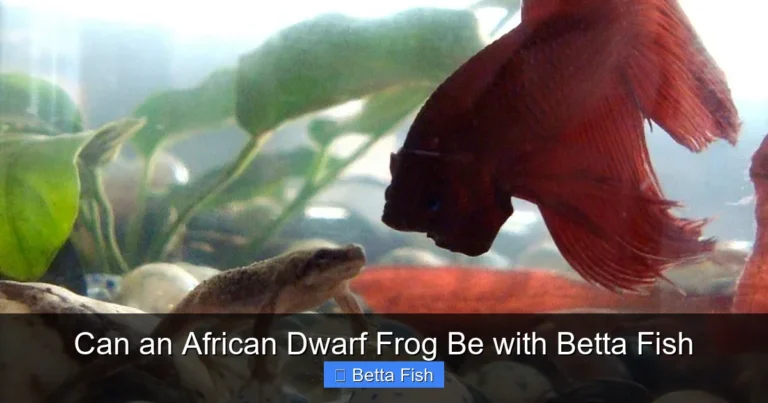
Visual guide about Can Betta Eat Other Fish
Image source: bettasource.com
Slow‑moving or surface‑dwelling species
Fish that spend a lot of time near the water’s surface—like certain guppies or small tetras—can attract a betta’s attention, especially if they are pale and resemble insects.
Peaceful community fish that are often recommended
Many hobbyists successfully keep bettas with:
- Neon or ember tetras (fast swimmers, stay mid‑water).
- Corydoras catfish (bottom dwellers, keep to themselves).
- Harlequin rasboras (active, schooling).
For a full list of compatible species, check out What Other Fish Can Betta Fish Live With.
4. Setting Up a Betta‑Friendly Community Tank
Tank size and layout
At least a 10‑gallon tank is recommended for a community setup. This provides enough swimming room and reduces territorial aggression. Use plenty of live plants, driftwood, and rocks to create hiding spots.
Water parameters
Maintain a temperature of 76‑82 °F (24‑28 °C) and a pH between 6.5 and 7.5. Stable water conditions keep all fish healthy and less prone to stress‑induced aggression.
Introducing new fish
Acclimate newcomers slowly with a bag‑float method, and give the betta a few days to adjust before adding the new fish. Observe interactions for the first 24‑48 hours.
Feeding routine to curb aggression
Feed your betta 2‑3 small meals per day, using a mix of pellets and live/frozen treats. A well‑fed betta is less likely to hunt out of hunger.
5. Signs Your Betta Is Nipping and What to Do
Visible injuries
Look for torn fins, ragged edges, or missing spots on tank mates. Small wounds can quickly become infected.
Behavioral cues
If the betta constantly follows a particular fish, flares when that fish approaches, or circles the tank aggressively, it may be targeting that fish.
Action plan
- Separate the aggressive betta temporarily.
- Increase feeding frequency.
- Re‑arrange décor to break line‑of‑sight.
- Consider moving the target fish to a different tank.
For more on handling aggression, read Can You Keep Other Fish With A Betta.
6. Frequently Asked Questions About Betta Predation
Below are quick answers to the most common concerns.
Will a betta ever eat a fully grown guppy?
No. A betta’s mouth is too small to swallow an adult guppy. However, it may nip at the guppy’s fins, especially if the guppy is slow or sick.
Can feeding betta pellets prevent it from nipping other fish?
Yes. Regular, protein‑rich meals keep the betta satisfied and reduce the urge to hunt for extra food.
Do female bettas attack other fish more than males?
Generally, males are more territorial, especially during breeding season. Females can be aggressive too, but they tend to be less confrontational.
Is it safe to keep a betta with shrimp?
Small shrimp like cherry shrimp are often safe, but larger, fast‑moving shrimp are better. Watch for any predatory attempts, especially when the betta is hungry.
Can a betta eat other fish if the tank is too small?
In cramped spaces, stress rises and the betta may become more aggressive, increasing the chance of nipping. A larger, well‑decorated tank helps prevent this.
What should I do if my betta has already injured a tank mate?
Remove the injured fish to a quarantine tank, treat any wounds with a mild antimicrobial, and reassess tank setup and feeding schedule.
Conclusion: Balance, Observation, and Care
So, can betta eat other fish? The short answer is: only if the “other fish” is tiny enough to fit in its mouth, or if the betta is unusually hungry and the tank conditions are stressful. By providing a proper diet, ample space, and compatible tank mates, you can enjoy the beauty of a betta alongside a peaceful community.
Remember, every betta has a unique personality. Watch closely, adjust as needed, and you’ll create a harmonious aquarium where the betta thrives without turning into an accidental predator.
Frequently Asked Questions
Can a betta eat live feeder fish?
Live feeder fish are generally too large for a betta to swallow, but the betta may bite at them, causing stress or injury.
Do bettas ever eat plant matter?
Occasionally a betta might nibble soft leaves, but they don’t derive nutrition from plants and should not rely on them as food.
Is it okay to feed my betta goldfish flakes?
Goldfish flakes lack the protein bettas need and can cause digestive issues. Stick to betta‑specific pellets or high‑protein treats.
Can a betta share a tank with a male guppy?
Yes, if the tank is large enough and both fish are well‑fed. Monitor for fin nipping and provide plenty of hiding spots.
What signs indicate my betta is stressed?
Frequent gill flaring, loss of color, lethargy, and excessive hiding are all signs of stress that can lead to aggression.
How often should I clean the tank to reduce aggression?
Regular water changes (20‑30% weekly) keep water quality high, reducing stress and the likelihood of aggressive behavior.