Is Tetramin Tropical Flakes for Betta Fish
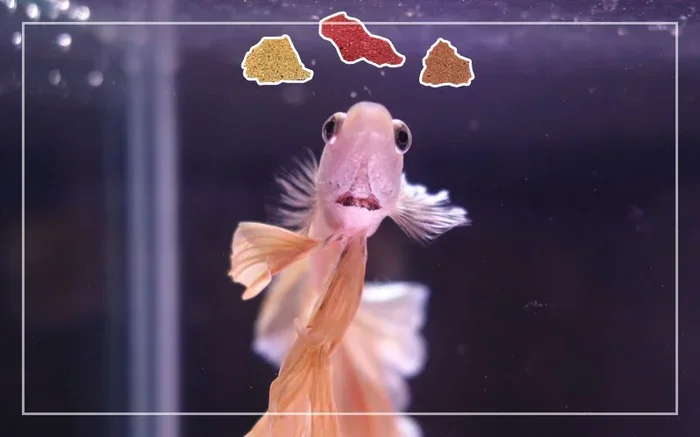
Tetramin Tropical Flakes can work for betta fish, but they are not the ideal staple food for these colorful swimmers. While the flakes offer a blend of vitamins, proteins, and plant-based ingredients that support overall health, bettas are carnivorous fish that thrive on a diet rich in animal-based proteins. Many aquarists find that Tetramin Tropical Flakes serve best as a supplemental food rather than a primary meal, since bettas often prefer pellets or frozen foods that sink or float at the right level for their mouth size. Feeding the right diet matters for your betta’s color, energy, and lifespan, so always pair Tetramin flakes with high-quality betta-specific foods to keep your fish happy and healthy.
Key Takeaways
- Tetramin Tropical Flakes suit bettas as a staple food when fed correctly.
- High protein content supports healthy growth and vibrant color in bettas.
- Feed small amounts twice daily to prevent overfeeding and water contamination.
- Supplement with frozen or live foods for a complete balanced diet.
- Always soak flakes before feeding to prevent digestive issues in bettas.
- Observe your betta’s appetite and adjust portion sizes accordingly each day.
- Tetramin Tropical Flakes alone may not suffice for all betta nutritional needs.
📑 Table of Contents
- What Is Tetramin Tropical Flakes?
- Is Tetramin Tropical Flakes Good for Betta Fish?
- Nutritional Breakdown of Tetramin Tropical Flakes
- How to Feed Tetramin Tropical Flakes to Your Betta
- Pros and Cons of Using Tetramin Tropical Flakes
- Better Alternatives to Tetramin Tropical Flakes
- Common Mistakes When Feeding Bettas
- Final Thoughts on Tetramin Tropical Flakes for Betta Fish
What Is Tetramin Tropical Flakes?
Tetramin Tropical Flakes is one of the most popular fish foods on the market. It has been around for decades and is trusted by many aquarium hobbyists. The brand is made by Tetra, a well-known name in the fish care industry. These flakes are designed specifically for tropical fish species.
The formula includes a blend of proteins, vitamins, and minerals. It claims to enhance color and support overall health. Many fish owners reach for this product because it is affordable and easy to use. But here is the big question: is Tetramin Tropical Flakes for betta fish actually a good fit?
Betta fish are not your average tropical fish. They have unique dietary needs. So, while this product may work well for other species, it is a different story for bettas. Let us dig deeper and find out what makes this food tick and whether it deserves a spot in your betta tank.
Is Tetramin Tropical Flakes Good for Betta Fish?
The short answer is yes, but with some important caveats. Tetramin Tropical Flakes can be used for betta fish. However, it is not the ideal primary food. Bettas are carnivores by nature. They need a diet that is high in protein and animal-based ingredients.
Tetramin Tropical Flakes are formulated for omnivorous tropical fish. This means the protein content may not be high enough for a betta’s needs. Bettas thrive on diets with at least 40-45% protein. Most tropical flake foods fall in the 30-35% range.
That said, using this food occasionally will not harm your betta. It can be a nice supplement or treat. Just do not rely on it as the main source of nutrition. If you want your betta to live a long and healthy life, you need to think carefully about betta fish food choices.
Many experienced hobbyists recommend using Tetramin as a secondary food. Pair it with higher-quality options. This way, your betta gets variety and balanced nutrition at the same time.
What Makes a Food “Good” for Bettas?
Not all fish foods are created equal. Here is what separates a great betta food from a mediocre one:
- High protein content — Bettas need animal-based protein as their primary food source.
- Low filler ingredients — Avoid foods loaded with wheat, soy, or corn.
- Natural ingredients — Look for real fish meal, shrimp, and krill.
- Added vitamins — Vitamins A, C, and E support immune health and color.
- Appropriate size — Flakes should be small enough for a betta to eat easily.
When you compare Tetramin Tropical Flakes against these standards, it falls somewhere in the middle. It is decent but not exceptional for bettas specifically.
Nutritional Breakdown of Tetramin Tropical Flakes
Let us look at what is actually inside this product. Understanding the ingredients helps you make informed decisions about your betta diet.
Key Ingredients
The first few ingredients are usually fish meal, wheat flour, and corn gluten meal. Fish meal is a good start. But wheat and corn are fillers. These ingredients add bulk but do not offer much nutritional value for carnivorous fish. Bettas digest animal protein much more efficiently than plant-based fillers.
Guaranteed Analysis
Here is a quick comparison table to help you see how Tetramin stacks up:
| Nutrient | Tetramin Tropical Flakes | Ideal Betta Food Range |
|---|---|---|
| Protein | ~32-36% | 40-50% |
| Fat | ~5-8% | 6-12% |
| Fiber | ~2-4% | Under 3% |
| Moisture | ~8-10% | Under 10% |
As you can see, the protein content is below the ideal range for bettas. The fat content is acceptable but could be higher. This is why many aquarists look for better alternatives. If you are wondering about the best food for betta fish, protein content should be your top priority.
Vitamins and Additives
Tetramin does include a vitamin premix. This is a positive aspect of the product. It contains Vitamin C, Vitamin E, and beta-carotene. These nutrients support fish health and vibrant color. However, the benefits may be diluted by the lower-quality filler ingredients.
How to Feed Tetramin Tropical Flakes to Your Betta
If you decide to use Tetramin Tropical Flakes for your betta, you need to do it the right way. Improper feeding can lead to health problems. Bettas have small stomachs and specific feeding needs.
Portion Control Is Key
A betta only needs a tiny amount of food per feeding. Two to three small flakes are usually enough. Overfeeding is one of the most common mistakes betta owners make. Uneaten food sinks to the bottom and pollutes the tank water. This can lead to poor water conditions and stress for your fish.
Feeding Schedule
Feed your betta once or twice a day. Some experienced keepers recommend one feeding per day with a fasting day once a week. This mimics their natural feeding patterns in the wild. A consistent feeding schedule helps regulate your betta’s digestion and behavior.
Crush the Flakes
One practical tip is to crush the flakes into smaller pieces. Bettas have small mouths and may struggle with full-sized flakes. You can use your fingers or a small mortar and pestle. This reduces waste and makes it easier for your betta to eat. It also prevents the food from softening too quickly on the water surface.
Soaking the Flakes
Another option is to pre-soak the flakes in tank water for about 30 seconds before feeding. This prevents the flakes from expanding inside your betta’s stomach. Dry flakes can absorb water and cause bloating. Bloating is a serious issue that can affect your betta’s lifespan and overall well-being.
Pros and Cons of Using Tetramin Tropical Flakes
Every food has strengths and weaknesses. Let us break down the good and the not-so-good.
Pros
- Affordable price. Tetramin is one of the budget-friendly options available.
- Widely available. You can find it in most pet stores and online retailers.
- Easy to use. Flakes float on the surface, making it simple to monitor feeding.
- Vitamin enriched. Added vitamins support color and immune function.
- Acceptable for variety. Many tropical fish species enjoy this food.
Cons
- Low protein content. Not ideal for carnivorous bettas.
- Filler ingredients. Wheat and corn are not optimal for betta digestion.
- May cloud water. Uneaten flakes can deteriorate water quality quickly.
- Not species-specific. This product is not designed specifically for bettas.
- Potential for overfeeding. The small flake size can trick you into giving too much.
Expert Insight
Many experienced betta keepers agree that Tetramin is a fine occasional food but not a daily staple. Dr. Andrew Nova, a tropical fish nutrition researcher, notes that “bottled flake foods designed for general tropical fish often lack the specific amino acid profiles that bettas require. A species-specific diet is always preferable.” This aligns with what many hobbyists observe in their own tanks. For more information on proper betta nutrition, check out this guide on what is the best food for betta fish.
Better Alternatives to Tetramin Tropical Flakes
If you want the best for your betta, there are several options that outperform Tetramin. Let us explore some top alternatives.
High-Quality Pellets
Most experts agree that pellets are superior to flakes for bettas. Pellets sink slowly and are denser. They also tend to have higher protein content. Brands like Hikari Betta Bio-Gold and Fluval Bug Bites are popular choices. These are formulated with bettas specifically in mind. If you are debating between pellets and flakes, you can read more about are pellets or flakes better for betta fish.
Frozen and Freeze-Dried Foods
Frozen bloodworms, brine shrimp, and daphnia are excellent protein sources. These foods closely mimic what bettas eat in the wild. Freeze-dried options are convenient and have a longer shelf life. You can offer these as treats two to three times per week. They add variety and boost protein intake naturally.
Live Foods
Live foods are the gold standard for bettas. They stimulate natural hunting behavior and are packed with nutrients. However, they carry a risk of parasites if not sourced properly. If you choose live foods, buy from reputable suppliers. Mosquito larvae, vinegar eels, and micro worms are all great options.
Recommended Feeding Rotation
Here is a sample weekly feeding plan that balances quality and convenience:
- Monday: High-quality betta pellets (primary meal)
- Tuesday: Freeze-dried bloodworms (treat)
- Wednesday: High-quality betta pellets (primary meal)
- Thursday: Fasting day
- Friday: High-quality betta pellets (primary meal)
- Saturday: Frozen brine shrimp (treat)
- Sunday: Tetramin Tropical Flakes (light supplement)
This rotation gives your betta the best of both worlds. You get the convenience of flakes on one day while keeping the majority of meals protein-rich. It also prevents boredom and encourages natural foraging behavior.
Common Mistakes When Feeding Bettas
Even experienced owners can make feeding mistakes. Avoid these common pitfalls to keep your betta healthy.
Overfeeding
This is the number one mistake. Bettas have tiny stomachs roughly the size of their eye. Feeding too much leads to bloating, constipation, and poor water quality. Always err on the side of less. You can always add a small amount more if your betta is still hungry.
Using the Wrong Food
Not all tropical fish foods suit bettas. Many products labeled “tropical” are too low in protein. Always check the ingredient list and guaranteed analysis. Look for foods where fish meal or shrimp meal is the first ingredient. Understanding your betta species needs is essential for proper care.
Ignoring Water Quality
Food waste directly affects your tank water. Leftover flakes decompose and raise ammonia levels. This can cause serious health issues. Regular water changes and proper filtration are critical. Clean water and good food go hand in hand for optimal betta care.
Feeding Only One Type of Food
Variety is important. Even the best commercial food lacks certain nutrients when used exclusively. Rotate between pellets, frozen foods, and occasional flakes. This ensures a well-rounded betta feeding routine and keeps your fish engaged.
Final Thoughts on Tetramin Tropical Flakes for Betta Fish
So, is Tetramin Tropical Flakes for betta fish a good choice? It is not the worst option out there, but it is certainly not the best. The protein content is too low for daily feeding. The filler ingredients are not ideal for a carnivorous species. However, it can work as an occasional treat or supplement when paired with a better primary diet.
The key to a healthy betta is a balanced and varied diet. Invest in high-quality pellets or frozen foods as the foundation. Use Tetramin sparingly, if at all. Watch your betta’s behavior, color, and energy levels. These are the best indicators of whether your feeding approach is working.
Remember, a well-fed betta is a happy betta. Take the time to research and choose the right food. Your fish will reward you with vibrant colors, active swimming, and a longer lifespan. A little effort in the kitchen goes a long way toward keeping your aquatic friend thriving in its betta tank.
Frequently Asked Questions
Can Betta Fish Eat Tetramin Tropical Flakes?
Yes, betta fish can eat Tetramin Tropical Flakes. These flakes are designed for tropical fish, which includes bettas. However, they should not be the only food in your betta’s diet.
Is Tetramin Tropical Flakes Good for Betta Fish?
Tetramin Tropical Flakes provide decent nutrition for bettas. They contain vitamins and minerals that support healthy fins and bright colors. That said, bettas thrive on a varied diet with protein-rich options.
How Often Should I Feed My Betta Tetramin Tropical Flakes?
You can feed your betta Tetramin Tropical Flakes once or twice a day. Only give them what they can eat in two to three minutes. Overfeeding can lead to bloating and water quality issues.
Are Tetramin Tropical Flakes the Best Food for Betta Fish?
Tetramin Tropical Flakes are a solid choice but not the absolute best option for bettas. Bettas need higher protein levels than most tropical flakes provide. You should pair them with pellets, frozen, or live foods for optimal health.
What Are the Key Ingredients in Tetramin Tropical Flakes?
Tetramin Tropical Flakes typically contain fish meal, wheat flour, and spirulina. They also include added vitamins and minerals for tropical fish. These ingredients support overall health but may lack the high protein bettas specifically need.
Can I Mix Tetramin Tropical Flakes with Other Betta Foods?
Absolutely, mixing Tetramin Tropical Flakes with betta pellets or frozen foods works well. This approach gives your betta a balanced and exciting diet. Just watch the total amount you feed each day to avoid overfeeding.